Tag: customer loyalty

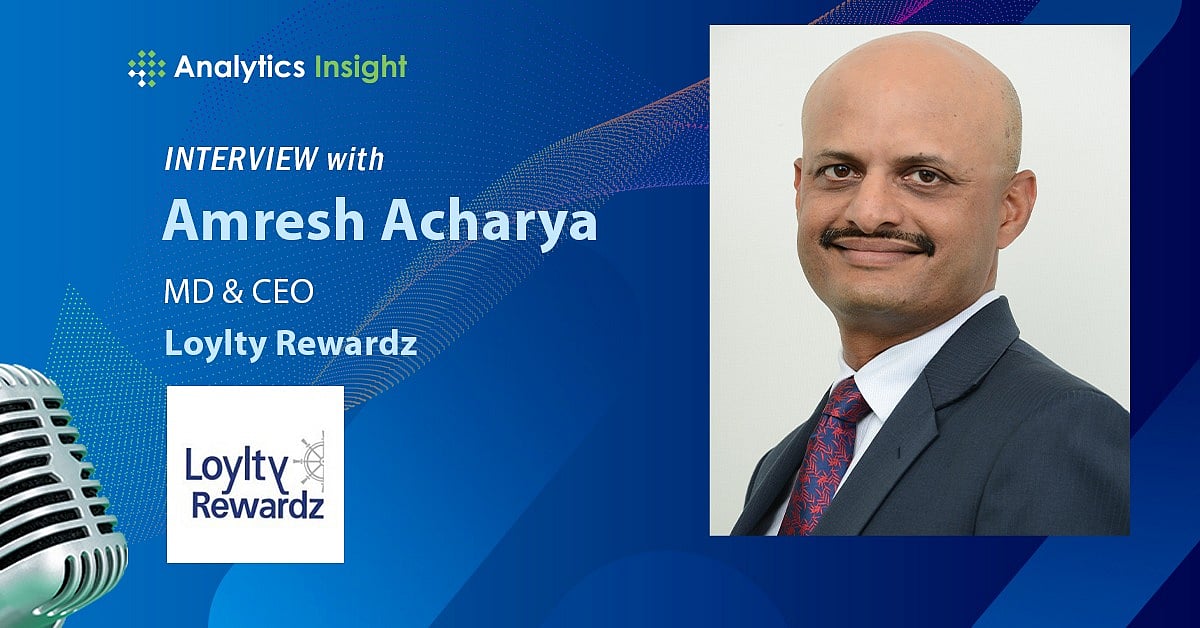
  • How Agentic AI Transforms Customer Loyalty: Amresh Acharya on Proactive, Personalized Engagement

    How Agentic AI Transforms Customer Loyalty: Amresh Acharya on Proactive, Personalized Engagement

    Agentic AI is reshaping customer loyalty by enabling businesses to deliver personalized, proactive, and scalable experiences. Instead of focusing only on rewards, brands now build lasting relationships through intelligent, data-driven customer engagement.

    In today’s episode of the Analytics Insight podcast, host Priya Dialani interviews Amresh Acharya, MD & CEO of Loyalty Rewardz, about how Agentic AI is revolutionizing customer engagement and loyalty. The episode features the evolving trend of companies going beyond conventional reward systems to engage customers using artificial intelligence solutions.

    Amresh provides information on how AI, machine learning, and data science can be used together to improve customer relationships and balance automation with human touch. He also sheds light on the importance of embracing responsible AI, customer data unification, and enterprise-level personalization to grow one’s business in the future. Here are the excerpts from the interview.

    What is Agentic AI and how does it benefit the customer experience?

    Unlike traditional AI, agentic AI does not simply answer customer queries. It understands context, predicts the customer’s future needs, and recommends services accordingly. Agentic AI will help brands provide more engaging experiences which do not come across as transactional.

    What does customer loyalty look like in the age of AI?

    The concept of loyalty has changed. Now customers expect to be understood by brands, remembered by them, and get customized services. Using artificial intelligence allows brands to develop relationships that motivate consumer loyalty.

    Is AI enough for a good customer experience?

    To some extent, AI-powered customer service can easily handle frequent queries that require quick answers. However, there are occasions when customers need help that cannot be provided by a machine and requires human assistance.

    Why is data critical to the success of AI-driven loyalty programs?

    AI performance is dependent upon the data it gets. Correct and correlated data about the customer helps firms understand their behaviors and preferences and personalize for them. Fragmented data prevents the AI from making any relevant suggestions for its customers.

    What do companies need to do before implementing Agentic AI?

    AI implementation starts with good data management, goal setting, and process design. Companies need to begin addressing customer challenges, have appropriate AI governance, and retain human involvement in critical decision-making processes.

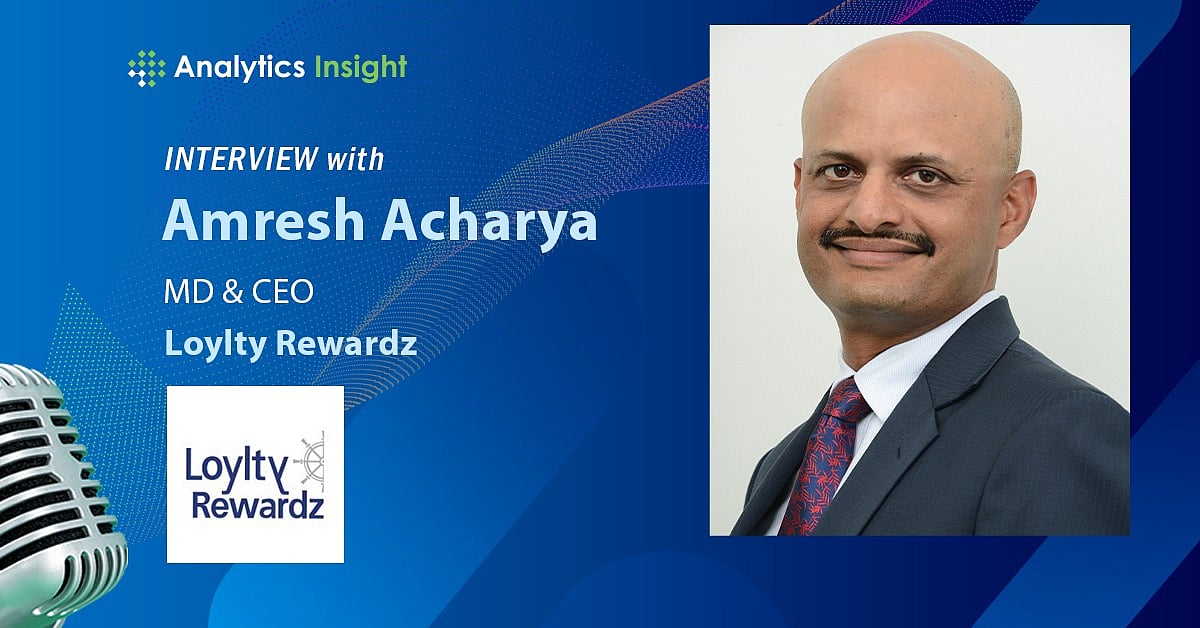
  • How Agentic AI Drives Customer Loyalty: Insights from Loyalty Rewardz CEO Amresh Acharya

    How Agentic AI Drives Customer Loyalty: Insights from Loyalty Rewardz CEO Amresh Acharya

    In an era where customer expectations are rapidly evolving, businesses are turning to Agentic AI to build deeper, more meaningful loyalty. Unlike traditional reward programs, Agentic AI enables proactive, personalized engagement that anticipates customer needs before they arise.

    In a recent episode of the Analytics Insight podcast, host Priya Dialani sat down with Amresh Acharya, Managing Director & CEO of Loyalty Rewardz, to explore how artificial intelligence is transforming customer loyalty. Acharya shared his expertise on integrating AI, machine learning, and data science to enhance customer relationships while balancing automation with the human touch. He emphasized the importance of responsible AI, unified customer data, and enterprise-level personalization for sustainable business growth. Below are key insights from the conversation.

    What Is Agentic AI and How Does It Benefit Customer Experience?

    Unlike conventional AI, Agentic AI doesn’t just answer queries; it understands context, predicts future needs, and recommends services accordingly. This allows brands to deliver engaging experiences that feel genuine rather than transactional.

    Customer Loyalty in the Age of AI

    The concept of loyalty has shifted. Today, customers expect brands to understand them, remember their preferences, and offer customized services. AI enables brands to develop relationships that naturally foster loyalty.

    Is AI Enough for a Good Customer Experience?

    AI-powered customer service handles frequent, straightforward queries efficiently. However, there are situations where human assistance is irreplaceable, especially when customers need empathy or complex problem-solving. The key is blending AI with human touchpoints.

    Why Data Is Critical for AI-Driven Loyalty Programs

    AI performs optimally when fed high-quality data. Accurate, correlated customer data helps firms understand behaviors and preferences, enabling personalization. Fragmented data prevents AI from making relevant suggestions, undermining the loyalty effort.

    Steps Before Implementing Agentic AI

    Successful AI implementation begins with robust data management, clear goal setting, and thoughtful process design. Companies need to address specific customer challenges, establish proper AI governance, and ensure human involvement in critical decisions.

    Acharya’s insights underscore that Agentic AI is not a replacement for human interaction but a powerful tool to elevate customer loyalty through proactive, personalized engagement.

  • 6 Retail Giants That Dominate Without Heavy Advertising Spend

    6 Retail Giants That Dominate Without Heavy Advertising Spend

    Customer loyalty and consistent value helped these retailers successfully reduce dependence on expensive advertising campaigns. Affordable pricing and high-quality products encourage repeat purchases while generating strong word-of-mouth recommendations globally. Smart retail strategies prove that lasting customer trust can consistently outperform large marketing budgets over time.

    Advertising has long been a staple of the retail industry. From television commercials to celebrity endorsements and digital campaigns, brands spend billions each year to stay in front of consumers. However, some of the world’s biggest retailers have taken a different route. Rather than chasing visibility through expensive campaigns, these companies have built their businesses on competitive pricing, consistent quality and customer trust. Their stores, products and shopping experience do most of the talking, proving that a strong reputation can often outperform a large advertising budget.

    Brands That Let Products Speak for Themselves

    These six retail giants built global brands without relying on expensive advertising campaigns or celebrity endorsements:

    Costco: A Loyal Membership Base is its Biggest Strength

    Costco has developed into one of the biggest retailing firms in the world despite its limited use of conventional forms of advertising. The core element of the firm’s success can be traced back to its membership concept. Consumers have to pay an annual membership fee in return for discounted rates, unique merchandise, and reduced pricing. This makes customers come back for more, and happy consumers always spread the word. Customer loyalty has thus been Costco’s best marketing strategy.

    Zara: New Collections Keep Customers Returning

    While many fashion companies pour their resources into marketing, Zara allocates just a tiny amount of its earnings to advertising. Its efforts are rather focused on the speedy introduction of trends into the market. New collections are presented promptly, and best-selling trends get sold out fast. This creates a feeling of haste that drives people to go shopping on a regular basis for fear of not being able to acquire desired items again.

    Trader Joe’s: Built on Customer Recommendations

    Without relying on extensive advertisements, Trader Joe’s has built a massive fan base. The company is famous for offering private label goods and a unique shopping experience. Shoppers frequently discover new items during store visits and end up recommending them to others. Word-of-mouth publicity has helped the company establish its reputation.

    Aldi: Low Prices Do the Selling

    Aldi offers affordability, ensures efficient operations, and places strong emphasis on private-label items. It has avoided overspending on advertising and gained popularity for its quality products at reduced prices.

    Primark: Affordable Fashion Creates its Own Buzz

    Primark has established itself as one of Europe’s top retailers through a simple business model that offers stylish clothes at affordable prices. Being located at busy street corners and frequently launching products ensure that the shops are always crowded. In addition, many customers end up posting their purchases on social media platforms, thereby eliminating the need for costly marketing campaigns.

    Muji: Simplicity that Builds Trust

    Japanese store Muji has always avoided using attractive marketing strategies to increase its customer base. The brand has developed its image by designing efficient, high-quality products. The company’s subtle strategy has been effective in getting the attention of consumers with basic requirements.

    The Takeaway

    These retailers have shown that building a successful brand is not always about spending the most on advertising. By focusing on value, quality, and a reliable shopping experience, they have created loyal customer bases that keep returning and often bring new customers. In retail, trust can be just as valuable as the biggest marketing campaign.

    FAQs

    Which retail company spends the least on traditional advertising?

    Costco is widely known for spending little on traditional advertising. Instead, it focuses on its membership model, competitive pricing, quality products, and customer loyalty to drive repeat business and long-term growth.

    Why does Zara spend less on advertising than competitors?

    Zara prioritises fast product launches, premium store locations and limited inventory over expensive advertising campaigns. This strategy encourages frequent store visits and creates demand without relying heavily on promotional spending.

    How does Aldi attract customers without large marketing campaigns?

    Aldi keeps prices low by reducing operating costs, offering mostly private-label products, and running efficient stores. Its reputation for affordability and quality helps attract customers without significant advertising investments.

    Why is customer loyalty important for these retail companies?

    Customer loyalty encourages repeat purchases, generates positive word-of-mouth, and reduces the need for costly advertising. Satisfied shoppers often become brand advocates, helping retailers grow through trust and recommendations.

    Can businesses succeed without spending heavily on advertising?

    Yes, businesses can succeed by delivering consistent quality, competitive pricing, and excellent customer experiences. Strong products and reliable service often build lasting customer trust, reducing dependence on expensive advertising campaigns.