Tag: cyber fraud

  • Bengaluru Police Unearth Major Cyber Fraud Ring Involving 507 Mule Accounts and Crypto Transfers

    Bengaluru Police Unearth Major Cyber Fraud Ring Involving 507 Mule Accounts and Crypto Transfers

    Bengaluru police have uncovered an extensive cyber fraud network that used fake investment applications, hundreds of mule accounts, and cryptocurrency transfers to siphon off stolen money. The investigation was triggered by a complaint from a Peenya resident who lost approximately Rs. 94 lakh (Rs. 93.58 lakh) in a fraudulent investment scheme.

    Officials traced the funds through 507 mule bank accounts, with Rs. 13 lakh moving through a government-owned bank account and over Rs. 38 lakh passing through a private bank current account. The trail also led to a Binance crypto wallet, indicating that digital assets were used to obscure the money flow. Investigators have identified digital connections to Kolkata, Hong Kong, and California, although foreign links are still being verified.

    Arrests and Recovered Evidence

    One suspect, Amit Mishra, was arrested in Bengaluru on September 8. The following day, police detained two alleged accomplices: Tausif Ahmed and Parashuram Sadanand Kannanavar. Six mobile phones were recovered from the three individuals. According to the official police statement: “Initially, we thought they could be victims, but on September 8, when the technical analysis of Amit Mishra was being done, we found they were his partners. We arrested both of them on September 9.”

    Tools and Methods Used

    The investigation revealed names such as Sumon, Nick, Dilawar, Iftikhar, Abhinav, and Vivek—contacts of Mishra on the ZNPAY platform. Other associates included Nawaz, Shihab Boy, Dinesh, Sulpikar, and Ashraf. Police are verifying each individual’s involvement.

    The group is accused of collecting current, corporate, and trust accounts along with SIM cards and banking details. Mule account holders were allegedly paid commissions ranging from Rs. 1.5 lakh to Rs. 2 lakh. Investigators also discovered the ZNPAY app and several SMS-forwarding APK files, which are believed to have been used to intercept banking messages and one-time passwords (OTPs).

    Broader Implications

    This case highlights a sophisticated, multi-layered fraud operation rather than a simple phishing attack. The fake investment platform lured victims, while mule accounts distributed stolen funds across different banks. The use of cryptocurrency added another layer of complexity, making transactions harder to track. Police continue to examine more accounts, devices, and digital trails as they expand the investigation.
  • WhatsApp Crypto Scam Dupes Gwalior CA of ₹21.06 Crore via Fake USDT Trading Platform

    WhatsApp Crypto Scam Dupes Gwalior CA of ₹21.06 Crore via Fake USDT Trading Platform

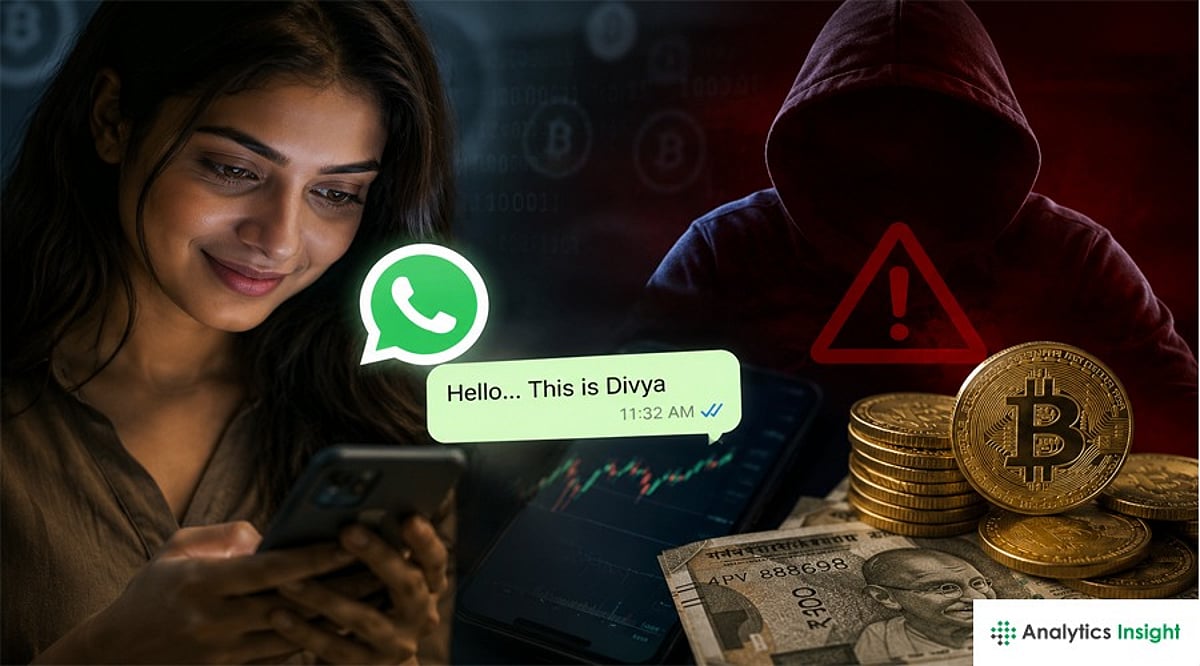
    A retired chartered accountant in Gwalior has lost a staggering ₹21.06 crore in a sophisticated cryptocurrency scam that began with a single WhatsApp message. The Gwalior State Cyber Cell is now investigating what officials describe as one of the largest crypto frauds ever recorded in the state.

    How the Scam Unfolded

    The trouble started in December 2025 when a woman calling herself ‘Divya’ contacted the 70-year-old victim on WhatsApp. Posing as an investment adviser, she promised high returns through USDT crypto trading. To build trust, she encouraged small initial investments and delivered the promised returns. Over the following months, the victim poured in more money as the trading app showed his profits climbing—at one point displaying holdings worth over ₹33 crore.

    When he attempted to withdraw the funds, the scammers invented new excuses, demanding taxes, risk charges, and additional fees. The money never materialized, and the victim realized he had been cheated.

    Money Laundered Through Thousands of Accounts

    Police investigations revealed that the stolen ₹21.06 crore passed through a four-layer network of bank accounts. More than 20,000 transactions were used to move the funds across multiple states, likely using money mules to obscure the trail. Investigators have so far frozen about ₹2 crore and are working to trace the remainder, identify the perpetrators, and track the IP addresses linked to the fake app and WhatsApp accounts.

    Growing Threat of Crypto Scams

    This case highlights how far crypto scams have evolved. Fraudsters now employ realistic-looking apps, early profit payouts, and trusted platforms like WhatsApp to lure victims before vanishing with their savings. Experts urge investors to verify the credentials of any investment adviser and to be wary of schemes promising unusually high returns.

  • WhatsApp and Telegram Address Government Queries on Username Security and Impersonation Risks

    WhatsApp and Telegram Address Government Queries on Username Security and Impersonation Risks

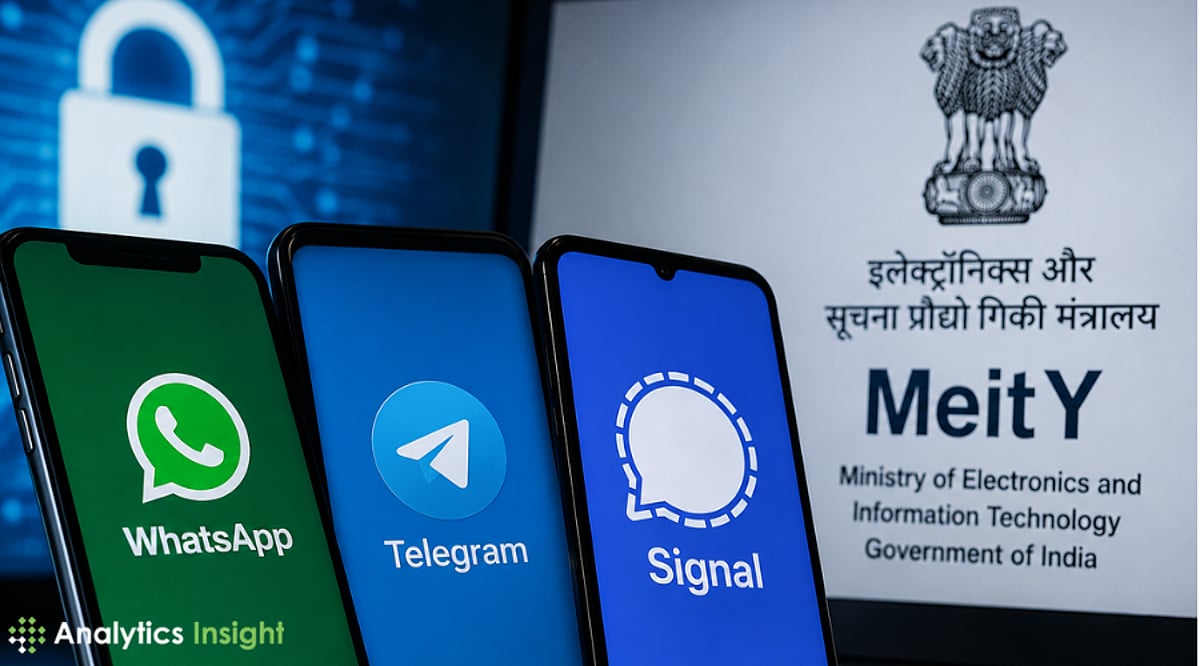
    WhatsApp and Telegram have officially responded to the Indian government’s concerns regarding the safety of their username-based messaging features. The Ministry of Electronics and Information Technology (MeitY) had issued notices to the platforms, seeking details on how they plan to prevent identity impersonation and online fraud facilitated by the new username system. Signal, another messaging app, had not yet submitted its response by the deadline.

    Government Scrutiny Intensifies on Username Features

    MeitY sent notices to WhatsApp, Telegram, and Signal, asking them to explain the safety mechanisms integrated into their username systems. The government is particularly worried that allowing users to communicate via usernames instead of phone numbers could make it easier for fraudsters to impersonate individuals, launch phishing attacks, and carry out digital scams. WhatsApp received the notice on July 1, while Telegram and Signal were issued notices two days later. After discussions with officials, WhatsApp was granted a four-day extension and submitted its response. Telegram also met the deadline.

    Meta Outlines Anti-Impersonation Measures

    Meta, the parent company of WhatsApp, detailed its approach in the response. The company stated that the upcoming username feature includes multiple layers of protection to curb misuse. Accounts will be suspended or usernames revoked if there is evidence of impersonation or fraudulent activity. Additionally, usernames already associated with Facebook and Instagram accounts will be reserved for their rightful owners during the rollout. Usernames linked to verified accounts, public figures, celebrities, and government entities—along with look-alike variations—will remain exclusive to legitimate users to reduce the risk of identity fraud.

    Privacy vs. Security: A Delicate Balance

    While the username feature is designed to enhance user privacy by allowing people to communicate without sharing their phone numbers, the government believes that anonymity could create new challenges for law enforcement and cybercrime investigations if proper safeguards are not in place. This exchange represents the latest step in the government’s ongoing efforts to strengthen protections against online impersonation while balancing user privacy and platform innovation. MeitY is expected to review the submissions before deciding on the next course of action.

  • Fake Trading Apps on WhatsApp and Telegram: How Scammers Trap Investors — and How to Stay Safe

    Fake Trading Apps on WhatsApp and Telegram: How Scammers Trap Investors — and How to Stay Safe

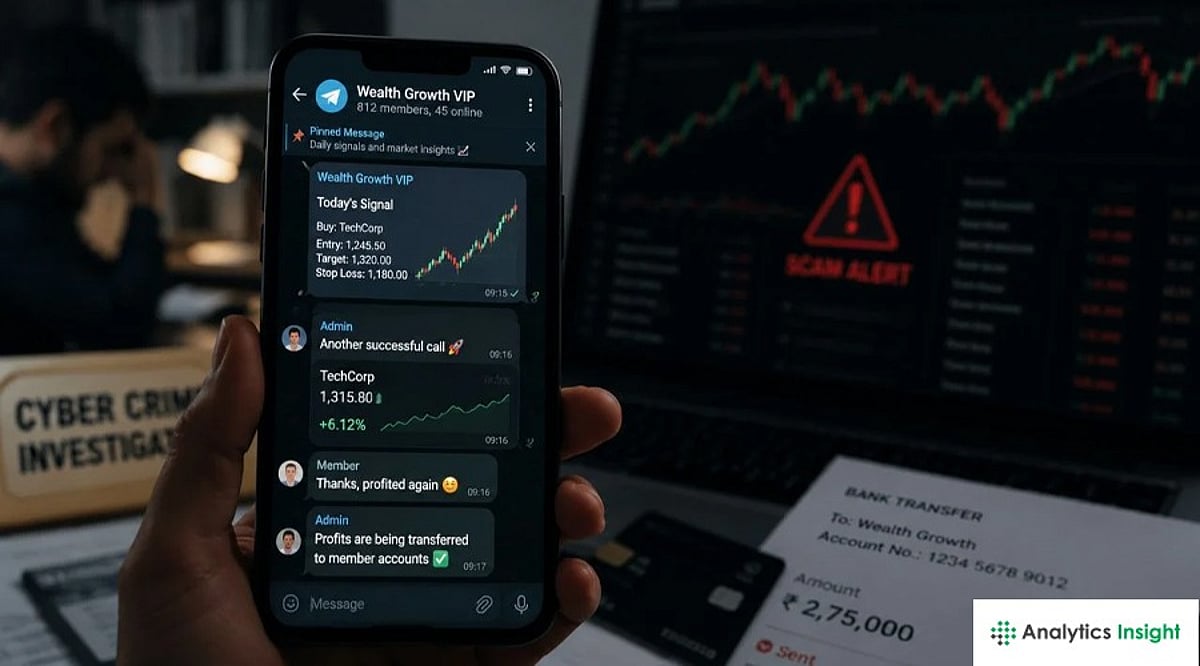
    Cybercrime investigators and consumer-rights groups are raising the alarm about a surge in investment fraud conducted through WhatsApp and Telegram groups that pose as exclusive trading clubs. According to a recent report, victims are typically added to groups that showcase fabricated screenshots of large profits and glowing testimonials. They are then persuaded to download a private-link trading app that mimics legitimate platforms. Early small returns shown on the app build trust before larger deposits are solicited.

    When victims attempt to withdraw their funds, scammers block access and demand additional payments for taxes, processing fees, or account verification — effectively stealing the entire portfolio. Authorities cite multiple high-value cases where individuals lost lakhs to crores after being convinced by staged dashboards and fake SEBI credentials.

    Officials urge the public to avoid investment advice from unknown messaging groups, verify broker registration on official portals, and never install trading apps from unverified links. The government’s cybercrime helpline and reporting portal remain the recommended channels for victims seeking redress. Experts say awareness and independent verification are the most effective defenses against these increasingly sophisticated messaging-platform schemes.