
The James Webb Space Telescope is revolutionizing astronomy with its advanced infrared imaging capabilities. It allows scientists to observe distant galaxies, analyze exoplanet atmospheres, and peer into some of the universe’s earliest cosmic structures ever discovered.
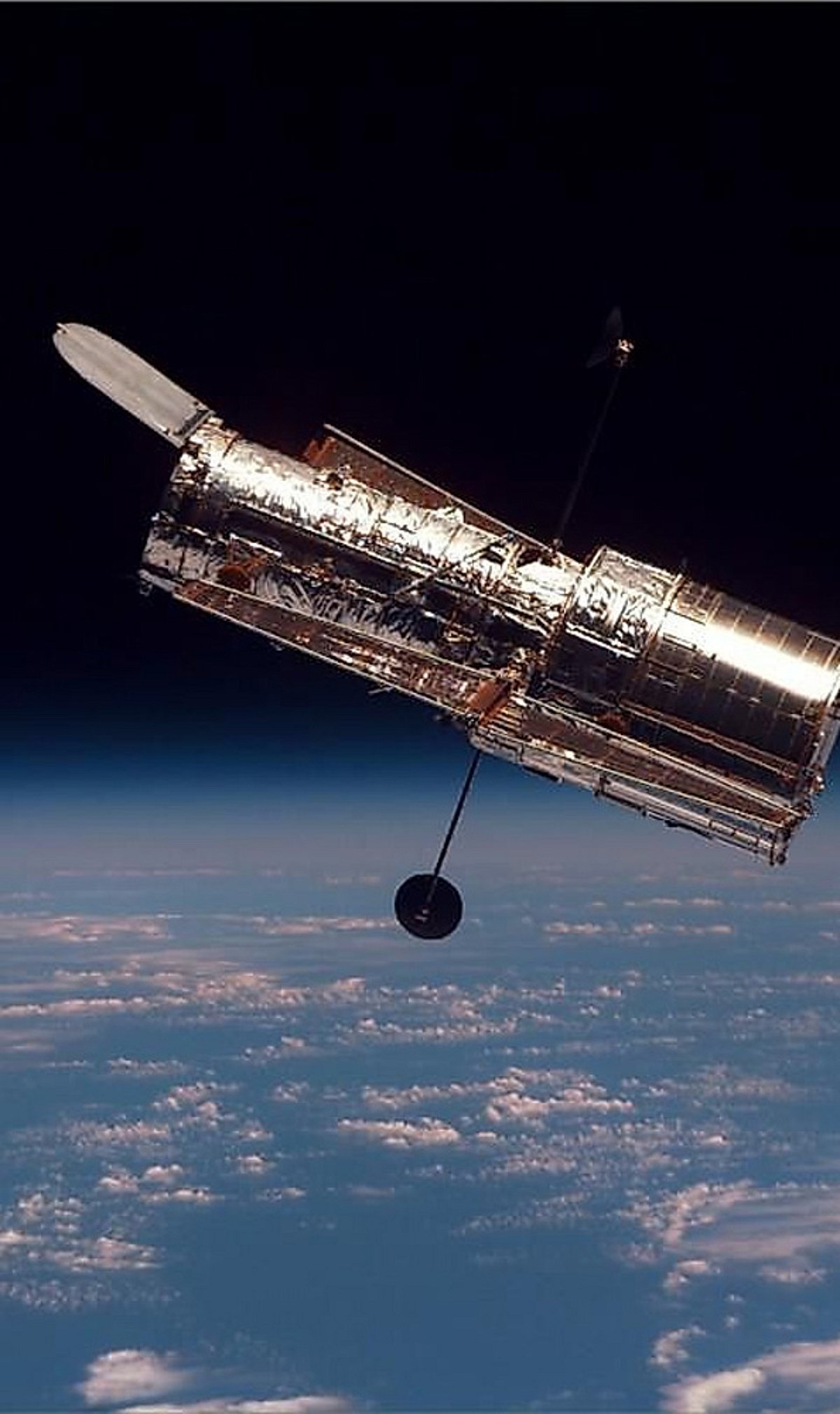
The Hubble Space Telescope continues to deliver iconic deep-space images while contributing decades of groundbreaking discoveries across astronomy, cosmology, and planetary science research worldwide.
The Nancy Grace Roman Space Telescope is designed to survey vast cosmic regions, helping scientists investigate dark energy, exoplanets, and galaxy formation with unprecedented observational capabilities.
The Euclid Space Telescope maps billions of galaxies to improve our understanding of dark matter, dark energy, and the large-scale structure of the expanding universe.
The SPHEREx Space Telescope conducts an all-sky infrared survey, studying galaxy evolution, cosmic origins, and the molecular ingredients essential for planetary system formation.
The Chandra X-ray Observatory observes high-energy cosmic events including black holes, neutron stars, and supernova remnants through powerful X-ray detection capabilities.
The XMM-Newton Observatory studies energetic astronomical phenomena using sensitive X-ray instruments that help scientists understand galaxy clusters and extreme cosmic environments.
The CHEOPS Space Telescope focuses on known exoplanets, measuring their sizes accurately to improve understanding of planetary composition and habitability across nearby star systems.
The PLATO Space Telescope searches for Earth-like exoplanets around Sun-like stars while studying stellar evolution through long-term, highly precise brightness observations.