
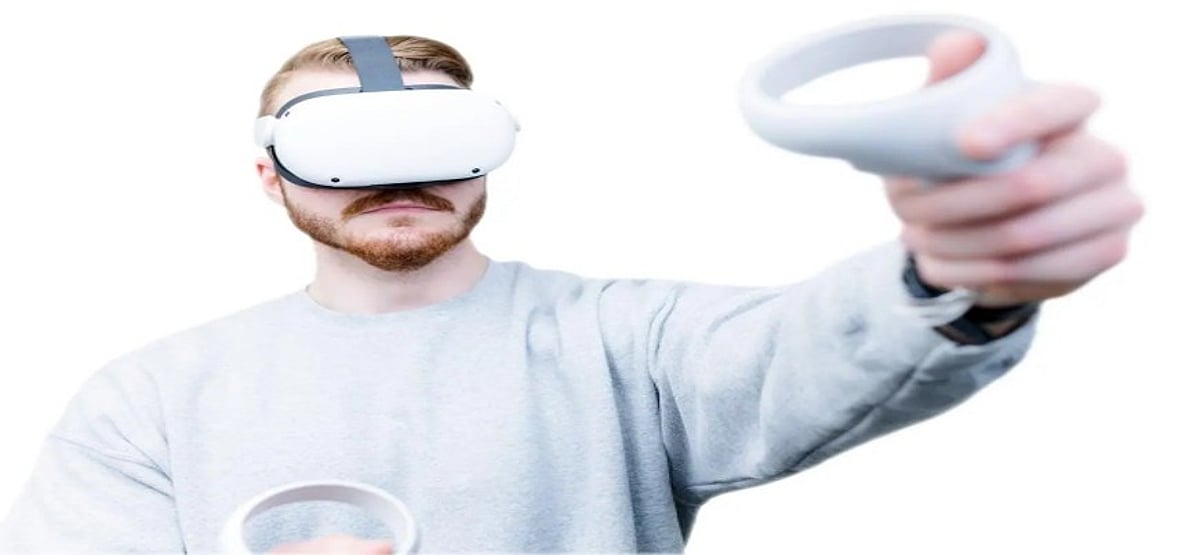
Virtual reality (VR) training is rapidly transforming corporate learning, but the real breakthrough lies in the data it generates. Every movement, glance, and reaction inside a simulated environment captures rich telemetry that reveals how employees truly perform under pressure. Moving beyond traditional completion rates, organizations now have the tools to turn raw headset data into actionable business intelligence.
Making Sense of Immersive Telemetry
When a trainee dons a VR headset, the system records hundreds of data points per second—head orientation, eye gaze, hand gestures, and reaction times. This flood of information can feel overwhelming. However, by focusing on scenario-based assessment metrics, companies can uncover whether an employee hesitated before a critical safety decision or where their attention wandered during a high-stakes interaction. This level of detail transforms training from a passive exercise into an objective map of skill application.
From 3D Interactions to Real-World Outcomes
The ultimate goal of any training program is improved job performance. Spatial tracking and heatmaps visualize exactly where users focus their attention. For example, if a technician is supposed to monitor a specific gauge, heatmaps confirm whether they actually looked at it. This capability enables trainers to verify attention allocation for safety hazards, analyze physical ergonomics to prevent repetitive strain injuries, and track navigational efficiency to identify workflow bottlenecks. Behavioral tracking also measures soft skills: decision-making speed, adaptability, and procedural knowledge in unpredictable scenarios.
Overcoming the Analytics Learning Curve
Many enterprises struggle to isolate the metrics that correlate with long-term success. Data silos further complicate integration with existing Learning Management Systems (LMS). Without clear visualization tools, raw coordinates in spreadsheets offer little value. A well-designed VR ecosystem automatically highlights performance trends, flags safety risks, and generates reports that stakeholders can act on immediately. Specialized providers, such as Roundtable Learning, help bridge this gap by translating complex telemetry into straightforward business intelligence.
Elevating Training Strategy with Expert Partners
Working with experienced partners allows internal teams to focus on coaching while experts handle the technical heavy lifting. Whether assessing emergency response, refining leadership communication, or teaching complex procedures, the right partner ensures VR initiatives deliver scalable results and clear ROI. Organizations that master immersive data will build safer, more efficient, and highly adaptable workforces ready for tomorrow’s challenges.