
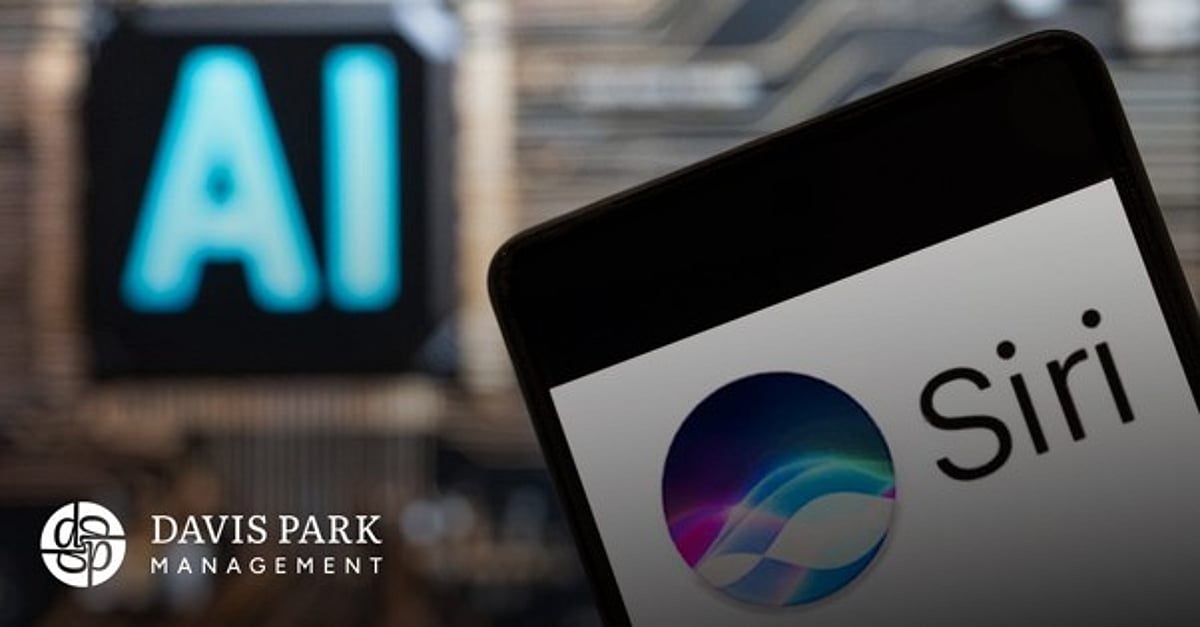
Apple’s upgraded Siri AI assistant, unveiled at the Worldwide Developers Conference, has hit a regulatory roadblock in the European Union. The Digital Markets Act (DMA) compliance obligations are preventing the feature from launching on European devices, creating a staggered rollout that has caught the attention of institutional investors. Davis Park Management Pte. Ltd., a Singapore-based capital management firm, is examining the implications for allocators as the regulatory landscape complicates Apple’s AI ambitions.
Regulatory Challenges and Market Access
The new Siri architecture, powered by a custom version of Google’s Gemini model with 1.2 trillion parameters, represents a significant leap from the previous query-and-response design. However, Apple has confirmed that the assistant will not accompany the forthcoming iOS 27 and iPadOS 27 releases within the EU. Regulators have rejected a succession of proposals, including a phased plan built around a Trusted System Agent, marking the second occasion Apple Intelligence has been withheld from European markets.
A parallel restriction applies in China, where foreign manufacturers must submit large language models for local approval. China accounts for 17% of Apple’s group revenue, sharpening the commercial stakes of prolonged delays in either market.
Davis Park Management’s Perspective
Michael Sheldon, Director of Private Equity at Davis Park Management, views the licensing approach as a deliberate decision to rent frontier capability rather than fund it outright. This preserves capital for areas where Apple retains a defensible advantage and reassures investors focused on margin durability. The firm reads the friction as a question of capital allocation rather than a verdict on the technology.
Apple’s AI revenue stands near $1.1 billion for the period, while services revenue of about $33.2 billion carries a margin of 76.5%. The active device base exceeds two billion units, and paid subscriptions surpass one billion, expanding at a double-digit rate. Market capitalization briefly overtook Microsoft’s valuation of about $3.6 trillion following the conference, a three-day move adding $358.5 billion in value.
Broader Implications for Investors
Sheldon emphasizes that the clearer risk lies in the durability of the ecosystem. Every regulatory concession that loosens the integration between Apple’s hardware and its services chips away at the retention mechanics behind recurring revenue. Regulatory enforcement compounds trade-policy exposure, with a penalty of about $580 million for anti-steering breaches under the DMA and tariff payments approaching $3.7 billion in aggregate.
Equity research remains divided. One bullish brokerage maintains an “Outperform” rating with a price target near $343.1, projecting AI could add between $83 and $110.7 per share. A more cautious peer has trimmed iPhone unit-growth expectations to 2% across the forecast period, to about 232 million units, with commercial availability slipping into the next year.
For Davis Park Management, the open question is timing. European availability rests on continuing negotiation and precedent enforcement, while the staggered rollout shows the difficulty of reconciling deep platform integration with divergent compliance regimes. The delay weighs on near-term services projections given the scale of the European installed base, yet the underlying partnership keeps Apple within the competitive frontier of applied AI, leaving the investment case finely balanced between regulatory drag and long-term value.