
Tag: deep work

  • How Entrepreneur Ankur Warikoo Leverages ChatGPT to Enhance Daily Productivity and Deep Work

    How Entrepreneur Ankur Warikoo Leverages ChatGPT to Enhance Daily Productivity and Deep Work

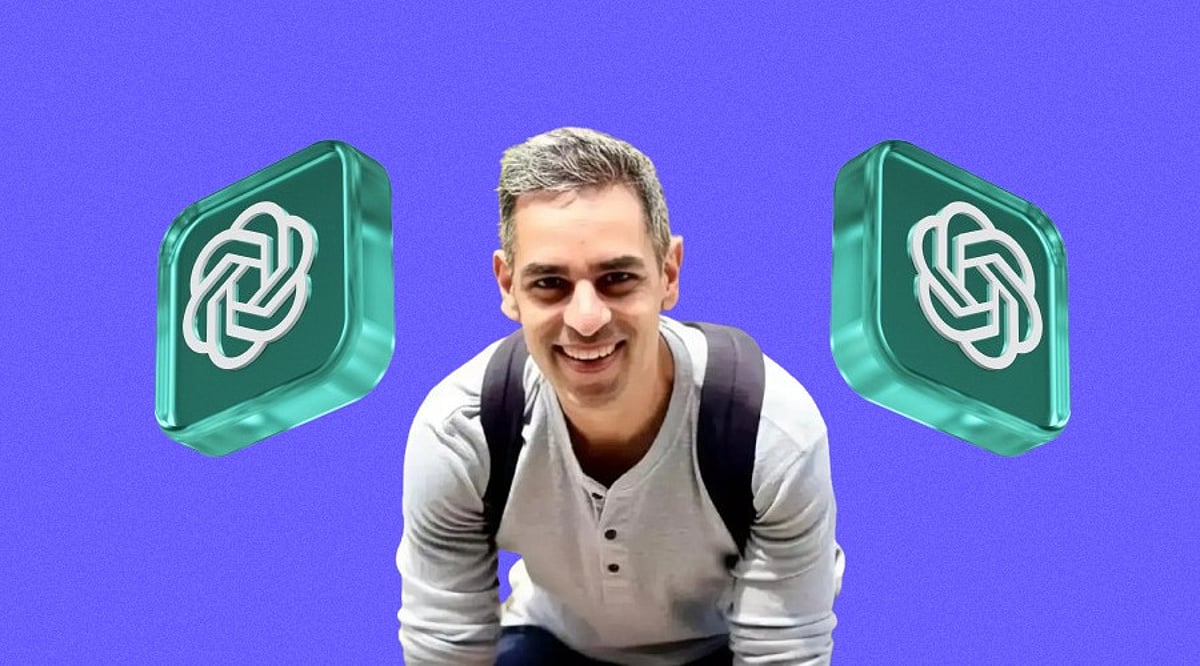
    Entrepreneur and author Ankur Warikoo has openly shared how he integrates ChatGPT into his daily workflow to boost productivity, sharpen his thinking, and accelerate learning. Rather than using AI as a crutch to complete tasks for him, Warikoo treats it as a collaborative partner that helps him brainstorm ideas, simplify complex topics, and structure his thoughts before taking action. His approach offers a practical blueprint for professionals who want to harness AI without sacrificing critical thinking or creativity.

    Why This Matters

    As artificial intelligence becomes more embedded in professional environments, the conversation has shifted from whether to adopt AI to how to use it effectively. Warikoo’s methodology demonstrates that AI tools can enhance productivity while preserving human judgment and independent decision-making.

    Overcoming the Blank-Page Challenge

    Starting a new task—whether it’s a presentation, newsletter, or business plan—is often the hardest part. Many professionals spend more time figuring out how to begin than actually completing the work. Warikoo uses ChatGPT to break through this initial barrier. He starts with a simple request, explores different angles, and lets the AI inspire him rather than copying its output verbatim. This approach cuts down the time spent staring at a blank page while keeping creative decisions firmly in human hands.

    Simplifying Complex Information

    In fast-moving fields like finance and business, staying informed is essential—but the challenge is often organizing information, not accessing it. Warikoo uses ChatGPT to clarify complicated concepts, make comparisons, and generate concise summaries. This helps him grasp new topics quickly before diving into deeper research, a strategy that is especially valuable for busy professionals juggling multiple responsibilities.

    Building Better Daily Habits

    Warikoo also applies ChatGPT beyond work tasks. For instance, he asked the chatbot which habits could help someone become more successful than most people. The response emphasized practical, everyday routines such as maintaining a steady schedule, exercising regularly, carving out time for deep work, continuous learning, eating well, saving money, reducing distractions, and nurturing personal relationships. While none of these points are revolutionary, turning them into a structured checklist makes them easier to follow. This exercise highlights how AI can organize proven principles into a manageable daily routine.

    The Importance of Deep Work

    One of Warikoo’s key takeaways from using ChatGPT is the emphasis on uninterrupted, focused work. He recommends dedicating two to four hours each day to deep work—free from notifications, meetings, or social media distractions. This aligns with the growing productivity trend that prioritizes concentrated effort over multitasking. For Warikoo, AI serves as a habit reminder for well-known productivity techniques rather than a source of novel methods.

    Accelerated Learning Without Cutting Corners

    Warikoo also leverages ChatGPT for faster learning. Instead of spending hours searching for articles, videos, and reports, he asks the chatbot for a general overview of an unfamiliar topic. Once he has the basics, he continues with in-depth research—but in a more efficient order. This approach saves time while maintaining research quality.

    AI as a Thought Partner, Not a Replacement

    Perhaps the most important aspect of Warikoo’s strategy is viewing AI as a thinking partner rather than a substitute for expertise. ChatGPT can help structure information, generate ideas, and automate repetitive tasks, but judgment, creativity, and decision-making remain human responsibilities. The quality of the output depends heavily on the quality of the questions asked. Warikoo’s core takeaway is that AI delivers the most value when it augments human thought rather than replacing it.

    Frequently Asked Questions

    1. How does Ankur Warikoo use ChatGPT every day? He uses it to brainstorm ideas, simplify complex topics, plan tasks, accelerate learning, and organize his daily workflow.
    2. Does Ankur use ChatGPT to write all his content? No. He uses it for idea generation and structure, but relies on his own knowledge and judgment for final content.
    3. What productivity habit does Ankur highlight the most? He emphasizes deep work, recommending two to four hours of uninterrupted focus daily for high-impact tasks.
    4. Can ChatGPT help professionals improve productivity? Yes, by organizing information, generating ideas, summarizing topics, and reducing repetitive work, it allows professionals to focus on important decisions.
    5. What is Ankur’s biggest takeaway about using AI? He believes AI works best as a thinking partner that supports human creativity and decision-making, not as a replacement for them.

  • Top CEO Productivity Habits: Routines That Drive Peak Performance

    Top CEO Productivity Habits: Routines That Drive Peak Performance

    Highly successful CEOs don’t rely on longer work hours—they rely on smarter habits. Discover the productivity routines of leaders like Tim Cook, Jeff Bezos, Bill Gates, Satya Nadella, and Elon Musk, and learn practical strategies to improve focus, decision-making, energy, and long-term leadership performance.

    Start Before the Day Starts

    The most consistent trait across productive CEOs is protecting their mornings from emails and other people’s agendas. Apple’s Tim Cook is famously up at 3:45 AM, reading customer feedback before the workday begins. Jeff Bezos takes the opposite approach but achieves the same effect: he allows himself unstructured morning time for family, reading, and thinking before any scheduled demands, deliberately avoiding early meetings to preserve peak cognitive energy for high-stakes decisions later. Harvard Business Review research found that 72% of top executives structure their mornings around rituals matching their personal strengths. This distinction matters enormously at scale, where a CEO’s first two hours of clarity can be worth more than the rest of the day combined.

    Guard Time Like Capital

    Successful CEOs guard their time fiercely in a world of endless emails, Slack messages, and meetings. Bill Gates famously carves out “Think Weeks” twice a year—isolating himself completely to read, reflect, and think strategically without interruption. Mark Zuckerberg and Jack Dorsey both schedule no-meeting days specifically to protect deep work time. Elon Musk divides his day into five-minute time blocks rather than hour-based calendar slots, a scheduling approach that eliminates dead time between tasks. The underlying principle is consistent across all of them: time is non-renewable, meetings are expensive, and the ability to think deeply without interruption is increasingly rare and increasingly valuable.

    Make Smarter Decisions, Not More of Them

    Jeff Bezos follows a “two types of decisions” rule: irreversible, high-impact decisions deserve time and deliberation; reversible, low-risk ones should be made fast and moved past. Elon Musk applies first-principles thinking to strip decisions down to fundamental truths rather than convention. Steve Jobs famously reduced his wardrobe to a uniform to eliminate minor decision fatigue, preserving cognitive bandwidth for what mattered. The shared insight is that leaders who try to give every decision equal mental energy exhaust themselves on the small ones before reaching the important ones.

    Treat Physical Health as a Leadership Input

    Richard Branson once said exercise is the secret to doubling his productivity. Jeff Bezos has said improving his fitness directly supports complex decision-making and sustained focus. Satya Nadella commits to cardio four to five times a week as explicit preparation for the mental demands of leadership. The common thread isn’t athleticism; it’s the recognition that cognitive performance, decision stamina, and emotional regulation are all downstream of physical health. Leaders who treat the body as separate from professional performance tend to miss this compounding effect entirely.

    Never Stop Learning

    Warren Buffett spends 80% of his working day reading. Bill Gates reads roughly 50 books a year. Satya Nadella reads across technology, philosophy, and poetry, viewing cross-disciplinary thinking as a core input to Microsoft’s culture. The most productive CEOs treat learning not as something that happens in formal settings but as a daily habit, a consistent investment in the quality of their own thinking rather than a signal of idle time. Knowledge, like compound interest, builds most reliably when the deposits are small and consistent rather than large and occasional.

    Why This Matters

    Today’s business leaders face constant information overload, rapid technological change, and high-stakes decision-making. Strong productivity habits help executives protect their time, improve judgment, reduce burnout, and maintain consistent performance. Whether leading a global enterprise or a growing startup, adopting proven CEO routines can significantly enhance leadership effectiveness and long-term career success.

    Frequently Asked Questions

    What productivity habits do the world’s most successful CEOs have in common?

    Successful CEOs typically follow structured routines that prioritize deep work, strategic thinking, physical health, continuous learning, and disciplined time management. Rather than trying to maximize every minute, they focus on protecting their highest-energy hours, minimizing distractions, and making intentional decisions. These habits help improve productivity while reducing stress and decision fatigue over the long term.

    Why do many CEOs wake up early?

    Early mornings often provide uninterrupted time before meetings, emails, and daily responsibilities begin. CEOs like Tim Cook use this period for planning, reading, or reviewing priorities, while others prefer exercising or spending time with family. The real benefit isn’t simply waking up early but creating a consistent routine that supports focus and better decision-making throughout the day.

    How does time blocking improve executive productivity?

    Time blocking involves dividing the day into dedicated periods for specific activities instead of reacting to constant interruptions. Leaders like Elon Musk use structured schedules to minimize context switching and improve concentration. This method helps executives protect time for strategic work, reduce unnecessary meetings, and accomplish more without extending their working hours.

    How much do successful CEOs read every day?

    Many top executives dedicate significant time to reading books, reports, industry research, and business publications. Warren Buffett famously spends much of his day reading, while Bill Gates and Satya Nadella consistently invest time in learning across multiple disciplines. Regular reading expands knowledge, improves strategic thinking, and helps leaders stay informed about emerging technologies and market trends.

    What is decision fatigue, and how do CEOs reduce it?

    Decision fatigue occurs when the quality of decisions declines after making too many choices throughout the day. CEOs reduce it by automating routine decisions, simplifying daily habits, delegating lower-priority tasks, and reserving their mental energy for strategic business issues. This approach improves judgment while preventing unnecessary cognitive overload during busy workdays.