
Tag: Deepinder Goyal

  • Temple Wearable by Deepinder Goyal Shows Strong Brain Blood Flow Correlation in Early Study

    Temple Wearable by Deepinder Goyal Shows Strong Brain Blood Flow Correlation in Early Study

    Deepinder Goyal’s Temple wearable has released its first brain flow study, revealing promising results in tracking cerebral blood flow changes. The preprint, published on medRxiv on September 4, 2026, tested 23 healthy adults in Meerut and compared Temple’s Brain Flow index with Transcranial Doppler (TCD) during exercise and posture changes.

    Researchers found that Temple closely followed middle cerebral artery blood velocity in both tests. Median within-person correlations reached 0.795 during cycling and 0.799 during postural changes, indicating a strong relationship between the wearable’s readings and actual cerebral blood dynamics.

    The Temple device uses an optical sensor placed near the temple to generate its proprietary Brain Flow index, analyzing optical signals from tissue near the skin surface. In contrast, TCD measures blood velocity inside the middle cerebral artery using ultrasound.

    An important finding suggests the signal is not simply a reflection of heart rate. During the posture test, heart rate decreased while middle cerebral artery blood velocity increased, yet Temple’s Brain Flow index followed the cerebral blood velocity pattern during the same transition.

    Despite these promising results, several limitations prevent the Temple wearable from being considered a proven brain monitoring device. The study used normalized relative signals rather than absolute blood flow measurements. Optical readings near the temple can also capture signals from the scalp and other superficial blood vessels. The study involved a small group of young, healthy adults and remains a preprint without peer review. Temple Pvt Ltd funded the research, though authors reported no competing interests.

    Goyal called the study ‘the first step’ while sharing the findings on X. The next stage will require independent studies that separate scalp circulation from brain circulation. Larger and more diverse trials could determine whether Temple’s Brain Flow index reflects genuine cerebral activity.

  • Zomato Founder Deepinder Goyal Bets on Brain Health with New Wearable Startup Temple

    Zomato Founder Deepinder Goyal Bets on Brain Health with New Wearable Startup Temple

    Deepinder Goyal, the visionary behind India’s food-tech giant Zomato, is making a bold pivot from food delivery to brain health. His latest venture, Temple, is developing a wearable device that tracks brain blood flow in real time. The startup recently raised $54 million in its first funding round, achieving a valuation of around $190 million—a striking vote of confidence in an unproven technology.

    From Canteen Menus to Forehead Patches

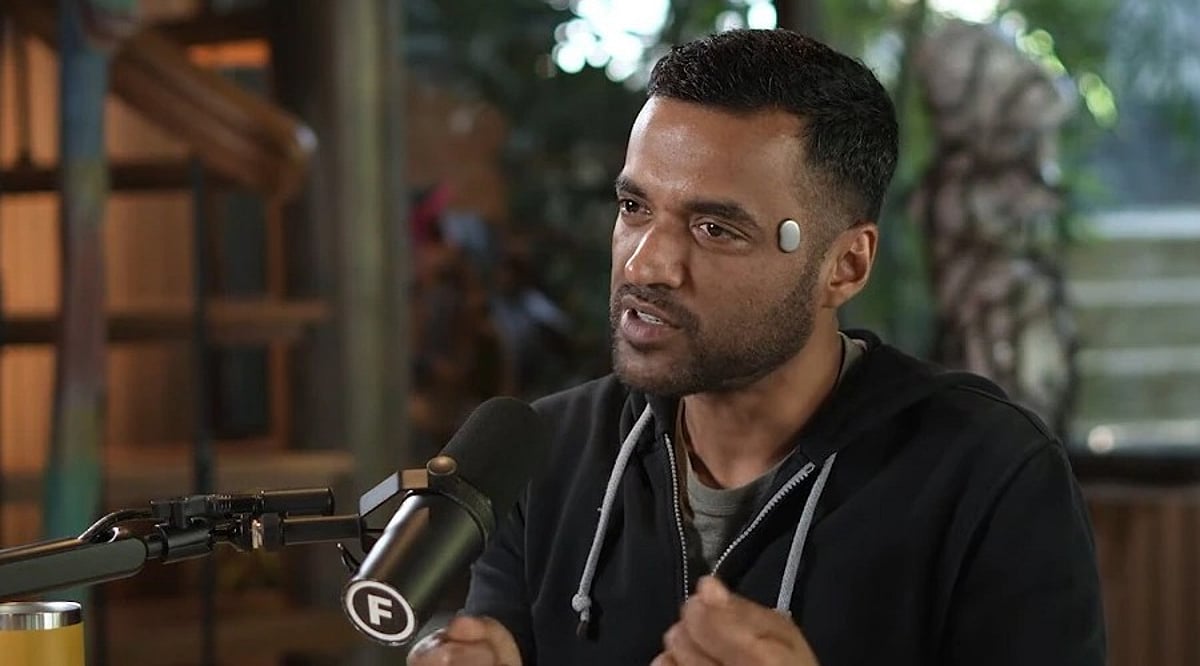
    Goyal’s entrepreneurial journey began in 2008 when he and a colleague noticed office workers queuing to see lunch menus. That observation led to Foodiebay, which later became Zomato—a public company and India’s first consumer tech unicorn. In early 2026, just weeks after stepping down as Zomato’s CEO, Goyal appeared on a podcast wearing a small forehead device called Temple. It wasn’t a gimmick; it was the prototype of his new startup.

    How Temple Works

    Temple’s product is a small, patch-like wearable that sticks to the temple or forehead. It claims to continuously monitor cerebral blood flow, similar to how fitness trackers measure heart rate or Oura rings track sleep. The ultimate goal: to help slow down aging by improving brain blood flow. Goyal has shared this theory online, but the science remains unverified and has not been peer-reviewed. Medical experts are skeptical, but investors are willing to bet on Goyal’s track record.

    Investor Confidence and Risks

    The $54 million round was led by Goyal’s long-time backers—Peak XV Partners (formerly Sequoia India), Info Edge, Steadview Capital, and Nikhil and Nithin Kamath of Zerodha. These investors saw Goyal turn a simple menu directory into a multi-billion-dollar business. Now they’re backing his foray into biotech and longevity, a field far riskier than food delivery. Goyal himself describes the move as “higher-risk exploration and experimentation.”

    A New Chapter for Indian Tech

    Temple is still in development. The company is running third-party studies to validate its metrics and recruiting early adopters to refine the technology. A consumer launch is expected within months. If successful, Temple could revolutionize how athletes monitor performance and how everyday people track brain health. If it fails, it will still be a landmark story—the moment one of India’s most celebrated founders bet his reputation not on food, but on the flow of blood through the human brain.

    Temple operates independently from Goyal’s other ventures, including Continue (a health-tech project), LAT Aerospace, and Zomato’s parent company Eternal. As Indian tech evolves, Temple signals that the next big innovation may not come from delivery apps but from a small device that sticks to your forehead and tries to read your brain.