
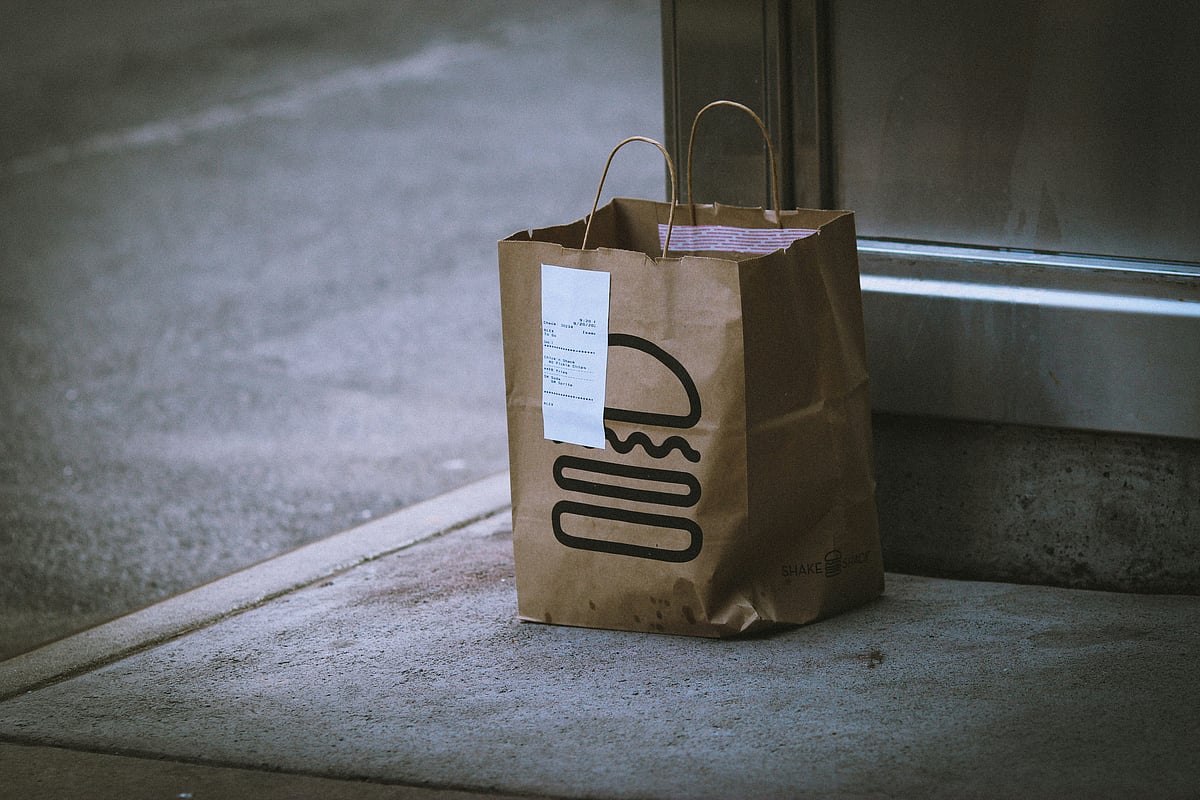
The global online food delivery market is on track to generate more than $1.5 trillion in revenue by the end of 2026, according to Statista, with projections reaching $2.05 trillion by 2031. What started as a niche convenience has become a massive global industry, with platforms like Uber Eats, Zapp, Just Eat, and Deliveroo competing for dominance in markets such as the UK. As the sector prepares for another five years of aggressive expansion, food delivery companies are turning to data-driven technologies to win customer loyalty and increase market share.
Turning Customer Data into a Competitive Edge
Food delivery firms are no longer relying on generic marketing. Instead, they are analyzing customer behavior to deliver more personalized and intuitive experiences. Deliveroo, for example, uses Amazon Web Services’ machine learning tools to understand real-time ordering patterns. By leveraging Amazon SageMaker, the company builds and deploys ML models that process historical order frequency, price points, and cuisine preferences, generating a unique restaurant feed for each user. This approach enables targeted marketing campaigns and keeps customers engaged far longer than traditional blanket promotions.
The same pattern appears across other web-based industries. In iGaming, for instance, platforms tailor promotions to new customers or those who play at specific times, such as after 6 PM. Food delivery has adopted this playbook, using business intelligence (BI) to anticipate when a customer might order again and issuing special offers or milestone rewards that build brand affinity.
Building a User-Centric Experience
Rather than sending the same email to every subscriber, platforms are using BI to connect with customers on a more personal level. DoorDash developed a unified consumer memory BI engine that monitors long-term behavior, including dietary habits and average basket size. The system identified valuable patterns, such as a user’s tendency to try a new cuisine on a particular day of the week.
This long-term memory powers DoorDash’s AI assistant, Ask DoorDash. During a chat session, the assistant retrieves stored preferences in real time, allowing it to build personalized grocery carts or suggest meals. By combining this long-term memory with real-time session intent, DoorDash reported a 24% increase in grocery checkout conversions and a 17% rise in basket sizes.
Uber Eats is also pushing the boundaries of personalization. The company applies graph learning, an advanced form of machine learning, to map complex relationships among users, dishes, and restaurants. By analyzing millions of order patterns, Uber Eats uncovers specific taste preferences and suggests cuisines or local venues before the user even searches. The app merges these smart recommendations with real-time updates on kitchen prep times and delivery routes, driving higher order frequency and long-term customer retention.
Raw Data Is No Longer Enough
In a trillion-dollar market expected to grow exponentially, raw data alone cannot deliver the level of personalization consumers now expect. By combining business intelligence and machine learning, food delivery companies are moving away from static menus toward intuitive, context-aware experiences that respond to individual habits and preferences. The winners in this space will be those that can turn data into meaningful, real-time actions that keep customers coming back.