
Tag: Diabetes Care

  • How Continuous Glucose Monitoring Data Enables Personalized Diabetes Care

    How Continuous Glucose Monitoring Data Enables Personalized Diabetes Care

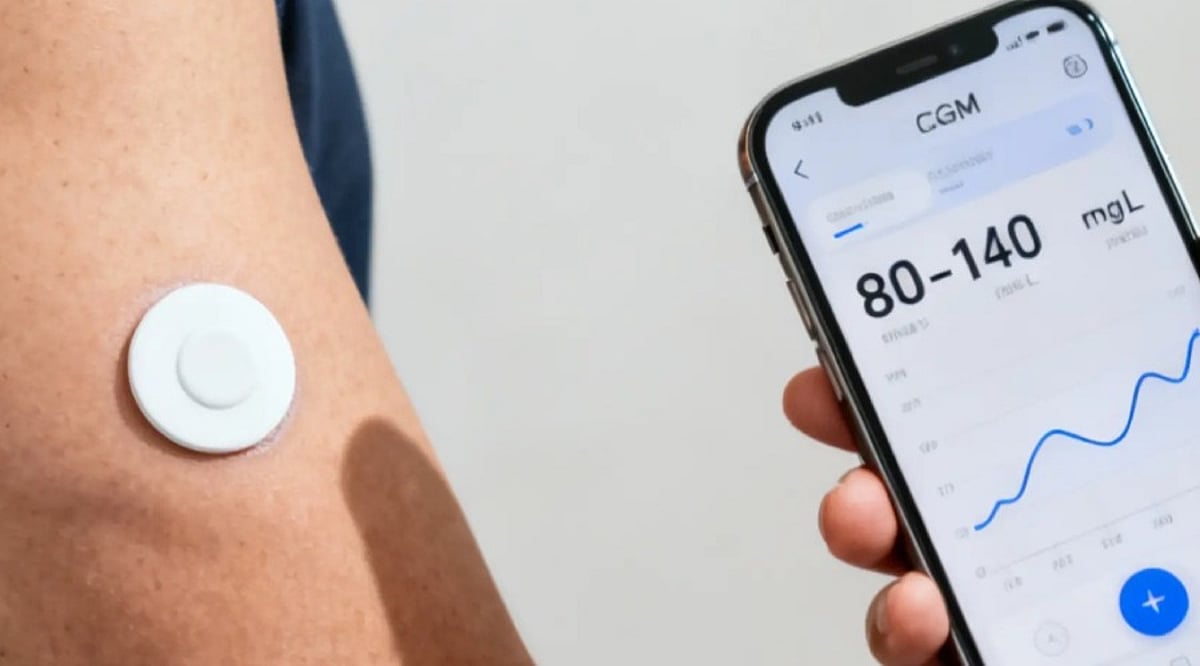
    Continuous glucose monitoring (CGM) is revolutionizing diabetes management by providing real-time glucose data that goes beyond traditional A1C measurements. Clinicians now use metrics such as Time in Range (TIR), Time Below Range (TBR), Time Above Range (TAR), and the Ambulatory Glucose Profile (AGP) to tailor treatments to individual patient needs. AI-powered analytics, electronic health record (EHR) integration, and remote patient monitoring further enhance clinical decision-making and improve patient outcomes.

    Understanding CGM Data Through the Ambulatory Glucose Profile (AGP)

    Rather than sifting through thousands of raw readings, healthcare providers rely on the AGP—a standardized report that condenses two to four weeks of CGM data into a single visual snapshot. The AGP overlays daily glucose curves into percentile bands, making patterns such as overnight dips or afternoon spikes immediately apparent. This format, supported by the ATTD consensus and incorporated into the American Diabetes Association Standards of Care, streamlines interpretation. However, providers first verify sensor wear time and data completeness to ensure the report accurately reflects the patient’s glucose behavior.

    Key CGM Metrics: Time in Range, GMI, and Glucose Trends

    Time in Range—the percentage of time glucose stays between 70 and 180 mg/dL—has become a cornerstone metric alongside A1C. Most adults with diabetes aim for at least 70% of the day within this window, though targets vary based on age, pregnancy, comorbidities, and hypoglycemia risk. Clinicians also examine Time Below Range to catch hypoglycemic episodes that A1C can miss, especially in insulin users, and Time Above Range to identify sustained hyperglycemia that increases long-term complication risk. The Glucose Management Indicator (GMI), a CGM-derived estimate of A1C, provides additional context when it diverges from lab results, prompting further investigation into factors like altered red blood cell turnover or glucose variability.

    Personalizing Treatment Plans with CGM Data

    Once patterns are identified, treatment becomes highly individualized. For example, repeated overnight lows may lead to adjustments in basal insulin dosing rather than a blanket increase. High fasting glucose with stable overnight levels often signals the dawn phenomenon, managed by altering medication timing rather than dosage. Post-meal spikes can be addressed through meal timing, dietary changes, or faster-acting insulin. CGM data also guides medication selection by matching glucose patterns to drug mechanisms. Multidisciplinary teams—including endocrinologists, diabetes educators, pharmacists, and dietitians—collaborate using the same data to craft a cohesive plan around the patient’s unique trends.

    AI, EHR Integration, and Remote Monitoring Enhance CGM Data Management

    The sheer volume of CGM data presents a challenge, but technology offers solutions. EHR integration via FHIR-based device connections pulls CGM data directly into patient charts, allowing providers to view trends without switching platforms. Decision-support software uses pattern recognition to flag issues like nocturnal hypoglycemia before they escalate, and some platforms now send predictive alerts ahead of low events. Population dashboards enable providers to scan entire patient panels and prioritize those needing immediate attention. Remote monitoring shifts care from reactive quarterly visits to proactive outreach—clinicians can review data between appointments and intervene early via phone calls or portal messages when concerning trends emerge.

    Strengthening Patient Engagement and Shared Decision-Making

    CGM data also transforms the patient-provider dialogue. Both parties can view the same AGP and discuss specific events—a glucose spike after lunch or a dip during exercise—making treatment decisions more transparent and collaborative. When patients understand the rationale behind adjustments, they are more likely to adhere to changes and sustain self-management efforts.

    Future Directions: Predictive Alerts and Automated Insulin Delivery

    As CGM technology evolves, it moves beyond passive monitoring to active treatment. Predictive hypoglycemia alerts can warn patients and providers before dangerous lows occur, while automated insulin delivery systems already use CGM data to adjust insulin in real time. AI-powered analytics and digital therapeutics promise to make these systems even smarter. As these technologies become standard in clinical care, diabetes management is shifting from a reactive approach to a proactive, data-driven model that emphasizes continuous, personalized care.
  • How Continuous Glucose Monitoring Will Evolve by 2030: AI, Automation, and Beyond

    How Continuous Glucose Monitoring Will Evolve by 2030: AI, Automation, and Beyond

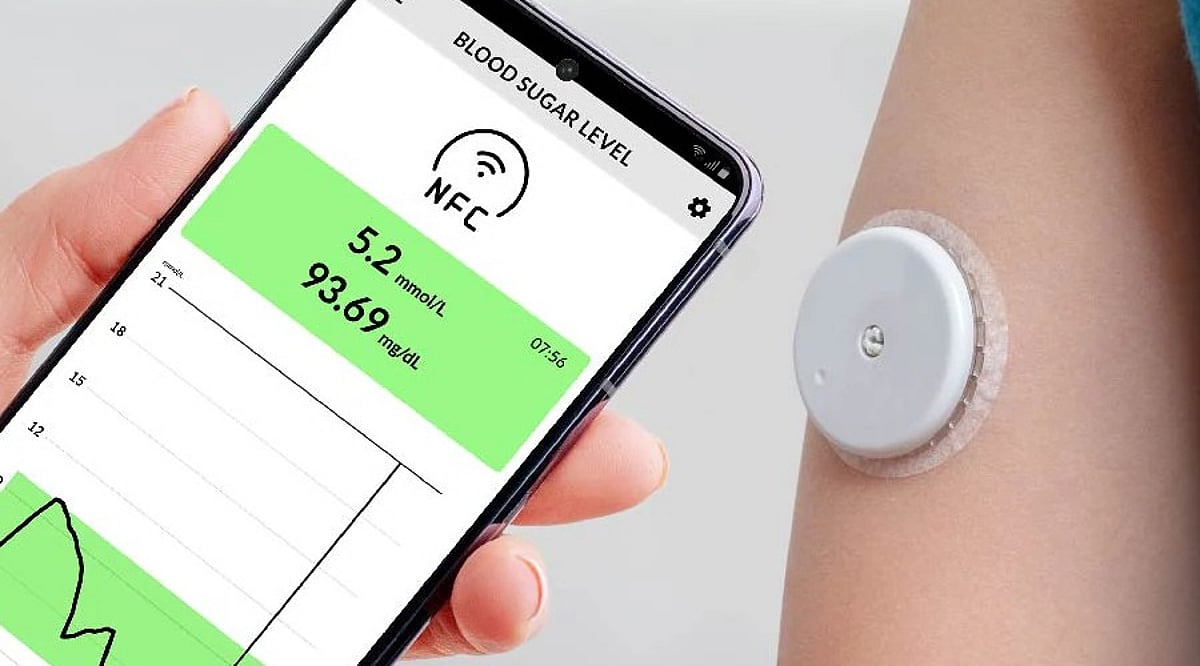
    Continuous Glucose Monitoring (CGM) has moved far beyond its origins as a niche tool for Type 1 diabetes management. Today, it is widely adopted by individuals with Type 2 diabetes, healthcare professionals, athletes, and health-conscious consumers seeking deeper insights into metabolic health. As technology accelerates, the next five years promise to expand both the capabilities of CGMs and the range of people who benefit from them. By 2030, these devices are expected to become smaller, smarter, and more connected, with artificial intelligence (AI), wearable ecosystems, and automated insulin delivery playing a much larger role. This article explores the key trends shaping the future of CGM.

    From Monitoring to Predicting Blood Sugar Trends

    Current CGM devices notify users when glucose levels change. However, future systems will likely predict changes before they occur. AI-enhanced algorithms will analyze glucose data alongside diet, physical activity, stress, sleep patterns, and medication history. This will enable proactive warnings and personalized recommendations, helping users prevent extreme glucose fluctuations rather than simply reacting to them.

    Artificial Pancreas Systems Become More Autonomous

    Closed-loop insulin pumps, often called artificial pancreas systems, are already in use but still require manual meal input or adjustments in some scenarios. By the end of the decade, these systems are expected to become fully automated, regulating insulin delivery based on real-time CGM data with minimal user involvement. Researchers are also exploring dual-hormone systems that administer both insulin and glucagon, offering better glucose control while reducing the risk of hypoglycemia.

    Smaller Sensors, Longer Wear, and Less Discomfort

    Sensor technology is advancing rapidly. Most current CGMs need replacement every 10–15 days, though implantable versions already last months. Future sensors will be thinner, more comfortable, and capable of operating far longer without sacrificing accuracy. Non-invasive methods—measuring glucose from sweat, tears, or saliva—are also under investigation. While still in development, these breakthroughs could eliminate the need for needle-based sensors altogether.

    Beyond Glucose: A Broader Health Picture

    Next-generation wearables will track more than glucose. Researchers are designing sensors that simultaneously measure ketones, lactate, cortisol, hydration, inflammation, and other metabolic markers. Combined with data from smartwatches—heart rate, sleep quality, activity levels—CGMs will provide a comprehensive snapshot of an individual’s health, enabling more personalized treatment plans and deeper insights into daily metabolic responses.

    Expanding Beyond Diabetes Care

    Although CGMs were developed for diabetes management, their applications continue to grow. People with prediabetes use them to identify glucose-raising foods and behaviors. Athletes leverage CGM data to optimize training and performance. Scientists are also exploring their role in weight management and early detection of metabolic conditions. However, current evidence does not yet support routine CGM use for healthy individuals without a medical need.

    Affordability and Access Remain Major Challenges

    Despite rapid innovation, widespread adoption depends on overcoming significant barriers. High device costs, limited insurance coverage, data security concerns, and uneven access to healthcare continue to hinder uptake in many regions. Regulatory approvals and clinical evidence will also determine how quickly new technologies reach patients. At the same time, improvements in sensor precision, reduced latency, and seamless connectivity with phones, smartwatches, and telehealth platforms are making CGMs more practical and user-friendly.

    The Road to 2030

    Continuous glucose monitoring is entering a new chapter. By 2030, these tools will act less like passive monitors and more like intelligent health companions—anticipating glucose fluctuations, automating treatments, and delivering personalized insights. Not every innovation will become mainstream by the end of the decade, but the direction is clear: diabetes care is becoming more connected, data-driven, and proactive. For millions living with diabetes and for many others seeking to improve metabolic health, the next generation of CGMs promises simpler, more precise, and less intrusive daily management.