
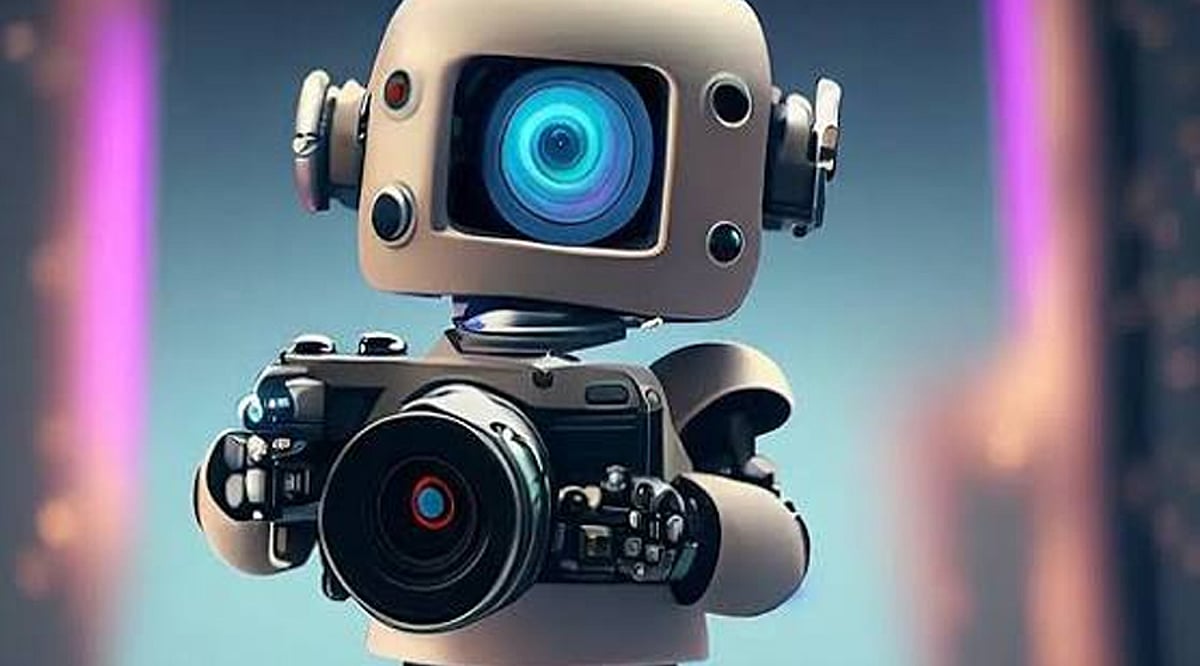
Photography was once a painstaking chemical process. Each roll of film offered only a limited number of exposures, and photographers had to wait until development to see their results. Every shot demanded careful exposure and composition, because mistakes could not be corrected in an instant.
The arrival of digital cameras fundamentally changed this. By replacing film with CCD and CMOS sensors, light was converted into electronic data, allowing images to be stored as digital files. LCD screens provided instant previews, enabling photographers to check, delete, and retake shots immediately.
Memory cards replaced film rolls, offering unprecedented flexibility. Instead of carrying and developing multiple rolls, photographers could store hundreds or even thousands of images. Digital files could be edited, copied, shared, and backed up with ease.
As sensors and processors improved, cameras became smarter. Higher resolution, better low-light performance, autofocus, image stabilization, HDR, and noise reduction expanded what photographers could capture. Software editing also moved many traditional darkroom tasks into tools like Photoshop and Lightroom.
Now, AI is taking digital photography another step forward. Computational photography combines multiple frames to reduce noise, improve dynamic range, and capture more detail. Modern systems can also recognize scenes and subjects to make smarter adjustments automatically.
AI has also transformed photo editing. Intelligent tools can recognize subjects, remove unwanted elements, improve images, and automate complex adjustments. This makes advanced editing accessible to everyday users, not just experienced photographers.
From film to digital and now AI, photography has shifted from a chemical process to a computational one. Technology has made images faster and easier to create, but it has also raised a new question: where does photography end and AI-generated imagery begin?