
Tag: digital rupee

  • Why the RBI Warns Private Cryptocurrencies Threaten Emerging Economies Like India

    Why the RBI Warns Private Cryptocurrencies Threaten Emerging Economies Like India

    The Reserve Bank of India (RBI) has reiterated its warning that private cryptocurrencies pose significant risks to emerging economies like India. In its latest comments before a parliamentary standing committee, the central bank underscored that virtual digital assets (VDAs) should not receive legal recognition as they could undermine the country’s financial system.

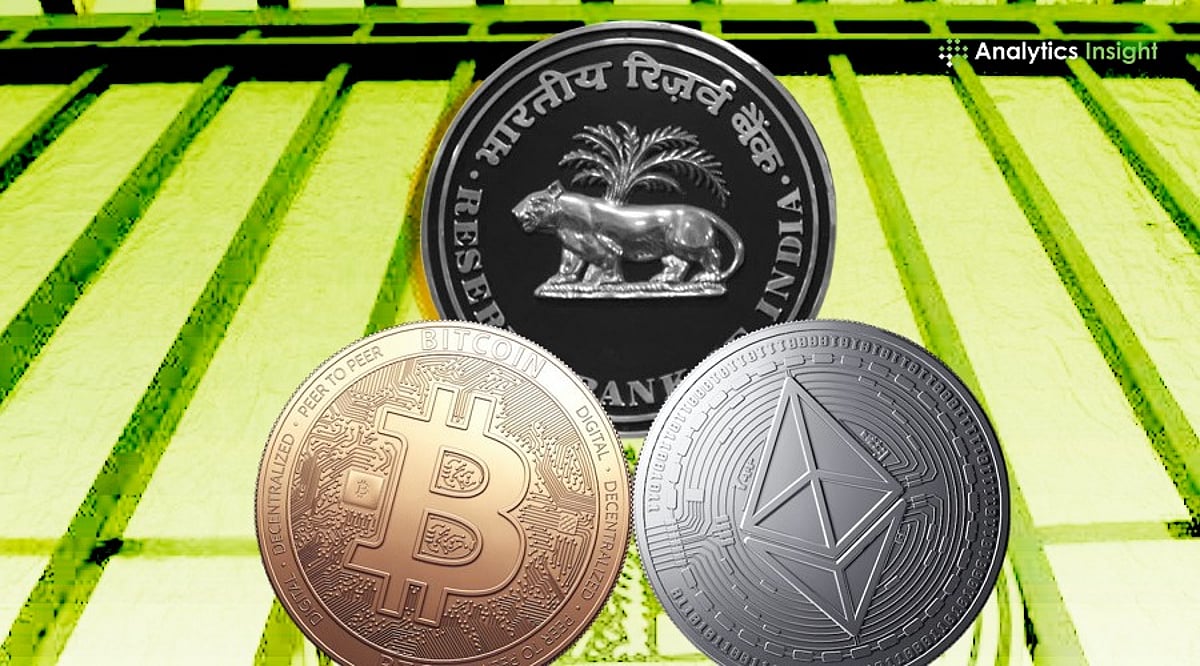
    According to RBI officials, private cryptocurrencies operate outside the control of India’s financial system, creating risks that are difficult to manage. The central bank supports strict restrictions rather than full legal approval, emphasizing that innovation is welcome only when it protects the economy.

    Loss of Control Over the Economy

    One of the RBI’s primary concerns is the potential loss of control over India’s monetary system. Central banks manage money supply, interest rates, and inflation to maintain economic stability. If cryptocurrencies become widely used for savings or payments, fewer people may rely on the Indian rupee, reducing the RBI’s ability to implement effective monetary policy. This risk is amplified if foreign stablecoins gain acceptance, as they are tied to currencies like the US dollar rather than the rupee.

    Financial Stability Risks

    The RBI warns that cryptocurrencies can cause financial instability due to their extreme price volatility. A digital asset may surge in value one week and plummet the next, leading to heavy investor losses. If a large portion of household savings shifts into cryptocurrencies, a market downturn could reduce consumer spending and savings, affecting the broader economy. Unlike bank deposits, cryptocurrencies lack government backing or deposit insurance, leaving investors unprotected if a platform fails or a token collapses.

    Illegal Transactions and Tax Compliance

    Another major concern is the facilitation of illegal activities through cryptocurrencies. Cross-border transactions and offshore exchanges make it difficult for authorities to track money movements, potentially enabling money laundering, tax evasion, and financing of unlawful activities. Even when suspicious transactions are identified, enforcement is challenging if the platform is based abroad.

    India taxes cryptocurrency profits at 30%, with a 1% Tax Deducted at Source (TDS) on many transactions. However, tax compliance remains weak. Despite nearly 39 million crypto holders and digital assets worth $2.1 billion as of May 2026, fewer than 25% of traders correctly reported their holdings in 2022-23. Offshore exchanges and private wallets exacerbate this issue.

    Greater Vulnerability of Emerging Economies

    The RBI believes developing countries face higher risks than advanced economies. India’s financial system relies heavily on banking for economic growth. A shift of household savings from banks to cryptocurrencies could reduce deposits, limiting loans to businesses and consumers. Additionally, investments in foreign-backed digital assets may pressure the Indian rupee, especially during economic uncertainty.

    Digital Rupee as the Preferred Alternative

    Instead of supporting private cryptocurrencies, the RBI promotes the Digital Rupee (e₹), India’s Central Bank Digital Currency (CBDC). Unlike private digital assets, the Digital Rupee is issued and backed by the RBI, offering digital payment speed and convenience while maintaining official monetary oversight. This approach allows financial innovation without exposing the economy to the uncertainties of private crypto assets.

    With nearly 39 million Indians holding virtual currencies worth $2.1 billion, the debate over cryptocurrency regulation is crucial. The RBI continues to advocate for financial innovations that ensure stability as India advances its digital economy.
  • RBI Warns Against Crypto Legalization, Citing Threats to India’s Financial Stability

    RBI Warns Against Crypto Legalization, Citing Threats to India’s Financial Stability

    The Reserve Bank of India (RBI) has firmly opposed the legalization of virtual digital assets (VDAs), warning that cryptocurrencies pose significant risks to the country’s monetary and financial stability. During a parliamentary briefing on Thursday, the central bank urged lawmakers to maintain the prohibition on private crypto assets as India reviews its digital currency strategy.

    RBI Flags Crime Risks and Offshore Enforcement Gaps

    The Parliamentary Standing Committee on Finance examined virtual digital assets and possible policy responses during its seventh meeting on the subject. BJP lawmaker Bhartruhari Mahtab chaired the session, which included representatives from the RBI and the Institute of Chartered Accountants of India (ICAI). The meeting also reviewed progress in India’s central bank digital currency pilot, commonly known as the digital rupee.

    The RBI told the panel that privately issued digital assets create complex regulatory, tax, and enforcement challenges. It also warned that criminals could use digital money for terror financing, narcotics smuggling, and other illegal activities. The central bank said offshore crypto entities remain difficult for Indian authorities to track, as cross-border platforms can operate outside domestic oversight.

    To support its position, the RBI cited China and Qatar as countries that prohibit similar financial activities. It also noted that the European Union allows VDAs through a strict regulatory framework with extensive controls.

    “It is encouraging to see the RBI reinforce the critical distinction between speculative crypto assets and Real-World Asset (RWA) tokenisation before the Parliamentary Standing Committee on Finance,” said Edul Patel, CEO at Mudrex.

    ICAI Backs Regulation as Digital Rupee Adoption Slows

    ICAI supported a comprehensive legal framework for virtual digital assets instead of continued uncertainty. The accounting body said clear rules could improve financial reporting, compliance, and the treatment of VDAs across different business activities. It offered to research the various forms of digital assets and examine their economic characteristics to guide recognition, measurement, presentation, and disclosure standards within company financial statements.

    Mahtab said the RBI remained firmly against legalizing VDAs in India. He also noted that existing income tax rules already cover parts of the sector and allow authorities to examine related financial activity. The committee considered the slower adoption of the digital rupee compared with privately issued digital assets. Mahtab said the RBI’s digital asset had not achieved the same level of market traction.

    As a result, the panel examined possible policy measures that could expand India’s digital financial ecosystem while protecting consumers and financial institutions. Members also reviewed the need to safeguard the broader economy from emerging risks. The discussion covered taxation, enforcement, investor protection, offshore access, and stablecoin use. It also placed the digital rupee within India’s wider effort to promote financial innovation without weakening monetary control or financial stability.

    What’s Next?

    The RBI remains firmly opposed to crypto legalization, citing financial stability, offshore enforcement, and illicit finance risks. Meanwhile, ICAI supports a clear regulatory framework as Parliament reviews India’s digital asset policy. Lawmakers must now decide how to protect the economy while supporting responsible financial innovation.