
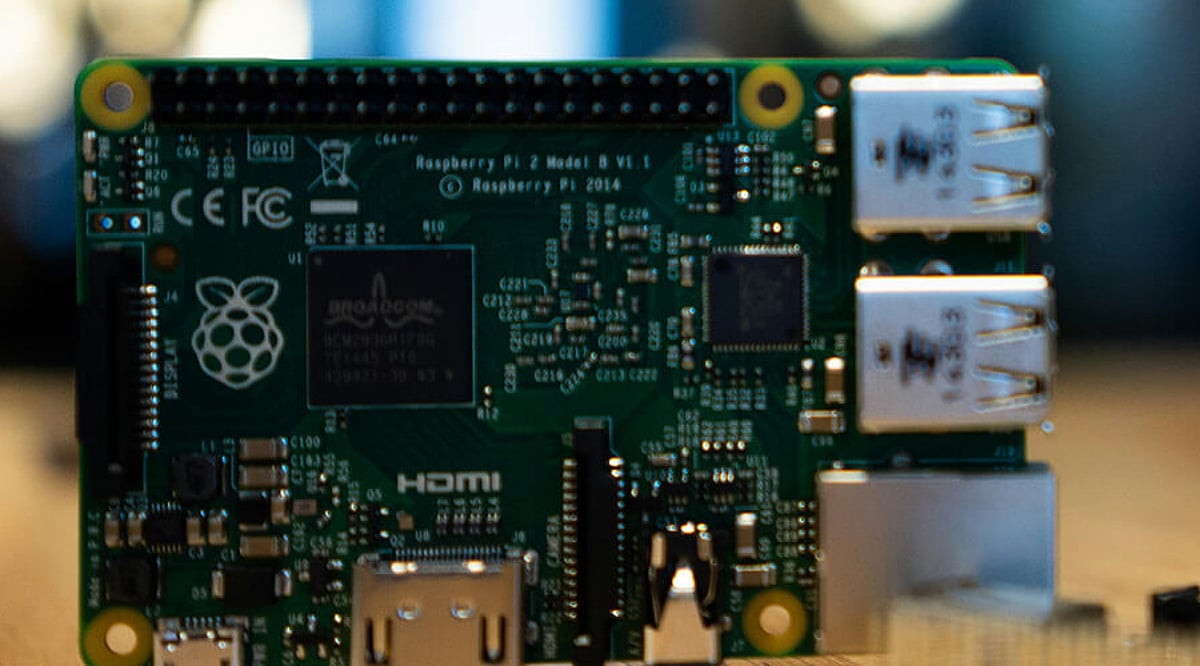
Raspberry Pi is a compact, affordable computer that can serve as the brain for a wide range of home automation projects. By connecting sensors, switches, cameras, and other devices, you can build systems that monitor conditions and trigger actions automatically. These projects not only make your home smarter but also offer a hands-on way to learn about programming, networking, and the Internet of Things (IoT). Best of all, most can be expanded as you add more devices.
1. Automated Smart Lighting
With a Raspberry Pi, you can control lights based on schedules, motion sensors, or voice commands. Motion sensors can turn lights on when someone enters a room, while timers can switch them off automatically. Using appropriate hardware and software, you can create different lighting routines for various rooms. This project provides a practical introduction to automated device control.
2. Smart Temperature Monitoring
Connect temperature and humidity sensors to your Raspberry Pi to build a home environment monitoring system. The device can collect readings at regular intervals and display them on a local dashboard. You can also configure alerts when temperatures cross selected thresholds. This project is ideal for monitoring rooms, storage areas, or any space where environmental conditions need regular observation.
3. DIY Home Security System
Pair a Raspberry Pi with cameras and motion sensors to create a basic home monitoring system. The setup can capture images or video when movement is detected and store recordings for later review. You can also add notifications to alert you of activity. Remember to implement proper network security and access controls when connecting cameras to the internet.
4. Smart Doorbell and Alerts
Build a customized smart doorbell using a button, camera, and speaker connected to a Raspberry Pi. When someone presses the button, the system can capture an image and send an alert to your phone or another device. With the right hardware and software, you can add two-way communication, motion detection, or automated responses to create a more capable setup.
5. Voice-Controlled Home Devices
With suitable software and microphones, a Raspberry Pi can become part of a voice-controlled home automation system. You can issue commands to control lights, switches, or other connected devices. This project demonstrates how voice interfaces interact with IoT hardware. Be mindful of privacy settings, especially when using microphones or cloud-based services.
Bonus: Create a Custom Automation Hub
Bring multiple projects together by using your Raspberry Pi as a central dashboard or automation platform. Connect sensors, lights, cameras, and switches, then create rules that link different devices. For example, motion detection could trigger lighting automatically. Building a central hub lets you experiment with increasingly complex smart-home routines while retaining full control over your setup.
