Tag: electric cars

  • 7 Affordable Electric Cars Under ₹20 Lakh in India for 2026

    7 Affordable Electric Cars Under ₹20 Lakh in India for 2026

    The Indian electric vehicle market continues to expand, with several compelling options available under ₹20 lakh in 2026. Here are seven standout models offering a mix of range, features, and value for various driving needs.

    Tata Punch EV

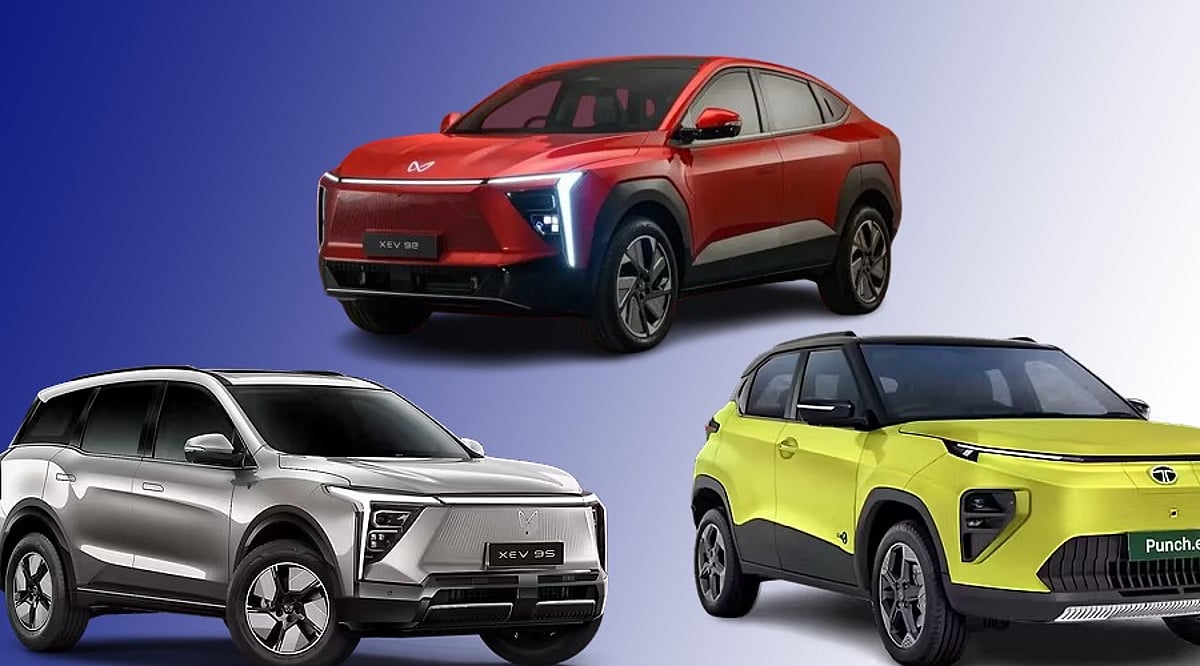
    Starting at around ₹9.69 lakh, the Tata Punch EV remains one of the most accessible electric SUVs in India. It offers two battery options: 30 kWh and 40 kWh. The larger battery delivers a claimed range of up to 468 km, making it suitable for city commutes and occasional highway trips.

    Tata Nexon EV

    Priced from approximately ₹12.49 lakh, the Tata Nexon EV blends a compact SUV design with solid range and practical features. Battery choices include 30 kWh and 45 kWh packs, with the larger unit offering a claimed 489 km range.

    MG Windsor EV

    The MG Windsor EV features a spacious cabin and crossover styling. Its 52.9 kWh battery version achieves a claimed range of up to 449 km. Prices start around ₹14 lakh, with top variants staying under ₹20 lakh depending on the purchase plan.

    Mahindra XUV 3XO EV

    Mahindra’s electric compact SUV uses a 39.4 kWh battery with a claimed range of up to 456 km. Starting at ₹13.89 lakh, it comes equipped with Level 2 ADAS, connected car technology, and a premium audio system.

    Maruti Suzuki e Vitara

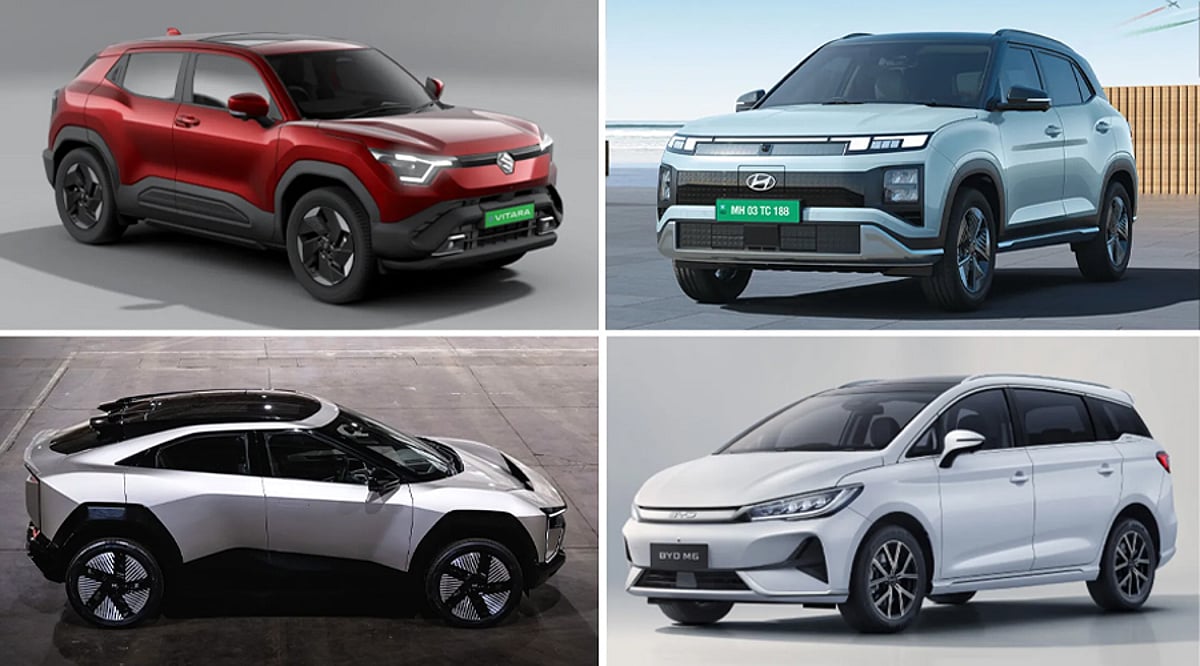
    The Maruti Suzuki e Vitara brings the brand’s familiar SUV DNA to EVs, available with 49 kWh and 61 kWh battery options. The larger pack claims up to 543 km range. Entry variants start around ₹15.99 lakh, fitting comfortably within the budget.

    Tata Tiago EV

    For those seeking an affordable city EV, the Tata Tiago EV starts at just ₹6.99 lakh. It offers 19.2 kWh and 24 kWh batteries, with claimed ranges of 226 km and 285 km respectively—ideal for daily urban driving.

    Mahindra BE 6

    The performance-focused Mahindra BE 6 starts at roughly ₹19 lakh, with battery variants that can deliver a claimed range up to 683 km. Its modern styling, strong performance, and tech-rich cabin make it a feature-packed choice near the budget ceiling.
  • Top 5 Budget-Friendly Electric Cars to Watch in 2026

    Top 5 Budget-Friendly Electric Cars to Watch in 2026

    Electric cars are becoming more accessible, with several affordable models now targeting everyday drivers. These vehicles prioritize practical range, simple interiors, and low running costs. However, the cheapest sticker price doesn’t always mean the best value—buyers should consider range, charging speed, safety, and equipment. Here are five affordable electric cars worth considering in 2026.

    Dacia Spring

    Dacia Spring remains one of Europe’s most affordable electric cars. Its compact size is ideal for urban driving, and its small battery and modest motor keep costs down while improving efficiency around town. The cabin is basic but offers essentials for city commuters. It’s a great choice for short daily trips where luxury isn’t a priority.

    BYD Dolphin Surf

    BYD Dolphin Surf (known as the Seagull in some markets) brings affordable electric driving to a wider audience. This small hatchback combines a compact body with modern electric technology and a more sophisticated interior than many budget EVs. Battery options provide varying ranges, allowing buyers to balance cost and driving distance. BYD’s strong reputation in battery tech gives the Dolphin Surf an edge in this segment.

    Citroën ë-C3

    Citroën ë-C3 offers familiar hatchback practicality with electric power. Its design feels like a conventional car, making the transition to electric easier. It provides enough space for everyday family use, and its comfortable suspension is a major selling point. Range varies by battery and market configuration, with the longer-range version suitable for occasional highway trips.

    Leapmotor T03

    Leapmotor T03 is a tiny, city-focused electric hatchback that excels in tight spaces. Its compact dimensions make parking and navigating busy streets a breeze, while packing more technology than its size suggests. Pricing is highly competitive in markets where Leapmotor operates, but buyers should verify local service support before purchasing.

    Hyundai Inster

    Hyundai Inster sits slightly above the cheapest EVs but offers a more complete package. Its compact dimensions hide a surprisingly flexible interior, configurable for various passenger and cargo needs. The Inster provides useful driving range and supports faster charging than many budget rivals. Hyundai’s established dealer network adds long-term ownership confidence.

    What Budget EV Buyers Should Check

    The purchase price is only part of the equation. Consider insurance, charging, servicing, and battery coverage. Home charging can significantly reduce running costs, while public charging may be more expensive. Battery warranties, local service availability, and government incentives also affect the final expense. Range figures should be evaluated based on driving conditions—cold weather, highway speeds, and heavy A/C can reduce range.

    Bottom Line

    Affordable EVs are becoming more competitive, with choices ranging from the super-budget Dacia Spring to the more rounded Hyundai Inster. Prices and availability vary by country, but these models show that electric mobility is increasingly within reach for everyday drivers.

  • Longest-Range Electric Cars of 2025: Top EVs That Go the Distance

    Longest-Range Electric Cars of 2025: Top EVs That Go the Distance

    Electric vehicles continue to push boundaries with ever-increasing driving ranges, making long-distance travel more practical than ever. Here are the top electric cars that offer the longest driving ranges, combining efficiency, luxury, and cutting-edge technology.

    Lucid Air Grand Touring

    Delivers an exceptional driving range exceeding 500 miles, making it one of the longest-range production electric cars available globally.

    Mercedes-Benz EQS 450+

    This luxury electric sedan offers remarkable efficiency, premium comfort, and an impressive range suitable for long-distance highway driving with confidence.

    Tesla Model S Long Range

    Combines rapid acceleration, advanced technology, Supercharger access, and outstanding range for convenient long-distance electric travel across extensive networks.

    Chevrolet Silverado EV RST

    Electric pickup provides excellent range while delivering strong towing capability, practicality, and advanced technology for work and recreational adventures alike.

    GMC Sierra EV Denali

    Premium electric truck offers luxurious interiors, impressive driving range, innovative features, and practical utility for demanding everyday transportation needs.

    Rivian R1S Max Pack

    Large electric SUV balances adventure-ready capabilities, spacious seating, off-road performance, and extended driving range for family road trips comfortably.

    Tesla Model 3 Long Range

    Popular electric sedan combines affordability, efficiency, fast charging, and excellent range, making it ideal for daily and highway driving.

    Polestar 3 Long Range

    Stylish luxury electric SUV delivers premium interiors, advanced safety systems, and competitive range with refined driving dynamics for modern buyers.

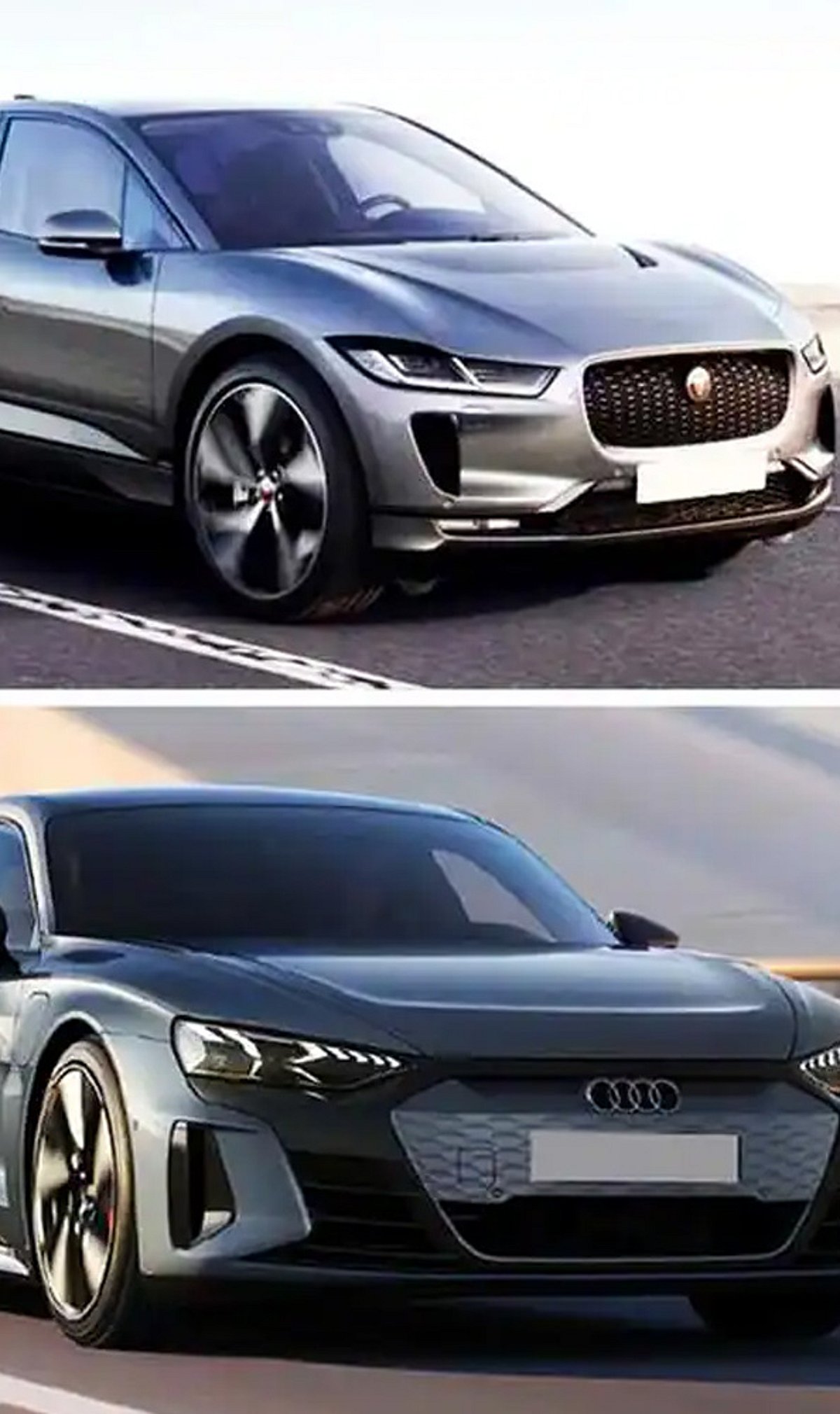
    Audi A6 e-tron Performance

    Upcoming electric sedan promises exceptional efficiency, advanced charging technology, premium comfort, and long-distance capability with modern aerodynamic design.

  • India’s Longest-Range Electric Cars: Top 9 Models for 2025

    India’s Longest-Range Electric Cars: Top 9 Models for 2025

    India’s electric vehicle (EV) market is rapidly evolving, with automakers offering increasingly impressive driving ranges. As battery technology improves and charging infrastructure expands, the choice of long-range EVs has never been broader. Whether you’re a luxury buyer, an urban commuter, or a highway traveler, there’s an electric car in India to match your needs. Below, we detail the nine electric cars boasting the longest certified ranges in the country, from premium sedans to family-friendly SUVs.

    1. Mercedes-Benz EQS 580 4MATIC – 857 km

    This flagship electric sedan tops the list with an ARAI-certified range of up to 857 kilometers. It combines cutting-edge technology with opulent luxury, making it ideal for those who demand the best in performance and comfort.

    2. Mercedes-Benz EQS SUV – 809 km

    Offering a claimed driving range of up to 809 kilometers, this luxury SUV provides spacious seating and advanced safety systems while retaining the refined electric performance expected from the three-pointed star.

    3. Mahindra BE 6 – 683 km

    Mahindra’s newest electric SUV delivers up to 683 kilometers of claimed range, blending futuristic design with strong performance and a host of advanced features tailored for long-distance driving.

    4. Mahindra XEV 9e – 656 km

    The XEV 9e combines coupe-SUV styling with a claimed range of up to 656 kilometers. It offers spacious interiors, premium technology, and everyday usability, making it a compelling choice in the segment.

    5. BYD Seal – 650 km

    BYD’s sleek sedan provides up to 650 kilometers of claimed range, featuring sporty performance, rapid charging capabilities, and a feature-rich cabin that competes with established luxury brands.

    6. Tata Harrier.ev – 627 km

    Tata’s flagship electric SUV boasts an MIDC range of up to 627 kilometers. Equipped with a dual-motor all-wheel drive system, it offers robust capability and high ground clearance for Indian road conditions.

    7. Tata Curvv.ev – 585 km

    The Curvv.ev offers up to 585 kilometers of claimed range in a coupe-inspired SUV body. It targets families with its blend of modern technology, practical electric mobility, and standout exterior design.

    8. Hyundai Creta Electric – 473 km

    Hyundai’s recently launched electric version of the popular Creta SUV provides a certified range of up to 473 kilometers. It is well-suited for daily commuting and occasional highway trips, supported by Hyundai’s extensive service network.

    9. MG Windsor EV Pro – 449 km

    The Windsor EV Pro rounds out the list with a claimed range of up to 449 kilometers. It emphasizes comfort, connected features, and a value-focused ownership experience, making it an attractive entry-level long-range EV.

    These nine electric cars represent the forefront of India’s shift toward sustainable transportation. With ranges exceeding many petrol vehicles, they prove that electric mobility is no longer a compromise but a smart choice for modern drivers.

  • Electric vs. Petrol Cars: A 2026 Cost Comparison for Daily Driving

    Electric vs. Petrol Cars: A 2026 Cost Comparison for Daily Driving

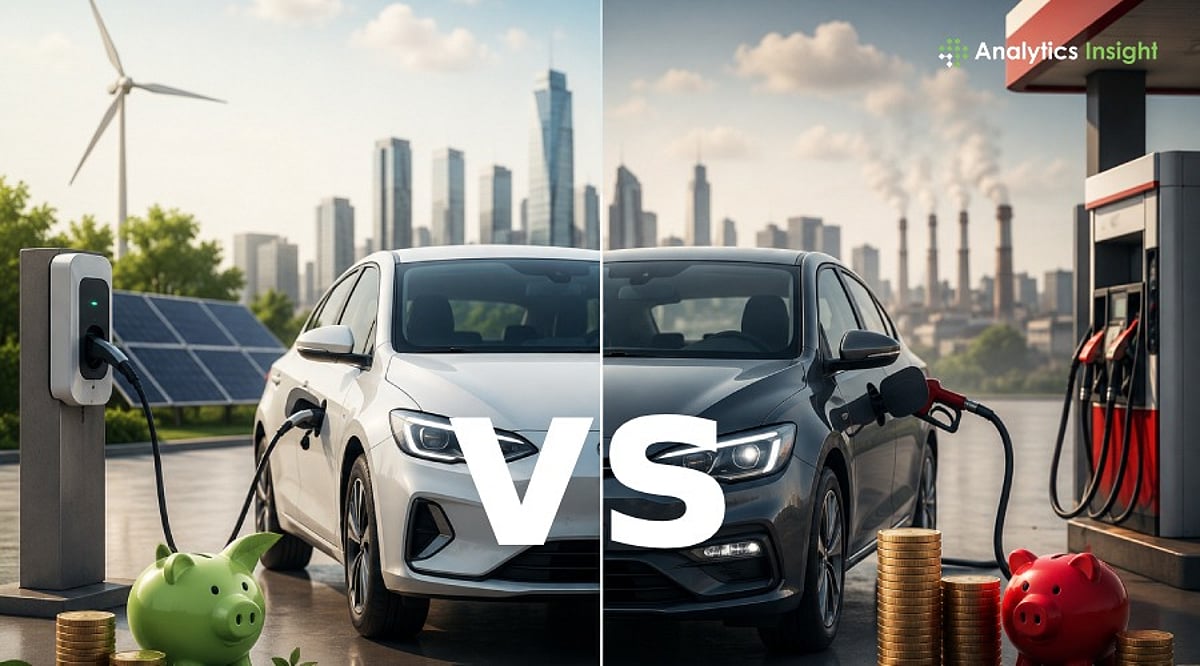
    Electric cars are more expensive upfront but offer significantly lower running costs, making them cheaper than petrol cars over time, especially for daily commutes. In 2026, the gap in total ownership costs has narrowed further, with electric vehicles (EVs) recovering their price premium within three to four years.

    Daily Cost of Driving

    Petrol prices remain near Rs. 100 per litre in many parts of India. A typical petrol car delivers about 14 km per litre, translating to roughly Rs. 7 per kilometer. In contrast, electric cars consume 15–18 kWh per 100 km. At home electricity rates of around Rs. 8 per unit, the cost drops to Rs. 1.2–Rs. 1.5 per kilometer. Even using public fast chargers, the cost stays between Rs. 2.5 and Rs. 4.5 per km — a 70–80% reduction compared to petrol.

    Yearly Fuel and Charging Expenses

    For a driver covering 15,000 km annually, petrol costs about Rs. 105,000 per year. Home-charging an electric car for the same distance costs just Rs. 20,000–Rs. 25,000. That’s over Rs. 80,000 in annual savings, a gap that widens as petrol prices rise.

    Maintenance Costs Remain Lower for EVs

    Petrol cars require regular oil changes, filter replacements, spark plug service, clutch and gearbox work, and exhaust repairs — costing Rs. 12,000–Rs. 20,000 per year. Electric cars have far fewer moving parts, no engine oil, and no exhaust system, reducing annual maintenance to Rs. 4,000–Rs. 8,000. Studies show EVs cut maintenance expenses by 40–60%.

    Purchase Price Still Favors Petrol Cars

    In 2026, a compact petrol SUV in India costs around Rs. 13–14 lakh, while a comparable electric SUV ranges from Rs. 16–18 lakh — a premium of Rs. 3–5 lakh. However, manufacturers like Tata and Mahindra are introducing lower-priced EVs, gradually closing the gap.

    Charging Infrastructure Still Creates Problems

    Petrol stations are ubiquitous, but charging stations remain limited in many areas. A June 2026 survey of Uber drivers found charging availability is now a bigger concern than vehicle price for those considering switching to EVs. Fast-charging stations also cost more than home charging, reducing savings for drivers dependent on public networks.

    Five-Year Ownership Cost Comparison

    A petrol car priced at Rs. 13.5 lakh incurs about Rs. 5 lakh in fuel and Rs. 70,000 in maintenance over five years — total approximately Rs. 19.2 lakh. An electric car at Rs. 17 lakh needs only Rs. 70,000 for charging and Rs. 25,000 for maintenance, totaling about Rs. 17.95 lakh. Despite the higher upfront cost, the EV recovers the difference within three to four years.

    Final Verdict

    Electric cars clearly cost less to run. Daily expenses are much lower, yearly fuel savings are significant, and maintenance remains minimal. Petrol cars still appeal to buyers seeking a lower purchase price and easy access to fuel stations, especially for long-distance travel. However, for regular city driving and higher annual mileage, EVs offer better long-term value. The shift toward electric vehicles continues because lower running costs have become impossible to ignore.

    FAQs

    1. Are electric cars cheaper to run than petrol cars in 2026? Yes, electric cars cost much less per kilometer because electricity remains far cheaper than petrol.
    2. How much does a petrol car cost per kilometer in 2026? A petrol car costs around Rs. 7 per kilometer based on average fuel prices and mileage.
    3. How much does an electric car cost per kilometer in 2026? An electric car usually costs between Rs. 1.2 and Rs. 1.5 per kilometer with home charging.
    4. Why do electric cars have lower maintenance costs? Electric cars have fewer mechanical parts and do not require engine oil changes, exhaust repairs, or spark plug replacement.
    5. Which car type saves more money over five years? Electric cars usually save more money over five years because charging and maintenance costs stay much lower than petrol cars.