
Tag: Electric SUV

  • Five Cars Worth Waiting for Before Diwali 2026: Key Updates and Launch Timelines

    Five Cars Worth Waiting for Before Diwali 2026: Key Updates and Launch Timelines

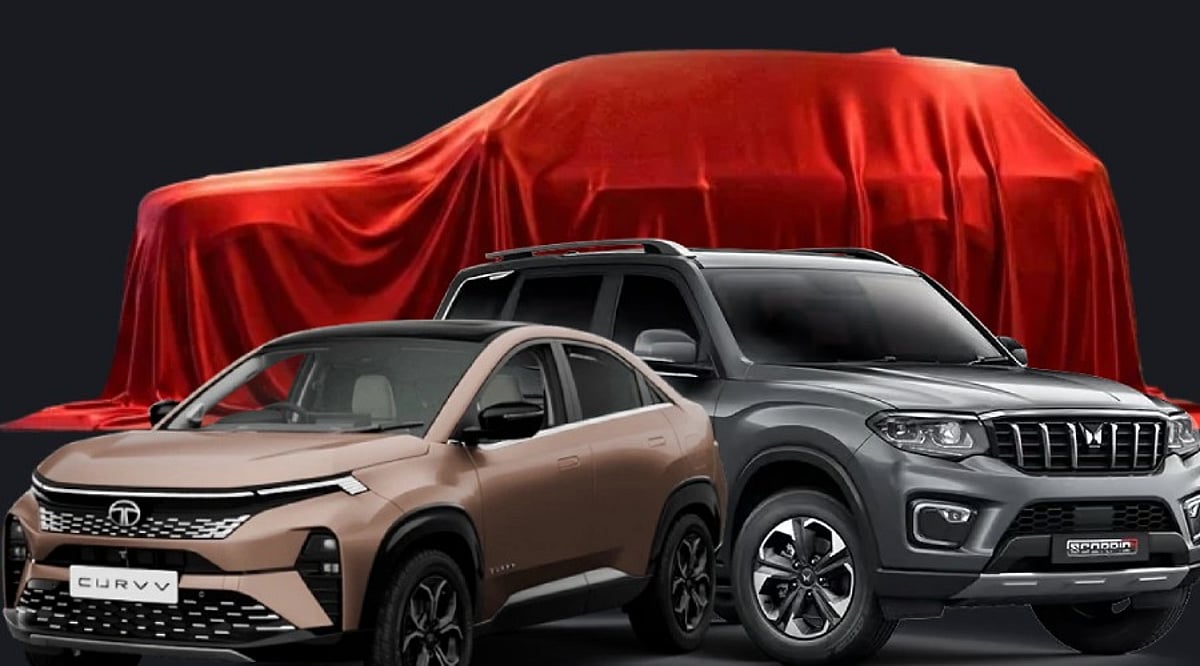
    Buying a car during the festive season can be a costly mistake if a better model arrives just weeks later. In 2026, there are more reasons than usual to hold off on a purchase. From refreshed designs to new electric and hybrid powertrains, several noteworthy launches are expected—but their timing and real impact vary. The smart approach is to evaluate which updates genuinely transform the ownership experience rather than simply add a new badge.

    Mahindra Thar Facelift

    The Thar’s update focuses more on style than mechanical changes. Expect Roxx-inspired exterior cues and a more spacious, modern cabin with a larger touchscreen. The engine and gearbox lineup is likely to remain unchanged, making this facelift ideal for buyers who already want a Thar but prefer the refreshed look. Mahindra hasn’t officially confirmed a date, but reports suggest a late-September launch ahead of the festive season.

    Volkswagen Virtus Facelift

    Sedans continue to lose ground to SUVs, which makes the Virtus update noteworthy for a different reason. Test mules have shown a revised front end along with minor cabin and equipment tweaks. What stands out is Volkswagen’s continued investment in a sedan while most rivals redirect funds toward SUVs. If you’re already leaning toward a Virtus, waiting for the October 2026 arrival makes sense rather than booking the outgoing version now.

    Tata Safari EV

    Tata is introducing a fully electric powertrain to the Safari, extending the nameplate beyond its current petrol and diesel options. This will be the brand’s first three-row electric vehicle, offering large families an SUV with zero emissions. Final pricing and specs haven’t been announced, so it’s wise to wait for official numbers rather than rely on early estimates.

    Maruti Fronx Facelift

    This is the least confirmed update on the list. Spy shots hint at styling changes and a possible equipment boost, but Maruti has yet to release official details. What makes it worth tracking is the competitive price segment it occupies—one of the most crowded in the market. Even a modest refresh could shift its standing against rivals. If you don’t have a deadline, keep it on a watchlist rather than a shortlist.

    Renault Duster Hybrid

    Renault’s strong-hybrid system pairs a 1.8-liter petrol engine with two electric motors and a 1.4 kWh battery. The company claims it can run in EV mode for up to 80% of city driving, potentially delivering substantial fuel savings for urban commuters. Hybrid deliveries are expected around Diwali. Unlike cosmetic updates, this one changes daily driving dynamics, making it the strongest case for waiting among high-mileage city buyers.

    Before Booking Anything

    Not every model on this list justifies the same wait. The Thar and Virtus updates suit buyers already set on those nameplates. The Safari EV introduces a new option for families seeking a three-row electric SUV. The Duster Hybrid offers a genuine change in running costs. The Fronx remains uncertain and should stay on a watchlist until Maruti provides more information.

    Final Thought

    A new badge on the trunk is never the real reason to wait. The stronger reason is whether the update affects something that truly matters—running cost, cabin space, or the powertrain itself. As these launches get confirmed through September and October, comparing final prices and delivery timelines will be far more important than comparing launch dates.

    FAQs

    1. Which cars are worth waiting for before Diwali 2026?
    Key upcoming models include the Mahindra Thar facelift, Volkswagen Virtus facelift, Tata Safari EV, Maruti Fronx facelift, and Renault Duster Hybrid.

    2. When is the Mahindra Thar facelift expected to launch?
    Reports point to a late-September 2026 launch, though Mahindra hasn’t officially confirmed the date.

    3. Is the Tata Safari EV launching before Diwali 2026?
    Tata has planned the Safari EV around the 2026 festive season, but final pricing, specs, and exact date are yet to be announced.

    4. Which upcoming car is best for fuel-conscious city drivers?
    The Renault Duster Hybrid is the strongest option for high-mileage city drivers, thanks to its hybrid system designed to maximize EV-mode driving in urban conditions.

    5. Should buyers wait for the Maruti Fronx facelift?
    Only those with flexible timelines should wait. The facelift has been spotted in testing, but Maruti hasn’t officially confirmed specs or timing.
  • Hyundai HE1i Electric SUV Spied Testing: 450 km Range, Pleos Connect Infotainment, and Expected Price

    Hyundai HE1i Electric SUV Spied Testing: 450 km Range, Pleos Connect Infotainment, and Expected Price

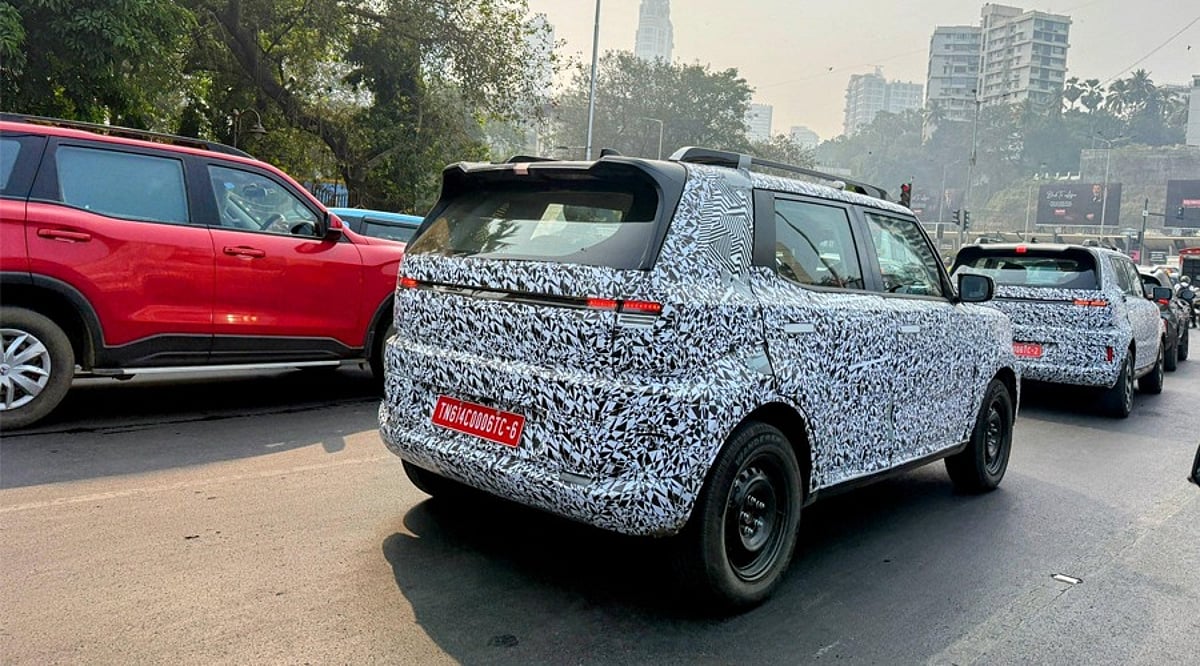
    Hyundai’s upcoming subcompact electric SUV, internally codenamed HE1i, has been spotted testing ahead of its anticipated launch in India during the fourth quarter of 2026. The A-segment EV is expected to be produced at Hyundai’s Sriperumbudur facility in Tamil Nadu, and recent spy photographs offer a closer look at its cabin and features.

    The test vehicle suggests the HE1i could feature Hyundai’s new-generation Pleos Connect infotainment system, based on Android Automotive OS. This digital platform supports a smartphone-like interface, multi-window functionality, AI-enabled voice control, and over-the-air updates. It also includes Pleos ID, a unified user profile for personalizing the cabin experience. While Hyundai has confirmed that the India-specific EV will receive a new-generation infotainment system and Level 2 assisted driving technology, the company has not officially confirmed Pleos Connect for the HE1i. However, similarities in the spy shots indicate the system may make it to the production model. The test vehicle also appeared to feature sequential turn indicators, though these may not necessarily appear on the final production-spec India-bound model.

    Under the hood, the Hyundai HE1i is expected to use the E-GMP (K) architecture, also used by the global Hyundai Ioniq 5. Reports suggest standard-range and long-range versions with battery capacities ranging from 42 kWh to 51 kWh. The expected range stands at around 450 km on a single charge, though these figures remain preliminary and require official confirmation from Hyundai.

    Expected features include wireless Android Auto and Apple CarPlay, dual-zone climate control, front-seat ventilation, a sunroof, a 360-degree camera, and additional airbags, although these remain unverified. The expected price is around Rs. 10 lakh and above, with recent reports suggesting an estimated entry-level price of Rs. 10–12 lakh, depending on battery size, localization, and variants. The Hyundai HE1i is expected to compete with the Tata Punch EV, Tata Nexon EV, Mahindra XUV 3XO EV, and Kia Syros EV.

  • Nissan Ariya Electric SUV: Comprehensive Overview of Its Design, Performance, and Market Impact

    Nissan Ariya Electric SUV: Comprehensive Overview of Its Design, Performance, and Market Impact

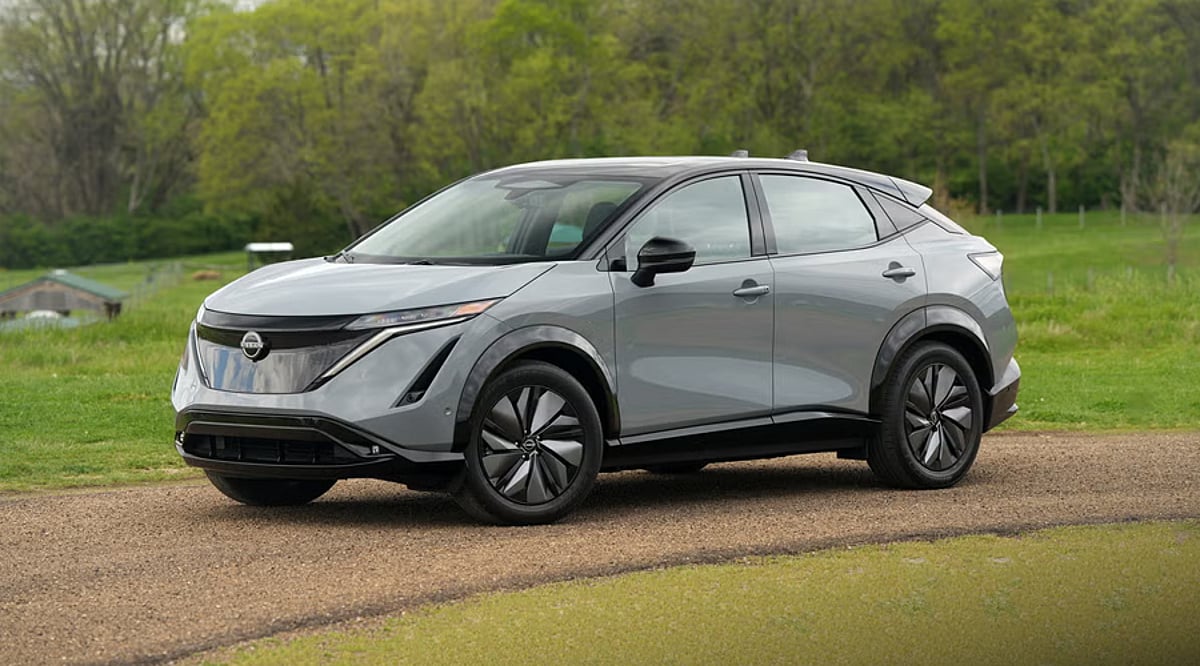
    The Nissan Ariya marks a significant step in the company’s transition to an all-electric future, blending modern design with innovative technology. As a practical SUV with electric performance, it delivers a premium driving experience. The spacious cabin, intelligent features, and efficient powertrain position the Ariya as a key player in the global electric vehicle market.

    Stylish Design Creates Strong Appeal

    The Nissan Ariya features a futuristic exterior with smooth lines, a bold front fascia, and aerodynamic enhancements. Inside, the cabin emphasizes simplicity and comfort with a minimalist layout. Premium materials, intuitive controls, and clever storage solutions create a relaxing environment for both driver and passengers during daily commutes or longer journeys.

    Electric Performance Meets Everyday Driving

    The Ariya delivers smooth acceleration and responsive handling through its electric powertrain. Various battery configurations offer options for those prioritizing efficiency or stronger performance. Instant electric torque, quiet operation, and balanced dynamics provide an enjoyable ride while maintaining the practicality expected from a modern family SUV.

    Advanced Technology Enhances the Experience

    Nissan equips the Ariya with intelligent driving aids, connected features, and advanced safety systems. Driver-assistance tools boost confidence on the road, while digital displays and smart connectivity add convenience. These technologies underscore Nissan’s commitment to merging electric mobility with modern digital experiences for everyday users.

    Range and Charging Remain Key Features

    Electric vehicle buyers often evaluate range and charging convenience before purchasing. The Nissan Ariya addresses these concerns with efficient battery options and charging support tailored for daily travel. Improved charging networks and home charging solutions continue to make electric SUVs like the Ariya increasingly practical for consumers worldwide.

    Competition Grows in Electric SUV Market

    The electric SUV segment is becoming highly competitive, with models from Tesla, Hyundai, Kia, and others. Automakers are focusing on longer range, better technology, and attractive pricing. The Nissan Ariya competes by offering a compelling mix of comfort, reliability, and electric innovation for those exploring sustainable transportation.

    Nissan Ariya Represents the EV Future

    As electric vehicle adoption rises, models such as the Nissan Ariya demonstrate how traditional automakers are adapting to evolving consumer preferences. With advanced technology, practical design, and electric performance, the SUV reflects the direction of future transportation. Nissan’s continued EV development could strengthen its position in the rapidly changing global electric vehicle market.

  • Bentley Confirms Torcal Electric SUV for September 2026 Global Debut

    Bentley Confirms Torcal Electric SUV for September 2026 Global Debut

    Bentley has officially announced that its first fully electric production model will be called the Torcal, an electric SUV set to debut globally in London on September 23, 2026. The new model expands Bentley’s lineup with a dedicated EV line while maintaining the brand’s signature luxury and craftsmanship.

    Name and Inspiration

    The Torcal name draws from El Torcal de Antequera in Andalusia, Spain, a natural landmark known for dramatic limestone rock formations, cliffs, and caves. This continues Bentley’s tradition of naming models after iconic natural sites—following the Bentayga, Bacalar, and Batur. The name also echoes the Latin word ‘torquere’ (to twist), hinting at the torque performance inherent to electric drivetrains.

    Positioning and Platform

    Bentley describes the Torcal as a ‘Luxury Urban SUV,’ smaller than the current Bentayga, and aimed at city-oriented luxury buyers. It will become the brand’s fourth main model line, joining the Continental GT, Flying Spur, and Bentayga families. Underpinning the Torcal is an advanced electric platform linked to Volkswagen Group’s Premium Platform Electric (PPE), which is also expected to underpin the upcoming Porsche Cayenne Electric. An 800-volt electrical architecture supports fast charging, with Bentley claiming the ability to add approximately 160 kilometers of range in just seven minutes under optimal conditions.

    Design and Technology

    Initial teaser images reveal a sleek SUV profile with a long roofline, slim rear lighting, and a black Bentley badge. The front end is expected to feature a closed grille design typical of EVs, along with illuminated detailing and a large curved central screen inside. While Bentley has not shared full specifications, industry reports indicate a dual-motor all-wheel-drive setup with a battery pack around 113 kWh, targeting more than 300 miles of range. Official figures will be confirmed at the September unveiling.

    Timeline and Future Plans

    The Torcal is a cornerstone of Bentley’s Beyond100+ strategy, which aims for a fully electric lineup by 2035. Market launch dates, final pricing, and detailed performance data remain under wraps until the global debut.