
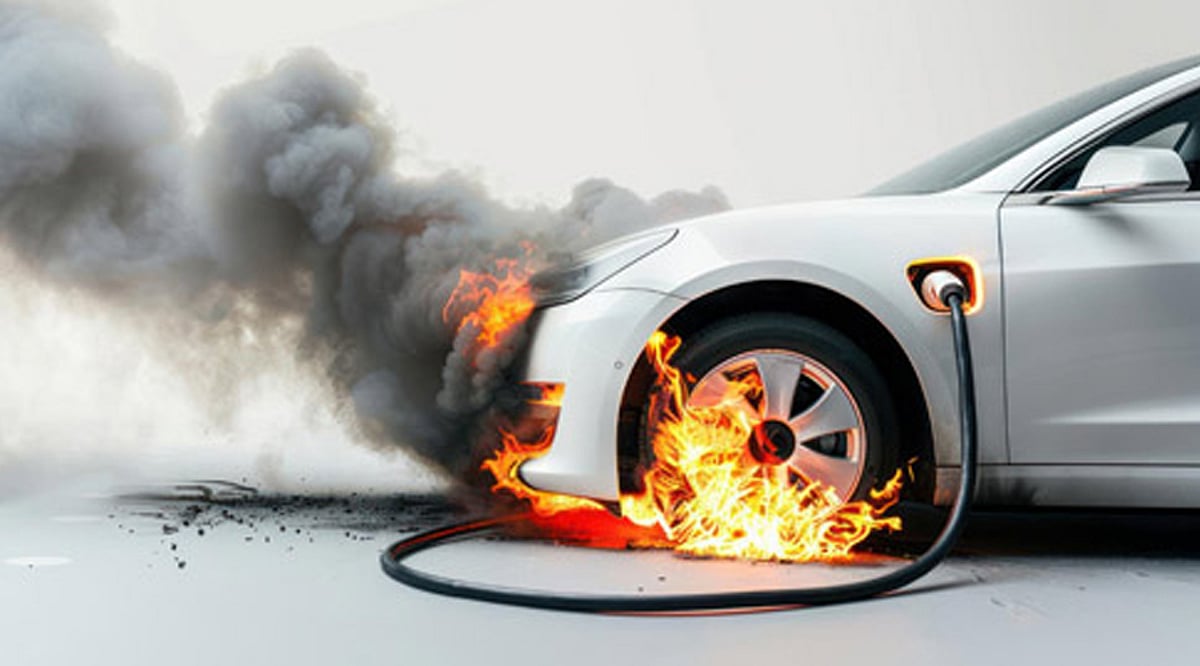
Electric vehicles are transforming the way we drive, but with high-voltage batteries comes a new set of safety responsibilities. Fires involving lithium-ion batteries are rare, but they can be intense and difficult to extinguish. Understanding how to prevent and respond to battery fires is essential for every EV owner. Here are seven critical EV fire safety rules to keep you, your passengers, and your property safe.
1. Avoid Overnight Unattended Charging
Leaving your EV plugged in and charging overnight, especially inside a garage, is risky. A fault in the battery or charging system can trigger thermal runaway while you sleep, reducing the chance of early detection and increasing the potential for a serious fire. Charge during the day when you can monitor the process whenever possible.
2. Use Certified Charging Equipment
Always use manufacturer-approved or certified chargers and cables. Cheap or uncertified adapters can overheat, short-circuit, or deliver inconsistent power, which may damage your vehicle’s battery management system. Investing in quality charging equipment is a simple and effective way to reduce fire risk.
3. Park Away From Structures
When parking your EV at home or in a public lot, keep a distance of at least 15 feet from buildings, other vehicles, and flammable materials. This buffer zone helps minimize the spread of fire if a battery incident occurs while the car is parked.
4. Monitor Battery Health Regularly
Schedule periodic battery health checks with authorized service centers. Early detection of cell degradation, imbalance, or cooling system failures can prevent dangerous thermal events. Routine maintenance is just as important for your EV’s battery as it is for the rest of the vehicle.
5. Don’t Charge After Collisions
After any accident or undercarriage impact, avoid charging your EV immediately. Hidden battery damage may not be visible, but it could short-circuit and ignite during the next charging session. Have the vehicle inspected by a qualified technician before plugging it in again.
6. Keep a Class D Fire Extinguisher
Standard fire extinguishers are ineffective against lithium-ion battery fires. Keep a Class D or lithium-ion-rated extinguisher in your garage or vehicle. These specialized extinguishers use agents designed to contain thermal runaway and help prevent the fire from spreading.
7. Know Emergency Shutdown Procedures
Familiarize yourself with your EV’s emergency power-off switch or app-based shutdown features. In the event of smoke, unusual heat, or a warning alert while driving, you need to know how to disconnect the battery quickly. Being prepared can make a critical difference in an emergency.
By following these seven EV fire safety rules, you can enjoy the benefits of electric driving while keeping safety at the forefront. Awareness and preparation are your best defenses against battery-related fires.