
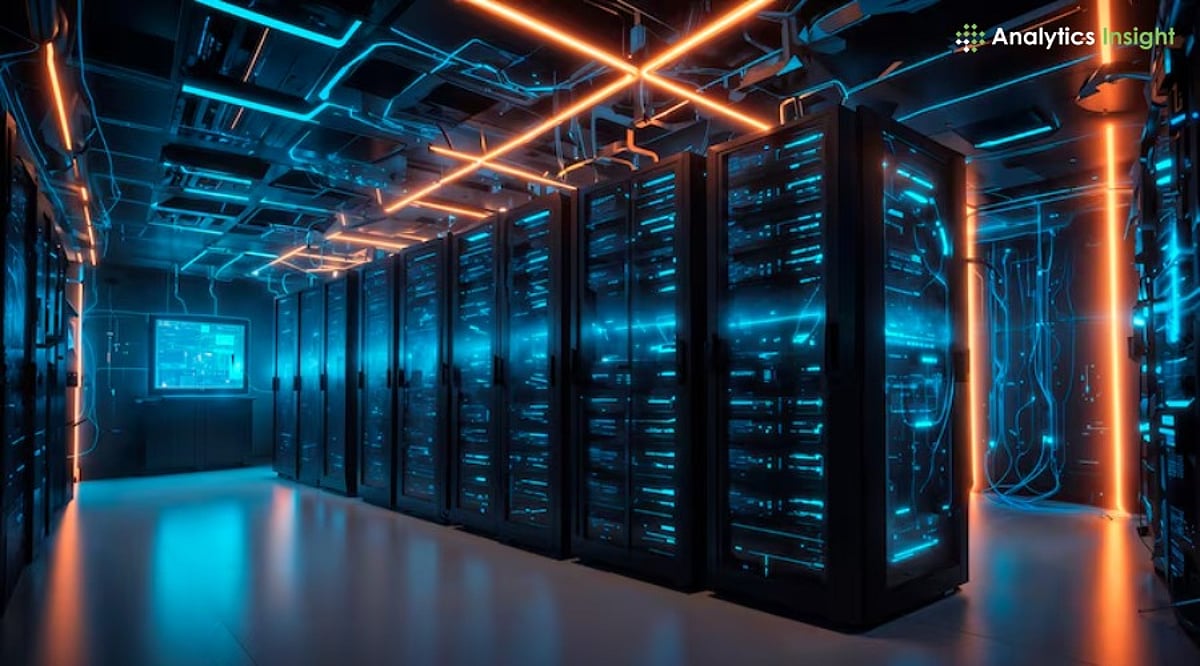
The electric utility sector, once defined by predictable demand and slow infrastructure planning, is undergoing a seismic shift. AI data centers are driving unprecedented electricity demand, forcing utilities to merge, acquire assets, and expand infrastructure at a pace the industry hasn’t seen in years. This consolidation wave is reshaping the energy sector, highlighting the growing link between AI growth, grid modernization, and long-term energy security.
The Deal That Changed the Conversation
No transaction captures this shift better than NextEra Energy’s proposed acquisition of Dominion Energy. The $66.8 billion all-stock deal would create the largest regulated utility in US history, with an enterprise value of roughly $420 billion. The logic is straightforward: Dominion controls the electricity infrastructure across Virginia’s “Data Center Alley,” the world’s largest concentration of data centers, with nearly 51 gigawatts of contracted capacity serving customers like Amazon, Microsoft, Meta, and Google. For NextEra, acquiring that footprint isn’t just about adding customers; it’s about controlling the physical infrastructure that AI companies depend on to operate.
Why Demand Growth Broke the Old Grid Planning Model
For decades, US electricity demand stayed largely flat, allowing utilities to plan incrementally and regionally. That model has become obsolete. US data center power demand is projected to rise from 75.8 gigawatts in 2026 to 134.4 gigawatts by 2030, according to 451 Research, part of S&P Global. A single hyperscale AI campus can draw as much electricity as a small city, and utilities now face years-long buildout timelines just to keep pace. Nearly 2,300 gigawatts of generation and storage projects are currently sitting in US interconnection queues, a volume that exceeds the country’s entire installed power base, underscoring the severity of the grid capacity bottleneck.
The Scale of the Dealmaking Wave
The NextEra-Dominion deal is the headline transaction, but it’s far from the only one reshaping the sector. Power and utility M&A hit $203.6 billion in just the first five months of 2026, already surpassing all of 2025 combined. Deloitte’s M&A survey found that 78% of power and utilities executives pursuing transactions cited acquisitions or mergers as their top strategic priority, reflecting how scale itself has become necessary to access capital and execute deals efficiently.
Why Scale Has Become Survival
The strategic logic driving this wave comes down to a few compounding pressures: record capital expenditure needs, balance-sheet constraints, aging infrastructure, and the sheer speed at which hyperscalers need new capacity. Smaller, regionally focused utilities increasingly can’t fund the multi-decade infrastructure buildouts AI demand requires on their own, while larger, merged entities can spread that capital burden across a bigger regulated asset base. This is also pulling private capital deeper into a sector once dominated by traditional utility holding companies, with infrastructure investors like BlackRock’s Global Infrastructure Partners and EQT now directly acquiring utility platforms rather than simply financing them.
Risks Consumers and Regulators Are Watching
Not everyone views this consolidation wave favorably. Lawmakers and consumer advocates have warned that these mergers could translate into higher electricity costs and greater market concentration, since regulated utilities typically pass infrastructure spending on to ratepayers. At least 28 states had introduced bills by mid-2026 to roll back data center-related incentives, reflecting growing political pushback in regions where AI’s power demands are colliding with local affordability concerns. The Federal Energy Regulatory Commission is also under pressure to finalize new interconnection rules, while the future pace and shape of this consolidation wave will likely hinge on how regulators balance the need for infrastructure investment against concerns over pricing power and market concentration.
Why This Matters
Artificial intelligence is becoming one of the largest new consumers of electricity. As AI infrastructure expands, utilities must invest billions in generation and transmission capacity, making consolidation a strategic necessity while raising important questions about energy affordability, competition, and long-term grid resilience.