
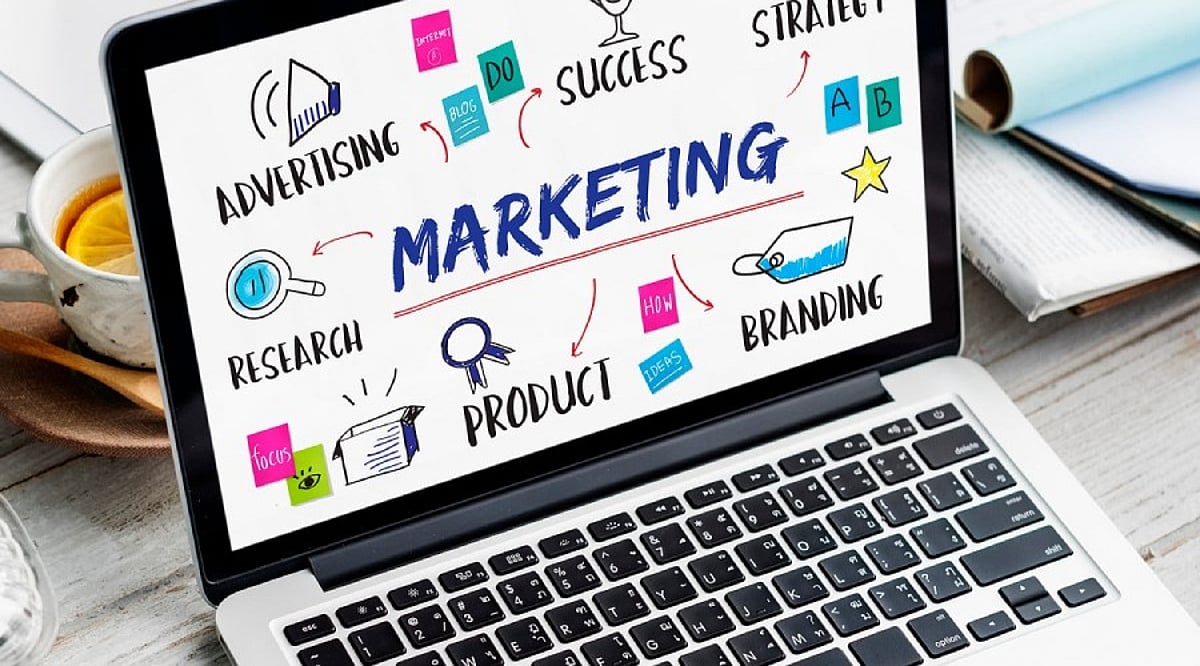
Tag: email marketing

  • Top Free Digital Marketing Tools for Small Business Growth in 2026

    Top Free Digital Marketing Tools for Small Business Growth in 2026

    Free digital marketing tools help small businesses improve visibility, strengthen customer engagement, and measure marketing performance without significant upfront costs. Choosing one reliable tool for each core function is more effective than managing dozens of apps. Consistently using them as a connected workflow creates sustainable long-term growth.

    What Separates a Useful Tool From a Distraction

    A free tool earns its place only if it clears three tests. It should solve a real bottleneck, not add a nice-to-have feature. Its free tier should stay usable for months, not function as a disguised trial. And it should take under an hour to learn well enough to use daily. Any tool failing these tests adds more mental clutter than value.

    Getting Found: Local Search and Website Visibility

    For local businesses, Google Business Profile carries more weight than almost any other free tool. It places a business on Maps, gathers reviews, and answers “Who is open nearby?” without requiring a website visit. The listing stays free indefinitely, with no hidden tier.

    Google Search Console adds a second layer for businesses running a website. It reveals which search terms already bring visitors in, flags broken pages, and shows current rankings. This tool becomes useful once a website has some traffic to measure.

    Google Trends rounds out this group as a directional signal. It shows whether interest in a topic is rising or falling, making it useful for spotting shifts rather than sizing markets.

    Building Credibility Through Design

    Inconsistent, rough visuals can make a business appear unstable. Canva’s free tier includes enough templates and brand-kit basics to keep social posts and promotional materials visually consistent. Premium features sit behind Canva’s paid tier, so the free version works well as a launch tool.

    For written content, tools like ChatGPT or Claude help draft captions and email copy faster, though every draft still needs a human pass for accuracy and brand voice before it goes out.

    Turning First-Time Buyers Into Repeat Customers

    Social platforms control their own algorithms, and reach can shift overnight. An email list belongs to the business that built it, making email marketing one of the strongest channels for nurturing repeat purchases.

    Mailchimp’s free plan covers a few hundred contacts along with basic automation. Brevo offers a strong alternative for businesses wanting more automation without hitting a contact ceiling as quickly. Businesses juggling leads and past customers across scattered spreadsheets often benefit from adding HubSpot’s free CRM tier to keep contact history organized.

    Staying Visible Without Constant Manual Posting

    Buffer’s free plan allows a handful of social channels to be queued in advance, encouraging content planning in batches for more consistent messaging. The tradeoff comes through account and post limits on the free tier, making it best suited to businesses running two or three platforms.

    Measuring What Actually Works

    Marketing without measurement amounts to a guess dressed up as a decision. Google Analytics 4 tracks where visitors originate, what they do once they arrive, and which channels lead to actual conversions. Many businesses discover that search and email drive more converting traffic than social media, reshaping where future effort goes.

    Connecting the Tools Into One System

    Used separately, these remain just apps. Combined, they form a loop. Google Trends flags what people care about. Canva turns that insight into a graphic or post. Buffer schedules it consistently. Mailchimp follows up with anyone who is engaged. GA4 and Search Console reveal what converted, feeding directly back into the next round of content. Running this loop weekly, even loosely, produces more growth than five disconnected tools ever could.

    Free tools do not replace a marketing strategy. They allow a business to execute one without needing a budget first. The businesses gaining the most from this approach are not the ones running the most software. They are the ones building a simple, repeatable system and improving it steadily over time.

    Final Thought

    The next shift in small business marketing will not come from another new app. It will come from businesses treating their existing free tools as one connected system rather than a scattered toolkit, turning what used to feel like overhead into a genuine competitive edge.

    FAQs

    1. What are the best free digital marketing tools for small businesses? Some of the best include Google Business Profile, Google Analytics 4, Google Search Console, Canva, Buffer, Mailchimp, Brevo, and Google Trends.
    2. Can free digital marketing tools help a small business grow? Yes. They enable businesses to improve online visibility, create content, engage customers, and measure performance without significant upfront costs.
    3. Which free tools are best for improving SEO? Google Search Console, Google Business Profile, Google Trends, and Google Keyword Planner are among the most effective.
    4. What should I consider when choosing free marketing tools? Choose based on business goals, ease of use, free plan features, integration with workflow, and scalability.
    5. How many digital marketing tools does a small business need? Most can start with one tool for SEO, content creation, email marketing, social media scheduling, and analytics.
  • 2026 Buyer’s Guide: Best AI Humanizer Tools for Email Marketing & Newsletters

    2026 Buyer’s Guide: Best AI Humanizer Tools for Email Marketing & Newsletters

    Why AI Humanizer Tools Are Now Essential for Email Marketing

    Email marketing has evolved dramatically. Marketers now rely on artificial intelligence to draft cold emails, write newsletters, and produce marketing copy at scale. However, AI-generated content often sounds robotic, and readers quickly detect that tone. A prospect may skip a mechanical-sounding email, subscribers might unsubscribe from generic newsletters, reply rates drop, and email filters can flag robotic copy—harming the sender’s domain reputation. This directly impacts business growth.

    As a result, many teams now treat AI humanizer tools as a standard step in their workflow. A quality humanizer does more than swap a few words; it rewrites entire sentences and paragraphs to create natural variation that passes both human readers and AI detectors. But choosing the right tool isn’t straightforward—many options exist, each with different strengths.

    This guide covers five key areas to consider before deciding on an AI humanizer. Whether you’re a small business owner sending a few emails a week or an agency managing large campaigns, the goal is the same: choose a tool with confidence.

    How These Tools Perform in the Real Market

    Humanizer tools don’t perform equally. Independent tests reveal clear gaps that carry real financial weight for email campaigns. For example, Walter Writes AI scores around 12% on Turnitin’s AI detector, while a common paraphrasing tool like QuillBot scores closer to 62%. For teams that need emails to reliably clear detection, this difference determines campaign success.

    Market data reinforces this: Walter Writes AI, Undetectable AI, and AIHumanizer.so lead the space with consistent results. Some teams report a 20% to 40% increase in reply rates after switching from raw AI text to humanized text.

    Simple tools still have a place—a basic paraphraser works for internal notes or casual social posts. But client-facing emails and major newsletters require a stronger tool built for detection avoidance and meaning retention.

    Price also factors in. A free tool like AIHumanizer.so offers 500 words per day without signup. Paid tools range from $8 to $129 per month. Most teams find that a paid humanizer costs far less than the revenue lost from weak email performance.

    Key Features That Matter Most

    When reviewing humanizer tools, focus on these five features:

    • Detection Strength: A tool that rewrites at the sentence and paragraph level outperforms one that only swaps words. Always test with your own email content before committing.
    • Meaning Retention: The rewritten email must preserve the original offer, names, and key terms. Weak tools can quietly alter details.
    • Speed: A tool should finish a rewrite within two to five minutes—most strong options now complete it in under 30 seconds.
    • Tone Control: Settings for formal, casual, academic, and professional tones let you match your brand voice.
    • Built-in Detector: Tools like Walter Writes AI include their own detector, saving time and building confidence without switching tabs.

    How Well These Tools Fit Into a Workflow

    A strong team doesn’t just pick a humanizer—it integrates the tool into its existing process without friction. A good tool handles multiple content types: cold emails, newsletters, proposals, and blog posts. Existing software matters too—teams using QuillBot can add its humanizer feature easily; those with Suites like Surfer SEO or Ahrefs may already have humanizing capabilities. Standalone options like Walter Writes AI and Undetectable AI offer maximum flexibility for teams without existing tools.

    The smartest setup uses one main tool with a speed backup. Stacking multiple humanizers adds confusion and slows down the process.

    How to Pick the Right Tool for Your Needs

    Different teams need different tools. Here’s a quick guide:

    • Small Business Owners: Walter Writes AI—free 300-word trial, no signup, built-in detector, and tone options.
    • High-Volume Teams: Undetectable AI—batch processing and bulk detection save time.
    • Tight Budget or Testing: AIHumanizer.so—500 words per day free for evaluation.
    • Agencies Managing Multiple Clients: Walter Writes AI or StealthWriter—strong detection protects client reputations.

    Final Thoughts

    AI humanizer tools now play a key role in email marketing. The real question isn’t whether to use one—it’s which tool fits your specific needs. Teams that test these tools report steady gains in reply rate, deliverability, and campaign results. A $10 monthly tool that lifts reply rates by 25% pays for itself many times over.

    Start by reviewing the five areas in this guide: the core problem, real market data, key features, workflow fit, and personal need. Then test free trials of top choices. The right tool becomes clear once you test it against real email content.

    Strong marketing teams treat humanizer tools as a standard part of their process. Skipping this step means missing a clear opportunity to improve results.

    Frequently Asked Questions

    1. What is an AI humanizer tool? It rewrites AI-generated content to sound more natural and conversational while preserving meaning, improving readability and engagement.
    2. Why should email marketers use AI humanizer tools? They help create emails that feel personal, build reader trust, increase reply rates, and reduce robotic tone.
    3. Can AI humanizer tools help with AI detection? Many advanced tools reduce detectable AI patterns by rewriting sentence structure and improving flow. Results vary by tool and detector.
    4. Are free AI humanizer tools good enough for email marketing? Free tools work for testing or small volumes; regular campaigns benefit from paid tools with better accuracy, tone control, and bulk processing.
    5. What should I look for before choosing an AI humanizer tool? Focus on detection performance, meaning retention, rewriting quality, speed, tone customization, pricing, and workflow compatibility.
  • 10 Powerful Marketing Automation Platforms to Boost Your Business in 2026

    10 Powerful Marketing Automation Platforms to Boost Your Business in 2026

    Introduction

    Modern marketing demands more than just email blasts and social media scheduling. Businesses need intelligent tools that automate repetitive tasks, track customer interactions, and deliver personalized experiences—all without overloading marketing teams. The latest marketing automation platforms leverage artificial intelligence, customer data, and smart workflows to help attract leads, nurture prospects, and drive conversions. Here are ten must-have platforms for businesses of all sizes in 2026.

    Top Marketing Automation Platforms

    1. HubSpot Marketing Hub

    HubSpot offers an all-in-one solution that combines CRM, email marketing, lead management, landing pages, analytics, and automation. Its intuitive interface makes it a strong choice for businesses of any size that want a single platform to handle all their marketing tasks.

    2. Adobe Marketo Engage

    Designed for enterprise B2B marketing, Marketo Engage excels at lead nurturing, account-based marketing, and advanced analytics. Companies with long sales cycles appreciate its robust automation capabilities.

    3. ActiveCampaign

    ActiveCampaign is ideal for small to medium businesses. Its visual automation builder lets you design personalized customer journeys, while built-in CRM keeps marketing and sales aligned throughout the buying process.

    4. Salesforce Marketing Cloud Account Engagement

    Salesforce’s tool integrates seamlessly with its CRM, enabling automated lead generation, nurturing, follow-ups, and detailed campaign performance reports.

    5. Klaviyo

    Klaviyo is a favorite among e-commerce brands. It sends personalized email and SMS campaigns based on customer behavior, helping recover abandoned carts and drive repeat sales.

    6. Brevo

    Brevo (formerly Sendinblue) provides an affordable, unified dashboard for email, SMS, WhatsApp, and other marketing communications—perfect for budget-conscious teams.

    7. Mailchimp

    Mailchimp remains one of the simplest tools to use, with pre-designed templates, easy automation, and customer segmentation. It’s great for startups and small businesses launching their first automation efforts.

    8. Customer.io

    Customer.io focuses on behavior-driven marketing, automatically sending emails, SMS, and push notifications based on how users interact with your website or app.

    9. Omnisend

    Built for e-commerce, Omnisend combines email, SMS, and web push notifications to automate messages at every stage of the customer journey, boosting retention.

    10. Braze

    Braze targets large enterprises with cross-channel communication across email, mobile apps, SMS, and push notifications, enabling sophisticated customer engagement at scale.

    Final Verdict

    Choosing the right platform depends on your business goals, budget, and customer base. Small businesses often prefer Mailchimp, Brevo, or ActiveCampaign for their ease of use, while larger organizations may opt for HubSpot, Marketo, Salesforce, or Braze for advanced features. E-commerce companies should look at Klaviyo and Omnisend. As automation becomes essential to digital marketing, picking the right tool is critical for success.

    Frequently Asked Questions

    What is marketing automation software and why is it important?

    Marketing automation software handles repetitive tasks like email campaigns, lead nurturing, and analytics, saving time and improving engagement, conversions, and efficiency.

    Which platform is best for small businesses?

    Mailchimp, Brevo, and ActiveCampaign are popular choices due to affordable pricing, user-friendly interfaces, and scalable features.

    Can marketing automation improve customer engagement?

    Yes, by personalizing messages based on behavior, these platforms help deliver relevant content and strengthen relationships across multiple channels.

    What features should I consider before choosing a platform?

    Evaluate automation workflows, CRM integration, email marketing, analytics, AI personalization, multichannel support, ease of use, scalability, pricing, and customer support.

    Are marketing automation platforms suitable for e-commerce?

    Absolutely. Platforms like Klaviyo and Omnisend are designed for e-commerce, offering abandoned cart recovery, product recommendations, and retention campaigns.

  • Why Posting on Social Media Alone Isn’t Enough: Debunking the Biggest Digital Marketing Myth

    Why Posting on Social Media Alone Isn’t Enough: Debunking the Biggest Digital Marketing Myth

    Many businesses fall into the trap of believing that simply posting on social media will drive growth. While platforms like Instagram, Facebook, LinkedIn, and TikTok are essential for visibility, they are just one piece of a much larger puzzle. True digital success requires a holistic strategy that integrates SEO, paid advertising, email marketing, a well-optimized website, data analysis, and customer retention efforts.

    The Illusion of Social Media Reach

    With over 5.7 billion social media users worldwide and an average daily usage of 2 hours and 20 minutes, the numbers are staggering. However, the competition is equally fierce. Millions of brands post content every day, making it increasingly difficult for organic posts to gain traction. Algorithms now prioritize paid ads, entertainment, and creator-driven content, leaving organic business posts with limited visibility.

    You Don’t Own Your Audience

    A critical flaw in relying solely on social media is that you never truly own your audience. Followers belong to the platform, not your business. Algorithm changes can slash your reach overnight—a risk that has become all too common. Building on rented land is a fragile strategy.

    Engagement Doesn’t Equal Revenue

    High likes and comments can be misleading. A 2026 Kantar report highlights consumer fatigue with influencer-heavy and overly promotional content. Only about 6% of creator-based content drives both strong engagement and measurable business results. Attention does not automatically translate into customers.

    The Power of Search and Email

    Search engines bring users with high purchase intent. Unlike fleeting social posts, strong SEO rankings deliver traffic for months or years. Email marketing, often overlooked, boasts one of the highest ROIs in digital marketing. Subscribers are yours to communicate with directly—no algorithm interference.

    Paid Ads, AI, and Websites

    Modern marketing relies on AI-powered ad targeting, data-driven decisions, and personalized customer experiences. Social media creates awareness, but conversion happens on your website. Fast load times, clear messaging, and smooth user journeys turn visitors into paying customers.

    The Verdict

    Posting on social media is important, but it is not a complete marketing strategy. To achieve sustainable growth, businesses must combine multiple channels: SEO, paid ads, email, website optimization, analytics, and AI-enhanced personalization. Believing otherwise is one of the costliest mistakes in digital marketing today.