
Tag: enterprise payments

  • Razorpay vs PayU vs Cashfree: The Ultimate Payment Gateway Comparison for 2026

    Razorpay vs PayU vs Cashfree: The Ultimate Payment Gateway Comparison for 2026

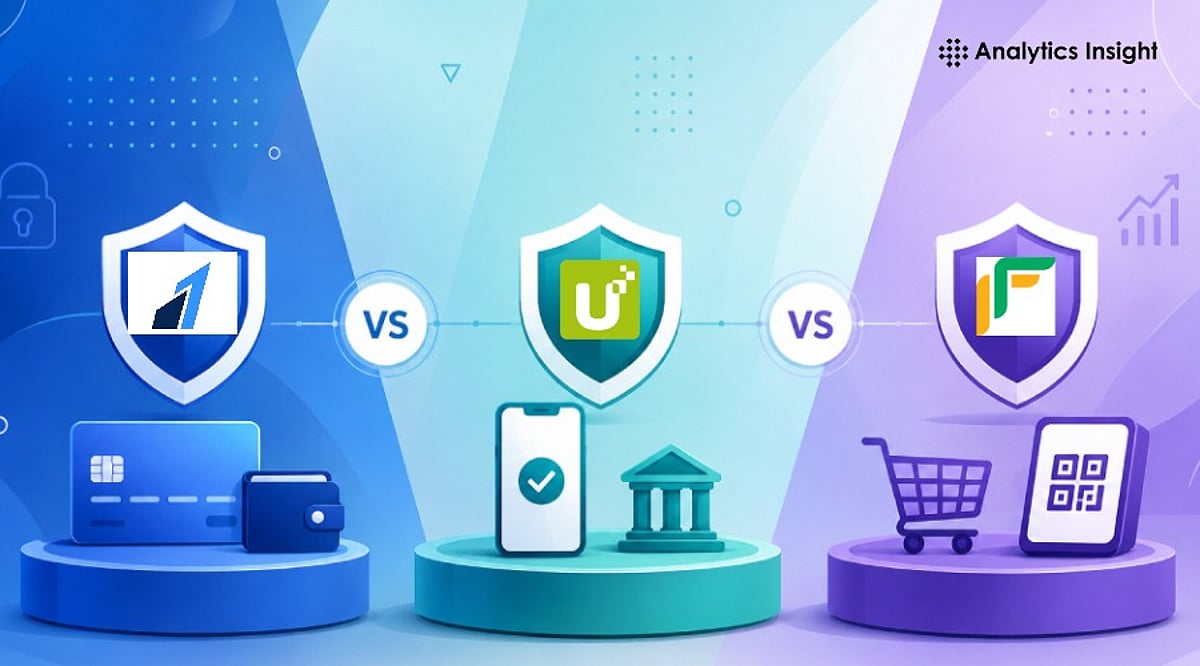
    Choosing the right payment gateway is more than a technical decision—it directly impacts your customer experience, settlement speed, and long-term business growth. As we look ahead to 2026, three major Indian payment gateways stand out: Razorpay, PayU, and Cashfree. Each offers distinct strengths, making the best choice dependent on your specific business needs rather than just transaction fees.

    What Really Matters in a Payment Gateway

    Four key factors set these gateways apart: pricing, settlement speed, features, and developer experience. While transaction fees are important, integration quality, recurring billing support, payout capabilities, and payment success rates often have a greater impact on your bottom line. A low fee is attractive, but delayed settlements or poor operational support can quietly increase your costs over time.

    At a Glance

    This comparison focuses on pricing, settlement cycles, integrations, and business capabilities specific to India’s market, helping merchants make an informed decision for 2026.

    Payment Methods and Integrations

    All three gateways support UPI, credit and debit cards, net banking, and digital wallets. The real differences lie in advanced features:

    • Razorpay and Cashfree offer UPI AutoPay for recurring payments, payment links, and seamless integrations with Shopify, WooCommerce, and Magento.
    • PayU excels in international payments, with strong EMI and Buy Now Pay Later support, plus a broader range of global payment options.

    Security is consistent across all three: PCI DSS compliant, with fraud detection and tokenization.

    Razorpay: Broad Ecosystem, Transparent Pricing

    Razorpay charges a flat 2% + 18% GST on most domestic transactions (cards, UPI, net banking, wallets). Premium methods like EMI, corporate cards, and Amex/Diners cost 3% + GST. There are no setup or annual fees under the standard plan. Domestic settlements run on a T+2 cycle; international settlements take T+7. Note that UPI transactions may have zero MDR under government regulation, but platform fees can still apply.

    Razorpay stands out for subscription tooling, UPI AutoPay, and fast integration—ideal for SaaS and D2C businesses. High-volume merchants (above ~Rs. 50 lakh/month) can negotiate custom rates. Its dashboard provides success-rate breakdowns by payment method and issuing bank, helping diagnose failed transactions.

    PayU: Enterprise Scale, Negotiated Pricing

    PayU does not publish a standard rate card. Independent sources typically cite domestic pricing around 2% for cards, net banking, BNPL, and wallets, rising to ~3% for Amex, Diners, EMI, and international transactions. UPI fees can be negotiated below 1% at higher volumes. This approach offers flexibility for merchants with negotiating leverage.

    PayU’s value at scale comes from dedicated account management, established chargeback handling, and cross-border infrastructure supporting over 150 payment methods globally. The trade-offs include a longer onboarding process with more documentation and a merchant dashboard that users rate lower than Razorpay’s in usability.

    Cashfree: Lower Published Rate, Stronger Payouts

    Cashfree’s standard rate is 1.95% across payment modes for auto-activated merchants—slightly undercutting Razorpay’s published TDR. Setup and integration are free. Settlement follows the same T+2 default, with instant settlement available within 15 minutes for an additional charge.

    Cashfree’s primary differentiator is its payout infrastructure, widely recognized as best-in-class for marketplace and vendor disbursement workflows. Merchants should confirm current promotional pricing and any annual fees directly with Cashfree’s sales team, as some third-party sources report a fixed annual charge not listed in their public FAQ.

    Which Payment Gateway Suits Your Business?

    Subscriptions and Recurring Billing

    Razorpay is the stronger choice for subscription-driven and SaaS businesses. Its UPI AutoPay support and fast integration make it the most complete option for recurring billing.

    Vendor Payouts and Marketplace Settlements

    Cashfree is best positioned for marketplaces and vendor-heavy models. Its payout infrastructure and competitive transaction costs make it ideal where bulk disbursements are a core requirement.

    High Transaction Volume and Enterprise Scale

    PayU is the more appropriate choice for enterprises processing high volumes. Its negotiated pricing model and dedicated account support suit businesses with the scale to justify custom terms.

    Complex or Multi-Factor Requirements

    Businesses with international payment needs or those balancing success rates and costs should evaluate all three providers directly. The right choice depends on your specific payment mix and operational requirements.

    Final Thoughts

    Selecting a payment gateway is a long-term decision that shapes how your business handles money. Razorpay, PayU, and Cashfree each excel in different areas. The businesses that get this right are those that take the time to compare details, verify actual terms with each provider, and avoid jumping at the first option. This extra effort builds payment infrastructure that will hold up well beyond 2026.

    FAQs

    1. Which is the best payment gateway for 2026?

    There is no single best gateway for every business. Razorpay suits SaaS and subscriptions, Cashfree is ideal for marketplaces and payout-heavy operations, and PayU works well for enterprises needing negotiated pricing and dedicated support.

    2. How do Razorpay, PayU, and Cashfree differ in fees?

    Razorpay publishes a standard domestic fee of 2% + GST. Cashfree lists 1.95% for eligible merchants. PayU generally offers negotiated pricing based on volume.

    3. Which gateway is best for startups and small businesses?

    Razorpay is popular for its developer-friendly APIs, subscription tools, and straightforward onboarding. Cashfree is another strong option for competitive pricing and payout capabilities.

    4. Do they support UPI payments?

    Yes. All three support UPI, cards, net banking, and wallets. Razorpay and Cashfree also offer UPI AutoPay for recurring payments.

    5. What should businesses compare besides transaction fees?

    Compare settlement speed, success rates, integrations, recurring billing, payout capabilities, security, customer support, and scalability. These factors often have a greater long-term impact than fees alone.

  • Best Crypto Payment Gateways for High-Volume Transactions in 2026

    Best Crypto Payment Gateways for High-Volume Transactions in 2026

    For businesses processing significant transaction volumes, choosing the right cryptocurrency payment gateway is not merely a technical decision—it is a strategic financial one. High-volume operations require infrastructure that can handle throughput without compromising on security, cost-efficiency, or automation capabilities. This guide examines six gateways built for scale, with particular attention to their architecture, fee structures, and ability to support enterprise-grade payment flows.

    How to Choose a Crypto Payment Gateway

    Selecting a gateway for high-volume transactions demands careful evaluation across several dimensions. Transaction fees become increasingly impactful as volume grows, making fee structures a primary consideration. Processing speed and settlement finality directly affect cash flow and operational efficiency. Integration complexity determines implementation costs and ongoing maintenance burden.

    For high-volume businesses, several additional factors become critical: automated reconciliation capabilities, bulk payout functionality, volatility protection through automatic stablecoin conversion, and API robustness for custom integration with existing financial systems. Security and compliance infrastructure also warrant scrutiny, including regulated jurisdiction licensing, KYC/AML controls, and self-custody versus custodial models.

    Comparison of Top Crypto Payment Gateways

    Gateway Key Strength Fee Model Best For
    2328.io AI-ready infrastructure & Telegram integration Below market average Tech-forward enterprises
    CryptoWoo Self-custody WooCommerce native No gateway fees WordPress merchants
    DePay Wallet-agnostic decentralized layer Pay-as-you-go Stablecoin-heavy businesses
    0xProcessing Built for high-volume throughput Transaction-based Proxy & digital services
    Cryptomus Volume leadership & low fees Starting from 0.4% Cost-sensitive enterprises
    OxaPay White-label static addresses Per-transaction Brand-conscious platforms

    2328.io

    2328.io delivers infrastructure-grade cryptocurrency payment processing tailored for high-volume digital businesses. Registered in Saint Lucia and founded by a team with active crypto processing experience since 2017, the platform brings operational maturity to enterprise payment automation. Its AI-friendly architecture offers comprehensive API documentation for seamless integration via AI-driven workflows. Key features include Telegram deep-linking integration, competitive transaction fees below major competitors, automated stablecoin settlement, bulk payout functionality, multi-currency support across eight languages, and scalable infrastructure. Processing fees begin at 0.3%.

    CryptoWoo

    CryptoWoo is the premier cryptocurrency payment solution for WooCommerce merchants seeking true self-custody and seamless integration. It keeps the entire transaction on the merchant’s own website, preserving customer privacy and eliminating external dependencies. Key features include no third-party redirects, zero middleman fees (only standard blockchain network fees), HD Wallet support, zeroconf payment completion with transaction confidence metrics, multiple exchange rate APIs, and WooCommerce native integration. Premium add-ons extend functionality to include Monero, Dash, and ERC-20 tokens.

    DePay

    DePay is a decentralized payment layer agnostic to any wallet, solving the “liquidity paradox” by enabling gasless transactions directly from customer self-custody wallets. It connects to Visa and Mastercard networks for real-time fiat settlement at over 150 million merchants worldwide. Key features include self-custody-first design, gasless transactions, multi-wallet connectivity (MetaMask, Zerion, SafePal), stablecoin focus with planned multi-chain expansion, and global merchant acceptance. It is already operational in high stablecoin adoption markets like Brazil, Argentina, South Korea, and the Philippines.

    0xProcessing

    0xProcessing was created for high-throughput processing environments with its own blockchain-based system supporting stable throughput. Ideal for recurring payments like proxies, subscriptions, and top-ups. Key features include no monthly fees (pay only for processed transactions), Volatility Risk Control with automatic USDT conversion, 24/7 withdrawal access, fast on-chain confirmation, API-first architecture, and global payment acceptance bypassing GEO-specific banking restrictions.

    Cryptomus

    Cryptomus has processed over $8.2 billion in transactions as of March 2026. It offers low fees starting at 0.4%, support for more than 120 cryptocurrencies, fiat withdrawals via SEPA, SWIFT, and P2P, automated volatility protection, mass payouts, and fully customizable payment pages. Risk considerations include a record CAD 176 million FINTRAC penalty in October 2025 for AML violations (under appeal) and mandatory KYC controls introduced in February 2025 that caused a drop in on-chain volume. High-volume merchants should conduct thorough compliance due diligence.

    OxaPay

    OxaPay stands out with its White Label offering, allowing merchants to accept crypto payments under their own brand. Its Merchant Static Address feature assigns static addresses to users, simplifying repeated transactions. Key features include three service models (Merchant Invoice, White Label, and Static Address), API-first architecture, no high setup costs, and streamlined reconciliation through user-level address assignment. Ideal for brand-conscious enterprises with recurring customers.

    Conclusion

    The optimal gateway depends on specific operational requirements: fee sensitivity, integration complexity tolerance, custody preferences, regulatory exposure, and the need for fiat settlement. As stablecoin adoption continues growing and blockchain infrastructure matures, these gateways will likely evolve to offer increasingly sophisticated capabilities for high-volume merchants.

  • USDGO Stablecoin Supply Crosses $500M as Institutional Adoption Surges

    USDGO Stablecoin Supply Crosses $500M as Institutional Adoption Surges

    USDGO, an enterprise-focused US dollar stablecoin, has surpassed $500 million in circulating supply within four months of its launch, signaling rapid institutional adoption. The token is issued by Anchorage Digital Bank, the first federally chartered crypto bank in the United States, with branding and distribution managed by Hong Kong-listed OSL Group.

    Enterprise Demand Drives Expansion

    Unlike stablecoins that initially grew through cryptocurrency trading, USDGO targets corporate treasury operations, cross-border payments, international transfers, and institutional liquidity. The token crossed $100 million roughly two months after its February launch, and the new $500 million milestone reflects accelerating enterprise demand.

    OSL Group reports partnerships with payment providers and financial infrastructure firms across developed and emerging markets, supporting large-value transfers and commercial payment flows. The ecosystem also includes fiat on- and off-ramp services, digital asset trading, and blockchain and custody partners for secure asset management and high-volume settlement.

    Tokenized Funds Bolster Reserves

    USDGO maintains one-to-one backing through high-quality liquid assets including cash and short-term US government securities. Its reserve structure now incorporates tokenized money market funds from major financial institutions:

    • JPMorgan’s JLTXX tokenized money market fund
    • BlackRock’s BUIDL tokenized liquidity fund
    • Goldman Sachs’ STBXX reserve fund

    These funds connect USDGO’s reserve management with traditional finance products, demonstrating how legacy institutions are increasingly participating in blockchain-based settlement systems. Tokenized money market products alongside cash deposits and Treasury securities enhance liquidity, transparency, and operational efficiency for institutional users.

    Stablecoins Enter Mainstream Finance

    USDGO’s growth reflects a broader trend of stablecoins expanding beyond crypto markets into payments, settlement, treasury management, and liquidity operations. A larger circulating supply enables more transactions and deeper market liquidity, which is critical for enterprise users processing commercial payments and managing international fund transfers.

    Regulatory clarity and institutional participation are intensifying competition among stablecoin issuers. Enterprise-focused projects like USDGO aim to become preferred settlement assets for corporations and payment networks, combining fixed-value stability with regulated issuance and tokenized reserve assets.

    What’s Next?

    With supply growth exceeding $500 million, USDGO is positioned to play a key role in digital finance. Businesses should monitor adoption across treasury management, cross-border transfers, and institutional liquidity as regulated blockchain settlement gains traction.