

Tag: EU

  • EU Warns of Surge in Crypto Impersonation Scams During MiCA Transition

    EU Warns of Surge in Crypto Impersonation Scams During MiCA Transition

    EU regulators have issued a fresh warning to cryptocurrency users about a sharp increase in impersonation scams following the conclusion of the MiCA (Markets in Crypto-Assets) transition period on July 1, 2026. Fraudsters across Europe are posing as regulators and authorized crypto firms, targeting customers of platforms that failed to secure MiCA approval.

    These criminals use fake emails, websites, and official-looking documents to trick victims into moving funds or sharing sensitive information. The European Securities and Markets Authority (ESMA) has specifically flagged fraudulent messages that misuse its name and branding.

    In a post on its official LinkedIn account, ESMA stated: “ESMA does not request personal data or payments through unsolicited emails.” The regulator urged users to verify any suspicious communication before taking action.

    France’s financial regulator, the Autorité des Marchés Financiers (AMF), has reported similar incidents where scammers impersonated its staff, directing victims to bogus websites and asking them to transfer crypto assets.

    By late July, ESMA’s official register listed 323 authorized crypto firms. However, more than 1,700 unlicensed firms could face closure or relocation, creating confusion that scammers are exploiting. Users searching for new regulated platforms are particularly vulnerable.

    To stay safe, regulators advise always checking a provider’s legal name against the official ESMA register before transferring funds. Avoid clicking links from unexpected emails, calls, or social media messages. Legitimate authorities will never ask for seed phrases, private keys, passwords, or payments via unsolicited communications.

    The MiCA transition aims to strengthen crypto market oversight, but fraudsters are taking advantage of the resulting uncertainty. Remaining vigilant is crucial.
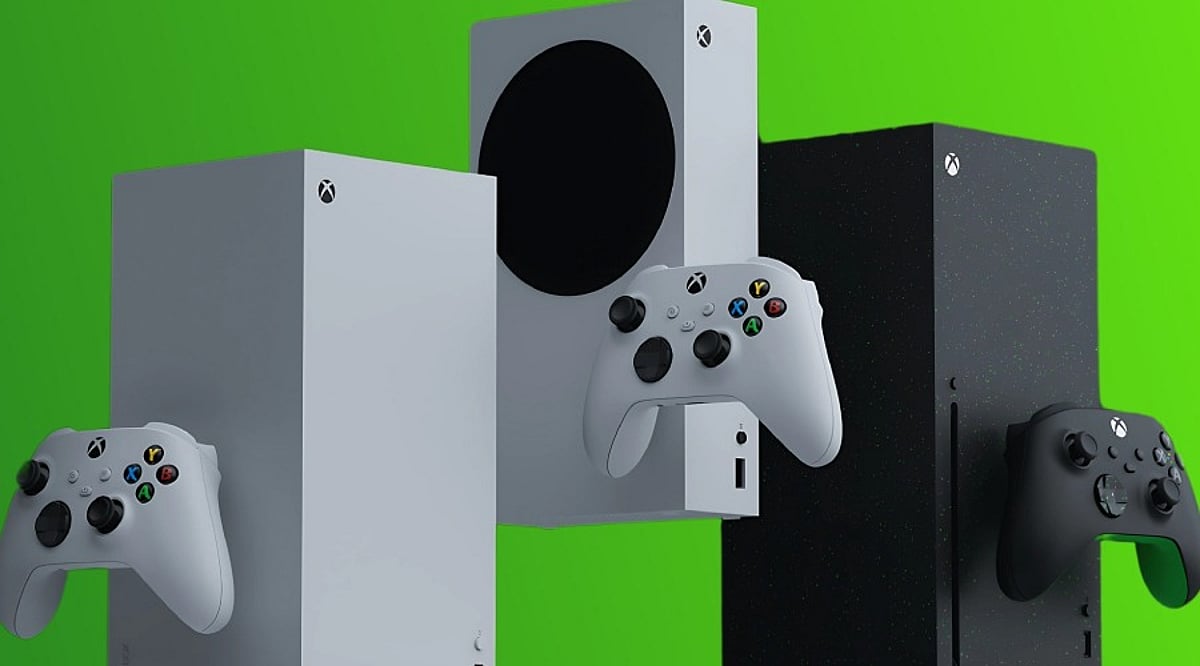
  • Xbox Series X and Series S Prices Soar in UK and Europe—Microsoft Blames AI-Driven Component Costs

    Xbox Series X and Series S Prices Soar in UK and Europe—Microsoft Blames AI-Driven Component Costs

    Microsoft has raised the prices of Xbox Series X and Series S consoles across the United Kingdom and several European markets, with the revised pricing taking effect in early August 2026. The increase, which reaches up to €200 or £170 depending on the model, marks one of the company’s largest console price adjustments to date. Microsoft attributes the move to soaring memory and storage component costs, exacerbated by surging demand from the artificial intelligence industry.

    Updated Xbox Console Prices in the UK and Europe

    The updated pricing affects nearly every current Xbox console. As part of the product lineup changes, Microsoft has also confirmed it is discontinuing the 2TB Xbox model. The price hikes make Xbox consoles significantly more expensive for gamers in these regions.

    Why Microsoft Increased Xbox Console Prices

    According to Microsoft, the increase reflects broader challenges across the technology industry rather than a shift in its gaming strategy. The company stated that storage and memory costs have risen more than 2.5 times compared with previous levels and are expected to remain high through 2027. Increasing investments in AI infrastructure have raised the need for sophisticated memory and storage chips, thereby straining the global supply chain. Microsoft noted that similar cost pressures have affected other consumer electronics manufacturers, leading several gaming companies to revise hardware pricing in recent months.

    What the Price Increase Means for Gamers

    This latest hike follows the third major revision to Xbox pricing in 2025, breaking from the usual trend where gaming consoles become cheaper as they age. While Microsoft will still offer financing and refurbishment of consoles in selected countries, the price increase may deter cost-sensitive customers looking to upgrade or purchase a new Xbox. As the current console generation enters its later years, the revised pricing is expected to play a key role in consumer purchasing decisions, particularly when comparing Xbox with competing gaming platforms.

  • EU Court Rejects Google’s Final Appeal, Upholds $4.4 Billion Android Antitrust Fine

    EU Court Rejects Google’s Final Appeal, Upholds $4.4 Billion Android Antitrust Fine

    The Court of Justice of the European Union, Europe’s highest court, has dismissed Google’s final appeal against a €4.1 billion ($4.4 billion) antitrust fine, bringing an eight-year legal battle to a definitive close. The ruling confirms that Google abused its dominant market position through agreements tied to its Android mobile operating system.

    The European Commission originally imposed a €4.34 billion penalty in 2018 after finding that Google required smartphone manufacturers to pre-install Google Search, Chrome, and the Google Play Store on Android devices. Regulators also said Google restricted manufacturers from using alternative versions of Android, limiting competition from other mobile platforms.

    In its ruling, the court stated, “The appeal brought by Google and its parent company Alphabet against the judgment of the General Court is dismissed, thereby confirming the penalty imposed for Google Search’s abuse of a dominant position in the context of the Android operating system.” A lower court had reduced the fine to €4.1 billion in 2022, and today’s decision makes that penalty final.

    Following the ruling, a Google spokesperson defended the company’s Android business model, saying, “This judgment fails to take into account our investment to ensure Android remains open, interoperable and free.” The spokesperson added, “In any event, we adapted our agreements to comply with the initial decision back in 2018 and we remain focused on continued innovation and openness for our users, partners and developers.”

    Over the past several years, Google has already implemented changes for Android users in Europe, including allowing device owners to choose different search engines and web browsers during device setup instead of automatically using Google’s services.

    This case is part of a broader series of antitrust investigations. Over the past decade, Google has faced nearly €11 billion in EU competition fines across multiple cases involving search, shopping, Android, and digital advertising. The European Commission has now expanded its focus beyond traditional competition law, enforcing the Digital Markets Act and Digital Services Act, which introduce new obligations for major tech companies.

    Google remains under investigation over alleged preferential treatment of its own products in search results and practices involving its app store. Other large technology companies, including Apple and Meta, are also facing scrutiny under the EU’s updated digital regulations. Alphabet shares traded modestly lower in premarket trading following the ruling.