Tag: Europe

  • 21Shares Expands European Crypto ETP Lineup with ether.fi and Zcash Products

    21Shares Expands European Crypto ETP Lineup with ether.fi and Zcash Products

    21Shares has launched two new physically backed exchange-traded products across Europe, giving investors access to ether.fi and Zcash through traditional brokerage platforms. The 21Shares ether.fi ETP (ticker: ETHFI) and the 21Shares Zcash ETP (ticker: ZCASH) track their respective underlying cryptoassets without requiring direct ownership of ETHFI or ZEC.

    Investors can buy these ETPs through European brokerage and financial institutions, bypassing the need for crypto exchange accounts, private key management, or personal token custody. Established third-party custodians hold the underlying assets.

    ether.fi ETP Expands Access to ETHFI

    The ether.fi ETP provides direct exposure to ETHFI, the native governance and utility token of the ether.fi ecosystem. Initially focused on liquid restaking, ether.fi has grown into a broader crypto financial services platform encompassing earning, borrowing, payments, and spending. Users have deposited billions of dollars across ether.fi products, according to 21Shares.

    Ether.fi also operates Liquid, a product that allocates deposited assets across decentralized finance strategies, rebalancing positions and compounding rewards. Jasmin Muelhaupt, Director of Financial Product Development at 21Shares, noted that European investors want easier access to projects building practical technology. “Ether.fi is a great example of an ecosystem moving beyond basic staking into real-world use cases like cards and borrowing,” she said.

    Zcash ETP Adds Privacy-Focused Crypto Exposure

    The Zcash ETP offers direct market exposure to ZEC. Zcash has a fixed maximum supply of 21 million coins, similar to Bitcoin, but adds optional privacy through shielded transactions. Users can choose whether transaction details remain transparent or use cryptographic tools to conceal certain information.

    The product aligns with Zcash’s focus on cryptographic security, including ongoing development for network upgrades such as the proposed NU6.3 upgrade featuring Ironwood Quantum Recoverability. While the upgrade has not yet been activated, it highlights the network’s long-term roadmap.

    Ether.fi and Zcash serve distinct purposes: ether.fi focuses on decentralized financial services, while Zcash centers on optional transaction privacy. This diversity allows 21Shares to expand its product range across two different areas of the digital asset market.

    Physically Backed Structure Removes Direct Custody Burden

    Both ETPs use a physically backed structure, meaning each ETP is linked to holdings of its corresponding cryptoasset rather than relying only on derivatives. Third-party custodians manage the cryptoassets, letting investors gain price exposure through brokerage accounts without handling wallets or private keys.

    Muelhaupt emphasized that the exchange-traded format makes both assets easier to add through traditional investment channels, similar to purchasing a standard stock or fund. 21Shares has offered physically backed crypto ETPs since 2018 and continues to expand its European lineup. The latest additions—ether.fi and Zcash—are now available through European brokerage platforms and financial institutions.
  • European Enterprise Tech Firms Emerge as Unexpected AI Winners

    European Enterprise Tech Firms Emerge as Unexpected AI Winners

    The artificial intelligence race may have begun with companies building powerful AI models, but the next phase is creating opportunities for a different set of winners. A growing number of established European technology firms are benefiting as businesses shift from AI experiments to full-scale deployment across their operations.

    Recent earnings from companies including SAP, Capgemini, Sopra Steria and OVHcloud indicate that demand is increasingly moving beyond AI models to the complex work of integrating the technology into existing enterprise systems. That trend is translating into stronger revenue growth, improved business outlooks and rising customer demand.

    Integration Becomes the Real AI Opportunity

    For many large organizations, adopting AI is proving to be far more complicated than simply choosing a chatbot or language model. Businesses are discovering that successful AI deployment requires seamless integration with finance, human resources, procurement, supply chain, and other mission-critical systems already running their operations.

    Instead of relying on a single AI provider, enterprises are expected to use multiple models depending on performance, security and regulatory requirements. That has increased demand for companies specializing in AI implementation, data management, governance and workflow integration.

    SAP, Capgemini Report Strong Momentum

    Germany’s SAP continues to gain from firms moving their critical operations to cloud platforms that support AI applications. Its cloud backlog increased 26% on a constant currency basis, indicating strong enterprise demand despite spending on AI-related acquisitions.

    Capgemini of France has further boosted its annual revenue growth outlook on the back of increased bookings driven by spending by firms on AI-driven digital transformation. Sopra Steria has raised its revenue growth guidance on increased enterprise spending on AI.

    Data Sovereignty Adds European Advantage

    European tech companies are also benefiting from growing fears about data sovereignty and compliance regulations. Organizations in many fields like defense, healthcare, aerospace, and critical infrastructure require AI that ensures sensitive data remains within local jurisdiction and is governed.

    The growing shift of enterprise investments in AI from research and development to implementation means that companies focused on data security, management, and integrating AI into business operations could become some of the major beneficiaries of the AI revolution, even without developing the technologies themselves.

  • Samsung Reportedly Plans €1 Billion Investment in AI Startup Mistral at €20 Billion Valuation

    Samsung Reportedly Plans €1 Billion Investment in AI Startup Mistral at €20 Billion Valuation

    Samsung Electronics is reportedly in discussions to invest approximately €1 billion in French artificial intelligence company Mistral, a deal that could value the startup at around €20 billion. The potential investment signals deepening ties between the world’s leading memory chip maker and one of Europe’s most prominent AI developers, with implications for AI chip supply, model development, and the continent’s push for greater technological independence.

    Talks Underway, No Confirmed Agreement Yet

    According to the Financial Times, which first reported the talks, Samsung’s possible investment could be part of a larger funding round that also includes Sweden’s EQT Scaleup Europe Fund. Reuters later confirmed the discussions, noting that the commitment could reach hundreds of millions of euros. Some reports place the figure near €1 billion, though neither Samsung nor Mistral has publicly confirmed a deal.

    A €20 billion valuation would place Mistral among Europe’s most valuable private technology companies, up from its previous reported valuation of about €11.7 billion. The companies already have an existing relationship: Samsung’s venture capital unit previously invested in the Paris-based AI startup. Mistral CEO Arthur Mensch visited Samsung’s semiconductor campus in Hwaseong, South Korea, in April, where he met senior executives and discussed AI chip supply chains.

    Chip Access and Strategic Benefits

    Samsung produces high-bandwidth memory (HBM) chips essential for training large AI models, as well as advanced logic chips through its foundry business. Demand for such hardware is soaring as AI companies scale up their models, while supply remains constrained. A closer partnership could give Samsung a major customer for its AI hardware, while Mistral would gain more reliable access to the chips needed to train and run its systems.

    Reports suggest Samsung may also seek a seat on Mistral’s board, and the two companies could explore integrating Mistral’s models into Samsung devices or AI services. These terms have not been confirmed and would depend on negotiations, regulatory approvals, and corporate sign-offs.

    Europe’s Push for AI Sovereignty

    Mistral, founded in Paris in 2023, develops large language models that can be downloaded and operated independently. It has positioned itself as a European counterweight to major American AI providers and even supplies technology to the French military. European governments and companies are increasingly seeking more control over AI infrastructure, especially after recent restrictions on access to advanced American AI models.

    Mistral has already expanded its commercial partnerships. Microsoft recently agreed to spend billions on European computing infrastructure linked to the company. Meanwhile, competition from Chinese AI developers, such as Moonshot AI, is intensifying. Mensch has stated that Mistral expects annual recurring revenue to exceed $1 billion by the end of 2026, reflecting growing enterprise demand.

    Any Samsung investment would likely face European regulatory review. For now, the reported talks continue without a confirmed agreement or public funding timeline.

  • Europe’s Strategic Imperative: A Decentralized Euro Stablecoin for Digital Autonomy

    Europe’s Strategic Imperative: A Decentralized Euro Stablecoin for Digital Autonomy

    Europe’s stablecoin debate has shifted from policy papers to real-world launches. European Central Bank President Christine Lagarde recently noted that stablecoins have surged from under $10 billion six years ago to over $300 billion today, with nearly 98% of the market dollar-denominated. In July, Crédit Agricole’s asset-servicing arm CACEIS launched EURXT, a euro-backed token on Ethereum, used for a tokenized Amundi money market fund. Europe is no longer observing from the sidelines—it is witnessing the next layer of payments and settlement take shape.

    This rapid development underscores the urgency of strategic autonomy. Most stablecoin activity relies on dollar-pegged tokens issued outside the EU, while the U.S. GENIUS law has turned stablecoins into an explicit instrument of dollar power and Treasury demand. European banks are moving from internal debate to product execution, building MiCA-compliant tokens and responding to corporate demand for faster, cheaper settlement outside traditional banking hours.

    Brussels must focus on this combination. MiCA gave Europe an early regulatory framework, and the ECB rightly worries about liquidity stress, fragmented issuance, and digital dollarization. But rules alone will not determine who shapes this market. Stablecoins promise near-instant settlement, lower fees, and programmable payments, but their public value depends on the architecture behind them. If Europe leaves the most scalable rails to dollar-based instruments, its regulators will supervise a system whose incentives are set elsewhere.

    The United States has understood this faster. By setting clearer rules for reserves, issuance, and compliance, Washington is giving stablecoins the legal scaffolding to move from crypto markets into mainstream finance. Europe has safeguards but still lacks a convincing euro-denominated alternative that is open enough to scale, trusted enough for institutions, and decentralized enough to avoid becoming another centrally controlled payment instrument.

    Alexandre Azoulay, managing partner of SGH Capital, argues that the current approach is too cautious. “Europe has tried to supervise a market it does not yet shape,” he says. “We need a digital asset that carries European values, not one borrowed from someone else’s system.” A decentralized euro-based stablecoin could achieve this without placing additional control in any single public authority. It could operate under transparent rules, with open protocols, broad participation, and oversight that protects users without stifling development.

    Lagarde’s warnings highlight a real problem: a rush by non-EU holders to redeem EU-issued tokens could strain liquidity and disrupt markets. However, these concerns speak to the design of specific models, not stablecoins themselves. A European decentralized stablecoin with reserves held domestically and governed by clear rules would address most issues. The problem is not the concept—it is the absence of a European version built for scale.

    The European Banking Authority notes that MiCA already contains safeguards for robust liquidity, sound governance, and transparency. National regulators can enforce compliance. But these tools do not replace the need for leadership. Europe has a long tradition of turning regulation into a competitive advantage—for data protection, consumer rights, and payments. Stablecoins should be no different.

    Azoulay frames the opportunity simply: “If Europe wants to remain influential in the next generation of commerce, it needs its own digital settlement layer. Not a copy of the dollar system, not a centralized instrument controlled from Frankfurt, but a decentralized asset that strengthens the euro.” A decentralized stablecoin would support cross-border businesses, improve transparency, and reduce reliance on private intermediaries. It would also reduce Europe’s exposure to regulatory shifts in Washington or geopolitical tensions affecting the dollar-based financial system.

    A centralized European stablecoin may appear safer, but centralization carries vulnerabilities—a single point of control influenced by political cycles, administrative delays, or shifting mandates. A decentralized structure distributes risk and reinforces trust by limiting unilateral intervention. Users would know the asset is governed by predictable mechanisms.

    Europe stands at a crossroads. It can continue managing the rise of foreign stablecoins through rules that address symptoms, or it can take the initiative and design a decentralized, euro-denominated stablecoin that reflects its economic weight and technological ambition. Lagarde’s intervention should encourage action rather than hesitation. Stablecoins are already reshaping global financial infrastructure. The question is whether Europe will shape their future or watch others do so.

  • OnePlus May Exit US and Europe, While India Could Follow by 2027 Under Oppo Restructuring

    OnePlus May Exit US and Europe, While India Could Follow by 2027 Under Oppo Restructuring

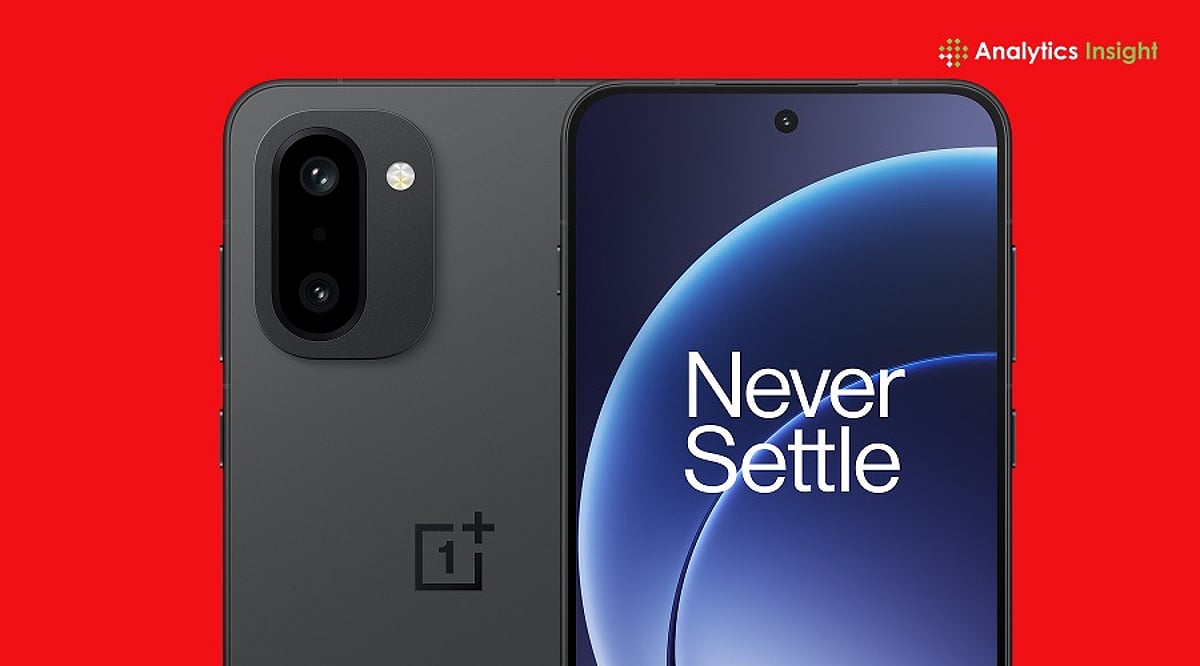
    OnePlus, once a trailblazer in the premium smartphone space with its flagship-killer devices, might be on the verge of a dramatic strategic shift. According to multiple reports, the company could soon cease operations in the United States and Europe, with India potentially following suit by 2027 as part of parent company Oppo’s global restructuring plan.

    This potential exit would mark the end of an era for a brand that rose to prominence with affordable yet high-performance smartphones under the motto ‘Never Settle.’

    Oppo’s Restructuring Drives the Move

    The reported exit strategy is tied to Oppo’s broader restructuring efforts. The parent company is believed to be streamlining its international operations amid rising geopolitical tensions, declining smartphone demand in certain regions, and intensifying competition within the Android ecosystem.

    While OnePlus has not made any official announcement, sources suggest that the company may soon reveal its plans for the US and European markets. In the meantime, India—one of OnePlus’s most important markets—is expected to continue operating for now.

    India Remains a Crucial Market

    India has been a standout success for OnePlus, particularly with its premium and mid-range Nord series. The company continues to sell devices through official online channels, and operations there remain active.

    Industry analysts believe that if OnePlus ultimately exits India, it would significantly reshape the premium Android smartphone segment in the country.

    No Official Confirmation Yet

    As of now, neither OnePlus nor Oppo has confirmed the exit reports. Existing customers are awaiting clarity on future software updates, after-sales support, and warranty services should the restructuring proceed.

    Until an official statement is made, these reports should be treated as speculation. However, if the plans move forward, they would represent one of the most significant shifts in OnePlus’s 13-year journey from startup disruptor to globally recognized brand.

  • MiCA Deadline Forces Thousands of European Crypto Firms to Shut Down

    MiCA Deadline Forces Thousands of European Crypto Firms to Shut Down

    Crypto companies across Europe are reaching the end of the MiCA transition period, with July 1 marking the point when older national registrations will no longer be enough to stay in business. From that date, only firms that secured a MiCA license can continue offering crypto services across the region, placing many existing operators under pressure.

    Industry figures show the gap between previously registered firms and those that completed the new licensing process. More than 3,000 virtual asset service providers (VASPs) were registered before MiCA, yet only 244 have obtained authorization as crypto-asset service providers (CASPs). Meanwhile, the European Securities and Markets Authority has instructed firms without approval to wind down their activities in an orderly manner while protecting customer assets.

    MiCA Deadline Leaves Many Firms Without Authorization

    MiCA became fully applicable across Europe after introducing stablecoin rules in June 2024 and broader crypto regulations later that year. Existing providers were granted a transition period that expires on July 1, allowing time to obtain authorization from national regulators. Licensed firms can then operate throughout the European Economic Area, which includes the European Union, Norway, Iceland, and Liechtenstein.

    Meanwhile, the European Securities and Markets Authority (ESMA) has instructed unauthorized crypto firms to close their operations in an orderly manner once the transition period ends. The regulator also asked companies to safeguard customer assets during the process. Industry executives expect the new framework to reduce the number of active providers across the region.

    Erald Ghoos, CEO of OKX Europe, estimated that “80% of the crypto players won’t survive after MiCA.” He added that “It’s not only because of MiCA itself, it’s because of the whole width and heaviness of the European regulatory burden.” According to Ghoos, firms offering stablecoin services may also require Payment Institution or Electronic Money Institution licenses, adding further compliance requirements.

    Compliance Costs Create Challenges for Smaller Companies

    Industry participants say the financial burden extends beyond the minimum capital required for authorization. Patrick Gruhn, founder and CEO of Perpetuals.com Ltd, said firms need between €50,000 and €150,000 in regulatory capital depending on their license category. However, obtaining authorization can cost as much as €700,000 during the first year, followed by annual compliance expenses that may reach €250,000 for smaller firms.

    Gruhn also stated that legal fees alone can approach €100,000, while the authorization process may take between 12 and 24 months before companies can begin regulated operations. He noted that although many businesses could disappear, numerous pre-MiCA registrations belonged to shell entities with limited activity. According to Gruhn, many compliance jobs created under the new framework may also offset employment losses elsewhere.

    Several companies have reportedly explored acquisitions rather than completing the licensing process themselves. Ghoos said some firms approached OKX Europe after determining they could not meet the regulatory costs required under MiCA.

    Poland Reflects the Wider Licensing Challenge

    Poland presents one of the clearest examples of the transition’s effect. The country previously had around 2,000 registered VASPs, yet only one company has obtained a MiCA license. Legislative delays and regulatory hurdles slowed the licensing process, leaving many firms without authorization ahead of the deadline.

    Mateusz Kara, CEO of Morphic Financial Group, said “It will change the business landscape of crypto entities a lot.” He added, “As far as I know, we are the only ones that have a MiCA license right now.” Kara also stated that many firms could be forced to cease operations during the second half of the year.

    Meanwhile, legal experts expect enforcement to differ among European jurisdictions. John Salmon, partner at Hogan Lovells, said “None of us know what’s going to happen,” noting that some countries introduced legislation later than others. However, his colleague Lavan Thasarathakumar said “Any regulator, jurisdiction, or member states allowing firms to continue to operate under their existing national law would be deemed in breach of EU regulations.”

    BitGo Europe has also introduced a regulated custody option that allows firms to transfer customer wallets instead of pursuing their own MiCA authorization. CEO Mike Belshe described the transition as ‘a setback,’ adding that “European users will become the biggest victims of the end of this transitional period.”