Tag: EV

  • 7 Affordable Electric Cars Under ₹20 Lakh in India for 2026

    7 Affordable Electric Cars Under ₹20 Lakh in India for 2026

    The Indian electric vehicle market continues to expand, with several compelling options available under ₹20 lakh in 2026. Here are seven standout models offering a mix of range, features, and value for various driving needs.

    Tata Punch EV

    Starting at around ₹9.69 lakh, the Tata Punch EV remains one of the most accessible electric SUVs in India. It offers two battery options: 30 kWh and 40 kWh. The larger battery delivers a claimed range of up to 468 km, making it suitable for city commutes and occasional highway trips.

    Tata Nexon EV

    Priced from approximately ₹12.49 lakh, the Tata Nexon EV blends a compact SUV design with solid range and practical features. Battery choices include 30 kWh and 45 kWh packs, with the larger unit offering a claimed 489 km range.

    MG Windsor EV

    The MG Windsor EV features a spacious cabin and crossover styling. Its 52.9 kWh battery version achieves a claimed range of up to 449 km. Prices start around ₹14 lakh, with top variants staying under ₹20 lakh depending on the purchase plan.

    Mahindra XUV 3XO EV

    Mahindra’s electric compact SUV uses a 39.4 kWh battery with a claimed range of up to 456 km. Starting at ₹13.89 lakh, it comes equipped with Level 2 ADAS, connected car technology, and a premium audio system.

    Maruti Suzuki e Vitara

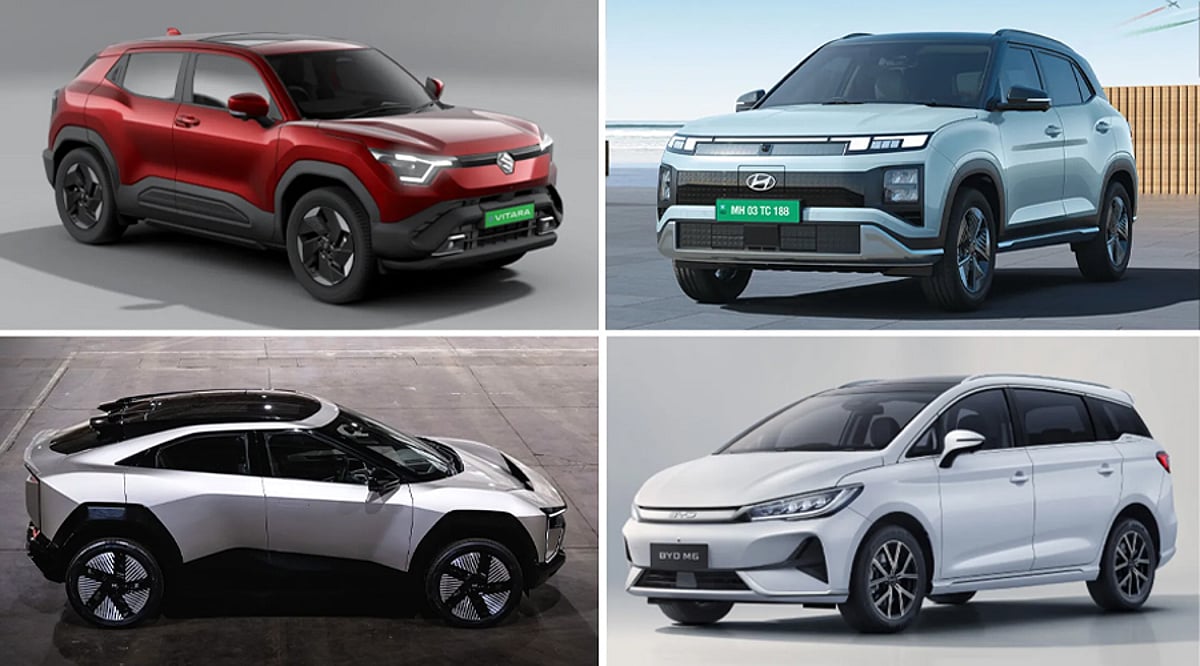
    The Maruti Suzuki e Vitara brings the brand’s familiar SUV DNA to EVs, available with 49 kWh and 61 kWh battery options. The larger pack claims up to 543 km range. Entry variants start around ₹15.99 lakh, fitting comfortably within the budget.

    Tata Tiago EV

    For those seeking an affordable city EV, the Tata Tiago EV starts at just ₹6.99 lakh. It offers 19.2 kWh and 24 kWh batteries, with claimed ranges of 226 km and 285 km respectively—ideal for daily urban driving.

    Mahindra BE 6

    The performance-focused Mahindra BE 6 starts at roughly ₹19 lakh, with battery variants that can deliver a claimed range up to 683 km. Its modern styling, strong performance, and tech-rich cabin make it a feature-packed choice near the budget ceiling.

  • EV Industry Outlook 2026: Key Trends Driving Growth in Europe, China, and Beyond

    EV Industry Outlook 2026: Key Trends Driving Growth in Europe, China, and Beyond

    The electric vehicle market is entering a new phase, marked by shifting regional dynamics, falling prices, and rapid technological advances. Global sales of battery-electric and plug-in hybrid vehicles reached 1.85 million units in July 2026, a 9% year-over-year increase, with total sales for the first seven months hitting approximately 11.5 million. Europe is emerging as the fastest-growing market, while China faces a saturated domestic market and North America shows mixed signals. The next wave of EV adoption will hinge on price, battery innovation, charging infrastructure, software capabilities, and trade policies.

    Europe Gains Momentum

    In 16 major European markets, battery-electric vehicles accounted for 25.7% of new car sales in July 2026. BEV sales rose 13.6% year-over-year to 224,266 units. France achieved a 35% BEV share, Germany 29.3%, and Denmark an impressive 80.1%. However, Italy saw its share drop to 5.9% after ending purchase subsidies. Stable regulations and more affordable models will be critical for Europe to maintain its lead.

    China Shifts Focus to Exports

    China’s domestic EV market is under pressure, with passenger vehicle exports rising 77.5% year-over-year in August 2026, while domestic sales fell for the 11th consecutive month. Electric and plug-in hybrid exports surged 154.7%, even as domestic sales of these vehicles declined 10.1%. Major automakers like BYD and Geely are increasingly looking overseas for growth as the home market becomes saturated.

    Price and Battery Costs Are Key

    Price remains the central factor in EV adoption. According to the International Energy Agency, nearly 70% of battery-electric cars sold in China in 2025 cost less than the average petrol or diesel car, and about 30% of electric models had an entry price below USD 20,000. In Europe, fewer than 10% of BEV models were priced below USD 30,000 in 2025. Low-cost Chinese models hold a strong advantage, but trade barriers could shift the balance.

    Global EV battery use reached 1.2 terawatt-hours in 2025, up nearly 30% from 2024. Average battery prices fell 8% in 2025, though lithium prices at the start of 2026 were more than double their level from the same period in 2025. Battery makers must balance lower pack costs with volatile mineral prices. Smaller, cheaper models could attract more buyers if range and safety remain acceptable.

    Charging Infrastructure and Software

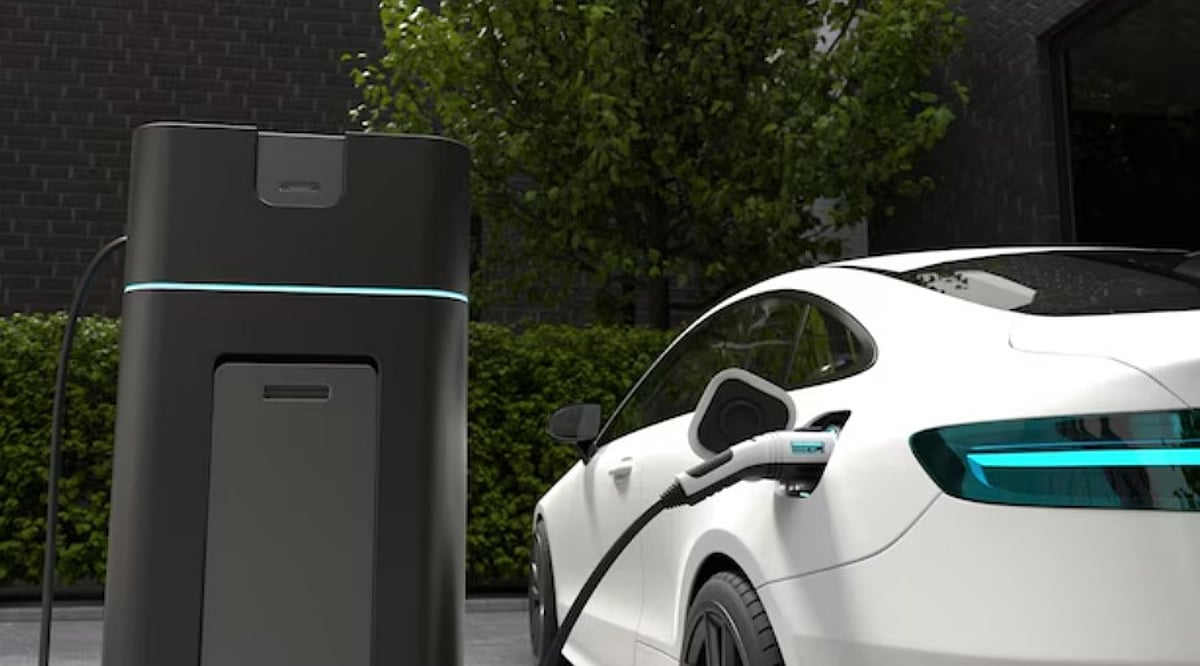
    The world had over 43 million private light-duty vehicle charge points in 2025, with roughly one-third each in China and Europe and one-sixth in the United States. Public fast-charging rates can be up to 240% higher than residential tariffs, making home charging a key value driver. The average electric car range is now around 380 km and has largely plateaued. New 1,000-volt models and ultra-fast charging systems can cut charge times to under 10 minutes.

    Software is playing an increasingly important role. Modern EVs support remote updates, advanced driver assistance, battery management, and new digital features. Driverless taxis are already operating in more than 20 cities, primarily in China and the United States.

    India’s Unique Path

    India presents a different growth story. Alternative-fuel passenger vehicles accounted for 41.95% of retail sales in August 2026, ahead of petrol and ethanol at 40.85%. CNG and LPG held 25.28%, hybrids 9.04%, and EVs 7.63%. India recorded 297,820 EV registrations in August, with Uttar Pradesh alone contributing 42,007. The country shows strong potential across small cars, two-wheelers, three-wheelers, buses, and fleet vehicles.

    What Lies Ahead

    The next phase of the EV industry will not be defined by a single technology or market. Europe needs stable policies and lower prices. China must secure overseas access. Battery manufacturers require lower costs and stable mineral supply. Automakers need better software and faster charging. India offers room for diverse growth. The winners will be those that can deliver the right combination of price, range, software, and charging access.

    FAQs

    • What is driving the next phase of EV growth? Lower prices, battery innovation, faster charging, improved software, and supportive trade and policy frameworks.
    • Why is Europe becoming an important EV market? Europe is seeing faster BEV adoption, with several major markets recording strong growth and higher electric-car sales shares.
    • What challenge is China’s EV industry facing? A saturated domestic market is pressuring sales, encouraging Chinese automakers to expand exports and enter overseas markets.
    • Will EV prices continue to fall? Lower battery costs and increased competition could support more affordable EVs, although mineral prices and trade barriers may affect pricing.
    • What role will India play in the EV transition? India has significant growth potential across EVs, two-wheelers, three-wheelers, buses, and fleet vehicles, supported by broader growth in alternative-fuel mobility.

  • Nissan Ariya Electric SUV: Comprehensive Overview of Its Design, Performance, and Market Impact

    Nissan Ariya Electric SUV: Comprehensive Overview of Its Design, Performance, and Market Impact

    The Nissan Ariya marks a significant step in the company’s transition to an all-electric future, blending modern design with innovative technology. As a practical SUV with electric performance, it delivers a premium driving experience. The spacious cabin, intelligent features, and efficient powertrain position the Ariya as a key player in the global electric vehicle market.

    Stylish Design Creates Strong Appeal

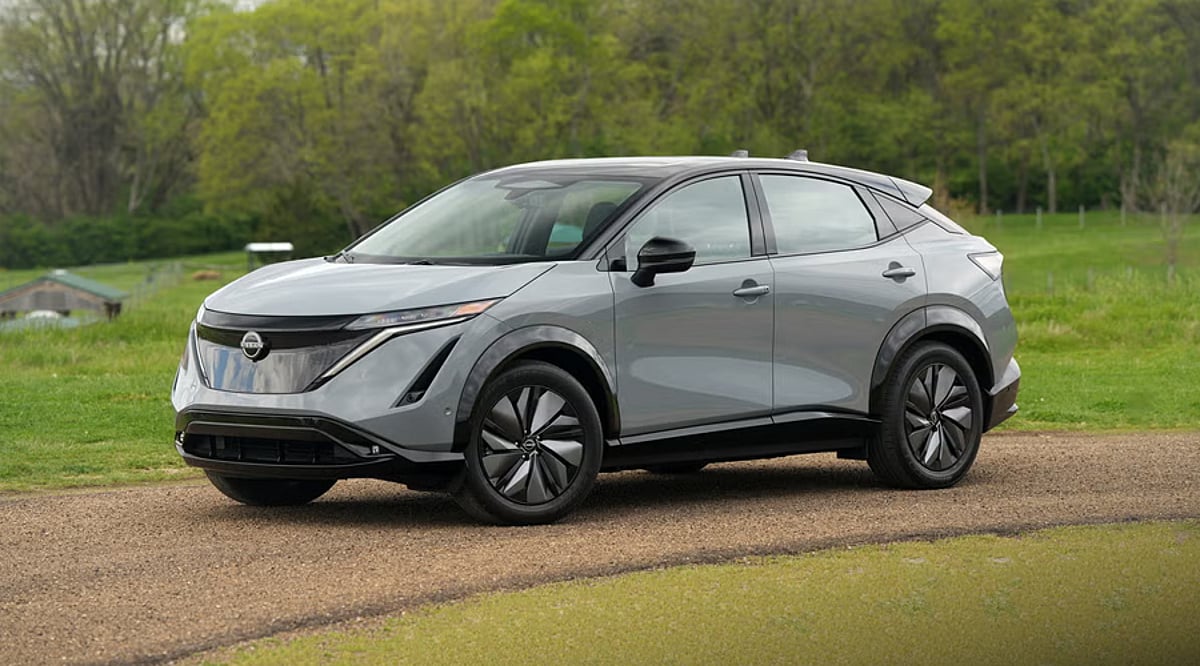
    The Nissan Ariya features a futuristic exterior with smooth lines, a bold front fascia, and aerodynamic enhancements. Inside, the cabin emphasizes simplicity and comfort with a minimalist layout. Premium materials, intuitive controls, and clever storage solutions create a relaxing environment for both driver and passengers during daily commutes or longer journeys.

    Electric Performance Meets Everyday Driving

    The Ariya delivers smooth acceleration and responsive handling through its electric powertrain. Various battery configurations offer options for those prioritizing efficiency or stronger performance. Instant electric torque, quiet operation, and balanced dynamics provide an enjoyable ride while maintaining the practicality expected from a modern family SUV.

    Advanced Technology Enhances the Experience

    Nissan equips the Ariya with intelligent driving aids, connected features, and advanced safety systems. Driver-assistance tools boost confidence on the road, while digital displays and smart connectivity add convenience. These technologies underscore Nissan’s commitment to merging electric mobility with modern digital experiences for everyday users.

    Range and Charging Remain Key Features

    Electric vehicle buyers often evaluate range and charging convenience before purchasing. The Nissan Ariya addresses these concerns with efficient battery options and charging support tailored for daily travel. Improved charging networks and home charging solutions continue to make electric SUVs like the Ariya increasingly practical for consumers worldwide.

    Competition Grows in Electric SUV Market

    The electric SUV segment is becoming highly competitive, with models from Tesla, Hyundai, Kia, and others. Automakers are focusing on longer range, better technology, and attractive pricing. The Nissan Ariya competes by offering a compelling mix of comfort, reliability, and electric innovation for those exploring sustainable transportation.

    Nissan Ariya Represents the EV Future

    As electric vehicle adoption rises, models such as the Nissan Ariya demonstrate how traditional automakers are adapting to evolving consumer preferences. With advanced technology, practical design, and electric performance, the SUV reflects the direction of future transportation. Nissan’s continued EV development could strengthen its position in the rapidly changing global electric vehicle market.

  • Bajaj Auto Buyback Concludes: Stock Holds Above ₹10,000 as ₹5,633 Crore Tender Ends

    Bajaj Auto Buyback Concludes: Stock Holds Above ₹10,000 as ₹5,633 Crore Tender Ends

    Bajaj Auto shares traded above ₹10,000 on July 7, 2026, as the company’s ₹5,633 crore buyback offer entered its final day. Investors closely tracked the tender while weighing the premium offer against the company’s long-term growth trajectory in electric vehicles (EVs), exports, and earnings.

    The stock closed at ₹10,079.50 on the NSE, up ₹43 (0.43%), reflecting sustained investor confidence. The buyback, one of the largest ever by an Indian automobile manufacturer, underscores management’s commitment to shareholder value.

    Buyback Details and Capital Allocation Strategy

    Bajaj Auto is repurchasing 46.94 lakh shares at ₹12,000 per share through the tender offer route. Promoters are not participating, leaving the entire offer open to public shareholders. The move is expected to reduce outstanding equity and improve earnings per share over time.

    Auto Sector in Focus: TVS Motor, Apollo Tyres Also on Radar

    The positive sentiment isn’t limited to Bajaj Auto. Brokerage firm Kotak Institutional Equities has identified TVS Motor and Apollo Tyres as preferred picks for the June quarter, citing easing raw material costs, resilient domestic demand, and favorable product mix. The broader auto sector benefits from healthy financing conditions and rising consumer preference for premium vehicles.

    EV Competition Intensifies

    India’s electric two-wheeler market is becoming increasingly competitive. Bajaj Auto is expanding its Chetak electric scooter range with a cautious approach, balancing market share gains with profitability — a strategy that sets it apart from some rivals focused solely on volume.

    What Investors Should Watch Going Forward

    With the buyback complete, attention shifts to the company’s operational performance. Key metrics include:

    • June quarter earnings
    • Export growth trajectory
    • Chetak EV sales and market share
    • Operating margins
    • Future capital allocation plans
    • Buyback acceptance ratio
    • Management commentary on FY27 demand

    Sustainability of the Auto Rally

    The sector has shown strong momentum, but investors remain cautious about rising EV competition, export market volatility, commodity prices, and rural demand recovery. However, declining input costs, premiumization trends, and solid balance sheets provide a positive medium-term outlook.

    Bajaj Auto’s prudent capital management and consistent profitability position it well in India’s evolving mobility landscape. The buyback serves as a testament to its financial strength, but long-term value hinges on earnings growth, export recovery, and successful execution in EVs.

  • Longest-Range Electric Scooters for Indian Roads: Top Picks for 2026

    Longest-Range Electric Scooters for Indian Roads: Top Picks for 2026

    India’s electric scooter market is booming, and range remains the top concern for buyers. Here are the best EV scooters with the longest claimed range available on Indian roads, combining performance, technology, and practicality.

    Ola S1 Pro Gen 3

    The Ola S1 Pro Gen 3 offers a claimed range of up to 320 km, powerful acceleration, multiple riding modes, and a feature-rich touchscreen dashboard. It is ideal for city commutes and occasional long-distance travel, making it one of India’s most capable electric scooters for everyday riders who prioritize maximum range and modern technology.

    Simple One

    The Simple One boasts a claimed range exceeding 240 km on a single charge. Its sporty styling, powerful motor, spacious under-seat storage, and premium build quality make it perfect for riders seeking long-distance capability without sacrificing performance or comfort.

    Ather Rizta

    Built with families in mind, the Ather Rizta delivers a claimed range of around 159 km. It offers exceptional comfort, generous storage, and reliable software features. Its smooth ride quality, intelligent dashboard, and dependable battery management system make it a practical choice for urban and suburban commuting.

    TVS iQube ST

    The TVS iQube ST provides a claimed range of up to 212 km with premium features like navigation, voice assistance, and connected technology. Backed by TVS’ extensive service network, it offers peace of mind for buyers looking for dependable long-range electric mobility across cities and towns.

    Bajaj Chetak 3501

    Reviving an iconic name, the Bajaj Chetak 3501 blends timeless design with modern electric technology. It delivers a claimed range of over 150 km, with premium metal construction, smooth performance, refined ride quality, and reliable battery management, making it a strong option for everyday urban commuters.

    Vida V2 Pro

    Hero MotoCorp’s Vida V2 Pro offers a claimed range of approximately 165 km, with removable batteries, connected technology, fast charging support, and comfortable ergonomics. Its practical design and expanding service network make it an attractive choice for riders seeking flexibility and dependable daily performance.

    Ultraviolette Tesseract

    The Ultraviolette Tesseract brings futuristic styling, advanced rider-assistance systems, connected technology, and a claimed range of over 260 km. Designed for enthusiasts and premium buyers, it combines long-distance capability with cutting-edge innovation, making it one of the most anticipated electric scooters for Indian roads.

  • Ather Energy Eyes $200 Million QIP to Boost EV Expansion in India

    Ather Energy Eyes $200 Million QIP to Boost EV Expansion in India

    Electric two-wheeler maker Ather Energy is reportedly preparing to raise approximately $200 million (around Rs 1,700 crore) through a qualified institutional placement (QIP) as the company seeks to strengthen its expansion plans following its listing on Indian stock exchanges earlier this year. According to sources familiar with the matter, the share sale could begin as early as next week.

    The Bengaluru-based EV manufacturer has reportedly appointed HSBC, Axis Capital, and Nomura to manage the institutional fundraising. While the final size and timing of the issue remain subject to market conditions, the offering is expected to attract both domestic and global institutional investors.

    Expansion Plans Drive Fundraising

    The fresh capital is anticipated to be used for expanding Ather Energy’s manufacturing capacity, widening its retail footprint, and accelerating the development of new electric vehicle platforms. The company has been progressively increasing its presence in India amid intensifying competition in the electric two-wheeler segment.

    Ather has made aggressive investments in production, dealer network expansion, and innovative product development, as it competes with both established automobile giants and emerging EV startups.

    Increasing Competition in the EV Industry

    India’s EV industry has become increasingly competitive with the entry of new players such as Ola Electric, TVS Motor, and Bajaj Auto. These companies have invested heavily in developing new products, distribution channels, and manufacturing facilities to meet rising consumer demand for electric vehicles.

    Analysts note that further investment will be required for companies to scale operations, improve profitability, and roll out products across various price segments, rather than focusing solely on one market tier.

    Shift in Focus from IPO

    Ather Energy’s new plan to raise funds through an institutional equity offering follows its recent IPO, signaling the company’s determination to push ahead with its expansion strategy despite intense industry competition. This sequence of fundraising efforts indicates a proactive approach to securing capital for growth initiatives.

  • Tesla Stock Surges 8.5% to Nearly $412 After FSD Update and Strong Earnings

    Tesla Stock Surges 8.5% to Nearly $412 After FSD Update and Strong Earnings

    Tesla stock jumped 8.5% in a single trading session, pushing shares close to $412, following the release of a major Full Self-Driving (FSD) software update and fresh regulatory approvals in Europe. The rally underscores investor optimism around Tesla’s autonomous driving technology and its improving financial performance.

    Key Takeaways

    • Tesla stock surged 8.5% after the release of Full Self-Driving Version 14 Lite for older Hardware 3 vehicles.
    • Revenue reached $22.39 billion (16% annual growth), with gross margins improving to 21%.
    • Future growth hinges on robotaxi expansion, energy business development, and maintaining leadership amid rising competition.

    Stock Performance and Market Context

    As of June 30, 2026, Tesla shares traded near $409, closing the latest session at $411.84. The 8.5% daily gain ranks among the company’s largest in recent months. Tesla’s market capitalization now stands at approximately $1.55 trillion, placing it among the world’s most valuable companies.

    Over the past 12 months, Tesla’s stock has ranged from $288.77 to $498.83, highlighting persistent volatility. Despite the recent uptick, year-to-date performance remains negative at -8.4%. Daily trading volume remains high at roughly 56 million shares, reflecting sustained interest from both retail and institutional investors.

    Catalyst Behind the Rally

    The primary driver of the stock surge was the rollout of Full Self-Driving Version 14 Lite, a software update designed for older Tesla vehicles equipped with Hardware 3. The update enhances city driving support, route selection, speed control, and safety performance. Investors view autonomous driving as a transformative element of Tesla’s long-term business model, and the positive market reaction was immediate.

    Adding to the momentum, Tesla received additional regulatory approval for its self-driving software in several European markets, including Belgium. This international expansion opens new revenue opportunities and reinforces confidence in Tesla’s autonomous technology roadmap.

    Financial Performance Strengthens

    Tesla reported solid first-quarter 2026 results. Revenue reached $22.39 billion, up 16% year-over-year, demonstrating resilient demand despite intensifying competition in the electric vehicle (EV) market.

    Gross margins improved to approximately 21%, a significant recovery after earlier periods of aggressive price cuts. Operating income surged 91% to $940 million, reflecting tighter cost controls and improved operational efficiency.

    Future Growth Beyond EV Sales

    Tesla’s growth strategy now extends well beyond vehicle sales. Key initiatives include:

    • Cybercab Robotaxi Platform: Production began in early 2026 at Tesla’s Gigafactory in Texas. Success in large-scale robotaxi deployment could create an entirely new revenue stream.
    • Energy Expansion: Tesla has formed partnerships with energy providers to build virtual power plants that support AI data centers, diversifying revenue and reducing dependence on automotive sales.

    Risks to Consider

    Despite strong performance, Tesla carries significant risks. The stock trades at a price-to-earnings ratio above 340, far exceeding traditional automakers and many tech firms. Such high valuation implies extremely ambitious future growth expectations; any shortfall could trigger a sharp correction.

    Competition from Chinese EV makers is intensifying, and delays in products like the next-generation Roadster or large-scale robotaxi deployment create execution uncertainty. Regulatory hurdles for self-driving technology also remain a factor, as approvals vary by country.

    Outlook

    Tesla occupies a unique position, combining EVs, AI, robotics, autonomous driving, and energy infrastructure under one roof. Recent software developments and strong financials have boosted market confidence. However, the stock’s elevated valuation means future performance depends heavily on successful execution over the next 12–24 months.

    At current levels near $409–$412, Tesla remains financially robust with substantial long-term potential. Yet investors must weigh the high expectations embedded in the stock price against the real challenges of competition, regulation, and execution.