
Tag: Export Controls

  • China’s Kimi K3 AI Model Heightens US Anxiety Over Tech Race and Export Controls

    China’s Kimi K3 AI Model Heightens US Anxiety Over Tech Race and Export Controls

    China’s Moonshot AI has released Kimi K3, an open-weight artificial intelligence model that rivals top US systems on several benchmarks. The model’s rapid adoption, low-cost accessibility, and alleged use of advanced computing have reignited US concerns about chip restrictions, model distillation, and China’s accelerating AI capabilities.

    Kimi K3 Narrows the AI Performance Gap

    Kimi K3 is a 2.8-trillion-parameter large language model, making it one of the largest open-weight systems to date. It performs strongly in coding, reasoning, and other tests, approaching or exceeding results from OpenAI and Anthropic models. However, analysts note that benchmarks do not always reflect real-world performance, and full parity with top US models remains debatable. The open-weight release allows developers to download, modify, and run the model on private servers, giving companies more control over data and reducing reliance on paid platforms.

    US Officials Question Chip Access and Training Data

    White House Office of Science and Technology Policy Director Michael Kratsios claimed that Moonshot accessed NVIDIA GB300 systems in Thailand, potentially for model training. He also alleged that Moonshot distilled Anthropic’s Fable during K3’s development. Moonshot has denied both claims. Independent confirmation of the chip access remains lacking, though previous reports indicate Chinese companies have used overseas data centers to circumvent export controls.

    Kimi K3 Tests Washington’s Export Controls

    The launch has intensified debate over whether US export controls can slow China’s AI progress. While Washington restricts advanced chip access, Chinese firms continue releasing competitive models. The proposed Remote Access Security Act would extend controls to cloud-based use of restricted hardware. US officials have also hinted at sanctions for alleged IP theft through distillation. For American AI companies, Kimi K3 adds commercial pressure: a free, competitive model that appeals to developers and startups seeking lower costs and data sovereignty.
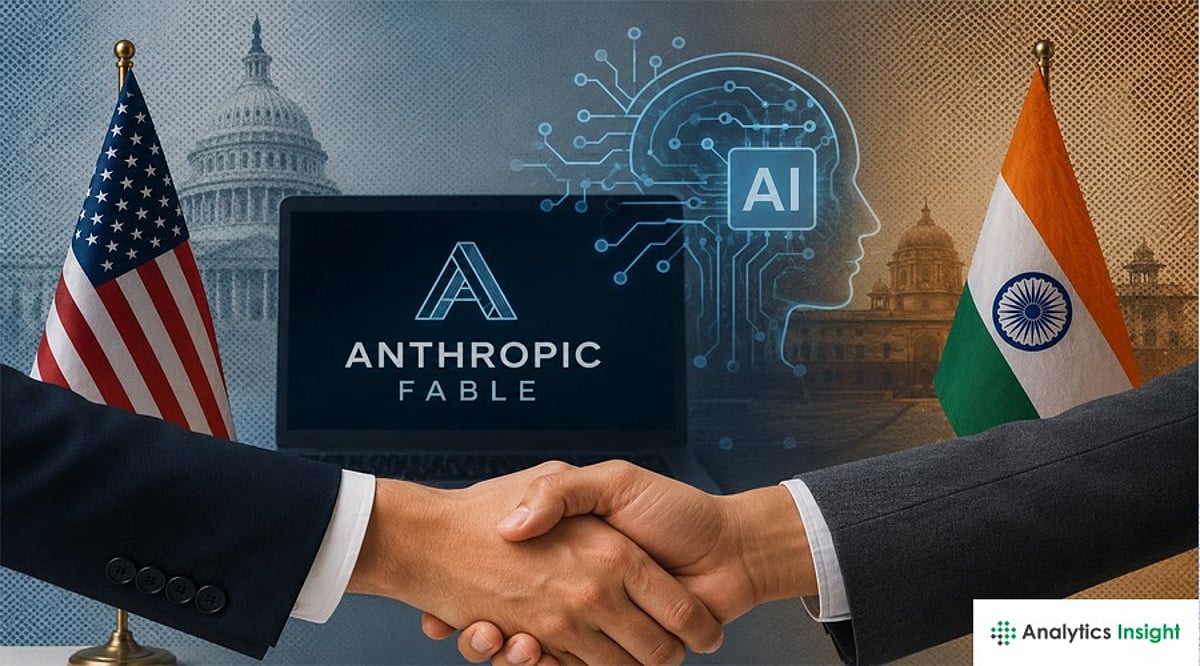
  • India Pushes for Guaranteed Access to Anthropic’s Fable 5 as US-India AI Dialogue Opens

    India Pushes for Guaranteed Access to Anthropic’s Fable 5 as US-India AI Dialogue Opens

    India and the United States have launched high-level discussions focused on the rollout of Anthropic’s advanced Fable 5 AI model. The talks aim to balance the need for trusted partners to gain early, uninterrupted access to frontier AI while managing national security and infrastructure risks.

    Jacob Helberg, US Under Secretary for Economic Affairs, confirmed that both sides share a common understanding of the concerns at stake. The discussions center around national security safeguards, critical infrastructure protection, and the safe deployment of powerful AI systems.

    The US has advocated for a phased release of Anthropic’s latest models, including Claude Fable 5 and Mythos 5, arguing that a gradual approach will protect essential services such as power grids, digital networks, and government operations. India, for its part, has welcomed the dialogue but pressed for long-term assurance that trusted partners will not face sudden disruptions in AI access. Stable and predictable access is essential for India’s growing AI-driven projects in healthcare, education, finance, manufacturing, and public services.

    The negotiations come after the US introduced export controls limiting foreign access to Anthropic’s newest AI technology. MeitY Secretary S. Krishnan noted that India requested clarity on Washington’s long-term policy and commitments to uninterrupted supply for trusted allies. US officials have outlined a framework that could ensure reliable access moving forward.

    Industry experts see these talks as a potential blueprint for future global AI governance. As more nations view frontier AI models as strategic assets rather than ordinary software, the outcome of the Fable 5 discussions could shape how AI companies release advanced technology internationally. A successful agreement would also strengthen the broader technology partnership between India and the United States.