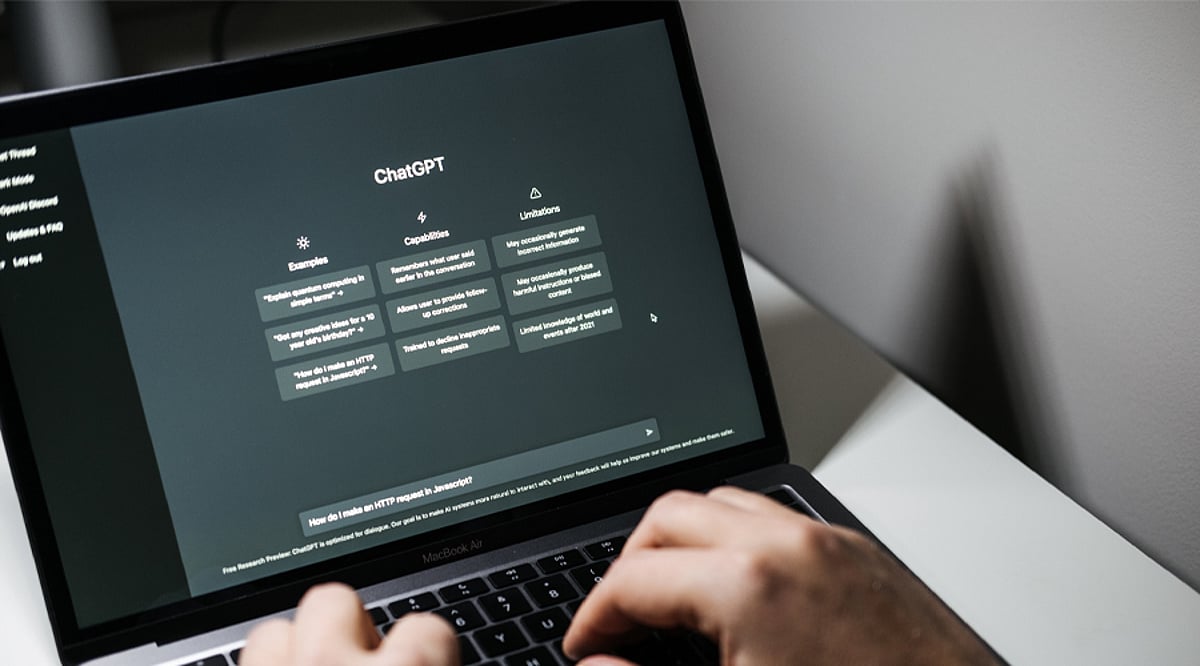
ChatGPT is a powerful assistant, but it doesn’t always get everything right. Whether you are using it for research, work, or everyday questions, it pays to verify the information before relying on it. Here are eight practical strategies to help you determine whether a ChatGPT response is accurate and trustworthy.
1. Review the Sources
Ask ChatGPT to point you to the sources behind its answer. Reliable responses typically draw from official documents, peer-reviewed research, established publications, or reputable websites. Checking those sources can reveal unsupported claims, outdated information, or details that need further confirmation before you accept the response.
2. Verify Key Facts Independently
Check important names, dates, numbers, statistics, quotations, and events against trusted external references such as government websites, official company pages, academic journals, or major news organizations. Independent verification ensures that the most critical details are correct and not merely plausible-sounding.
3. Cross-Compare with Multiple Sources
Don’t rely on a single AI answer. Compare ChatGPT’s response with information from several independent and credible sources. Agreement among reputable sources boosts your confidence, while contradictions signal that the topic may need deeper research or that parts of the answer could be off.
4. Check the Publication Date
AI responses can contain information that was once accurate but has changed. Look for the publication or update date, especially for fast-moving areas like technology, prices, laws, sports, politics, and current events. A fact that was true last year may no longer hold today, so date verification is essential for time-sensitive topics.
5. Ask for Evidence and Reasoning
Ask ChatGPT to explain how it reached its conclusion and to identify the supporting evidence. A follow-up question can expose weak reasoning, missing context, hidden assumptions, or claims that require additional verification before you trust the original answer.
6. Test Specific Claims Individually
Break a long answer into individual claims and verify each important statement separately. This approach helps you spot situations where most of the response is correct but one statistic, date, quotation, technical detail, or conclusion is wrong. Isolating claims makes those errors far easier to catch.
7. Rely on Expert Sources for Specialized Topics
For medical, legal, financial, scientific, or technical questions, compare ChatGPT’s answer with guidance from qualified professionals and authoritative organizations. Experts provide specialized context and nuance that a general AI response may overlook or explain incorrectly.
8. Watch for Overconfidence
Be cautious when ChatGPT uses confident language without providing enough evidence or context. Treat precise claims with extra skepticism when verification is difficult, and avoid assuming that a confident answer automatically means the information is correct. Confidence is not proof of accuracy—keep questioning until you have solid confirmation.
By applying these eight checks, you can use ChatGPT more effectively while reducing the risk of spreading misinformation. Remember that AI is a useful starting point, but it’s not the final authority.