Tag: fair use

  • YouTube Copyright and Community Guidelines Explained: Key Differences and Channel Safety Tips

    YouTube Copyright and Community Guidelines Explained: Key Differences and Channel Safety Tips

    Two Systems, Two Sets of Rules

    YouTube operates copyright enforcement and Community Guidelines enforcement as separate systems, though the same content can sometimes trigger both. Understanding which system issued the notice is the first step in responding correctly, as the resolution for one rarely applies to the other.

    Content ID Claims vs Copyright Strikes

    A Content ID claim is an automated match against a library of registered works. The video usually remains available, but the rights holder can monetize, track, or restrict it. Creators can dispute a claim if they hold the rights or have proper authorization. In contrast, a copyright strike follows a formal removal request from the rights holder. It takes the video down and marks the channel. Three strikes within 90 days can lead to termination and loss of all uploaded videos.

    How Community Guidelines Strikes Build Up

    Community Guidelines cover harassment, hate speech, graphic violence, misinformation, spam, and more, applying to private videos, comments, and thumbnails. A first violation typically results in a warning and content removal without upload restrictions. Serious violations may skip the warning and go straight to termination. Warnings can be cleared by completing policy training and avoiding further violations for 90 days. Repeat violations within that period become strikes, with increasing restrictions: first strike pauses uploads for a week, second for two weeks, third leads to permanent termination.

    Responding to an Enforcement Action

    For copyright strikes, creators can complete copyright school and let the strike expire after 90 days, obtain a retraction from the claimant, or submit a valid counter notice. Community Guidelines warnings and strikes can usually be appealed within six months, while removed content can be appealed within a year.

    Why ‘Just a Few Seconds’ Is Not Automatic Fair Use

    Adding commentary or trimming a clip does not automatically make copyrighted material safe. Fair use depends on the purpose of use, the nature of the work, the amount taken, and the effect on the original’s market. These rules vary outside the United States, so there is no fixed length or word count that guarantees safety.

    Three Habits That Keep a Channel Safe

    • Content Checks: Review copyright and community guidelines before publishing, not after.
    • Account Protection: Enable two-step verification and avoid phishing links or suspicious app permissions.
    • Organized Records: Keep licenses, permissions, and source files ready for any dispute.

    These habits become routine and help avoid scrambling after a strike has landed.

    Final Thoughts

    YouTube’s rules will continue to evolve with new content formats and legal pressures. Creators who integrate policy checks into their regular workflow stay ahead of changes and reduce the risk of enforcement actions.

    Frequently Asked Questions

    What is the difference between a Content ID claim and a copyright strike?
    A Content ID claim is an automated match that may lead to monetization or blocking. A copyright strike follows a formal removal request and can lead to channel termination.

    How many copyright strikes can a YouTube channel receive?
    Three copyright strikes within 90 days can result in channel termination. Copyright strikes and Community Guidelines strikes are separate systems.

    What happens after a Community Guidelines violation?
    A first violation typically results in a warning. Further violations lead to strikes with escalating restrictions within the 90-day period.

    Does fair use protect short clips on YouTube?
    Not automatically. Fair use depends on the circumstances, and there is no fixed clip length that guarantees protection.

    How can creators improve YouTube channel safety?
    By reviewing policies before publishing, using account security measures, and keeping organized records of permissions.
  • AI Copyright Clash: Why Artists, Authors, and Publishers Are Suing AI Companies

    AI Copyright Clash: Why Artists, Authors, and Publishers Are Suing AI Companies

    Why AI Training Data Is at the Center of the Copyright Fight

    Modern AI models rely on massive datasets to learn language, generate images, and understand the world. Those datasets often include copyrighted books, articles, images, music, and other creative works. That has sparked a growing legal war between AI companies and the people who create the content used to train them.

    Major AI Companies Facing Copyright Claims

    OpenAI

    OpenAI is facing multiple copyright lawsuits from authors, publishers, and media companies. The allegations center on the company’s use of books, news articles, and other protected creative works to train its models without obtaining permission from rightsholders.

    Google Gemini

    Google has come under fire over its generative AI systems. Publishers and creators are questioning whether Google can legally use online content to train models like Gemini, especially when that content is protected by copyright.

    Anthropic Claude

    Anthropic, maker of the Claude chatbot, has also faced lawsuits claiming its AI systems were trained on copyrighted books obtained from unauthorized sources. The cases highlight how widespread the practice has become across the AI industry.

    AI-Generated Content Raises New Questions

    Copyright disputes are not limited to training data. They also examine whether AI-generated output can reproduce protected material or closely resemble existing creative works. If an AI model generates text or images too similar to a copyrighted original, questions of infringement arise.

    The Fair Use Defense

    AI companies often argue that training models on copyrighted works qualifies as fair use under certain circumstances. They say the practice is transformative and serves the public interest. Rightsholders disagree, arguing that permission, compensation, or licensing must be required before AI firms use creative works.

    The Bigger Debate

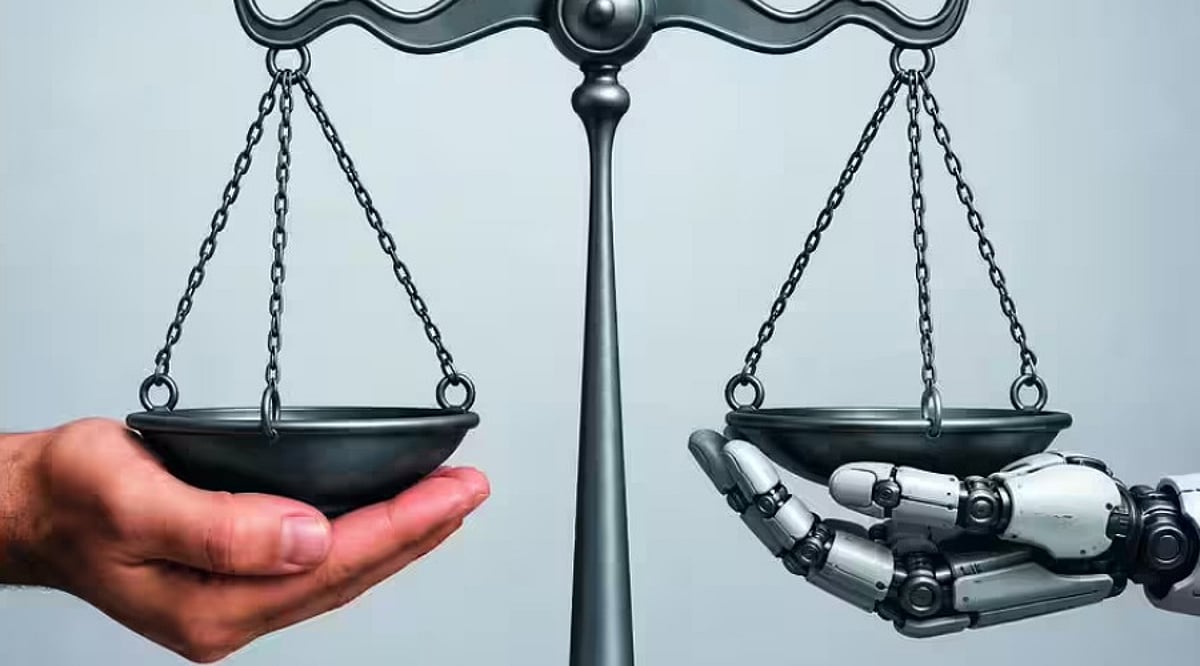
    The battle over AI and copyright is not just about money. It raises broader questions about innovation, ownership, compensation, and how creative industries should adapt to artificial intelligence. Writers, artists, and musicians want clear rules that protect their livelihoods while still allowing AI research to move forward.

    As the lawsuits multiply and regulators take notice, the outcome of these disputes could reshape the future of both AI development and creative work.

  • AI Copyright Showdown in 2026: Key Lawsuits, Fair Use Questions, and What’s Next for Creators

    AI Copyright Showdown in 2026: Key Lawsuits, Fair Use Questions, and What’s Next for Creators

    Generative AI has revolutionized digital content creation, but it has also sparked one of the biggest copyright debates in technology. Courts across the US and Europe are determining whether AI companies can legally use copyrighted artworks without creators’ consent to train image-generating models. The outcomes of these cases could reshape AI development, licensing, and digital creation for years to come.

    The legal issues extend beyond ownership of AI-generated images. They also cover fair use of copyrighted material for AI training, whether AI-generated content infringes existing IP rights, and how creators can be compensated when their work benefits AI models.

    Major Lawsuits Defining the Future of AI Copyright

    Several landmark court cases are underway. Artists Sarah Andersen, Kelly McKernan, and Karla Ortiz are testifying in the closely watched Andersen v. Stability AI case. They argue that their copyrighted work was illegally used to train AI image models from Stability AI, Midjourney, and DeviantArt. This case is expected to become a pivotal development in copyright law and a major influence on AI technology’s future.

    Stability AI also faces lawsuits from Getty Images, which claims the company’s AI tool was trained on millions of its licensed photos without permission. Litigation continues in the US, while a UK court previously ruled against Getty’s copyright claims, allowing only a limited trademark ruling.

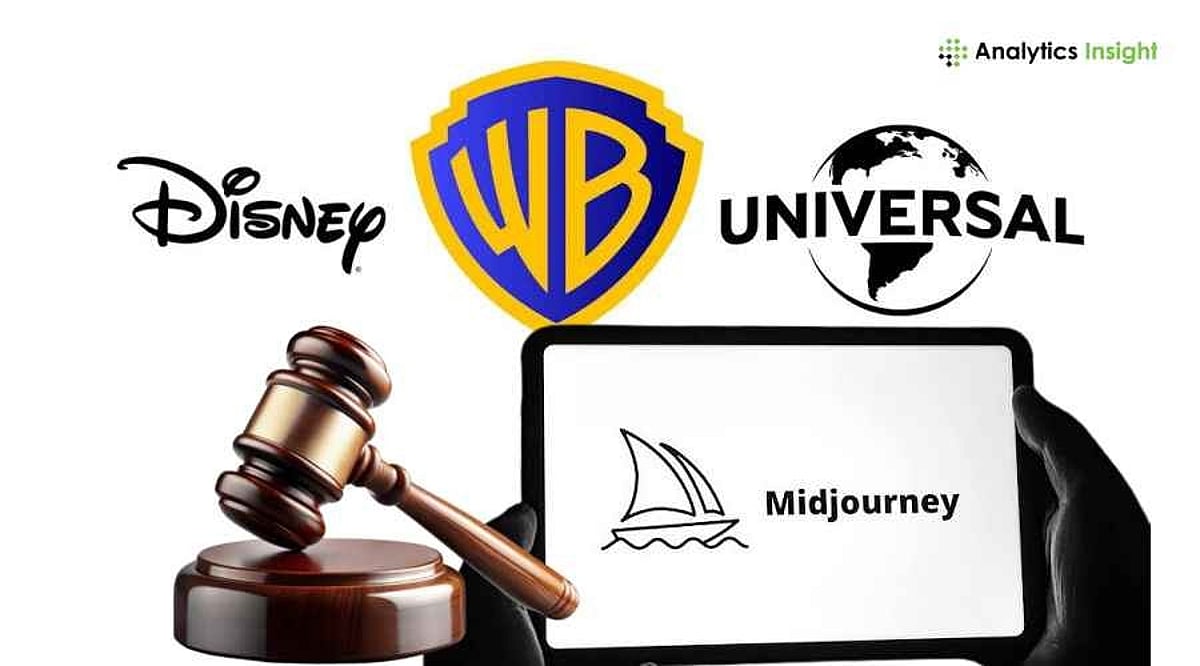
    Meanwhile, Disney, Universal, and Warner Bros have filed lawsuits against Midjourney for allegedly using their characters—including those from Star Wars, Marvel, and Shrek—without permission in its image generator. Midjourney argues its AI training falls under the “fair use” doctrine, making this one of the most important tests of AI copyright law to date.

    Why These Cases Matter

    These landmark decisions will determine whether training AI models on copyrighted art without permission constitutes fair use. The rulings will redefine future technology development, dataset licensing requirements, and fair compensation for digital creators.

    Copyright Rules Continue to Evolve

    Another major issue is whether AI-generated images themselves qualify for copyright protection. The US Copyright Office has long held that works produced solely by AI are not eligible for copyright, reflecting the traditional need for human creativity.

    By late 2025, industry estimates placed the number of generative AI copyright lawsuits—covering training data, generated graphics, and intellectual property rights—at over 50. As AI image generators grow more powerful and popular in advertising, design, entertainment, and marketing, the debate has become more urgent.

    AI companies say they need massive datasets to train innovative models, but artists, photographers, and media companies argue their copyrighted works should not be used without consent or compensation. As governments and courts interpret existing copyright laws for the AI era, 2026 is emerging as a pivotal year. The decisions made now will likely set the course for training AI models, safeguarding creators, and introducing new copyright laws or alternative licensing systems for datasets.

  • Midjourney Demands Disney, Universal, and Warner Bros Disclose Internal AI Projects in Copyright Battle

    Midjourney Demands Disney, Universal, and Warner Bros Disclose Internal AI Projects in Copyright Battle

    In a significant escalation of the ongoing copyright dispute, the AI image generator Midjourney has asked a federal court to compel Disney, Universal, and Warner Bros. Discovery to hand over detailed records of their own internal use of generative AI technology. The demand represents an aggressive tactical shift that could reshape how the courts evaluate evidence in AI-related copyright litigation.

    How the Lawsuit Reached This Point

    Disney and Universal originally filed suit against Midjourney in June 2025, alleging its models could produce unauthorized renditions of iconic copyrighted characters such as Bart Simpson and Darth Vader. Warner Bros. Discovery followed in September 2025, adding its own stable of characters including Batman and Superman. The studios sought an injunction and statutory damages of up to $150,000 per infringing work. Midjourney has consistently argued that its use of publicly available images for training constitutes fair use.

    What Midjourney Is Now Demanding

    The case has moved into the discovery phase, the stage where both parties exchange evidence. Midjourney is now seeking far broader disclosure than initially granted by a court order in June 2026, which limited the studios’ obligations to AI use in consumer products only. The company is asking the court to remove that restriction entirely and require the studios to produce internal documents covering AI business strategies, training datasets, model weights, board-level presentations, and every prompt that studio employees have entered into Midjourney’s platform — not just the specific prompts linked to the allegedly infringing images at the heart of the case.

    The Legal Theory Behind the Request

    Midjourney’s motion relies on the legal doctrine of “unclean hands”: if the studios themselves use generative AI internally for storyboarding or early-stage concept work without properly licensing every image, that could indicate the industry treats such AI training as standard, unlicensed practice. In its court filings, Midjourney contends that this evidence could show the studios are engaging in the very conduct they are suing over. The studios’ lead attorney, David Singer, has dismissed the request as a “fishing expedition,” maintaining that the case is narrowly about stopping unauthorized copying and distribution of copyrighted characters, not about halting AI development or shutting down Midjourney.

    Why This Discovery Fight Matters Beyond This Case

    Legal observers are closely watching the outcome, as the court’s ruling on what evidence is admissible could set a precedent for numerous other AI copyright cases moving through the judiciary. If Midjourney succeeds in obtaining the studios’ internal AI records, it could fundamentally alter how courts weigh fair use arguments and industry-custom defenses in future disputes between AI companies and content owners. For now, the case stands as a pointed illustration of a central tension in the generative AI industry: media companies suing over unauthorized AI training while facing questions about their own internal AI practices.

    This article is based on reporting originally published by Analytics Insight on July 7, 2026.