Tag: fast charging

  • Why Smartphones Charge Fast at First and Slow Down Near 80%

    Why Smartphones Charge Fast at First and Slow Down Near 80%

    Fast charging peaks early, then tapers near 80% as batteries approach their voltage limit. The slowdown reflects deliberate engineering, not a fault. Peak wattage rarely tells the full story. Brands like OnePlus, Samsung, Xiaomi, and Apple each balance speed against battery longevity differently.

    Fast charging is not constant. It runs hardest early and tapers as the battery fills, a pattern rooted in lithium-ion chemistry, not a flaw. The 80% slowdown is common but not fixed. The point where the curve turns conservative varies by phone, battery design, and temperature. Advertised wattage numbers describe a peak, not the average speed across a full charge, and real examples from major brands show why that gap matters.

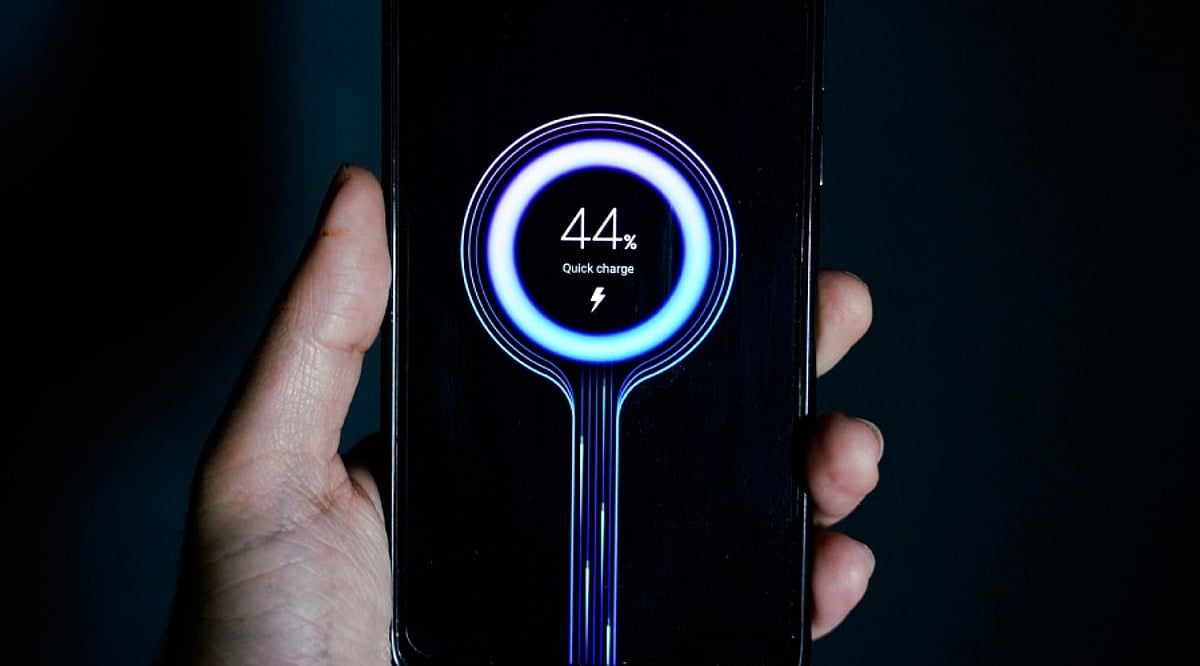
    A phone does not charge at one steady speed. It pushes hard early, while the battery can take it, then pulls back near the top. That is why 50% can arrive in minutes, while the last 20% takes far longer. The slowdown is not weakness—it is the system managing power without adding extra heat or stress.

    The Battery Is Not a Simple Container

    Lithium-ion cells store energy by moving lithium ions between two electrodes through a liquid electrolyte. Charging pushes these ions in one direction. That movement generates heat on its own. Faster ion movement builds more heat, and repeated heat exposure wears down the electrode material over time. Every charging system balances speed against long-term battery health.

    How Fast Charging Pushes More Power Early

    A fast charger communicates with the phone’s charging system to set an appropriate voltage and current level. The phone then decides how much of that available power actually reaches the battery. Early in the cycle, the battery can generally accept higher power without reaching its upper voltage limit. The controller uses this room to push more energy in fast. This is why the first stretch of charging feels dramatic. The Redmi Note 14 Pro Plus supports 120W HyperCharge and filled its 5,110 mAh battery in 21 minutes during independent lab testing by GSMArena. That result shows how much charge can land in a short early window.

    Why Charging Slows Near 80%

    Charging happens in two stages. First comes a fast stage where the charger sends a strong, steady current. Then comes a slower stage where the charger holds the voltage steady instead. As the battery fills up, it gets closer to its top voltage limit. At that point, it cannot safely take in as much current. The system starts to ease off by lowering the current while keeping the voltage close to its target. This change does not happen all at once. Your phone does not simply turn off fast charging the moment it hits 80%. The drop in power happens smoothly over time. This is why 80% feels less like a hard stop and more like the point where charging starts to slow down and play it safe.

    Why 80% Is Not a Fixed Number

    Not every phone slows down at the same point. Some phones start tapering off earlier than others. Some keep up higher speeds for a longer stretch. This difference comes from the battery’s chemistry, the way the cells are built, and how the manufacturer tunes the charging software. Heat plays a role too, separate from the charge level shown on screen. A phone that warms up while charging, whether from a hot room or from apps running in the background, may see its charging speed drop no matter how full the battery already is.

    How Different Brands Handle It

    Each company takes its own approach to this problem. OnePlus pushes high power early in the charging cycle with its SuperVOOC system, seen in phones like the OnePlus 12. Samsung takes a calmer approach with its 45W charging. The Galaxy S24 Ultra reaches about 65% charge in 30 minutes, based on the company’s own test results. Xiaomi uses dual-cell and multi-cell batteries in its HyperCharge lineup. This design spreads out the load, which helps manage current, voltage, and heat while keeping power high for a longer stretch. Apple goes a different route entirely. Its iPhones charge at fairly modest speeds compared to many Android rivals. Instead, the Optimized Battery Charging feature slows down the final stretch when it senses the phone will stay plugged in for a while.

    Peak Wattage Is Not the Same as Charging Speed

    Marketing tends to skip this part: peak wattage is a snapshot, not a measure of the full session. A phone paired with a high-wattage charger does not draw that output from zero to full. It touches that peak briefly, then pulls back as voltage rises, temperature shifts, or the battery nears its limit. Two phones with matching wattage ratings can still charge at different real speeds, since each sustains its peak for a different length of time. Comparison charts rarely mention this, yet it explains more about real charging performance than the headline number ever will.

    What This Means for Battery Health

    Anyone who does not need a full battery every day can stop charging below 100% to cut down time spent at a high state of charge. Many phones already build this kind of management into their software, rather than leaving the choice entirely to the user. The point is not to avoid fast charging—it is to avoid unnecessary heat and long stretches near full charge.

    Final Thought

    The slowdown near 80% is not proof that fast charging has stopped working. It marks the point where a phone shifts its priority from raw speed to control. Early on, the battery accepts power quickly. Near its limit, the system pulls back current, manages heat, and finishes the job with care. Peak wattage only tells part of that story. The full charging curve, not the number printed on the charger box, is what actually shapes the experience.
  • 7 Key Factors Behind EV Battery Range Loss: What Every Driver Should Know

    7 Key Factors Behind EV Battery Range Loss: What Every Driver Should Know

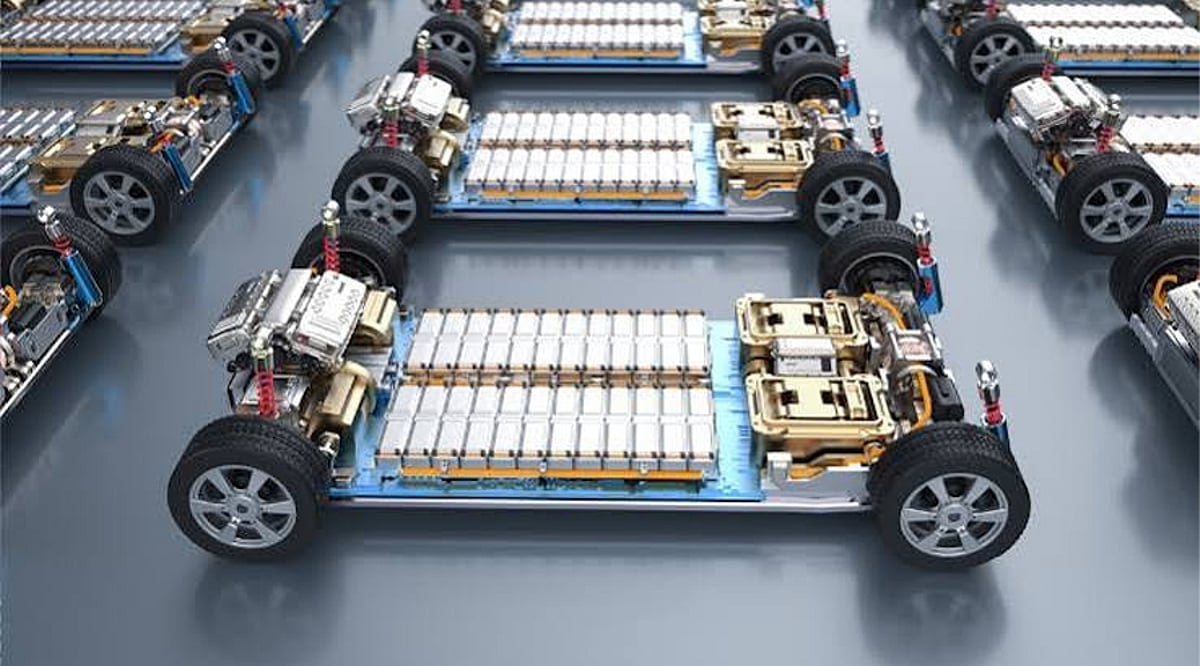
    Electric vehicle (EV) batteries gradually lose their ability to hold a charge, reducing driving range over time. Understanding the reasons behind this degradation can help drivers adopt habits that extend battery life. While many factors are at play, here are seven critical ones every EV owner should understand.

    1. Battery Chemistry and Natural Degradation

    Lithium-ion batteries undergo chemical and physical changes with repeated use, reducing their energy-storage capacity. The rate of degradation depends on battery chemistry, climate, charging habits, and thermal management systems.

    2. High Temperatures and Heat Exposure

    Extreme heat accelerates unwanted chemical reactions inside battery cells, leading to faster capacity loss. Modern EVs have thermal management systems, but prolonged exposure to high temperatures can still contribute to aging. Parking in shaded or cooler areas can help mitigate this effect.

    3. Frequent Fast Charging

    DC fast charging generates more heat and places greater stress on battery cells compared to slower charging. While convenient for quick top-ups, relying excessively on fast charging can hasten degradation. Balancing fast and regular charging promotes long-term battery health.

    4. Extended High or Low Charge Levels

    Keeping the battery at very high (near 100%) or very low (near 0%) charge for prolonged periods stresses the cells. Manufacturers typically recommend maintaining a charge between 20% and 80% for daily driving to reduce wear.

    5. Repeated Charging and Discharging Cycles

    Each full charge-discharge cycle causes small changes within battery cells. Over time, accumulated cycles reduce usable capacity. Driving patterns and charging frequency directly affect how many cycles a battery experiences.

    6. Battery Age and Calendar Aging

    Even when not used heavily, batteries chemically age naturally—a process known as calendar aging. This occurs alongside cycle-related degradation. Improved battery chemistry and management systems can slow these effects, but age remains an unavoidable factor.

    7. Driving Conditions and Energy Consumption

    Cold temperatures, high speeds, aggressive acceleration, heavy loads, hills, and extensive use of climate control increase energy consumption. These conditions can reduce real-world range without indicating permanent battery degradation.

    By understanding these factors, EV drivers can make informed choices about charging habits, driving style, and vehicle maintenance to maximize battery lifespan and range.

  • Best Fast Charging Power Banks Under ₹2,500 in 2025

    Best Fast Charging Power Banks Under ₹2,500 in 2025

    Never run out of battery again! Here are the best fast-charging power banks that combine speed, capacity, and value—all under ₹2,500.

    Top Picks

    • Xiaomi Power Bank 4i: Offers fast charging, 20,000mAh capacity, and dual output ports.
    • URBN 20,000mAh Power Bank: Slim design with 22.5W fast charging and USB-C support.
    • Ambrane Stylo Boost: Supports Power Delivery and Quick Charge for faster smartphone charging.
    • boAt EnergyShroom PB400: Compact yet powerful with multiple charging ports and fast charging support.
    • Portronics Luxcell: Features high-speed charging, LED battery indicator, and premium finish.
    • Redmi 20,000mAh Power Bank: Reliable dual-port charging with advanced circuit protection.
    • Syska Power Core: A lightweight power bank offering dependable charging for everyday users.
    • Spigen ArcPack: Designed for quick charging with advanced safety and compact portability.

    Each of these power banks delivers excellent performance without breaking the bank. Whether you need a high-capacity backup for travel or a slim companion for daily use, this list has you covered.

  • 10 Fastest-Charging Smartphones to Buy in August 2026

    10 Fastest-Charging Smartphones to Buy in August 2026

    If you’re tired of waiting hours for your phone to charge, 2026 has brought some incredible options that can take you from zero to full in minutes. From 200W speeds to advanced cooling systems, these devices are built for power users, gamers, and anyone who values efficiency. Here are the top 10 smartphones with the fastest charging speeds available this August.

    1. Realme GT 8 Pro

    Supports 150W wired charging, flagship Snapdragon performance, premium display, and rapid battery replenishment for uninterrupted gaming and productivity sessions.

    2. iQOO 15 Pro

    Features 200W fast charging, high-capacity battery, flagship processor, advanced cooling, and exceptional gaming performance with minimal charging downtime.

    3. Xiaomi 16 Pro

    Combines 120W HyperCharge technology, premium cameras, efficient chipset, and long-lasting battery for demanding everyday use and content creation.

    4. OnePlus 15

    Offers 120W SUPERVOOC charging, smooth OxygenOS experience, flagship Snapdragon processor, and reliable battery endurance for power users and gamers.

    5. RedMagic 12 Pro

    Delivers 165W ultra-fast charging, active cooling system, gaming-focused features, and sustained peak performance during extended gaming sessions.

    6. Honor Magic 9 Pro

    Includes 100W wired charging, flagship camera capabilities, AI-powered features, premium OLED display, and dependable all-day battery performance.

    7. Motorola Edge 70 Ultra

    Provides 125W TurboPower charging, clean Android experience, premium design, powerful cameras, and flagship-level performance for multitasking users.

    8. Vivo X300 Pro

    Packs 120W FlashCharge technology, advanced imaging hardware, efficient processor, premium display, and impressive battery optimization for daily performance.

    9. OPPO Find X10 Pro

    Features 100W SUPERVOOC charging, elegant design, flagship camera system, powerful chipset, and reliable battery life for professional users.

    10. Nubia Z80 Ultra

    Offers 120W fast charging, under-display camera, flagship hardware, large battery capacity, and exceptional gaming performance with minimal charging interruptions.

    These smartphones are redefining what it means to stay powered up. Whether you’re a gamer, a creative professional, or just someone who hates waiting, there’s a fast-charging device here for you.

  • Vivo S2 India Launch: Leaked Specs, Price, and Expected Release Date

    Vivo S2 India Launch: Leaked Specs, Price, and Expected Release Date

    Vivo is gearing up to expand its smartphone lineup in India with the upcoming Vivo S2, a device that marks the return of the S-series after nearly six years. According to recent leaks, the phone is expected to launch on August 6, with sales beginning on August 11. While Vivo has teased the arrival, the company has not officially confirmed the date. The Vivo S2 is positioned in the premium mid-range segment, aiming to compete with other high-value smartphones.

    Display and Performance

    The Vivo S2 is rumored to feature a 6.59-inch 1.5K AMOLED display with a 120Hz refresh rate and curved edges. Under the hood, leaks suggest the MediaTek Dimensity 7360 processor, though earlier rumors pointed to a Snapdragon flagship chip. The performance is expected to handle gaming, multitasking, and daily productivity smoothly.

    Camera Specifications

    Leaks indicate a 50MP Sony primary camera with Optical Image Stabilization (OIS), paired with an 8MP ultra-wide lens. On the front, a 32MP camera is expected to support 4K video recording, making the device appealing for selfie enthusiasts and content creators seeking stable, high-quality footage.

    Battery and Charging

    Battery life could be a standout feature. The Vivo S2 is rumored to pack a massive 7,000mAh battery, potentially one of the largest in its segment. Reports also suggest 80W wired fast charging, allowing users to recharge quickly while enjoying extended usage throughout the day.

    Expected Price and Variants

    The Vivo S2 is expected to launch in two variants: 8GB+128GB and 8GB+256GB. Leaked retail listings suggest a starting price of approximately ₹43,000, though some reports indicate it could be under ₹40,000. Final pricing will be confirmed during the official launch event.

    Design and Color Options

    Leaked renders reveal a premium design with a curved display, slim bezels, and a pill-shaped dual-camera module on the rear. Expected color options include White, Pink, and Blue, with earlier leaks also mentioning Sapphire Blue, Regal Bronze, and Silk White finishes.

    Should You Wait for the Vivo S2?

    If the leaks prove accurate, the Vivo S2 could offer a premium AMOLED display, capable cameras, a huge battery, and competitive performance. Since specifications and pricing remain unofficial, it is advisable to wait for Vivo’s official launch event before making a purchase decision based on these reported features.

  • ZENO 100 Pro Smartphone and Powerbanks Launched: Affordable Durability and Fast Charging

    ZENO 100 Pro Smartphone and Powerbanks Launched: Affordable Durability and Fast Charging

    ZENO, a brand under itel, has announced the launch of its powerful combo: the ZENO 100 Pro smartphone and ZENO powerbanks. The ZENO 100 Pro is being touted as the segment’s most affordable smartphone, equipped with military-grade durability (MIL-STD-810H certification) and Ultralink technology for connectivity even in areas without network coverage.

    The smartphone features a 6.6-inch 90Hz HD+ display with DTS-powered sound, a dynamic bar for notifications, and an IR blaster for remote control of appliances. It runs on Android 15 Go with an octa-core Unisoc T7100 processor, offers 3+5GB RAM and 64GB ROM, and includes a 5000mAh battery with 10W charging. Available in Comet Orange, Cloud White, and Black, it is priced at just Rs. 8,599 on Amazon.

    Alongside the phone, ZENO introduced two powerbanks: a 20,000mAh model with 45W fast charging (PD 3.0, QC 3.0, Apple 2.4A), dual output ports, and a digital display, priced at Rs. 2,069 (with an additional 10% discount). The 10,000mAh powerbank features 22.5W fast charging, a twisted lanyard lock cable, and a compact 176g design, available at Rs. 1,299.

    Mr. Arijeet Talapatra, CEO of itel India, stated, “The ZENO Series is a cult in itself – a statement that trendy things can be affordable. Built to complement the hustle of Gen Zs, the all-new ZENO products bring the perfect fusion of design and affordability.”

    Now available on Amazon, the ZENO 100 Pro and powerbanks offer a compelling package for budget-conscious consumers seeking durability and performance.

  • Redmi 17 4G Appears on EU Database with 7,500mAh Battery and 45W Fast Charging

    Redmi 17 4G Appears on EU Database with 7,500mAh Battery and 45W Fast Charging

    The Redmi 17 4G has been spotted on the European Union’s European Product Registry for Energy Labelling (EPREL) database, giving the clearest preview yet of Xiaomi’s upcoming budget smartphone. Although the company has not officially announced the device, the listing reveals key details about its battery, charging speed, and durability.

    Certification listings often disclose specifications before a launch, and the Redmi 17 4G is no exception.

    Massive Battery Could Be the Star Feature

    According to the EPREL entry, the Redmi 17 4G carries the model number 2606FRN72Y. The certification suggests the phone will pack a 7,500mAh battery with support for 45W fast charging, delivering up to 73 hours and 54 minutes of battery life on a single charge.

    Additionally, the battery is expected to retain 80% of its original capacity after 1,000 charge-discharge cycles, ensuring consistent performance over years of use. This long-lasting battery could be the device’s biggest selling point.

    Durability Details Emerge

    The Redmi 17 4G appears to be dust- and splash-proof, earning an IP65 rating. Under EU testing requirements, the phone received a ‘B’ rating for free-fall durability and energy efficiency, and a ‘C’ rating for ease of repair.

    What Else to Expect

    Earlier reports indicate the Redmi 17 4G may feature a 6.9-inch display with a 120Hz refresh rate and be powered by the MediaTek Helio G91 Ultra chipset. The phone is expected to come with up to 6GB of RAM and 256GB of internal storage. For photography, it is rumored to include a 50MP rear camera and an 8MP front-facing sensor.

    Launch Timeline Still Unknown

    Xiaomi has not yet announced a launch date for the Redmi 17 4G. However, devices typically appear in certification databases shortly before release, suggesting an official announcement could be imminent. Based on the EPREL listing, this appears to be a budget-oriented device focused on delivering exceptional battery life.

  • Oppo Reno 16 5G: Premium Camera Phone Under Rs. 70,000 – A Detailed Look

    Oppo Reno 16 5G: Premium Camera Phone Under Rs. 70,000 – A Detailed Look

    Premium Camera System

    The Oppo Reno 16 5G is engineered for photographers, boasting a high-resolution primary camera, advanced image processing, AI portrait enhancements, and excellent low-light performance. It captures crisp, naturally colored photos and stable video, positioning itself as a strong contender for those seeking flagship-level camera capabilities without the premium flagship price.

    AI Imaging Features

    Oppo integrates several AI-powered photography tools that elevate image quality and editing convenience. Features such as AI Eraser, AI Unblur, AI Reflection Remover, and intelligent scene optimization allow users to produce cleaner, sharper, and more polished images without relying on third-party apps or advanced photography skills.

    Flagship-Grade Display

    The smartphone sports a premium AMOLED display with a high refresh rate for fluid animations and responsive interactions. Rich colors, deep contrasts, excellent brightness, and slim bezels provide an immersive experience for watching videos, browsing social media, gaming, or reading content throughout the day.

    Powerful Everyday Performance

    Equipped with a capable processor, ample RAM, and fast storage, the Reno 16 5G handles multitasking, gaming, video editing, and productivity tasks with ease. Software optimizations ensure consistent performance and efficient power consumption during prolonged daily use.

    Long Battery Life and Fast Charging

    A large battery comfortably powers the phone through a full day of regular or heavy usage. Oppo’s fast-charging technology dramatically reduces charging time, enabling users to quickly get back to working, streaming, gaming, or creating content with minimal downtime.

    Premium Design and Build Quality

    The Reno 16 5G features a sleek, lightweight design with premium materials and refined craftsmanship. Its slim profile, comfortable grip, modern color options, and durable construction give it the look and feel of a high-end smartphone while remaining practical for everyday use.

    Is It Worth Buying?

    If your priorities include excellent camera performance, AI-powered photography tools, a premium display, dependable performance, long battery life, and elegant design—all under Rs. 70,000—the Oppo Reno 16 5G deserves serious consideration. It delivers a well-rounded, flagship-like experience that stands out in the premium smartphone segment.

  • Top Affordable Power Banks with Fast Charging in 2026

    Top Affordable Power Banks with Fast Charging in 2026

    Power banks have become everyday essentials as smartphones, tablets, and wearables demand more battery life. A fast-charging power bank reduces charging time while keeping your devices powered during travel, work, or emergencies. In 2026, affordable models offer USB-C Power Delivery, higher wattage, and reliable safety features without stretching your budget.

    Xiaomi 4i 20000mAh 33W – Best Overall

    The Xiaomi 4i stands out as the best budget choice thanks to its 20,000mAh capacity and 33W fast charging. It supports USB-C Power Delivery for Android phones, iPhones, and tablets. The sturdy metal body, multiple safety protections, and ability to recharge devices several times make it an excellent value-for-money option.

    URBN and Ambrane Deliver Great Value

    The URBN 20,000mAh 35W Turbo Power Bank offers one of the fastest charging speeds in its price range. Meanwhile, the Ambrane MiniCharge 20 provides dependable 22.5W charging, a compact design, and multiple output ports. Both models are ideal for users seeking reliable performance at an affordable price.

    boAt and Xiaomi Pocket Pro for Everyday Use

    The boAt EnergyShroom PB401 combines a large 20,000mAh battery with 22.5W fast charging, making it suitable for daily commuters. Those who prioritize portability should consider the Xiaomi Pocket Power Bank Pro, which delivers 33W charging in a compact 10,000mAh design that easily fits into pockets or bags.

    Features That Matter Most

    When buying a budget power bank, prioritize USB-C input and output, Power Delivery support, and fast charging of at least 22.5W. Choose trusted brands that include overcharge, overheating, and short-circuit protection. Multiple charging ports and LED battery indicators also improve convenience for everyday users.

    Which Capacity Should You Choose?

    A 10,000mAh power bank is lightweight and ideal for one or two phone charges, making it perfect for daily commuting. A 20,000mAh model offers multiple recharges for smartphones and can also power tablets or accessories, making it better suited for travel, remote work, and extended outdoor use.

    Final Verdict

    Budget power banks in 2026 deliver impressive fast-charging performance without premium pricing. The Xiaomi 4i remains the best overall choice, while URBN excels in charging speed and Ambrane offers dependable everyday value. Select a model based on your charging needs, portability preferences, and the number of devices you carry.

  • 2026 Portable Charger Buying Guide: Expert Tips on Capacity, Wattage, and Airline Rules

    2026 Portable Charger Buying Guide: Expert Tips on Capacity, Wattage, and Airline Rules

    Choosing the best portable charger in 2026 involves more than just looking at battery capacity. Charging speed, safety features, port compatibility, and airline regulations all play a role in selecting a reliable power bank. This expert guide breaks down everything you need to know to pick a portable charger that works for your devices and lifestyle.

    Step 1: Match the Charger to Your Use Case

    Start by identifying how you’ll use the charger. A daily commuter needs a slim, lightweight model. A traveler juggling a phone, earbuds, and a tablet needs higher capacity and multiple ports. Laptop users require high wattage output, not just a big battery. Outdoor enthusiasts need rugged builds. Matching your scenario first eliminates most of the market and prevents overpaying for unnecessary capacity.

    Step 2: Understand Capacity — mAh vs. Wh

    Manufacturers often list capacity in mAh, but watt-hours (Wh) give a truer picture, especially since airlines now calculate limits in Wh. A 20,000mAh power bank at 3.7V equals roughly 74Wh, well within travel limits. A 30,000mAh bank often exceeds 100Wh, requiring airline approval. For everyday phone use, 5,000–10,000mAh is enough. Travelers should look at 10,000–20,000mAh. Laptop charging usually needs 20,000mAh or more. Real-world output is lower due to voltage conversion and heat loss, so buy above your calculated need.

    Step 3: Check Charging Speed and USB-C PD Support

    Wattage determines how fast capacity reaches your device. A large battery with a 10W output will still charge slowly. Modern phones fast-charge between 20W and 30W. Laptops often need 60W to 100W or more via USB-C Power Delivery (PD). For simultaneous charging of a laptop and phone, a power bank with dual USB-C PD outputs and separate wattage ratings is ideal. USB-C PD is now the standard to prioritize over older proprietary formats.

    Step 4: Examine Ports, Cables, and Ecosystem Fit

    Look for at least one USB-C PD port and a USB-A port for older devices. Some power banks now include fold-out cables, eliminating the need for separate cords. Wireless options like MagSafe and Qi2 have become genuinely convenient in 2026, especially for iPhone users. If you’re deep in one ecosystem, consider accessories that integrate stands or charging docks for multiple devices.

    Step 5: Know 2026 Safety and Airline Rules

    Safety is where many buyers overlook crucial details. Since early 2026, major carriers including American, Delta, Southwest, and Lufthansa have tightened rules after a power bank fire on a runway in South Korea. New ICAO guidelines limit passengers to two power banks, ban storing them in overhead bins, and prohibit mid-flight recharging. Banks under 100Wh (about 27,000mAh) travel without approval. Those between 100Wh and 160Wh need airline sign-off; anything above 160Wh is banned. India’s aviation authority further restricts in-flight charging entirely. Frequent flyers should buy under 100Wh and keep the battery in the seat pocket. Also look for built-in protections against overheating and overcharging. Higher-quality battery cells maintain performance over more cycles. Replace any swollen or damaged battery immediately.

    Why This Matters

    The wrong charger can get flagged at airport security or fail to power your laptop. Understanding these basics upfront saves money, hassle, and the frustration of buying again.

    Quick Selection Framework

    For Apple users, weigh MagSafe or Qi2 convenience against slightly slower wireless speeds. For others, prioritize USB-C PD and multiple ports. Always check Wh for air travel.

    Final Thoughts

    The best portable charger isn’t the one with the biggest mAh number. It’s the one matched to your real use case, with enough wattage to charge fast and a Wh rating that clears airline limits. Buy for how you travel and charge, not for the spec sheet.

    Frequently Asked Questions

    1. What capacity portable charger should I buy in 2026?

    For everyday smartphone use, 5,000mAh to 10,000mAh is enough. Frequent travelers charging multiple devices should consider 10,000mAh to 20,000mAh. Laptops typically require 20,000mAh or higher with sufficient power output.

    2. Why is wattage as important as battery capacity?

    Battery capacity stores charge; wattage determines how quickly it delivers. A high-capacity charger with low output can still charge modern phones and laptops slowly.

    3. Can I carry a portable charger on a flight?

    Yes, but most airlines require portable chargers in cabin baggage, not checked luggage. Check your airline’s rules regarding Wh limits and the number of power banks allowed.

    4. Is USB-C Power Delivery necessary?

    USB-C PD is the preferred standard for most modern smartphones, tablets, and laptops. It enables faster, more efficient charging and offers broader compatibility than older technologies.

    5. How do I choose the best portable charger for my needs?

    Start by identifying your primary use case (commuting, travel, laptop charging). Then compare capacity, wattage, ports, safety features, and compatibility to select the right model.