

Tag: festive season

  • Gold Hallmarking Fee Hikes to Rs 75: How India’s Jewelry Market Is Reacting

    Gold Hallmarking Fee Hikes to Rs 75: How India’s Jewelry Market Is Reacting

    The Bureau of Indian Standards (BIS) has raised the gold hallmarking fee from Rs. 45 to Rs. 75 per article — a sharp increase of nearly 67% just ahead of India’s festive season. Silver hallmarking fees remain unchanged at Rs. 35.

    What Is Hallmarking and Why Does It Matter?

    Hallmarking is a purity check for precious metals. A hallmarked gold item carries the BIS mark, purity details, and a six-digit Hallmark Unique Identification (HUID) number. This helps buyers verify the purity of the gold they purchase.

    Market Impact: Jewelry Stocks Feel the Pressure

    The announcement rippled beyond consumers. Jewelry stocks declined after the fee hike, with Kalyan Jewellers and PC Jeweller shares falling by up to 4%. Lalithaa Jewelry Mart, which recently listed, touched its 5% lower circuit.

    The Rs. 75 fee applies to every gold article, regardless of weight. That means a small gold item and a heavy ornament carry the same basic hallmarking charge.

    Concerns From the Jewelry Trade

    Jewelers send gold articles to BIS-approved testing centers, where pieces are checked before receiving the hallmark and HUID number. The increase has drawn concern from the trade. The All India Gem and Jewelry Domestic Council has asked BIS to review the hike and consult industry members.

    The fixed fee could affect small and lightweight pieces most, since the charge represents a larger share of the item’s value. Businesses may need to decide whether to absorb the cost or pass part of it on to customers.
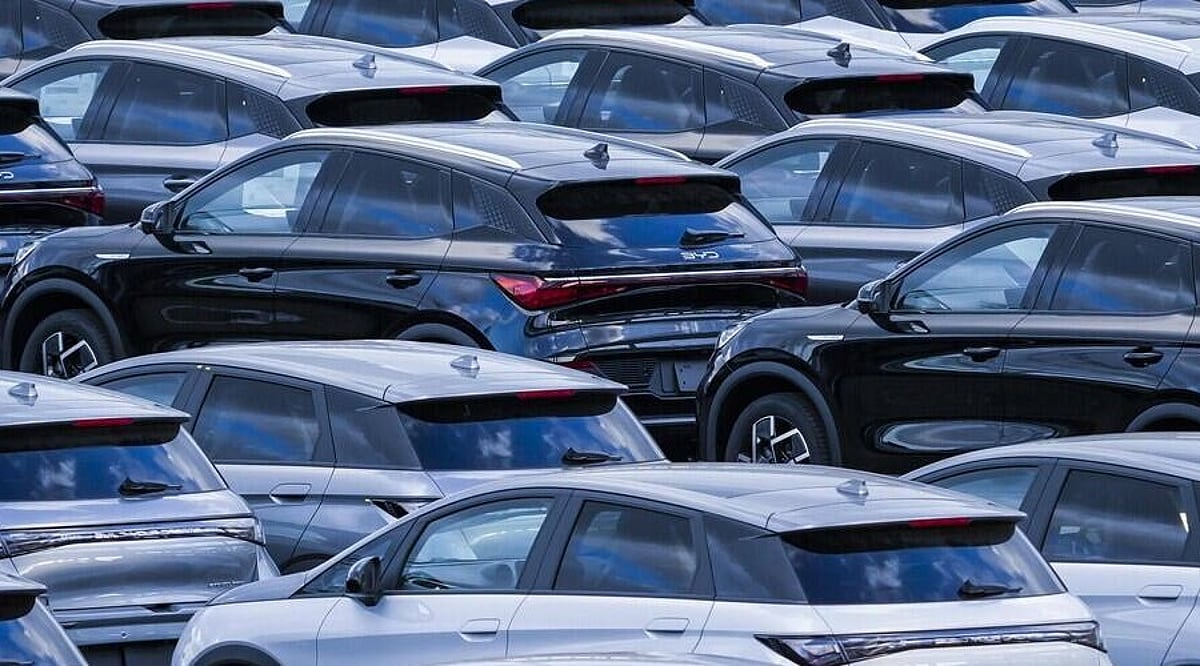
  • India’s Alternative-Fuel Vehicle Sales Overtake Petrol Cars for First Time in August 2026

    India’s Alternative-Fuel Vehicle Sales Overtake Petrol Cars for First Time in August 2026

    For the first time in India, sales of alternative-fuel passenger vehicles—CNG, hybrid, and electric—surpassed those of petrol-powered cars in August 2026, according to the Federation of Automobile Dealers Associations (FADA). The milestone reflects shifting consumer preferences driven by rising fuel costs, concerns over E20 petrol, and a widening selection of alternative-fuel models.

    Alternative-fuel vehicles captured 41.95% of passenger vehicle retail sales during the month, while petrol vehicles accounted for 40.85%. This marks a dramatic reversal from just over a year earlier, when petrol vehicles led alternative-fuel models by nearly 11 percentage points.

    FADA Vice President Sai Giridhar attributed the change to several factors. “This shift was bound to happen,” he said. “Concerns about E20 petrol may have pushed some buyers to consider other fuel options earlier than expected.” He noted that better electric vehicle driving ranges, expanding charging infrastructure, and a broader array of alternative-fuel models now support the trend.

    E20 Petrol and Fuel Costs Drive Buyers

    India is transitioning from E10 to E20 petrol, which contains 20% ethanol, as part of efforts to reduce dependence on imported crude oil. However, some owners of older vehicles have raised concerns about fuel economy and compatibility, fearing that E20 could reduce mileage or harm engines not designed for the higher blend. The government has dismissed these as “wild claims,” but the debate continues as E20 becomes more widely available.

    Higher crude oil prices, exacerbated by the ongoing Middle East conflict, have also heightened attention to running costs for petrol vehicles, accelerating the shift toward alternatives.

    Record August Sales, but Monthly Dip

    India’s total automobile retail sales rose 17.51% year-on-year to 24,23,201 units in August, marking the strongest August performance on record. However, sales fell 6.48% from July, which FADA linked to monsoon conditions and the shifting festive calendar—Ganesh Chaturthi and part of Onam moved into September this year.

    Rural markets outperformed urban areas, with rural vehicle sales climbing 19.79% year-on-year versus 15.17% in cities. Rural passenger vehicle sales surged 24.99%, compared to 10.93% in urban markets.

    Festive Season Outlook and Price Hikes

    Although dealers remain optimistic about the upcoming festive season, vehicle price increases and inflation are key concerns. Maruti Suzuki India announced it will raise prices on selected models by up to Rs 20,000 starting September, its third hike since May. Giridhar warned that further price increases could dampen the demand boosted by recent tax reforms.

    Passenger vehicle inventory rose to 38–40 days by end of July, up by about five days. FADA said demand from September through November will provide crucial insight into festive-season buying behavior, as buyers weigh prices, fuel costs, and their growing array of vehicle choices.