
Tag: Final Fantasy

  • Legendary Boss Battles: The Most Difficult Fights in Gaming History

    Legendary Boss Battles: The Most Difficult Fights in Gaming History

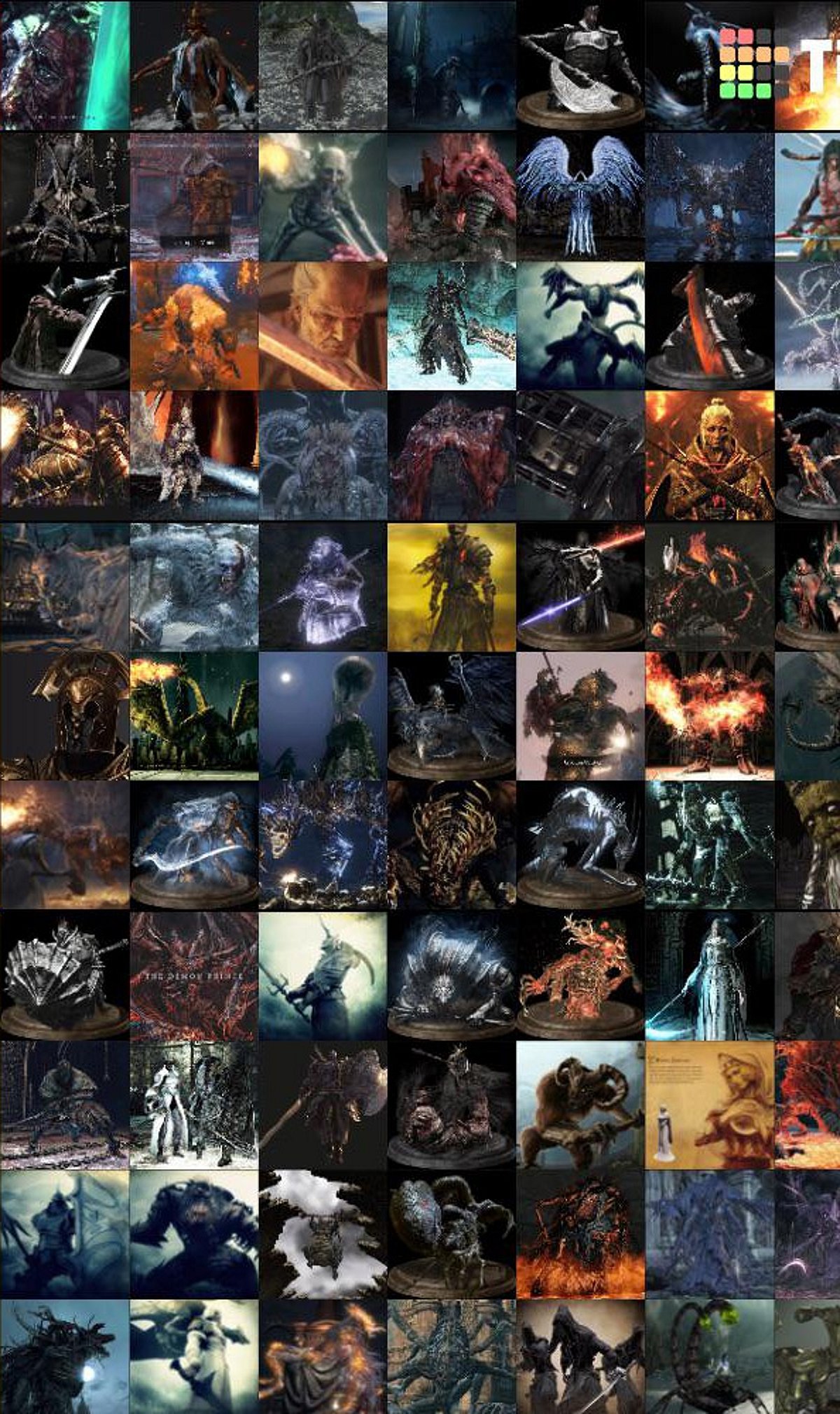
    Some video game bosses are more than just obstacles—they are true tests of skill, patience, and determination. Here are nine of the toughest boss fights in gaming history, each demanding near-perfect execution from players.

    Malenia – Elden Ring

    Malenia’s relentless attacks, healing ability, and unpredictable combos demand flawless timing, patience, and near-perfect mastery from every determined player.

    Sword Saint Isshin – Sekiro: Shadows Die Twice

    Sword Saint Isshin tests every combat skill with multiple phases, lightning attacks, brutal speed, and constant pressure until the very end.

    Orphan of Kos – Bloodborne

    Orphan of Kos overwhelms players using wild movements, devastating strikes, and aggressive second-phase attacks that punish every small mistake harshly.

    Absolute Radiance – Hollow Knight

    Absolute Radiance combines platforming precision, endless projectiles, and difficult attack patterns, making victory feel incredibly rewarding after countless determined attempts.

    Sans – Undertale

    Sans surprises players with nonstop bullet patterns, unexpected mechanics, and unforgiving damage, creating one of gaming’s most unforgettable final encounters.

    Fatalis – Monster Hunter: World Iceborne

    Fatalis requires excellent teamwork, careful preparation, perfect positioning, and sustained damage output to survive its devastating fire attacks and powerful blows.

    The Nameless King – Dark Souls III

    The Nameless King features challenging mounted combat, delayed attacks, and punishing second-phase moves that test patience, timing, and complete battlefield awareness.

    Mike Tyson – Punch-Out!!

    Mike Tyson leaves almost no room for mistakes, demanding split-second reactions, pattern recognition, and exceptional consistency throughout the legendary championship battle.

    Emerald Weapon – Final Fantasy VII

    Emerald Weapon challenges players with overwhelming health, powerful attacks, and strict underwater time limits without proper preparation or strategic planning.
  • Final Fantasy XIV Mobile to Cease Operations Permanently by September 2026

    Final Fantasy XIV Mobile to Cease Operations Permanently by September 2026

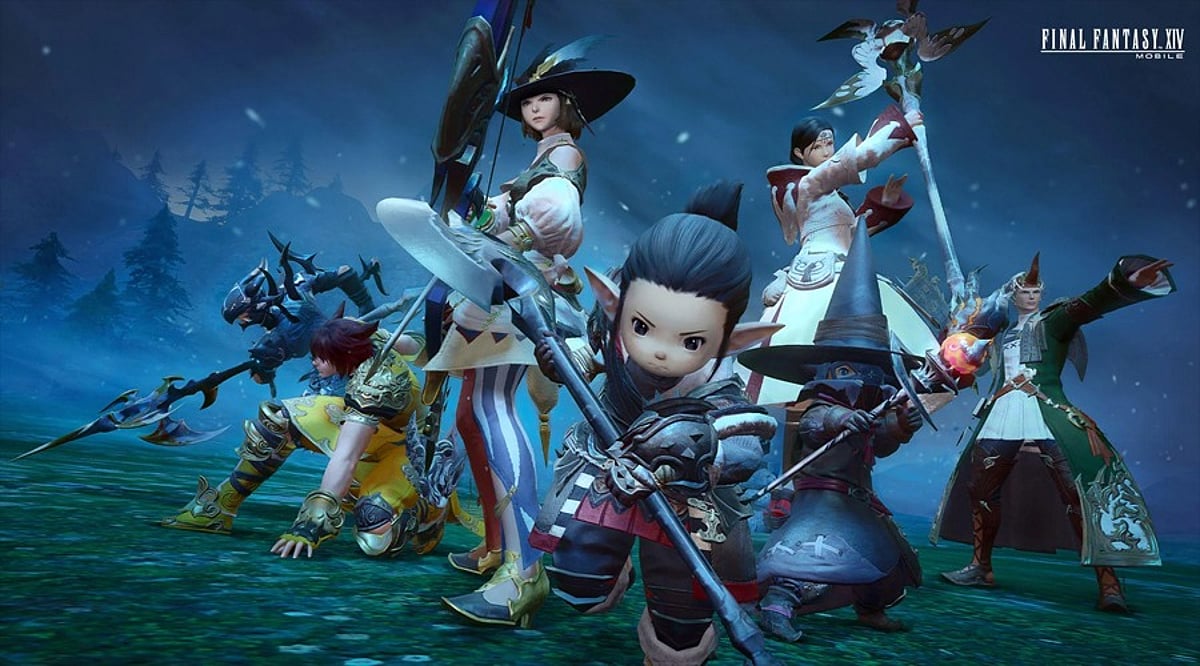
    Square Enix has officially announced that Final Fantasy XIV Mobile will shut down on September 30, 2026, marking the end of a brief run for the mobile adaptation. The company will stop selling in-game items and premium currency ahead of the closure, after which players will no longer be able to log in or access any online features.

    Initially unveiled in November 2024, the game launched exclusively in China. With this impending shutdown, players in other regions will never have the opportunity to experience the title. This move follows Square Enix’s earlier announcement that Final Fantasy 7: Ever Crisis would be removed on October 16. While the company has not disclosed the specific reasons for these closures, industry analysts note that declining player activity or shifting business priorities often lead to such decisions.

    What’s Next for the Final Fantasy Franchise

    Despite the mobile game’s closure, the broader Final Fantasy series remains active. The main Final Fantasy XIV online title continues to receive updates and expansions. Several other projects are in development, including the next installment in the Final Fantasy VII Remake series. Upcoming titles include HD-2D Final Fantasy Resonance, scheduled for release on October 22, 2026, and Final Fantasy 7 Revelation, set for Spring 2027. Square Enix has emphasized that the franchise remains one of its top priorities.

    Strategic Shift in Mobile Gaming

    The shutdown of Final Fantasy XIV Mobile reflects Square Enix’s evolving approach to mobile games. Maintaining an online title requires substantial resources, and without a sustained player base, continued support becomes economically unfeasible. The company appears to be focusing on mobile projects with stronger long-term viability, even if that means retiring older or underperforming games. This decision underscores the publisher’s willingness to adapt to changing market conditions.