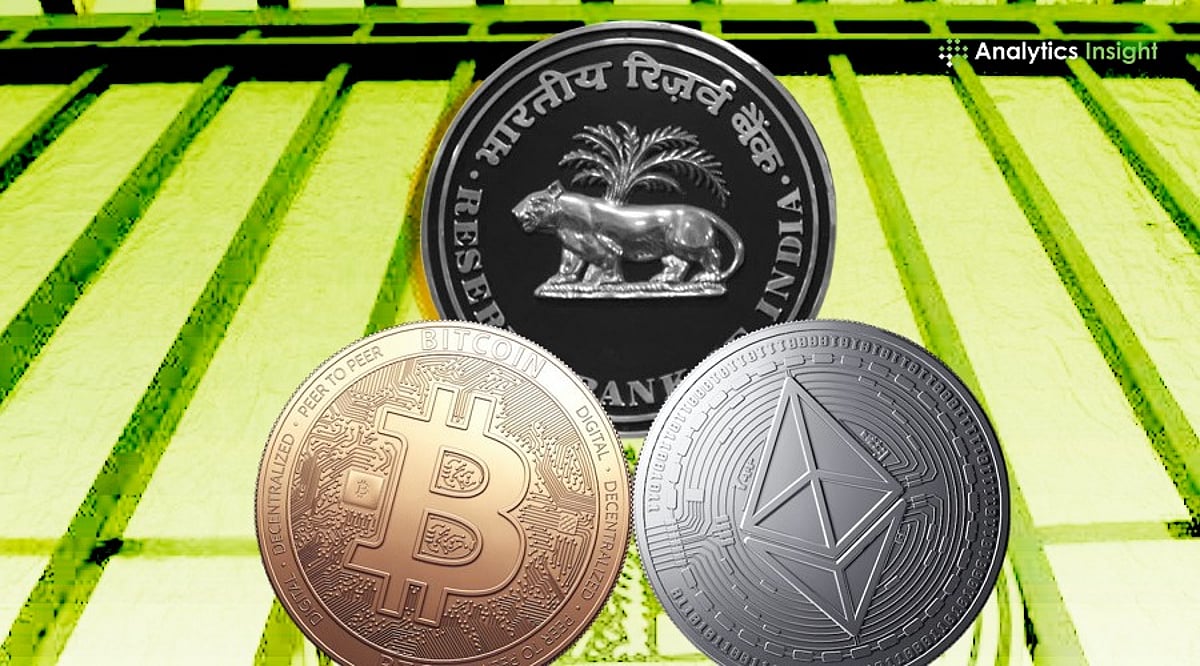
Tag: financial stability

  • Top Gold-Holding Nations in 2026: US Dominates as China and India Expand Reserves

    Top Gold-Holding Nations in 2026: US Dominates as China and India Expand Reserves

    Central banks worldwide continue to rely on gold as a cornerstone of financial stability, reserve diversification, and economic confidence. As of 2026, the United States maintains its commanding lead in official gold reserves, while China and India steadily build their holdings. Despite a slowdown in central bank purchases during the first half of the year, gold remains a trusted asset in global finance.

    United States Far Ahead

    The United States holds the largest official gold reserve in the world with 8,133.5 metric tons, representing about 83% of the country’s total foreign exchange reserves. No other nation comes close; the U.S. stock alone exceeds the combined holdings of Germany and Italy, the second and third largest holders. This position has remained virtually unchanged for decades.

    European Nations Hold Strong Positions

    Germany ranks second with 3,350.3 metric tons of gold, followed by Italy (2,451.8 metric tons) and France (2,437 metric tons). Gold forms more than 80% of the official reserves in all three countries. Combined, euro area reserves exceed 10,800 metric tons, surpassing any single nation’s holdings.

    Russia and China Build Strategic Strength

    Russia holds 2,313.4 metric tons (fifth place), while China follows closely with 2,304.7 metric tons according to the World Gold Council. The People’s Bank of China added about 15 metric tons in June 2026—the largest monthly increase since 2023—marking 20 consecutive months of purchases. This reflects a clear long-term strategy to diversify reserves and strengthen financial security.

    India Moves Higher

    India holds 880.5 metric tons of official gold, ranking eighth in the world. Gold accounts for roughly 18% of the country’s foreign exchange reserves. The Reserve Bank of India has steadily expanded its holdings in recent years. Indian households own far more gold than the central bank, making the country a major overall owner of the precious metal.

    Other Notable Holders

    Switzerland ranks seventh with 1,039.9 metric tons, Japan holds about 845.9 metric tons, and the Netherlands completes the top ten with approximately 634.7 metric tons. Reserve strategies vary: Switzerland uses gold as part of a balanced portfolio, while Japan keeps only a small share of its reserves in gold.

    Central Bank Confidence Remains Strong

    The World Gold Council reports that central bank purchases slowed sharply in the first half of 2026—only 57 metric tons in Q1 (the lowest in 15 years) and about 345 metric tons total in H1. Even so, central banks still account for nearly one-third of global gold demand. A 2026 survey found that 89% of reserve managers expect global gold reserves to rise in the next 12 months, and a record 45% expect their own institutions to increase holdings. Gold continues to offer stability, liquidity, and protection against financial and geopolitical risks.

    Frequently Asked Questions

    1. Which country has the largest gold reserves in 2026?

    The United States leads with 8,133.5 metric tons.

    2. Why do central banks hold gold?

    Gold provides financial stability, diversifies reserves, protects against economic uncertainty, and strengthens confidence in a country’s financial system.

    3. Which countries are in the global top five for gold reserves?

    The United States, Germany, Italy, France, and Russia hold the five largest official gold reserves.

    4. Has China increased its gold reserves in 2026?

    Yes, China continued adding gold during 2026 as part of its long-term reserve diversification strategy.

    5. Why is gold still important despite slower central bank purchases?

    Gold remains a trusted store of value, offering liquidity, stability, and protection during financial and geopolitical uncertainty.

  • Central Banks Accelerate Gold Purchases in 2026: Diversification, De-Dollarization, and Geopolitical Stability Drive Record Demand

    Central Banks Accelerate Gold Purchases in 2026: Diversification, De-Dollarization, and Geopolitical Stability Drive Record Demand

    Central banks worldwide continue to increase their gold reserves in 2026, signaling a major shift in how reserve managers protect national wealth. Gold is no longer merely a traditional safe asset; it is now viewed as a strategic reserve that bolsters financial stability during periods of global uncertainty.

    Key Takeaways

    • Central banks view gold as a strategic reserve that strengthens financial resilience during global uncertainty.
    • Diversification away from the US dollar is driving long-term growth in official gold holdings.
    • Strong central bank demand continues despite record gold prices, supporting the metal’s long-term outlook.

    Countries Look Beyond the US Dollar

    Many central banks now aim to reduce heavy reliance on a single reserve currency. Gold offers a valuable alternative since no government or financial institution controls its value. This feature gives central banks greater flexibility during periods of political or economic stress.

    Reserve managers also seek stronger protection against financial sanctions and changing global alliances. These concerns encourage many countries to expand gold reserves while keeping a balanced mix of reserve assets. The World Gold Council survey shows that many reserve managers expect the share of US dollar reserves to decline over the coming years while gold gains a larger role.

    Geopolitical Tensions Support Gold Demand

    Global conflicts and rising political tensions continue to shape reserve strategies in 2026. Trade disputes, regional wars, sanctions, and diplomatic disagreements create uncertainty across financial markets. Gold remains attractive during such periods since it carries no credit risk and no foreign issuer controls it.

    Central banks value this independence and continue to strengthen national reserves with additional gold. Analysts also expect geopolitical risks to remain one of the strongest long-term factors that support official gold demand.

    Gold Adds Balance to Reserve Portfolios

    Central banks usually hold foreign currencies, government bonds, and other financial assets. Gold adds another layer of protection that works differently from these traditional reserves. Government bonds depend on fiscal policy, interest rates, and currency performance. Gold often follows a different path during market stress, which helps create a more balanced reserve portfolio. This diversification reduces overall financial risk and improves reserve strength during uncertain periods.

    Rising Debt Raises Fresh Concerns

    Government debt continues to expand across many large economies. Higher debt levels create concerns about long-term fiscal stability and the future value of paper currencies. Central banks respond by increasing exposure to assets that carry no liability from another country. Gold fits this requirement since it exists as a physical reserve asset with lasting value. This quality makes gold an important part of long-term reserve planning as governments face rising borrowing needs and uncertain fiscal conditions.

    Official Purchases Stay Strong Despite High Prices

    Gold prices reached record levels during 2026, yet central banks continued to add more metal to their reserves. The World Gold Council initially estimated official gold purchases at 244 tonnes during the first quarter of 2026. It later revised the estimate to 57 tonnes following updates to reporting methodology and data classification. Poland and Uzbekistan led reported purchases during the quarter, while China also continued steady accumulation.

    Later analysis revised the first-quarter estimate to 57 tonnes after changes in data classification and reporting methods. The revised figures also showed that central banks and sovereign wealth funds purchased about 345 tonnes during the first half of 2026, which marked the lowest six-month total since 2022. Even with this revision, analysts still describe central banks as dependable long-term buyers that continue to support the gold market through structural demand rather than short-term market movements.

    Confidence in Gold Remains High

    Gold also strengthens confidence in a country’s financial position. Large gold reserves signal strong reserve quality and improve trust in national balance sheets. Many central banks now store more gold within their own borders to strengthen control over strategic reserves. This approach reflects a wider effort to improve financial resilience during uncertain times. Gold also offers high liquidity, which allows central banks to access value quickly whenever financial markets face stress.

    Why This Matters

    The gold reserves of central banks are major contributors to global financial stability, currency confidence, and investment patterns. The increase in official demand showcases a big change in the management of reserves and priorities in the global economy. This development influences gold prices, foreign reserves, and other financial markets.

    Gold Will Remain a Strategic Reserve Asset

    Central bank demand for gold reflects long-term planning rather than short-term price movements. Reserve managers continue to value gold for its independence, liquidity, stability, and ability to strengthen national reserves. Recent revisions in quarterly purchase data highlight the difficulty of tracking official buying rather than any loss of confidence in gold. The latest surveys, market data, and analyst views all point toward one clear conclusion: Gold will continue to hold a central place in global reserve management as countries prepare for a more uncertain financial and geopolitical landscape.

    FAQs

    1. Why are central banks buying more gold in 2026? They are increasing gold reserves to diversify assets, reduce reliance on the US dollar, and strengthen financial stability amid geopolitical and economic uncertainty.
    2. Does higher gold buying mean countries are abandoning the US dollar? Not entirely. Most central banks are diversifying their reserves rather than replacing the dollar completely.
    3. Why is gold considered a strategic reserve asset? Gold has no credit risk, is highly liquid, retains long-term value, and is not controlled by any single government.
    4. Are central banks still buying gold despite record prices? Yes. Although first-quarter estimates were revised, central banks remain consistent long-term buyers driven by strategic objectives rather than short-term price movements.
    5. How does central bank gold buying affect investors? Strong official demand can support long-term gold prices and reinforces gold’s role as a safe-haven asset during periods of market uncertainty.
  • Why the RBI Warns Private Cryptocurrencies Threaten Emerging Economies Like India

    Why the RBI Warns Private Cryptocurrencies Threaten Emerging Economies Like India

    The Reserve Bank of India (RBI) has reiterated its warning that private cryptocurrencies pose significant risks to emerging economies like India. In its latest comments before a parliamentary standing committee, the central bank underscored that virtual digital assets (VDAs) should not receive legal recognition as they could undermine the country’s financial system.

    According to RBI officials, private cryptocurrencies operate outside the control of India’s financial system, creating risks that are difficult to manage. The central bank supports strict restrictions rather than full legal approval, emphasizing that innovation is welcome only when it protects the economy.

    Loss of Control Over the Economy

    One of the RBI’s primary concerns is the potential loss of control over India’s monetary system. Central banks manage money supply, interest rates, and inflation to maintain economic stability. If cryptocurrencies become widely used for savings or payments, fewer people may rely on the Indian rupee, reducing the RBI’s ability to implement effective monetary policy. This risk is amplified if foreign stablecoins gain acceptance, as they are tied to currencies like the US dollar rather than the rupee.

    Financial Stability Risks

    The RBI warns that cryptocurrencies can cause financial instability due to their extreme price volatility. A digital asset may surge in value one week and plummet the next, leading to heavy investor losses. If a large portion of household savings shifts into cryptocurrencies, a market downturn could reduce consumer spending and savings, affecting the broader economy. Unlike bank deposits, cryptocurrencies lack government backing or deposit insurance, leaving investors unprotected if a platform fails or a token collapses.

    Illegal Transactions and Tax Compliance

    Another major concern is the facilitation of illegal activities through cryptocurrencies. Cross-border transactions and offshore exchanges make it difficult for authorities to track money movements, potentially enabling money laundering, tax evasion, and financing of unlawful activities. Even when suspicious transactions are identified, enforcement is challenging if the platform is based abroad.

    India taxes cryptocurrency profits at 30%, with a 1% Tax Deducted at Source (TDS) on many transactions. However, tax compliance remains weak. Despite nearly 39 million crypto holders and digital assets worth $2.1 billion as of May 2026, fewer than 25% of traders correctly reported their holdings in 2022-23. Offshore exchanges and private wallets exacerbate this issue.

    Greater Vulnerability of Emerging Economies

    The RBI believes developing countries face higher risks than advanced economies. India’s financial system relies heavily on banking for economic growth. A shift of household savings from banks to cryptocurrencies could reduce deposits, limiting loans to businesses and consumers. Additionally, investments in foreign-backed digital assets may pressure the Indian rupee, especially during economic uncertainty.

    Digital Rupee as the Preferred Alternative

    Instead of supporting private cryptocurrencies, the RBI promotes the Digital Rupee (e₹), India’s Central Bank Digital Currency (CBDC). Unlike private digital assets, the Digital Rupee is issued and backed by the RBI, offering digital payment speed and convenience while maintaining official monetary oversight. This approach allows financial innovation without exposing the economy to the uncertainties of private crypto assets.

    With nearly 39 million Indians holding virtual currencies worth $2.1 billion, the debate over cryptocurrency regulation is crucial. The RBI continues to advocate for financial innovations that ensure stability as India advances its digital economy.

  • RBI Warns Against Crypto Legalization, Citing Threats to India’s Financial Stability

    RBI Warns Against Crypto Legalization, Citing Threats to India’s Financial Stability

    The Reserve Bank of India (RBI) has firmly opposed the legalization of virtual digital assets (VDAs), warning that cryptocurrencies pose significant risks to the country’s monetary and financial stability. During a parliamentary briefing on Thursday, the central bank urged lawmakers to maintain the prohibition on private crypto assets as India reviews its digital currency strategy.

    RBI Flags Crime Risks and Offshore Enforcement Gaps

    The Parliamentary Standing Committee on Finance examined virtual digital assets and possible policy responses during its seventh meeting on the subject. BJP lawmaker Bhartruhari Mahtab chaired the session, which included representatives from the RBI and the Institute of Chartered Accountants of India (ICAI). The meeting also reviewed progress in India’s central bank digital currency pilot, commonly known as the digital rupee.

    The RBI told the panel that privately issued digital assets create complex regulatory, tax, and enforcement challenges. It also warned that criminals could use digital money for terror financing, narcotics smuggling, and other illegal activities. The central bank said offshore crypto entities remain difficult for Indian authorities to track, as cross-border platforms can operate outside domestic oversight.

    To support its position, the RBI cited China and Qatar as countries that prohibit similar financial activities. It also noted that the European Union allows VDAs through a strict regulatory framework with extensive controls.

    “It is encouraging to see the RBI reinforce the critical distinction between speculative crypto assets and Real-World Asset (RWA) tokenisation before the Parliamentary Standing Committee on Finance,” said Edul Patel, CEO at Mudrex.

    ICAI Backs Regulation as Digital Rupee Adoption Slows

    ICAI supported a comprehensive legal framework for virtual digital assets instead of continued uncertainty. The accounting body said clear rules could improve financial reporting, compliance, and the treatment of VDAs across different business activities. It offered to research the various forms of digital assets and examine their economic characteristics to guide recognition, measurement, presentation, and disclosure standards within company financial statements.

    Mahtab said the RBI remained firmly against legalizing VDAs in India. He also noted that existing income tax rules already cover parts of the sector and allow authorities to examine related financial activity. The committee considered the slower adoption of the digital rupee compared with privately issued digital assets. Mahtab said the RBI’s digital asset had not achieved the same level of market traction.

    As a result, the panel examined possible policy measures that could expand India’s digital financial ecosystem while protecting consumers and financial institutions. Members also reviewed the need to safeguard the broader economy from emerging risks. The discussion covered taxation, enforcement, investor protection, offshore access, and stablecoin use. It also placed the digital rupee within India’s wider effort to promote financial innovation without weakening monetary control or financial stability.

    What’s Next?

    The RBI remains firmly opposed to crypto legalization, citing financial stability, offshore enforcement, and illicit finance risks. Meanwhile, ICAI supports a clear regulatory framework as Parliament reviews India’s digital asset policy. Lawmakers must now decide how to protect the economy while supporting responsible financial innovation.