Tag: fitness tracker

  • Flipkart Lists Google Fitbit Air at Rs. 13,999 Ahead of India Launch

    Flipkart Lists Google Fitbit Air at Rs. 13,999 Ahead of India Launch

    Google’s screen-free fitness tracker, the Fitbit Air, has appeared on Flipkart with a price tag of Rs. 13,999, signaling an imminent India launch. The listing, currently marked as “Coming Soon”, suggests the device could be available as early as October 2, according to a leak from tipster Sanju Choudhary.

    The Flipkart listing aligns with earlier rumors that pegged the price between Rs. 12,999 and Rs. 13,999. Although Google has not confirmed the final price or exact launch date, the company has stated that the Fitbit Air will reach India in October.

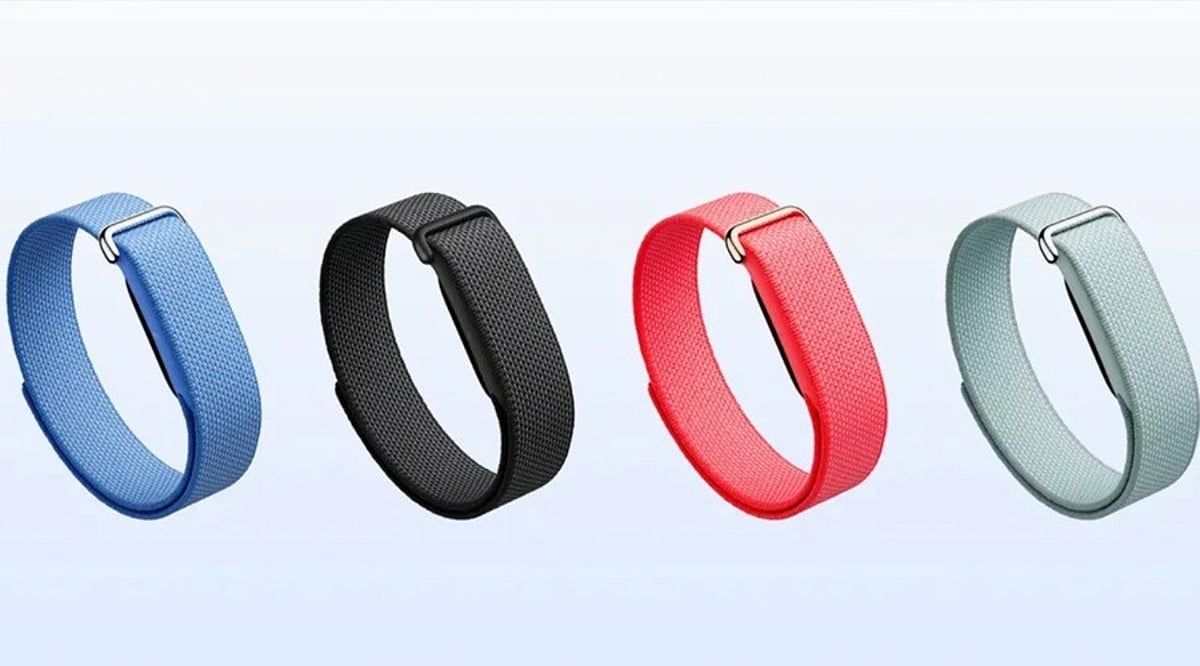
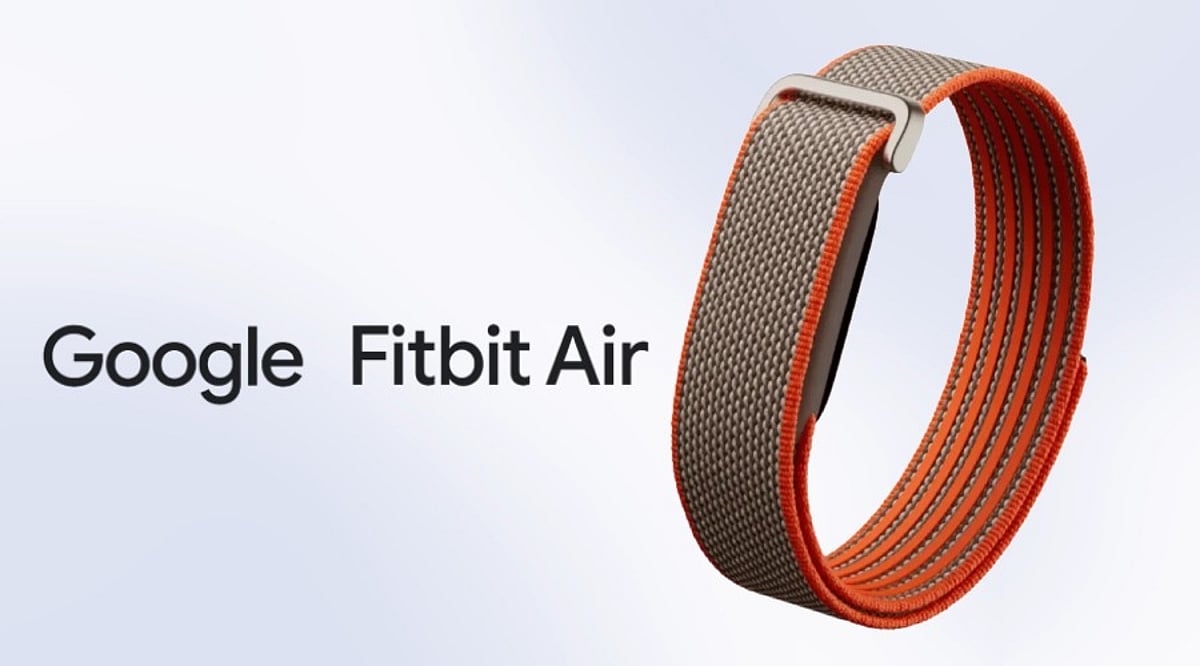
    Unlike traditional smartwatches, the Fitbit Air does away with a display entirely. Weighing just 12 grams, it operates discreetly in the background, tracking a wide range of health metrics including heart rate, SpO2, skin temperature, and movement. The data can be accessed later via the Google Health app.

    The device automatically recognizes workouts and supports over 40 exercise modes. It also measures heart rate variability, resting heart rate, sleep stages, steps, calories burned, distance, and cardio load. Battery life is rated at up to seven days, with a five-minute charge sufficient for a full day of use. The tracker is water-resistant to 5 ATM, making it suitable for swimming, and connects to Android and iOS devices via Bluetooth Low Energy.

    The Fitbit Air first went on sale globally in May at a starting price of $99.99. With its India launch approaching, Google aims to offer a simpler, screen-free option for health-conscious users who prefer not to wear a full smartwatch.

  • Huawei Watch D3 vs Samsung Galaxy Watch9: Which Smartwatch Delivers Better Health Tracking in 2026?

    Huawei Watch D3 vs Samsung Galaxy Watch9: Which Smartwatch Delivers Better Health Tracking in 2026?

    Smartwatches have evolved far beyond step counting and notifications. Today, a wearable health tracker is expected to flag irregular heart rhythms, monitor blood pressure, and support long-term wellness goals. Two devices leading this shift in 2026 are the Huawei Watch D3 and the Samsung Galaxy Watch9, each built with a distinct philosophy toward health monitoring.

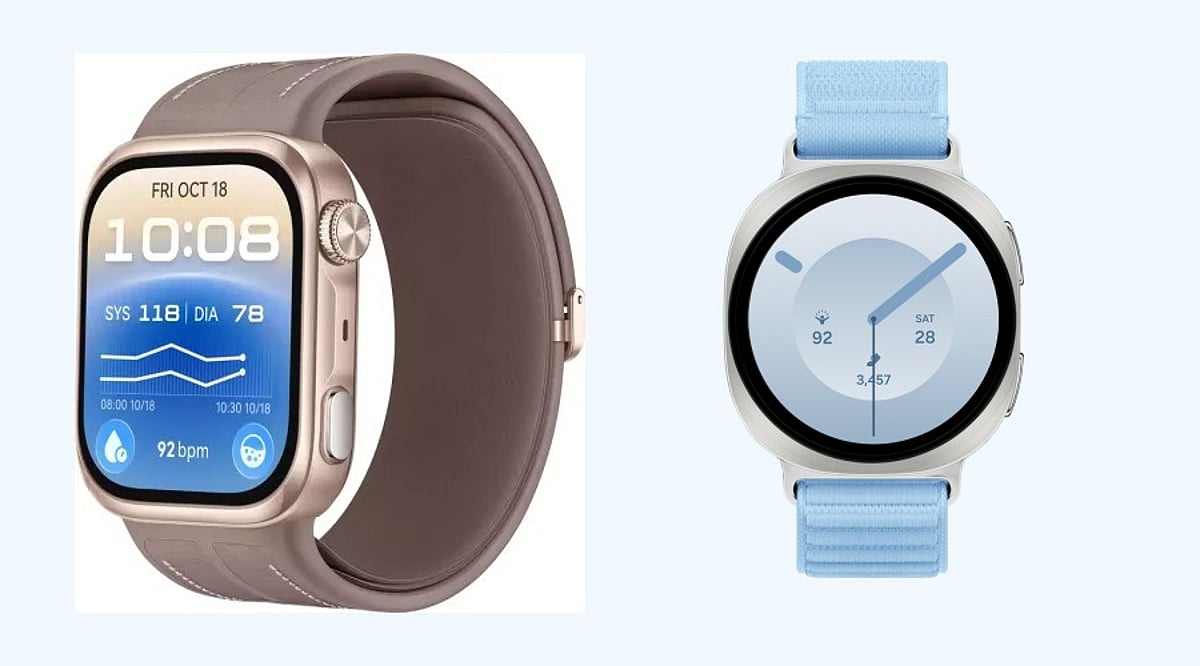
    The Huawei Watch D3 takes a clinical approach, centered around genuine cuff-based blood pressure readings. The Samsung Galaxy Watch9, meanwhile, blends everyday smartwatch convenience with an expanding suite of optical health metrics. This comparison breaks down their sensors, specifications, and health capabilities to help buyers decide which wearable health tracker suits their needs.

    Design and Display

    The Huawei Watch D3 measures 46.5 x 41 x 11.3mm and weighs only 40 grams — remarkably light for a watch carrying a mechanical airbag inside its strap. Its 1.92-inch LTPO AMOLED display reaches 3,000 nits at peak brightness.

    The Samsung Galaxy Watch9 comes in two sizes, 40mm and 44mm, both using Super AMOLED panels protected by sapphire glass. Brightness also reaches 3,000 nits, giving strong outdoor visibility. Build quality feels premium on both: Huawei uses aluminium alloy, while Samsung uses brushed aluminium. Neither offers a titanium option this generation.

    Health Sensors Compared

    Sensor choices reveal the biggest gap between these two smartwatches. The Huawei Watch D3 combines a nine-axis IMU, ECG sensor, temperature sensor, and barometer. Its most distinctive component is a differential pressure sensor tied to a physical airbag that inflates around the wrist, briefly restricting blood flow — a mechanical method mirroring clinical upper arm monitors.

    The Samsung Galaxy Watch9 instead relies on its upgraded BioActive sensor, merging optical heart rate tracking, electrocardiography, and bioelectrical impedance analysis. A skin temperature sensor and ambient light sensor round out the package. Samsung also introduced an Antioxidant Index, measuring carotenoid levels through the fingertip using multi-wavelength light.

    Blood Pressure Monitoring

    This is where the two watches truly part ways. Huawei’s cuff-based system holds CE MDR certification in Europe and NMPA approval from Chinese regulators — a strong clinical signal. The Watch D3 performs ambulatory blood pressure monitoring across a full day, automatically taking up to 20 daytime readings and seven overnight readings. A dedicated exercise mode checks blood pressure within two minutes post-workout.

    Samsung’s approach is lighter: the Galaxy Watch9 offers a blood pressure trend feature through Samsung Health but still needs periodic calibration against a traditional cuff for meaningful accuracy. In short, Huawei treats blood pressure as its central purpose; Samsung treats it as one wellness metric among many. Buyers managing hypertension will likely notice this difference quickly.

    Heart, Sleep, and Recovery Tracking

    Both smartwatches handle cardiovascular monitoring seriously. Huawei adds atrial fibrillation alerts through its PPG sensor, beat-by-beat ECG readings, and arterial stiffness detection. Its Health Glance feature checks 11 biometric indicators within about a minute — a single-tap convenience for a quick daily snapshot.

    Samsung leans harder into structured fitness coaching. The Galaxy Watch9 includes a Heart Health Score, Daily Cardio Load metric, and FDA-cleared sleep apnea detection that adds real medical weight to its sleep tracking. Advanced sleep coaching and a three- to five-week Running Coach program target active users, making the Galaxy Watch better suited to structured training routines.

    Performance and Battery Life

    The Galaxy Watch9 runs Wear OS 7 with One UI 9 Watch software on a Snapdragon SW6100 Wear Elite chipset (3nm process). Battery capacity sits at 390mAh (40mm) or 445mAh (44mm). Samsung rates both for up to 30 hours with always-on display, meaning daily charging remains part of the routine. Fast wireless charging helps offset this shorter runtime.

    The Huawei Watch D3 runs HarmonyOS instead of Wear OS. Its 540mAh battery delivers up to six days under typical use, with a 75-minute fast charge keeping downtime minimal.

    Price and Value

    The Huawei Watch D3 launched at £399.99 in the UK (approx €449 in Europe), reflecting its medical-grade hardware and certification — positioning it closer to a diagnostic tool than a lifestyle gadget. The Samsung Galaxy Watch9 starts at USD 379.99 (40mm Bluetooth) and rises to USD 459.99 (44mm LTE), placing it firmly within mainstream smartwatch territory.

    Final Words

    Choosing between these two wearables comes down to personal priorities. Anyone managing blood pressure concerns will benefit from Huawei’s clinical accuracy, certification, and ambulatory monitoring. The Samsung Galaxy Watch9 suits those wanting an all-round smartwatch experience with Google integration, plus unique features like the Antioxidant Index and sleep apnea detection. Neither watch is objectively better across every category — both represent thoughtful, well-researched approaches to modern health tracking. The right pick simply depends on what health priority matters most.

  • Google Fitbit Air India Launch Expected on October 2: Price, Specs, and Key Features

    Google Fitbit Air India Launch Expected on October 2: Price, Specs, and Key Features

    Fitbit Air Could Hit India on October 2

    Google is reportedly bringing its screenless Fitbit Air fitness tracker to India, with a possible launch date of October 2. While the company has confirmed an October launch, a recent leak from tipster Sanju Choudhary and a Flipkart listing suggest the specific date. The wearable is expected to retail at around Rs. 13,999 in India.

    Expected Price in India

    According to a reported Flipkart listing, the Fitbit Air will be priced at Rs. 13,999. Another leak places it between Rs. 12,999 and Rs. 13,999. In the US, the tracker starts at $99.99, with a special-edition version costing more. Indian pricing may vary due to local taxes and import costs.

    Design and Specifications

    The Fitbit Air takes a unique approach by removing the display entirely. Instead, it relies on sensors, vibration alerts, and the companion Google Health app to deliver health and fitness data. Weighing just 5.2 grams (without the band), the device offers up to seven days of battery life. It features an optical heart-rate sensor, SpO2 monitoring, a skin-temperature sensor, an accelerometer, a gyroscope, and 5ATM water resistance. Charging is via a magnetic connector.

    Health and Fitness Tracking

    The tracker provides continuous 24-hour heart-rate monitoring, sleep tracking, heart-rate variability, readiness scores, and automatic workout recognition for over 140 activities. All data syncs with the redesigned Google Health app. Basic health tracking is free, while premium features require a Google Health Premium subscription. Google Health Coach offers personalized guidance on fitness, recovery, and sleep.

    What Sets It Apart

    The screenless design makes the Fitbit Air a distinctive option in the fitness tracker market, focusing on minimal distraction and long battery life. It competes directly with other screenless trackers like the Whoop 5.0. The official launch event is expected to confirm all details, including availability and pricing.

  • Apple Explores Screenless Fitness Band as Potential Whoop Rival

    Apple Explores Screenless Fitness Band as Potential Whoop Rival

    Apple is reportedly working on a screenless fitness band that could directly compete with Whoop in the health wearable market. According to Bloomberg, the company has tested prototypes in California after exploring the category for several months.

    Early-Stage Development

    The device is described as a thin fabric strap with a compact computing module that contains multiple health sensors. Apple has not yet decided whether the product will reach consumers. The project is still in an internal phase referred to as a “technology investigation,” and even if approved, a commercial launch could be delayed until 2028 or later.

    Health-First Design Without a Display

    Unlike the Apple Watch, the reported band would omit a screen entirely. Instead, its design would prioritize health tracking over apps, alerts, and music controls. Sensors would continuously collect biometric data, while connected devices would handle most user interactions.

    Apple executive chairman Tim Cook and services chief Eddy Cue are said to support the initiative. Engineers from Apple’s Vision hardware group have also contributed to prototype development. Apple declined to comment on the project or its launch plans.

    Expanding Apple’s Wearable Health Strategy

    A screenless tracker would put Apple in closer competition with Whoop, Oura, Garmin, and Google’s Fitbit Air. These products appeal to consumers who want continuous health monitoring without another bright display on their wrist.

    Apple has already added health-focused features to its latest Apple Watch lineup, including readiness information, advanced heart tracking, and biological age estimates. A screenless band could extend these capabilities to people who avoid traditional smartwatches.

    The device could also complement the Apple Watch rather than replace it. A display-free tracker may attract athletes, wellness-focused users, and those who prefer mechanical watches.

    Market Reaction and Outlook

    Apple’s reported interest had an immediate market impact. Garmin shares reportedly fell as much as 2.5% after the news surfaced, while Apple shares gained roughly 1% during the same period.

    Apple has not confirmed the product, so final features and release timing remain uncertain. Still, the reported prototype signals a possible expansion of Apple’s wearable ecosystem and a more direct challenge to dedicated fitness-tracker brands.

  • Moto Watch Ultra Review: A Stylish Wear OS Smartwatch with Solid Features

    Moto Watch Ultra Review: A Stylish Wear OS Smartwatch with Solid Features

    General Specifications

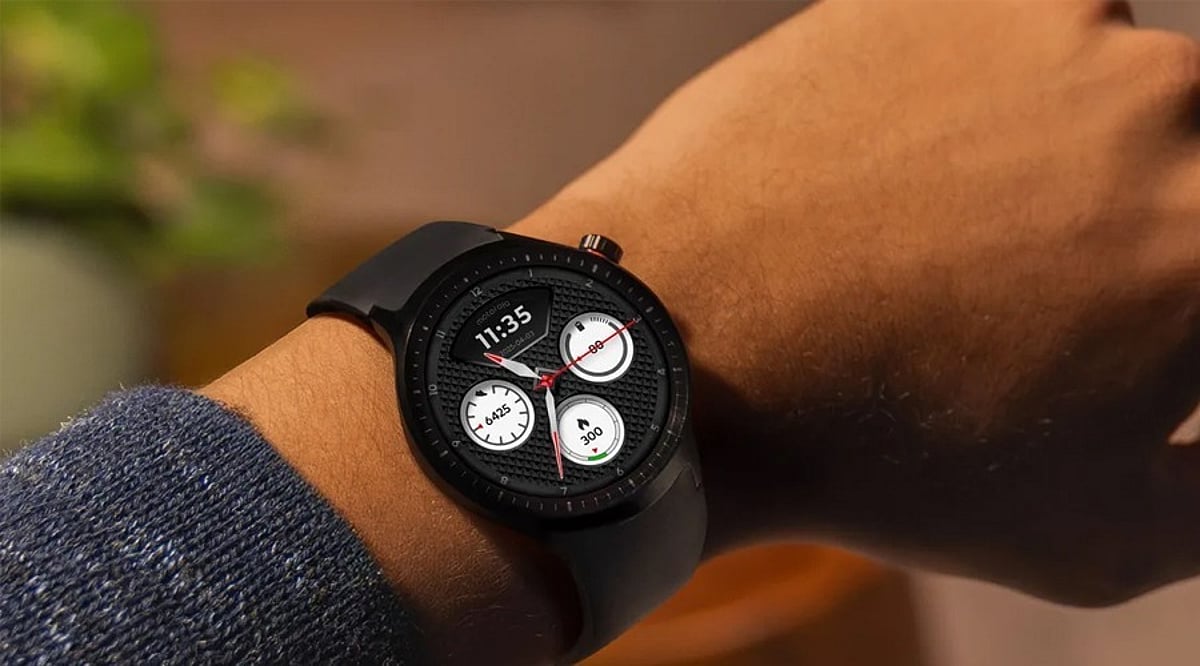
    The Moto Watch Ultra is Motorola’s latest entry into the Wear OS smartwatch space. It features a stainless steel case, a large 1.5-inch POLED display, LTE support, Wear OS 6, and Polar-based fitness tracking. The watch offers a two-day battery life and comes with both leather and silicone straps. This device delivers a strong blend of style, smart functionality, fitness capabilities, and value.

    Pros and Cons

    • Pros: Bright, large display; premium stainless steel build; LTE connectivity; comprehensive health tracking with Polar; includes two strap options; compatible with standard 22mm bands.
    • Cons: Outdated Snapdragon W5+ Gen 1 chipset; only 2GB RAM; Gorilla Glass 3 protection limits durability compared to newer options.

    Final Verdict

    The Moto Watch Ultra is one of the best choices for Android users seeking a stylish yet reasonably priced smartwatch. Its 1.5-inch bright display, stainless steel case, LTE, Wear OS 6, and Polar health monitoring pack impressive features. The inclusion of two straps and support for standard 22mm bands adds versatility. While the older Snapdragon W5+ Gen 1, 2GB RAM, and Gorilla Glass 3 keep costs down and prevent it from competing with top-tier devices, they help maintain an attractive price point. Overall, the Moto Watch Ultra earns a solid 4 out of 5 stars.

  • Apple Watch Ultra 4 Review: S11 Chip, Enhanced Health Sensors, and Satellite Connectivity

    Apple Watch Ultra 4 Review: S11 Chip, Enhanced Health Sensors, and Satellite Connectivity

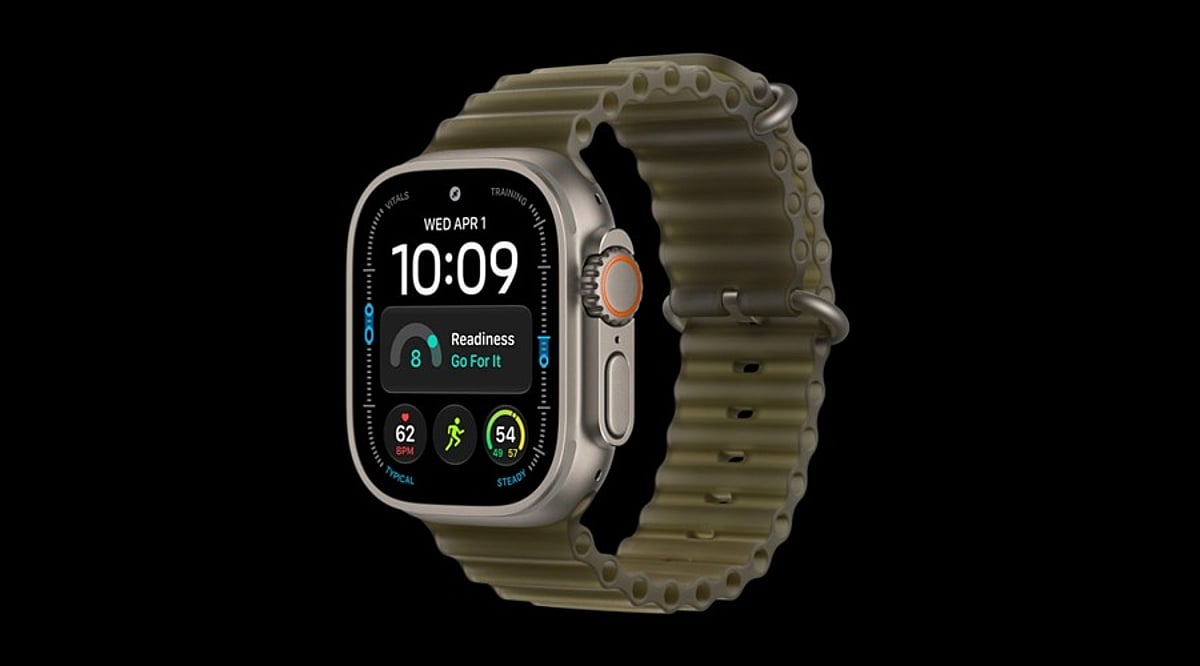
    The Apple Watch Ultra 4 is the latest flagship smartwatch from Apple, designed for fitness enthusiasts, outdoor adventurers, and users who prioritize safety features. Building on the rugged titanium construction of its predecessor, the Ultra 4 introduces the new S11 chip with a four-core Neural Engine, enabling advanced Siri AI and Audio Intelligence technology. Key highlights include an upgraded Health Sensing System, Readiness tracking, high-precision dual-frequency GPS, 5G connectivity, and satellite communication capabilities. With impressive battery life, WR100 water resistance, and recreational dive capability down to 40 meters, the Apple Watch Ultra 4 stands out as one of Apple’s best smartwatches.

    General Specifications

    • Processor: S11 chip with four-core Neural Engine
    • Connectivity: 5G, satellite communication, dual-frequency GPS
    • Water Resistance: WR100 (100 meters), dive-ready to 40 meters
    • Battery Life: Up to 50 hours
    • Health Sensors: Enhanced Health Sensing System, Readiness tracking
    • AI Features: Siri AI, Audio Intelligence

    Pros and Cons

    Pros

    • Powerful S11 chip with advanced AI capabilities
    • Improved health and fitness tracking
    • Excellent battery life (50 hours)
    • Rugged titanium build with 100m water resistance
    • Satellite connectivity for emergency situations
    • Precise GPS for outdoor activities

    Cons

    • High price point
    • Minor visual upgrades over Ultra 3
    • Not a must-upgrade for Ultra 3 owners

    Final Verdict

    The Apple Watch Ultra 4 is a highly sophisticated smartwatch that leverages Apple’s best wearable platform. Its standout features—the S11 chip, Siri AI, Audio Intelligence, upgraded health sensors, Readiness measurement, long battery life, and enhanced outdoor performance—make it ideal for sports enthusiasts and adventurers. The titanium body, 100-meter waterproofing, diving capabilities, satellite communications, and precise GPS positioning further solidify its appeal. However, the high price and subtle design changes mean that Ultra 3 owners may not find it an essential upgrade. For iPhone users seeking a top-tier smartwatch for fitness, health monitoring, safety, and outdoor activities, the Apple Watch Ultra 4 is an excellent choice.

  • Top 10 Smartwatches for Men in 2026: Best Picks for Fitness, Battery Life, and Style

    Top 10 Smartwatches for Men in 2026: Best Picks for Fitness, Battery Life, and Style

    Choosing the right smartwatch in 2026 can be overwhelming with hundreds of models spanning from under ₹1,000 to over ₹40,000. This guide breaks down the key factors for men: fitness tracking, battery life, and everyday style, helping you make a confident decision.

    What to Look for Before Buying

    Start with three questions: Which phone do you use? Apple Watch pairs only with iPhone; most others work with iOS and Android. How much battery life do you need? Some watches last a day, others weeks. Which health features matter? Heart rate, sleep monitoring, GPS, or SpO2? Today’s smartwatches go beyond step counts—many include ECG, stress tracking, and AI-based workout detection.

    Top Picks Across Every Budget

    For iPhone owners, the Apple Watch Series 11 leads with deep iOS integration and FDA-cleared health sensors. Android and Samsung users get the best experience with the Galaxy Watch 8 Classic, blending premium build and strong app support. Fitness enthusiasts lean toward Garmin (Forerunner 265, Venu 4) for accurate GPS and recovery data. Budget buyers find value in Amazfit and Noise, offering AMOLED displays, multi-day battery, and solid health tracking at a fraction of the cost.

    Best Smartwatches Under ₹10,000

    India’s mid-range segment now includes real GPS, Bluetooth calling, and AMOLED screens. The Noise Pro 6 Max features a 1.96-inch display with built-in GPS and up to seven days of battery. The boAt Valour Watch 1 offers a metal body and AI workout detection. The Amazfit GTR 3 Pro lasts nearly 12 days and includes over 150 sport modes.

    Samsung & Fossil: Style Approaches

    Samsung smartwatches lead Android with rotating bezels, stainless steel, and Wear OS—ideal for office wear. Fossil has stepped back from new smartwatch models after its Gen 6 line, focusing on hybrids. Existing Fossil owners will get support, but Samsung is a safer long-term bet.

    Battery Life & Fitness Tracking Compared

    Battery life varies widely: Apple and Samsung need daily charging; Garmin and Amazfit can run a week to nearly a month. For fitness accuracy, Garmin leads with VO2 max and training load data, while Apple excels in health integration for payments and workouts.

    Why This Matters

    A smartwatch is now a fitness coach, sleep tracker, and early warning system for irregular heart activity. Choosing wrong means poor battery or missing essential health features.

    Final Thoughts

    The best smartwatch for men in 2026 depends on priorities: premium ecosystem (Apple/Samsung), fitness-first (Garmin/Amazfit), or budget value (Noise/boAt).

    FAQs

    1. Which is the best smartwatch for men in 2026? Depends on needs: Apple/Samsung for premium, Garmin for fitness.
    2. Best under ₹10,000? Noise, boAt, Amazfit offer AMOLED, GPS, health tracking, and calling.
    3. Best battery life? Garmin and Amazfit generally last longer than Apple and Samsung.
    4. Best for fitness tracking? Garmin provides detailed GPS, training, and recovery features.
    5. Samsung or Apple Watch? iPhone users choose Apple; Android users, especially Samsung phone owners, benefit from Galaxy Watch.
  • Google Fitbit Air Spotted on Amazon India: Expected Price, Features, and Launch Details

    Google Fitbit Air Spotted on Amazon India: Expected Price, Features, and Launch Details

    Google’s Fitbit Air may be arriving in India soon, as the device has appeared in an Amazon India listing. While the company has not officially announced a launch date, the listing strongly suggests that the wearable is close to release. Priced around $99.99 in the US, the Fitbit Air is expected to be positioned in the premium fitness tracker segment in India, with a speculated price range of Rs. 13,499 to Rs. 16,999.

    Fitbit Air: A Screenless Fitness Tracker

    Unlike most smartwatches, the Fitbit Air does not have a screen. Instead, it quietly records health data throughout the day. Users can check their health metrics through the Google Health app on their smartphone. This design choice prioritizes simplicity, comfort, and longer battery life over constant notifications.

    Pricing and Availability in India

    The Amazon listing hints at a launch in India, with the device likely releasing in the near future. The Fitbit Air will be compatible with both Android and iOS. Customers in India will also receive a three-month subscription to Google Health Premium, unlocking additional wellness features.

    Key Features and Google Health Integration

    The Fitbit Air will feature Google Health Coach, a personal trainer powered by Gemini AI. This AI can make personalized health recommendations based on the data it records. The tracker monitors heart rate, blood oxygen levels, sleep patterns, and other vitals. Notably, just five minutes of charging provides enough power for a full day of use. Available colors include Lavender, among others.

    Fitbit Air vs. Traditional Smartwatches

    Fitbit Air does not offer calling, a touchscreen, apps, or message alerts; it focuses solely on health and fitness tracking. This makes it ideal for users who want to monitor their health without the distractions of a smartwatch. For those who need calls, messages, and apps, a budget smartwatch may be a better fit. The Fitbit Air is best suited for people who prioritize health monitoring and simplicity.

  • Top Smartwatches Under Rs. 25,000: Style, Performance, and Battery Life Compared

    Top Smartwatches Under Rs. 25,000: Style, Performance, and Battery Life Compared

    Finding a good smartwatch under Rs. 25,000 is easier than ever. Whether you want Google apps, advanced fitness tracking, or long battery life, this price range has strong options across multiple platforms. Here are the models that stand out for different types of users.

    Smartwatches under Rs. 25,000 now offer a wide range of choices, from full Wear OS devices with Google apps to fitness-focused platforms that prioritize battery life and health tracking. Buyers can choose between productivity features, advanced sports tracking, premium AMOLED displays, long battery life, or stylish everyday designs based on their needs instead of settling for one-size-fits-all devices. Models from Samsung, OnePlus, Garmin, Amazfit, Titan, and Noise each balance software, performance, battery life, and design differently, making the platform and intended use more important than specifications alone.

    Before You Buy

    Start with what matters most. Anyone who wants Google apps, Play Store access, and full notifications should go with Wear OS, though it means charging more often. Garmin and Zepp OS trade a smaller app selection for longer battery life and stronger fitness tracking. Titan and Noise keep prices low by skipping built-in GPS and app stores, which makes them a better fit for everyday use than for serious training. iPhone owners should note that most Wear OS watches work best on Android, and some features may not work as well on iOS.

    Samsung Galaxy Watch FE

    The Galaxy Watch FE is the easiest way into Wear OS at this price. It runs the full platform with a 1.2-inch Super AMOLED screen, NFC for tap-to-pay, and regular Wi-Fi and Bluetooth. The catch is battery life — expect about a day of use, not the multi-day numbers that cheaper watches claim. It sells for around Rs. 12,999, roughly half its launch price.

    Best for: Samsung phone owners who want the full software experience without paying flagship prices.

    OnePlus Watch 2R

    The Watch 2R addresses Wear OS’s battery issue with smarter hardware. A Snapdragon W5 chip runs the main system, while a second, smaller chip handles step counts and heart rate in the background, only waking the full system when needed. This is how it reaches up to 100 hours in Smart Mode and 12 days in Power Saver Mode. It has a 1.43-inch AMOLED display, GPS built for sharper outdoor tracking, and fast charging that fills the battery in about an hour. It’s priced near Rs. 17,999, often lower during sales.

    Best for: Android users who want Wear OS without charging it every single night.

    Garmin Vivoactive 5

    The Vivoactive 5 skips Wear OS altogether, and that’s exactly why it lasts 11 days on a charge while still having a decent AMOLED screen. Its sensor feeds Garmin’s health tools: energy tracking, sleep stages, stress scores, and over 30 sports apps with real GPS, not phone guesswork. It also supports Garmin Pay, though not many Indian banks are on board yet. Price ranges from Rs. 18,999 to Rs. 24,990 depending on the color.

    Best for: Runners and swimmers who want real training data and don’t need a big app store.

    Amazfit Balance 2

    The Balance 2 skips Wear OS too, running its own software built for the outdoors. It has a bright sapphire display, water resistance rated for diving down to 45 meters, and offline maps for over 40,000 golf courses. Battery life reaches 21 days. Next to the Vivoactive 5, it leans more into outdoor and adventure use, while Garmin still wins on training detail. Price sits close to Rs. 24,999.

    Best for: Divers, golfers, and anyone who wants a rugged outdoor watch, not just a notification screen.

    Titan Smart 3

    The Smart 3 drops GPS and app support to keep the price low, and it still feels solid. It has an always-on AMOLED screen, calling support, over 110 sports modes tracked through your phone, and fast charging that adds a day of battery in ten minutes. The price runs from Rs. 5,000 to Rs. 12,000.

    Best for: First-time buyers who want AMOLED and calling without the Wear OS price tag.

    NoiseFit Halo 3

    The Halo 3 goes for looks over specs, shaped like a classic dress watch with metal, leather, and silicone strap options. Its best feature is Noise AI Pro, which handles voice notes, daily briefings, and QR tickets. Like the Titan, it skips GPS and apps. Price ranges from Rs. 4,499 to Rs. 7,999.

    Best for: Buyers who want a watch that looks traditional first, smart second.

    How They Compare

    Matching the Watch to the Buyer: Anyone on Android who wants Google apps and full notifications gets the most out of Samsung. If daily charging is a dealbreaker but Wear OS still matters, OnePlus is the better pick. Runners and swimmers who care about training data more than apps will find Garmin’s battery and sensor accuracy hard to beat. Divers, golfers, and anyone who spends time outdoors get more from Amazfit’s offline maps and dive certification. Budget-conscious first-time buyers get AMOLED and calling from Titan without paying Wear OS prices, and anyone who cares about looks over specs will find Noise’s dress watch design and AI features a rare combination at this price.

    Software support tends to follow the same lines. Samsung and OnePlus, running Wear OS, usually get clearer update commitments over time. Titan and Noise, on the other hand, typically ship with a fixed set of features and get maintenance updates rather than real upgrades. This gap matters more the longer someone plans to keep the watch.

    Final Thought

    Three years ago, a smartwatch under Rs. 25,000 meant picking one flaw to live with: bad battery, weak software, or a design that looked like every other watch on the shelf. Now it means choosing which trade-off works for you. This shift says more about how far this market has come than any single watch on this list.

    FAQs

    1. Which is the best smartwatch under Rs. 25,000 in India? The best smartwatch depends on your needs. Samsung Galaxy Watch FE is ideal for Wear OS users. OnePlus Watch 2R offers excellent battery life with Wear OS, while the Garmin Vivoactive 5 is better for fitness tracking.
    2. Is Wear OS better than Garmin OS or Zepp OS? Wear OS offers Google apps, Play Store access, and richer smartwatch features. Garmin OS and Zepp OS focus more on battery life, health tracking, and sports performance than third-party apps.
    3. Which smartwatch under Rs. 25,000 offers the longest battery life? Among these options, the Amazfit Balance 2 offers up to 21 days of battery life. The Garmin Vivoactive 5 lasts up to 11 days, while the OnePlus Watch 2R can deliver up to 12 days in Power Saver Mode.
    4. Are smartwatches under Rs. 25,000 compatible with iPhones? Most smartwatches support iPhones, but Wear OS models typically provide the best experience with Android devices. Some features, such as replies to notifications and certain apps, may be limited on iOS.
    5. What should I consider before buying a smartwatch under Rs. 25,000? Choose based on your priorities. Wear OS is best for productivity and Google apps. Garmin and Amazfit suit fitness enthusiasts with longer battery life, while Titan and Noise are ideal for everyday use with essential smartwatch features at lower prices.

  • Top Affordable Smartwatches Under ₹10,000: Expert Picks for 2025

    Top Affordable Smartwatches Under ₹10,000: Expert Picks for 2025

    Finding a feature-packed smartwatch on a budget is easier than ever. Here are the best options under ₹10,000 that offer AMOLED displays, GPS, health tracking, and long battery life without breaking the bank.

    1. Amazfit Bip 6

    Offers an AMOLED display, built-in GPS, accurate health tracking, and up to 14 days of battery life — making it one of the best value-for-money smartwatches available.

    2. NoiseFit Endeavour Pro

    Combines an AMOLED display, GPS, Bluetooth calling, a premium design, and comprehensive fitness tracking for users seeking advanced features on a budget.

    3. CMF Watch 3 Pro

    Delivers reliable health monitoring, a stylish metal design, long battery life, and accurate activity tracking for everyday use.

    4. Titan Celestor

    Features a premium aluminum build, vibrant AMOLED display, comfortable straps, and dependable battery performance backed by Titan’s trusted quality.

    5. Lava Prowatch X

    Includes an AMOLED display, advanced fitness tracking, Bluetooth connectivity, and impressive battery life, making it a strong budget-friendly option.

    6. boAt Valour Watch 1 GPS

    Offers built-in GPS, multiple sports modes, Bluetooth calling, and essential health monitoring features at an affordable price.

    7. Noise ColorFit Pro 6 Max

    Provides an AMOLED display, Bluetooth calling, health monitoring, customizable watch faces, and smooth everyday performance.

    8. Realme Watch S5

    Combines a sleek design, AMOLED screen, smart notifications, comprehensive fitness tracking, and dependable battery backup for daily use.

    9. Xiaomi Mi Watch Revolve Active

    Delivers an AMOLED display, built-in GPS, multiple workout modes, comprehensive health tracking, and excellent battery life within the ₹10,000 budget.

    Whether you prioritize fitness tracking, display quality, or battery life, these smartwatches prove that you don’t need to spend a fortune to get premium features.