Tag: flagship

  • Motorola Signature 27 Announced: Snapdragon 8 Elite, Google Gemini AI, and 200MP Camera Lead Premium Flagship

    Motorola Signature 27 Announced: Snapdragon 8 Elite, Google Gemini AI, and 200MP Camera Lead Premium Flagship

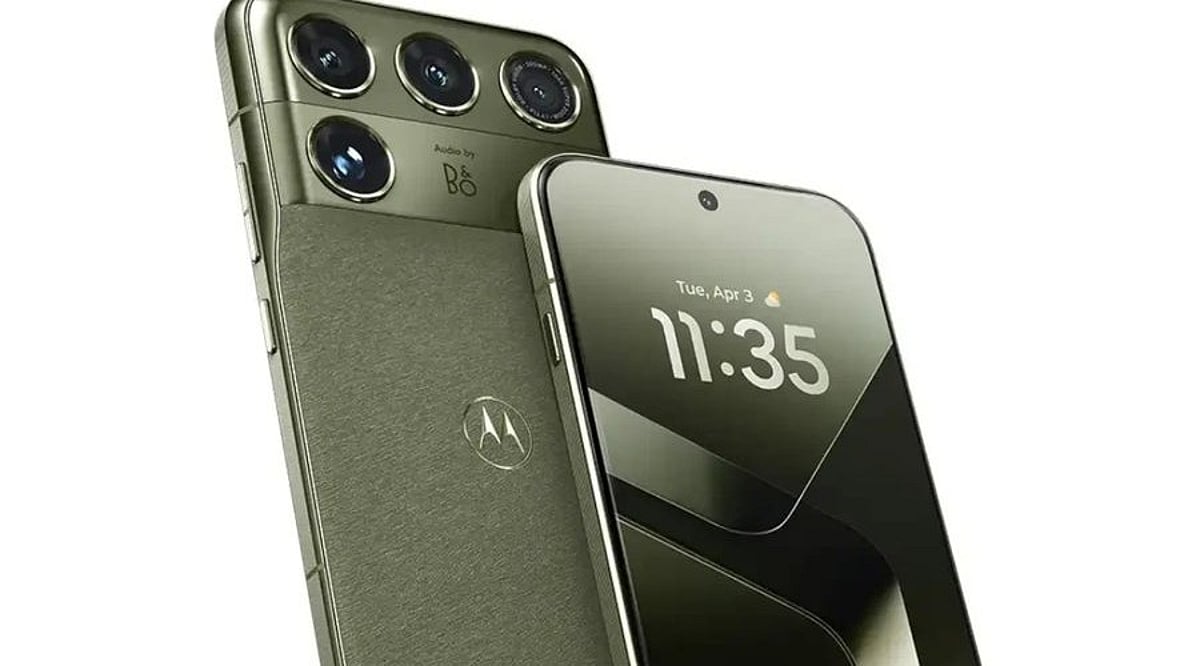
    Motorola has officially unveiled the Motorola Signature 27, the second-generation model in its premium Signature family, at the Snapdragon Summit 2026. The device is one of the first smartphones to feature Qualcomm’s new Snapdragon 8 Elite Extreme Gen 6 Mobile Platform, and it is designed to deliver flagship performance, on-device AI, advanced photography, sustained cooling, and a premium design. While several core specifications remain undisclosed, Motorola has confirmed key features that position the Signature 27 as a high-end contender in the smartphone market.

    Snapdragon 8 Elite Extreme Gen 6 Performance

    The Signature 27 is powered by Qualcomm’s Snapdragon 8 Elite Extreme Gen 6 Mobile Platform, which Motorola says enables stronger on-device AI, responsive gaming, enhanced camera processing, and faster downloads. The phone also uses six antennas working together to support connectivity and cloud-based AI applications. Motorola has not yet detailed the processor’s clock speeds, memory configuration, or benchmark performance.

    AI Features with Google Gemini

    The smartphone integrates Google Gemini for tasks that go beyond conventional question answering. Motorola says Gemini can help users plan activities, make bookings, and find event tickets. Gemini Omni can turn prompts, photos, or existing footage into videos, while Lyria can generate original music and custom soundtracks. These features require compatible services, languages, and an internet connection.

    50MP Sony LYTIA 910 Main Camera

    Motorola has confirmed a 50MP Sony LYTIA 910 main sensor for the Signature 27. The company highlights its ability to capture detailed images with strong colour reproduction and contrast. The camera system combines dedicated hardware with computational photography and intelligent processing. Motorola has not yet provided full sensor dimensions, aperture details, or a complete list of camera modes.

    200MP Periscope Telephoto Camera

    A 200MP periscope telephoto camera is another major component of the phone’s camera system. Motorola says it is designed for photographing distant subjects, architectural details, and landscapes. The camera also combines Qualcomm Technologies’ image stabilisation with 3.5-degree OIS hardware.

    AI-Powered Video Enhancement

    Motorola’s Video Enhancement Engine adds an AI layer to video recording. It analyses a scene before and during capture and adjusts colour tones in real time. Motorola says the system is designed to support low-light recording, sharper footage, and natural-looking colours. The company did not publish detailed technical information about the processing pipeline or supported recording resolutions.

    ArcticMesh Cooling System

    The Signature 27 introduces Motorola’s ArcticMesh cooling system, combining diamond-infused thermal gel, liquid metal, copper mesh, and a redesigned 3D vapour chamber. Motorola says the vapour chamber is 40 percent larger than the previous generation. The system is intended to manage heat during sustained gaming, AI workloads, and video use, helping maintain performance over longer sessions.

    Audio by Bang & Olufsen

    The Signature 27 will be Motorola’s first smartphone featuring Audio by B&O, following the company’s recently announced multi-year partnership with Bang & Olufsen. The collaboration brings B&O’s audio expertise and design approach into Motorola’s premium smartphone range. Motorola has not yet revealed detailed speaker specifications, supported audio formats, or other hardware information related to the partnership.

    Premium Design and Finishes

    The phone features an aluminium silhouette with contoured edges and a distinctive camera housing combining ceramic and brushed aluminium. Motorola has announced two finishes: PANTONE Coal Smoke with a Tactical Weave texture and PANTONE Capulet Olive with a brushed, textile-inspired finish. The company says the textures are intended to provide a distinctive tactile experience and improved grip.

    Seven Years of Software Updates

    Motorola is promising seven OS upgrades and up to seven years of security updates, starting from the global launch date. The company notes that support can vary by market, network provider, and model. The Signature 27 is expected to launch with Android 17, although Motorola has not yet disclosed the precise software rollout schedule.

    Availability and Specifications yet to be Confirmed

    Motorola did not announce the Signature 27’s price or exact sale date. Several important specifications also remain undisclosed, including display size and refresh rate, battery capacity, charging speeds, RAM, storage, and the complete camera configuration. Motorola says the phone is expected to reach markets worldwide in 2026 and will provide additional details closer to availability.

    Frequently Asked Questions

    What processor does the Motorola Signature 27 use?

    The Motorola Signature 27 uses Qualcomm’s Snapdragon 8 Elite Extreme Gen 6 Mobile Platform, supporting on-device AI, gaming, camera processing, and connectivity.

    What AI features are available on the Motorola Signature 27?

    The phone integrates Google Gemini, Gemini Omni, and Lyria, enabling assistance, video creation from prompts or footage, music generation, and personalised soundtracks.

    What cameras does the Motorola Signature 27 feature?

    Motorola has confirmed a 50MP Sony LYTIA 910 main sensor and 200MP periscope telephoto camera, alongside Qualcomm stabilisation and 3.5-degree OIS.

    How long will Motorola support the Signature 27?

    Motorola promises seven OS upgrades and up to seven years of security updates, beginning from the global launch date, subject to market variations.

    When will the Motorola Signature 27 launch?

    Motorola says the Signature 27 is expected to reach markets worldwide in 2026, but it has not announced pricing or an exact sale date.

  • Vivo X500 Pro Max: 200MP ZEISS Camera, 8,000mAh Battery, and 2nm Dimensity Chip – Full Specs

    Vivo X500 Pro Max: 200MP ZEISS Camera, 8,000mAh Battery, and 2nm Dimensity Chip – Full Specs

    The vivo X500 Pro Max has officially launched in China, marking a major step forward in flagship smartphone hardware. With a 200MP ZEISS APO super-telephoto camera, an 8,000mAh silicon-carbon battery, and MediaTek’s new 2nm Dimensity 9600 Pro chip, the device targets photography enthusiasts and power users alike.

    Display and Performance

    The phone features a 6.85-inch BOE Q11 ZEISS Master Color OLED display with a 2K resolution and an adaptive refresh rate ranging from 1Hz to 144Hz. This large panel sets it apart from the smaller 6.36-inch X500 Pro, making it ideal for reviewing photos, watching videos, and gaming.

    Under the hood, the Dimensity 9600 Pro is built on a 2nm process with a tri-cluster CPU: two cores at 4.55GHz, three at 4.35GHz, and three at 3.1GHz. Memory options go up to 16GB RAM with storage up to 1TB. Software is handled by OriginOS 7 based on Android 17.

    Battery and Charging

    The 8,000mAh fifth-generation silicon-carbon cell (25% silicon content) supports 90W wired charging and 40W wireless charging. Vivo also states that the battery can operate at temperatures as low as -30°C under test conditions.

    Camera System

    The rear camera consists of a 50MP Sony LYTIA L910 main sensor with LOFIC technology and 3° optical stabilization, a 50MP ultra-wide camera, and the highlight: a 200MP ZEISS APO super-telephoto camera offering approximately 3.7x optical zoom. The telephoto supports the ZEISS G2 Ultra teleconverter, extending the equivalent focal length to 400mm for distant subjects. CIPA 7.0-class stabilization is included on the telephoto.

    Video capabilities include 4K at 240fps slow motion, 4K at 120fps with advanced subject lock, 8K recording, 10-bit Log, 4:2:2 capture, ACES support, Cinematic Video, Cinematic Portrait Video, and 8K Native Live. The phone integrates BlueImage Dynamic Imaging Technology Stack, combining sensor, chip, ZEISS optics, and vivo’s V3+ and VS1+ image processors. A 50MP front camera completes the setup.

    Pricing and Global Launch

    China pricing starts at CNY 6,999 (12GB/256GB) and goes up to CNY 12,999 (16GB/1TB Creator Edition). A satellite communication model (12GB/1TB) is priced at CNY 8,999.

    According to a vivo Austria microsite, the global launch is scheduled for October 27, 2026, at 4 p.m. CEST, with preorders beginning the same day. International pricing and exact specifications are still unconfirmed. Some reports suggest that global models may feature a smaller battery than the China version.

    Key Takeaways

    • 200MP ZEISS APO super-telephoto camera with ~3.7x optical zoom and 400mm teleconverter option.
    • 8,000mAh battery with 90W wired and 40W wireless charging.
    • MediaTek Dimensity 9600 Pro chip on 2nm process.
    • 6.85-inch 2K OLED display with 144Hz adaptive refresh rate.
    • Global launch expected October 27, 2026.
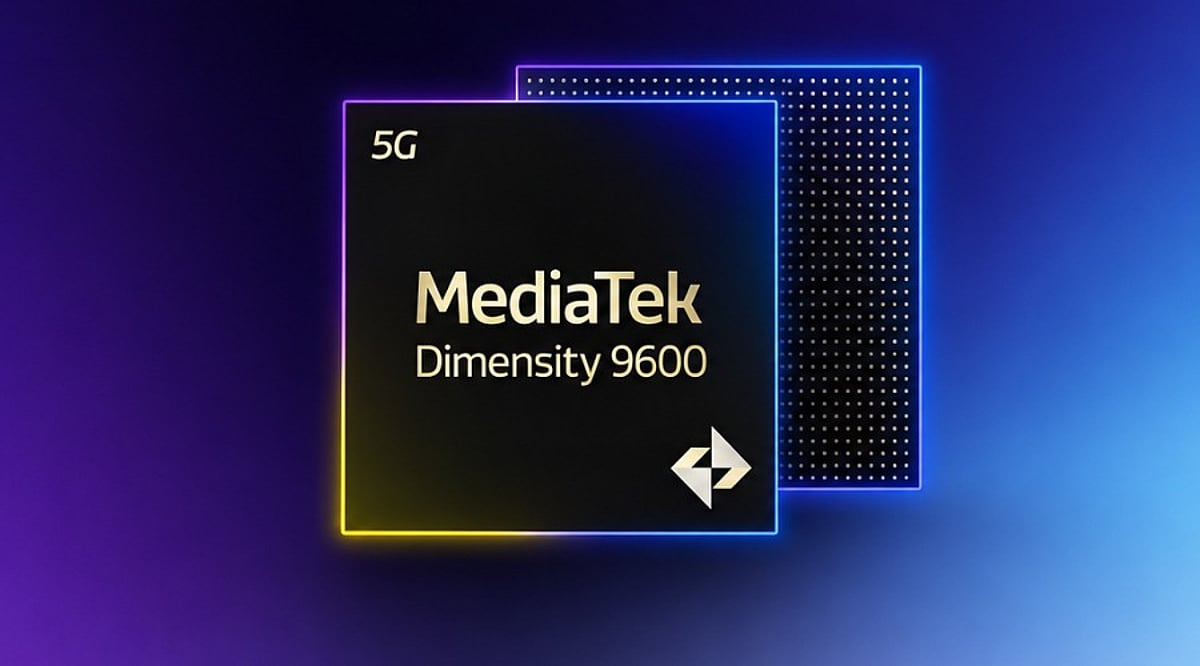
  • MediaTek Dimensity 9600 Pro: The Next Leap in AI-Powered Flagship Chips

    MediaTek Dimensity 9600 Pro: The Next Leap in AI-Powered Flagship Chips

    MediaTek has unveiled its latest flagship processor, the Dimensity 9600 Pro, positioning it as a transformative step for next-generation smartphones. Built on TSMC’s 2nm process, this chip integrates a fourth-generation all-big-core CPU, a dual-NPU architecture, LPDDR6 memory support, and UFS 5.0 storage. MediaTek claims significant gains in performance, power efficiency, and on-device AI capabilities, setting a new standard for premium mobile hardware.

    Key Takeaways

    • The Dimensity 9600 Pro uses a 2nm process with an all-big-core CPU, claiming major performance and efficiency improvements.
    • Its dual-NPU design supports advanced on-device AI, handling models up to 30 billion parameters.
    • LPDDR6, UFS 5.0, stronger graphics, and advanced camera features mark a comprehensive hardware upgrade for flagships.

    A Revolutionary 2nm Design

    The Dimensity 9600 Pro is MediaTek’s first mobile chip built on a 2nm process. Its CPU configuration includes two Arm C2-Ultra cores at up to 4.55GHz, three Arm C2-Pro cores at 4.35GHz, and three additional Arm C2-Pro cores at 3.1GHz. This fourth-generation all-big-core architecture also incorporates a 21% larger L2 cache.

    MediaTek’s internal benchmarks show a 17% increase in single-core performance with 37% better power efficiency, while multi-core tasks see a 15% performance boost and a remarkable 61% reduction in power consumption. These figures, however, come from lab tests and may vary in real-world devices depending on thermal design, battery size, and software optimization.

    AI Takes Center Stage

    The chip features two neural processing units (NPUs): the NPU 1090 for heavy on-device AI tasks and the Super Efficient NPU 2.0 for low-power, always-on AI operations. MediaTek claims a 51% improvement in large language model (LLM) prefill performance and a 55% gain in token generation per watt. The platform supports on-device models with up to 30 billion parameters, aided by a compression engine that reduces memory footprint and support for Mixture of Experts (MoE) architecture.

    The Super Efficient NPU 2.0 also cuts power consumption for always-on AI by 40%, a critical factor for AI assistants that continuously access phone data, sensors, and apps.

    Memory and Storage Advancements

    With first-wave support for LPDDR6 memory and UFS 5.0 storage, the Dimensity 9600 Pro delivers substantial improvements in data throughput. UFS 5.0 offers twice the read and write speeds of its predecessor, while LPDDR6 increases effective memory bandwidth by 33% at the same frequency. A larger 34.5MB cache further enhances overall system responsiveness.

    Graphics Performance for High Frame Rates

    The new G2-Ultra NX GPU delivers up to 27% higher peak performance, 24% lower power consumption at peak, and up to 18% faster ray-tracing. The chip can support native gameplay above 185fps. MediaTek integrates the GPU with the NPU through its Neural Graphics Architecture, enabling AI-assisted graphics rendering and super-resolution tasks.

    Camera and Imaging Upgrades

    The Imagiq 1290 image signal processor (ISP) pairs with an AI Imaging Fusion Architecture to support 60fps subject focus, 4K240 slow-motion video, 4K60 AI True Color Tone, and 4K120 cinematic log. The system also handles 17EV dynamic range imaging, 4K live photo with full depth of field, H.266 hardware video decode, and MV-HEVC for spatial video—all without relying on cloud services.

    First Phones and Real-World Testing

    MediaTek has announced that the first Dimensity 9600 Pro phones will arrive this quarter. According to Reuters, Xiaomi, OPPO, and vivo are among the manufacturers collaborating with MediaTek. OPPO has confirmed the Find X10 Pro Max with this chip, slated for a September 22 launch in China.

    The true test lies in how these devices perform in the real world. MediaTek’s claims are based on its own lab tests, so independent reviews will be crucial to verify whether retail units match the stated figures.

    What the 9600 Pro Changes

    The Dimensity 9600 Pro shifts the focus from raw CPU speed to a balanced integration of CPU, GPU, NPU, memory, storage, and camera hardware. Its 2nm foundation and dual-NPU design amplify the role of on-device AI, while faster memory and storage enable a smoother user experience. For the next wave of premium smartphones, this chip signals a clear direction: high-performance processing, advanced graphics, powerful local AI, and cutting-edge camera capabilities must work as a cohesive system.

    Frequently Asked Questions

    1. What is the Dimensity 9600 Pro?

    The Dimensity 9600 Pro is MediaTek’s flagship smartphone processor featuring a 2nm design, advanced CPU and GPU hardware, dual-NPU AI, and support for LPDDR6 and UFS 5.0.

    2. How powerful is the Dimensity 9600 Pro?

    MediaTek claims up to 17% higher single-core performance, 15% higher multi-core performance, and a 61% reduction in multi-core power usage compared to its stated previous-generation baseline.

    3. What AI features does the chip offer?

    The dual-NPU system supports on-device AI models with up to 30 billion parameters, along with improved AI performance per watt and a dedicated super-efficient NPU for always-on tasks.

    4. Does the Dimensity 9600 Pro support advanced gaming?

    Yes. Its G2-Ultra NX GPU provides higher peak graphics performance, faster ray tracing, and support for native gameplay above 185fps.

    5. What memory and storage does the Dimensity 9600 Pro support?

    The platform supports LPDDR6 memory and UFS 5.0 storage, along with a generous 34.5MB cache for improved data throughput.

  • iQOO 16 Reveals Striking Holographic ‘Chasing Light’ Design Ahead of Launch

    iQOO 16 Reveals Striking Holographic ‘Chasing Light’ Design Ahead of Launch

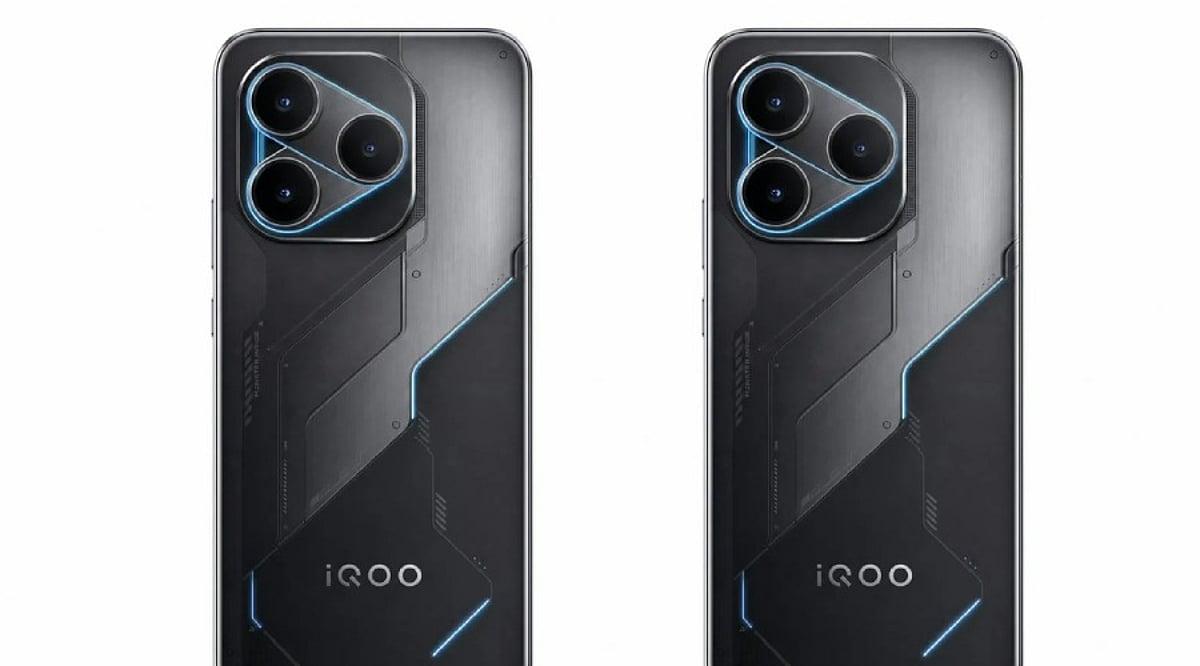
    iQOO is gearing up to unveil its next flagship smartphone, the iQOO 16, and has started teasing its design ahead of the official launch. The upcoming device introduces a bold new visual identity, featuring a holographic rear panel and a redesigned camera module that set it apart from its predecessors.

    Chasing Light Finish: A Holographic Masterpiece

    The iQOO 16 will be offered in a “Chasing Light” color option, highlighted by a holographic rear panel that creates a dynamic three-dimensional light effect when viewed from different angles. According to reports, iQOO developed this finish using laser holographic imaging technology, combining multiple precision manufacturing steps to produce the shifting visual effect. The rear panel blends red holographic patterns with flowing blue light, giving the finish a lively, ever-changing appearance.

    iQOO is expected to offer additional finishes, including Track and Legend, providing alternatives for users who prefer a more understated look over the experimental Chasing Light design.

    Redesigned Camera Module

    The iQOO 16 is rumored to feature a square camera island with heavily rounded corners. Inside, three rear cameras are arranged in a connected layout, giving the phone a futuristic and cohesive aesthetic.

    Expected Flagship Hardware

    Beyond its striking design, the iQOO 16 is tipped to pack flagship-grade internals. Leaks suggest a 6.85-inch 2K display with a 165Hz refresh rate, powered by Qualcomm’s next-generation Snapdragon 8 Elite Gen 6 Pro chipset. Additionally, an 8,500mAh battery and a triple rear-camera setup have been mentioned, though these specifications remain unconfirmed by iQOO and should be treated as rumors.

    The iQOO 16 is expected to launch in China later this month. The company has yet to announce pricing or broader market availability. Stay tuned for official details.

  • iPhone 18 Pro and Pro Max: 9 Key Features and Upgrades You Need to Know

    iPhone 18 Pro and Pro Max: 9 Key Features and Upgrades You Need to Know

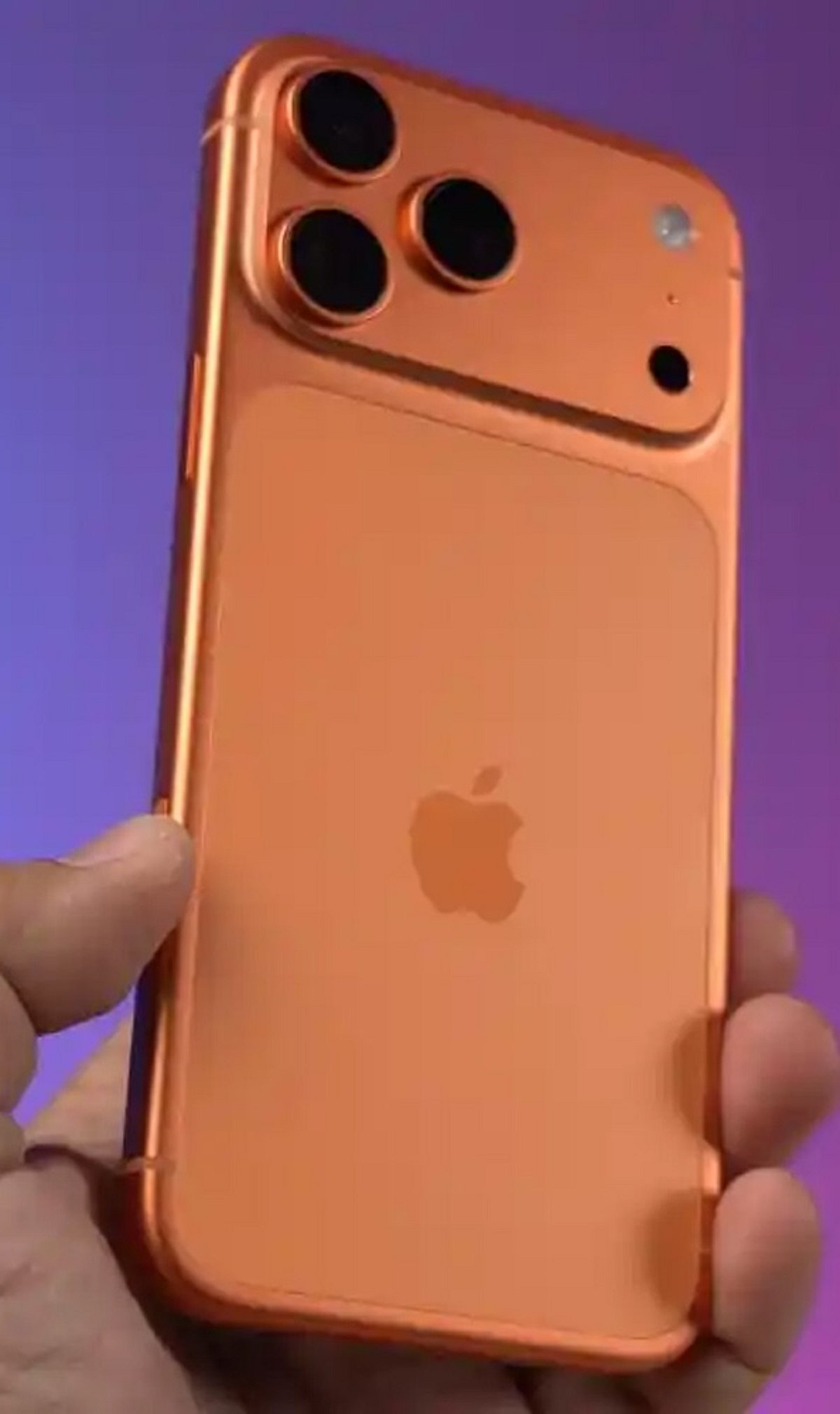
    Apple’s next-generation flagship smartphones, the iPhone 18 Pro and iPhone 18 Pro Max, are set to bring a host of improvements in performance, camera, display, and intelligent features. Here are the nine most important things to know about these upcoming devices.

    1. A19 Pro Chip

    Apple’s next-generation A19 Pro chip is expected to deliver faster performance, improved efficiency, and stronger capabilities for demanding applications, setting a new standard for smartphone processing power.

    2. Camera Upgrades

    The iPhone 18 Pro models bring camera improvements designed to enhance photography, video recording, low-light performance, and computational photography, pushing the boundaries of mobile imaging.

    3. Advanced Display Technology

    Apple’s latest Pro models feature advanced display technology aimed at delivering brighter visuals, smoother performance, and improved outdoor viewing experiences.

    4. Apple Intelligence

    New Apple Intelligence capabilities are expected to make the iPhone more useful through smarter features, enhanced assistance, and personalised experiences.

    5. Battery Improvements

    Efficiency improvements and hardware optimisation could help the iPhone 18 Pro models deliver longer battery life during everyday smartphone use.

    6. Design Refinements

    Apple introduces design refinements that give the latest Pro models a refreshed appearance while maintaining the distinctive premium iPhone identity.

    7. Enhanced Connectivity

    The iPhone 18 Pro series brings updated connectivity technologies, potentially offering faster wireless performance and improved reliability across supported networks.

    8. Larger Display on Pro Max

    The Pro Max delivers Apple’s premium smartphone experience with a larger display, enhanced hardware, and features designed for demanding users.

    9. Overall Performance Leap

    Combining the A19 Pro chip, camera upgrades, display improvements, and Apple Intelligence, the iPhone 18 Pro and Pro Max represent a significant leap in overall performance and user experience.

  • OPPO Find X10 Series: Triple 200MP Cameras and Hasselblad Imaging Lead the Charge

    OPPO Find X10 Series: Triple 200MP Cameras and Hasselblad Imaging Lead the Charge

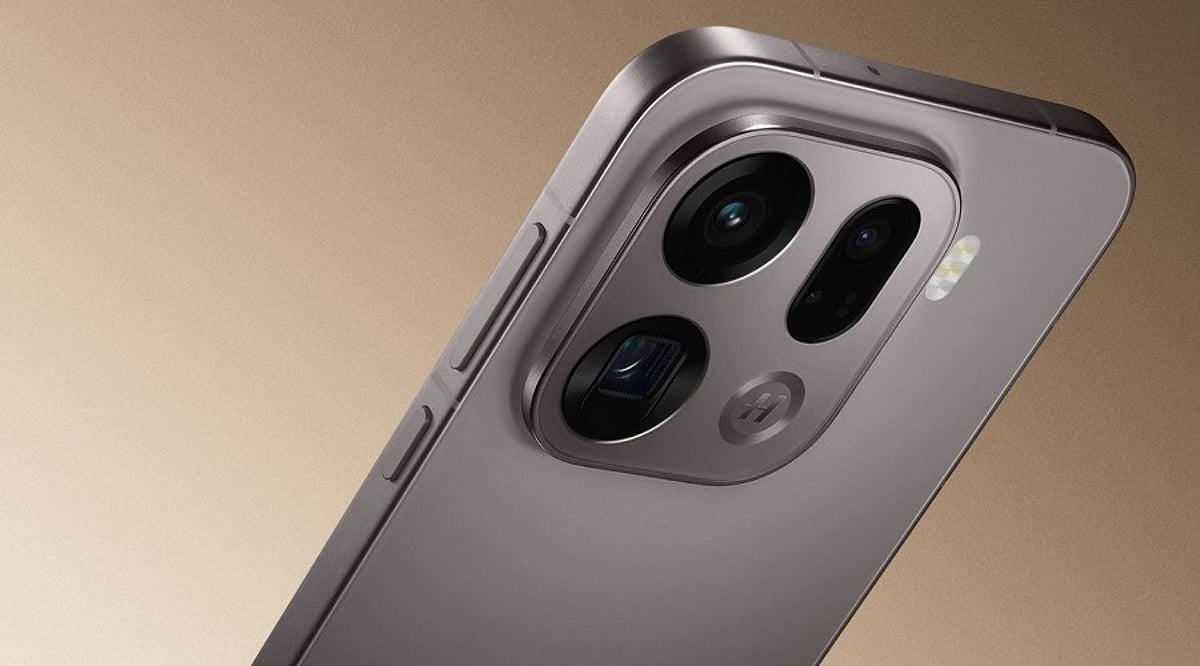
    OPPO is doubling down on mobile photography with the official announcement of its upcoming Find X10 Series. The company confirmed via Weibo that the new flagship lineup will launch this September, though a specific date has not yet been provided. The highlight of the series is the integration of the Hasselblad Ultra HD Original Camera system, promising clearer images, more accurate colors, and realistic lighting and shadows.

    The Find X10 Pro Max is reported to feature two 200-megapixel rear cameras and one 50-megapixel rear camera. The standard Find X10 will share the same camera configuration. Both models will also debut OPPO’s second-generation Danxia color system alongside the Hasselblad partnership.

    Beyond the camera hardware, the phones are expected to include impressive specifications. The Find X10 is rumored to sport a 6.59-inch display, a MediaTek Dimensity 9600 chipset, and a massive 10,000mAh battery. The Pro Max variant may feature a larger 6.82-inch screen and a Dimensity 9600 Pro processor. Both models are tipped to offer 12GB of RAM, 256GB of storage, and a 50-megapixel front-facing camera.

    With this aggressive camera setup, OPPO is directly challenging rivals like Samsung, Apple, and Vivo. The timing is strategic—September is crowded with major smartphone launches, and OPPO needs a standout feature. The dual 200MP sensors and Hasselblad collaboration could give the Find X10 Pro Max a distinct edge in the premium photography segment. The real test, however, will be real-world image quality. If OPPO can translate the high-resolution hardware into consistently excellent photos, the Find X10 Pro Max could become one of the most talked-about devices of the season.

  • Redmi K200 Series Leak Hints at Major Naming Shift for Xiaomi’s Flagship Lineup

    Redmi K200 Series Leak Hints at Major Naming Shift for Xiaomi’s Flagship Lineup

    Xiaomi’s sub-brand Redmi appears to be planning a significant change for its flagship K-series smartphones. Instead of continuing with the expected K110 naming, the company has teased that the next generation could be called the Redmi K200 series. The speculation comes as Redmi prepares to launch its K100 series in China on August 11.

    In a recent Weibo post, Redmi product manager Mia Xinxin responded to a fan question about the naming, saying, “Good question, K110 feels a bit strange.” That comment has reignited rumors that the brand may skip the K110 designation entirely and jump to K200 for its successor lineup.

    The upcoming Redmi K100 Pro series includes two models: the K100 Pro and K100 Pro Max. The Pro model is expected to pack an 8,580mAh silicon-carbon battery with 100W wired fast charging, a 200-megapixel primary camera, and a 6.59-inch OLED screen. The Pro Max will run on an octa-core Snapdragon 8 Elite Gen 5 chipset and house a 9,070mAh battery. Both devices target users who want flagship-level performance at a more accessible price point.

    Smartphone brands frequently change product names to mark new eras or make generations easier to identify. If Redmi officially adopts the K200 branding, it would be one of the biggest naming shifts the K-series has seen in years. Until Xiaomi confirms the change, fans and industry watchers will have to wait for more details.

    For now, all eyes are on the August 11 launch of the Redmi K100 Pro series, which will set the stage for what comes next.

  • Xiaomi 18 Pro Global Model Surfaces Online; Mix Fold 5 Secures 3C Certification in China

    Xiaomi 18 Pro Global Model Surfaces Online; Mix Fold 5 Secures 3C Certification in China

    Xiaomi appears to be gearing up for two major flagship launches, with the global version of the Xiaomi 18 Pro spotted in online databases and the upcoming Mix Fold 5 receiving another regulatory certification in China. The latest developments indicate both premium smartphones are moving closer to their official debut, though Xiaomi has yet to confirm launch dates.

    Xiaomi 18 Pro Global Variant Appears Online

    The Xiaomi 18 Pro has been listed in global databases, hinting at a worldwide release following its China launch. The listing reveals the global model number as 26122PN61G, while the Chinese variant is tagged M261DB. The device is expected to launch in markets such as Turkey, the European Economic Area, Russia, Taiwan, and Japan. Notably, India is not included in the reported release plans.

    Flagship Hardware Expected

    Leaks suggest the Xiaomi 18 Pro may retain the secondary rear display first seen on its predecessor. The phone is rumored to be powered by Qualcomm’s upcoming Snapdragon 8 Elite Gen 6 Pro chipset. For photography, it could feature two 200MP SmartSens camera sensors, including a large 1/1.28-inch 3.0 LOFIC primary sensor. A dedicated AI button is also tipped to provide quick access to artificial intelligence features and camera functions. Xiaomi has not officially confirmed any of these specifications.

    Mix Fold 5 Moves Closer to Launch

    Meanwhile, Xiaomi’s next-generation foldable has passed China’s 3C certification, following earlier approvals from the SRRC and MIIT. The certification confirms support for 67W wired fast charging, signaling the device is nearing launch. Industry tipsters claim the Mix Fold 5 may also support Ultra Wideband (UWB) connectivity, the N79 5G band, and Xiaomi’s in-house AI large language model. The foldable is reportedly being tested with the company’s Xring O3 chipset instead of Qualcomm’s next flagship processor.

    What Else to Expect

    The Mix Fold 5 is rumored to feature a 7.5- to 7.6-inch inner foldable display, a 200MP main camera, a 6,000mAh battery, wireless charging, water resistance, and a side-mounted fingerprint scanner. Xiaomi has not confirmed the specifications or launch timeline, but the latest certifications indicate official announcements may not be far off.

  • Top 8 Flagship Smartphones Under Rs. 1 Lakh Offering Real Value in 2026

    Top 8 Flagship Smartphones Under Rs. 1 Lakh Offering Real Value in 2026

    Looking for a premium flagship smartphone without crossing the Rs. 1 lakh mark? We’ve rounded up the best options that deliver true value in 2026. From Samsung’s Galaxy S25 to Google’s Pixel 10, these devices pack top-tier performance, exceptional cameras, and long-term software support.

    Samsung Galaxy S25

    The Samsung Galaxy S25 offers a premium flagship experience with a powerful Snapdragon chipset, advanced AMOLED display, and Galaxy AI features. Its versatile camera system captures excellent photos in various lighting conditions, while years of software updates ensure long-term value. Fast charging, wireless charging, and strong build quality make it a compelling choice under Rs. 1 lakh.

    Apple iPhone 16

    The iPhone 16 delivers flagship-grade performance with Apple’s latest A-series processor, enabling smooth multitasking and efficient power management. Its cameras excel in photography and video recording, while iOS provides consistent software updates and strong security. Premium build quality, seamless integration with the Apple ecosystem, and reliable battery life make it a worthwhile investment for many users.

    OnePlus 13

    The OnePlus 13 combines flagship hardware with a fluid OxygenOS experience and one of the fastest charging systems available. Powered by Qualcomm’s latest premium processor, it delivers outstanding gaming and multitasking performance. Its Hasselblad-tuned camera system, vibrant display, and long battery life make it an excellent option for users seeking flagship performance without crossing the Rs. 1 lakh mark.

    Xiaomi 15

    The Xiaomi 15 stands out with its compact premium design, Leica-engineered camera system, and high-end Snapdragon processor. Its bright AMOLED display, fast wired and wireless charging, and AI-powered software features enhance the overall user experience. Strong imaging capabilities and flagship-level performance make it one of the best-value smartphones available in the premium segment.

    Vivo X200

    The Vivo X200 impresses with its Zeiss-powered camera system, delivering exceptional portrait photography and low-light performance. Equipped with a flagship MediaTek processor, it offers smooth everyday performance, efficient battery life, and a vibrant display. Premium design, fast charging, and advanced imaging features make it an attractive choice for photography enthusiasts seeking flagship quality under Rs. 1 lakh.

    Google Pixel 10

    The Google Pixel 10 offers one of the smartest Android experiences with AI-powered features, timely software updates, and outstanding computational photography. Its cameras consistently produce natural-looking images, while the clean Pixel interface ensures smooth performance. Exclusive AI tools, dependable security updates, and reliable everyday usability make it a strong flagship option in this price category.

    OPPO Find X9

    The OPPO Find X9 combines elegant design with flagship performance, premium cameras, and rapid charging technology. Its advanced imaging system delivers impressive photos across different scenarios, while the powerful chipset handles demanding applications with ease. A high-quality display, premium build, AI-powered software enhancements, and dependable battery life make it a strong value-for-money flagship under Rs. 1 lakh.

    Whether you prioritize camera excellence, raw performance, or software longevity, these smartphones prove you don’t need to spend over Rs. 1 lakh to get a true flagship experience.

  • Vivo X500 Pro Max Goes Global: 200MP Periscope Camera and 8,000mAh Battery Confirmed by TKDN Certification

    Vivo X500 Pro Max Goes Global: 200MP Periscope Camera and 8,000mAh Battery Confirmed by TKDN Certification

    Vivo has taken a significant step toward the global launch of its upcoming flagship smartphone, the X500 Pro Max, as the device secures TKDN certification in Indonesia. The listing, bearing model number V2610, matches an earlier GSMA IMEI database entry, strongly indicating that this is the international variant of the highly anticipated handset.

    According to industry reports, Vivo is expected to unveil the X500 series in China this September, with a global rollout likely to follow shortly after. While the company has yet to confirm official dates, certification approvals typically surface just weeks before a new smartphone reaches retail markets.

    Display and Performance Expectations

    Though the TKDN listing does not disclose full specifications, trusted leaks have painted a detailed picture of the device’s hardware. The Vivo X500 Pro Max is rumored to feature a 6.85-inch flat LTPO OLED display with 2K resolution and a 144Hz refresh rate. An ultrasonic fingerprint scanner is also expected for faster, more secure unlocking.

    Under the hood, the phone may be powered by the MediaTek Dimensity 9600 chipset, with some sources suggesting a Dimensity 9600 Pro variant. This next-generation processor promises enhanced performance and power efficiency for demanding tasks such as gaming, multitasking, and daily use. Vivo has not officially confirmed the processor, so these details remain based on leaks.

    Battery and Camera Highlights

    Battery life could be a standout feature. Leaks suggest a massive battery capacity between 7,000mAh and 8,000mAh, potentially offering all-day or even multi-day usage on a single charge. Fast wired and wireless charging support is also anticipated, though exact charging speeds have not been disclosed.

    The camera system has generated considerable buzz. Reports point to a 50MP main sensor with Sony’s LOFIC technology, a 50MP ultra-wide lens, and a 200MP periscope telephoto camera capable of high-quality zoom photography. A 50MP front-facing camera is expected for selfies and video calls, rounding out a versatile imaging setup.

    Global Launch and Market Strategy

    The TKDN certification confirms that Vivo is preparing the X500 Pro Max for markets beyond China. India is often mentioned as a likely early recipient, given Vivo’s history of launching premium devices there shortly after their China debut. However, the company has not made any official announcements regarding specific markets.

    With its large battery, powerful processor, and advanced camera system, the Vivo X500 Pro Max appears poised to compete with other flagship smartphones. Official specifications, pricing, and availability details are expected to be revealed once Vivo makes a formal announcement.

    Stay tuned for more updates as the launch approaches.