Tag: foldable iPhone

  • Apple’s Foldable iPhone May Start at $2,000, Top Variants Could Exceed $3,000

    Apple’s Foldable iPhone May Start at $2,000, Top Variants Could Exceed $3,000

    Apple is preparing to enter the foldable smartphone market with a device that could carry a hefty price tag. According to industry analysts, the company’s first foldable iPhone, rumored to be called the iPhone Ultra, may start at over $2,000, with higher-storage configurations potentially exceeding $3,000.

    Premium Pricing Expected

    IDC estimates the average selling price for the flagship foldable will be above $2,550 (roughly Rs. 2.25 lakh), while other variants could reach or surpass $3,000. TrendForce offers a slightly lower projection, placing the price between $2,099 and $2,299 (approximately Rs. 1.85 lakh to Rs. 2.03 lakh). Citi analysts also expect the starting price to exceed $2,000.

    These figures would position Apple’s foldable well above Samsung’s Galaxy Z Fold 8, which retails at $1,899. The premium pricing reflects not only the novelty of the form factor but also rising component costs.

    Rising Memory Costs

    The smartphone industry has faced significant memory price increases over the past year. Counterpoint Research notes that the cost of 16GB of smartphone DRAM jumped from about $42 in Q2 2025 to around $181 a year later—a more than fourfold increase. This trend is expected to impact the pricing of all high-end devices, including Apple’s upcoming iPhone 18 Pro, which TrendForce predicts will cost $1,319, up from the iPhone 17 Pro’s $1,099 starting price.

    Expected Features and Design

    The iPhone Ultra is rumored to feature a 7.8-inch inner display and a 5.5-inch cover screen, along with 12GB of RAM and a 5,500mAh battery. Apple is reportedly focusing heavily on the hinge mechanism and display crease, conducting additional manufacturing trials to improve both areas.

    Limited Initial Supply

    Production is currently estimated at only a few hundred units per day as Apple fine-tunes the manufacturing process. This suggests that initial supply could be constrained, potentially driving up prices even further in secondary markets.

    Launch Event and Market Impact

    Apple is scheduled to unveil its September lineup at the Steve Jobs Theater on September 9. The event is expected to include the iPhone 18 Pro, iPhone 18 Pro Max, and the foldable model. The standard iPhone 18 and refreshed iPhone Air are expected to follow later.

    The foldable iPhone represents a key test for Apple: will consumers be willing to pay a premium for the new form factor? With the foldable smartphone market still relatively niche, Apple’s entry could either validate the segment or face an uphill battle against established players like Samsung.

    As the launch approaches, more details are likely to emerge. For now, the industry is watching closely to see if Apple can redefine the foldable category—and at what cost.

  • Foldable iPhone Leak Sparks Buzz: Viral Images Fuel Rumors and Debate

    Foldable iPhone Leak Sparks Buzz: Viral Images Fuel Rumors and Debate

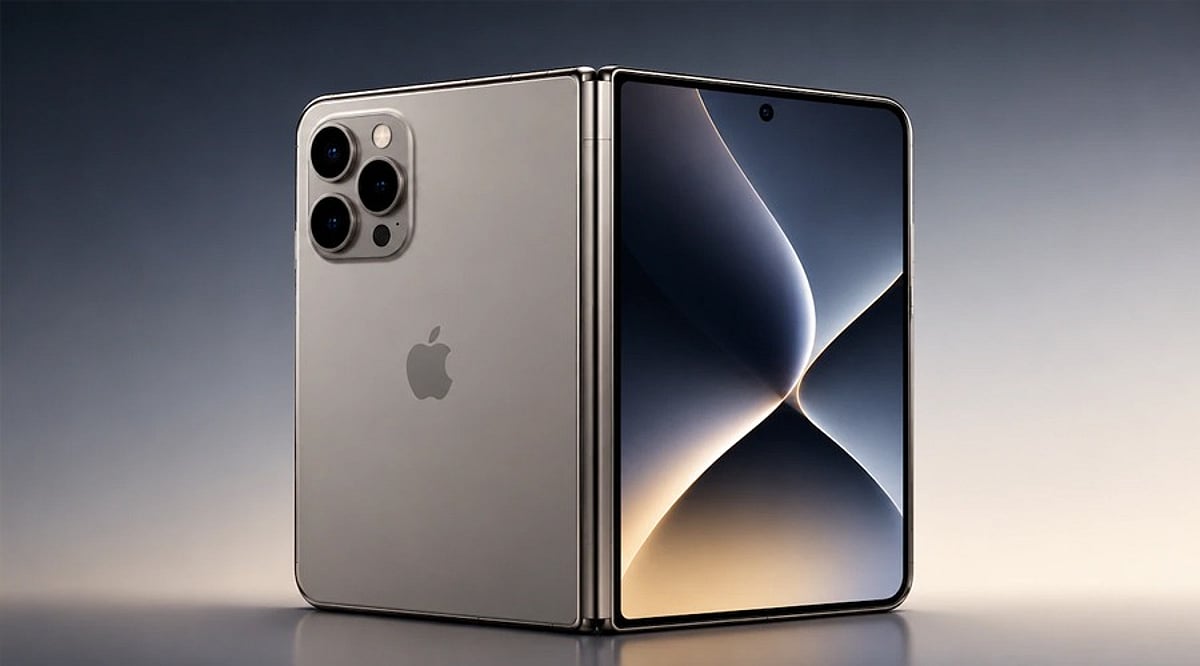
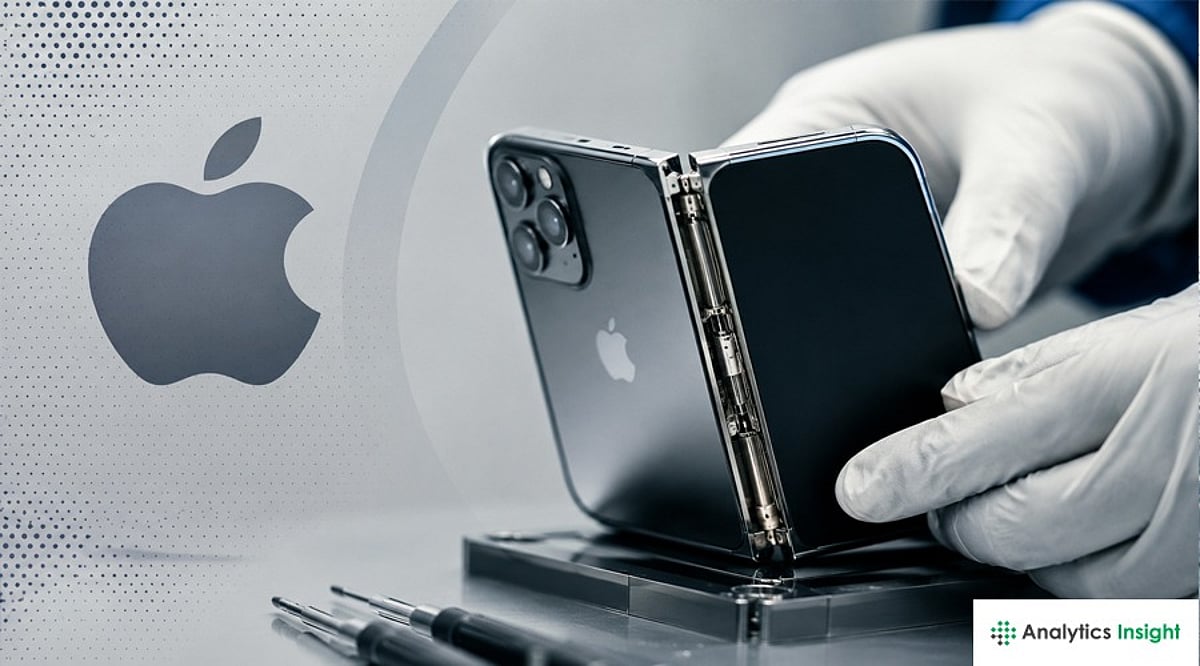
    Images claiming to show Apple’s foldable iPhone have gone viral, captivating fans and tech watchers while stirring fresh debate over the device’s authenticity and potential price. The leaked visuals depict a phone that folds like a book, revealing a large inner screen in a design that appears slimmer than many current foldable models.

    Some observers believe the images could represent an early Apple prototype, while others suspect they are concept renders or a modified existing device. Apple has not confirmed any foldable iPhone, but the company has been linked to folding phone rumors for years, fueling the excitement.

    Foldable iPhone Rumors Are Back

    The leaked images show a book-style foldable design. However, some users have noted that the two halves appear uneven in the images, raising questions about whether the device would fold properly. Other reports suggest Apple has experimented with both book-style and flip-style models. Additionally, rumors claim the foldable iPhone, possibly called iPhone Ultra, could pack a 5,000 mAh battery and launch alongside the iPhone 18 lineup in September 2026.

    For now, there is no proof that the viral images are real. Until Apple makes an official statement, they remain part of the growing rumor mill.

    What Apple Must Get Right

    If Apple does launch a foldable iPhone, users will have high expectations. The device must be durable for daily use, with a smooth hinge and minimal screen crease. Battery life is crucial since a larger screen typically consumes more power; users will expect all-day performance. Apps should transition seamlessly between outer and inner screens, and the overall experience must feel intuitive, not just novel.

    Price will be another key test. Foldable phones from Samsung, Google, and others already cost significantly more than standard flagships, and Apple’s premium positioning suggests its foldable could be the most expensive iPhone yet. High excitement may not translate into purchases if the price tag is too steep.

    For now, all we have are rumors and viral images, but they have reignited one of the most talked-about ideas in tech.

  • Can Apple’s Foldable iPhone Revitalize the Sluggish Foldable Phone Market?

    Can Apple’s Foldable iPhone Revitalize the Sluggish Foldable Phone Market?

    Apple’s trusted brand could finally push foldable smartphones beyond early adopters into mainstream consumer markets worldwide. Consumer interest already exists, but affordability, durability, and usability remain the biggest barriers to purchase today. Apple’s premium pricing strategy could determine whether foldable phones succeed or remain luxury products exclusively.

    The foldable phone space has been building for years, and one question keeps coming up: Can Apple actually change this market? After looking at the latest research and production reports, the answer appears to be yes, but only if Apple gets a few big things right.

    Foldable phones have been around for years. Samsung, Motorola, Google, and OnePlus have all released models. However, foldables still make up only about 3% of total smartphone sales. This shows that the category is hyped but doesn’t have mass appeal. At least not yet, but Apple is venturing into this space, which can change on the back of its massive brand value worldwide.

    Why Consumers Are More Open Than Expected

    A recent survey from SmartTech Research offers some useful clues. It polled 291 qualified smartphone buyers across the country, not just tech enthusiasts in big cities. The results are notable. About 58% of respondents said they are at least somewhat open to buying a foldable phone next. Only 5.3% said they are unlikely to buy this model.

    This suggests people are not against foldables. They simply don’t have a strong reason to buy one yet. Additionally, the specs, features, and aesthetics can be improved since Apple has a late-mover advantage and it can crack its popularity issue.

    The Apple Trust Factor

    When the same survey asked whether Apple’s entry into the foldable market would make people more confident about buying one, 60.5% said yes. This makes sense given Apple’s history, as it has a pattern of entering product categories later than its competitors and then making them feel mainstream. The iPod was not the first MP3 player, and the iPhone was not the first smartphone. Apple did not invent these categories, but it refined the experience until people trusted and embraced them.

    For foldables, that trust matters even more. Buyers worry about creases, hinges, durability, and repair costs. If Apple can quell those fears, it could pull hesitant buyers off the sidelines. The tech giant will have this big responsibility of addressing these issues with its innovative approach and comprehensive research and development.

    The Price Problem Apple Cannot Ignore

    This is the part that raises concern. Reports now suggest Apple’s foldable iPhone could cost around $2,400 to $2,500. This price is above that of almost every other foldable on the market today. Counterpoint Research data shows only about 2% of foldables are expected to be priced above $2,000 this year.

    The survey backs this up too. Most consumers expect to pay under $1,000 for their next phone. Only a small group said they would pay $2,000 or more for a foldable, even if it offered clear benefits.

    There is also a depreciation problem. Research on foldable phones from SellCell indicates the devices could lose close to 65% of their value within a year. At a $2,500 price point, that could mean losing over $1,600 in value in just twelve months. This is a hard number to ignore.

    Why It Matters

    This matters because Apple rarely enters a market halfway. Recent reports suggest Apple has raised its foldable production target to around 10 million units. This is almost double what Samsung plans to produce across its entire foldable lineup. This is not a cautious test run. It is a serious bet. If Apple pulls this off, it could do what it has done before. It could turn a niche product into a normal purchase. This would expand the entire foldable market, not just Apple’s slice of it. Samsung, Google, and Motorola could all benefit from more people simply being open to the idea of a folding phone. If Apple gets the price or the durability story wrong, though, it risks turning this into an expensive misstep. A device priced above $2,000 could stay a luxury item rather than a mainstream choice.

    The Bigger Picture

    Apple appears to have a real chance to reshape this market. It has secured both trust and credibility. However, it needs a price and design that do not scare buyers away. If it delivers a foldable iPhone that feels reliable and useful rather than fragile and overpriced, it could turn years of foldable hype into real, lasting demand.

    Frequently Asked Questions

    1. Will Apple release a foldable iPhone? Reports suggest Apple is preparing to launch a foldable iPhone, with production plans pointing toward a large-scale rollout rather than a limited test release.
    2. How much will the Apple foldable iPhone cost? Current reports estimate a price between $2,400 and $2,500, which would place it well above the price of most foldable phones sold today.
    3. Are consumers actually interested in foldable phones? Yes. A recent survey found that about 58% of smartphone buyers are at least somewhat open to buying a foldable phone next.
    4. Does Apple’s entry make people trust foldables more? According to the same survey, 60.5% of respondents said Apple entering the foldable market would make them more confident about buying one.
    5. What is the biggest risk for Apple’s foldable phone? Price and depreciation stand out as the biggest risks. Foldable phones already lose close to 65% of their value within a year, and a high starting price could make that loss even steeper.

  • Apple’s Foldable iPhone Begins Mass Production: 10 Million Units Expected for September 2026 Launch

    Apple’s Foldable iPhone Begins Mass Production: 10 Million Units Expected for September 2026 Launch

    Apple’s first foldable iPhone has officially entered mass production, signaling a major step toward its anticipated September 2026 launch. According to supply chain reports, the tech giant has begun large-scale manufacturing after finalizing the device’s design. The foldable model is expected to debut alongside the iPhone 18 Pro and iPhone 18 Pro Max at Apple’s annual September event.

    Earlier reports hinted at delays due to hinge development challenges, but fresh updates indicate those issues have been resolved, and production is now on schedule. This contradicts a recent prediction from analyst Ming-Chi Kuo, who suggested that while the phone might be announced in September, customer availability could be limited until later in the year. Kuo also speculated that initial stock would be constrained as production ramps up.

    The foldable iPhone, rumored to carry the name “iPhone Ultra,” is expected to feature a 7.8-inch inner OLED display and a 5.5-inch cover screen, using a book-style folding design that opens like a small tablet. A titanium body and an advanced hinge are anticipated to deliver a smoother folding experience. Under the hood, the device may include Apple’s upcoming A20 chip for faster performance and better battery efficiency. Reports also suggest a Touch ID fingerprint sensor embedded in the power button instead of Face ID, along with two rear cameras and a slim, premium build.

    Mass production is a critical milestone, indicating Apple’s readiness to compete with established foldable phone makers like Samsung and Huawei. The company has reportedly increased its 2026 production target from 7–8 million units to nearly 10 million units, reflecting strong anticipated demand. However, early availability may still be limited. Pricing is expected to range between $2,300 and $2,500, making it the most expensive iPhone to date. Apple has not officially confirmed the device, so the name, features, price, and launch date remain subject to change before the September event.

  • Apple Scales Up Foldable iPhone Ultra Production Targets to 10 Million Units

    Apple Scales Up Foldable iPhone Ultra Production Targets to 10 Million Units

    Apple is reportedly increasing its manufacturing plans for the company’s first foldable smartphone, widely expected to launch as the iPhone Ultra. According to sources cited by Nikkei Asia and 9to5Mac, the tech giant has asked suppliers to prepare for the production of nearly 10 million units of the foldable device—up from earlier estimates of 7–8 million. This ramp-up signals stronger-than-expected confidence in demand for the premium product.

    In addition to the foldable model, Apple plans to manufacture over 70 million units of the iPhone 18 Pro and iPhone 18 Pro Max, bringing total premium iPhone production to roughly 80 million units in the second half of 2026. The company’s overall iPhone production target for the year is reportedly around 220 million units, with IDC estimating it could reach 240 million. Apple has also instructed suppliers to stockpile certain components for the iPhone 18 Pro models.

    The foldable iPhone Ultra is expected to be the most expensive iPhone ever, with IDC pegging its base price at approximately $2,500 (around ₹2.38 lakh). Versions with higher storage capacity could cost up to $3,000. Apple is expected to unveil the iPhone 18 Pro, iPhone 18 Pro Max, and the foldable iPhone Ultra at its traditional September 2026 launch event, though the foldable model may ship later due to its complex manufacturing process. Reports also suggest the standard iPhone 18 could be delayed until spring 2027.

  • Apple’s Foldable iPhone Poised to Reshape Premium Smartphone Market by 2026

    Apple’s Foldable iPhone Poised to Reshape Premium Smartphone Market by 2026

    Apple’s anticipated entry into the foldable smartphone market is expected to significantly boost competition and drive up average selling prices (ASPs) across the segment, according to new research from Counterpoint. Although Apple has yet to officially announce a foldable device, mounting anticipation is already influencing market dynamics, prompting rivals like Samsung, Huawei, Google, and Xiaomi to accelerate their own foldable launches.

    Counterpoint Research forecasts global foldable smartphone shipments will approach 28 million units this year, with Apple’s debut likely pushing the category’s ASP from $1,255 in 2025 to $1,485 in 2026—an 18% increase. The foldable segment’s total revenue could surge by 48% as a result.

    Book-Type Foldables Gain Premium Position

    Industry analysts expect Apple’s foldable to adopt a book-type, wide-screen design rather than a clamshell form factor. This approach is seen as better suited for reading and productivity, and aligns with Apple’s emphasis on consistent app display standards across its ecosystem.

    Counterpoint notes a growing divergence between foldable formats. Clamshell devices are becoming more affordable as production scales and more brands enter the space. In contrast, book-type foldables remain firmly in the luxury segment, with manufacturers enhancing displays, hinges, batteries, cameras, and productivity features.

    “Apple’s entry into the foldable market is also expected to further boost the upward ASP trend by keeping market attention on high-priced segments,” Counterpoint stated. The firm added that this will “increase interest in software continuity, app support, and productivity across foldable categories and help establish foldables as a higher-value segment within the smartphone market.”

    Premium Price Band May Expand

    According to Counterpoint, the share of foldables priced between $1,600 and $2,000 could nearly double from 30% in 2025 to 58% in 2026. Meanwhile, the portion of devices exceeding $2,000 is expected to decline slightly from 3% to 2%.

    Apple’s own foldable is likely to sit in its ultra-premium tier, with estimated ASPs around $2,500 or higher depending on configuration.

    Challenges Remain for Foldables

    Despite more than seven years of development, foldable phones still face hurdles including inner-screen flatness, protective film durability, hinge reliability, and optimal app performance across inner and outer displays.

    Manufacturers also believe foldables need compelling use cases in office workflows, AI, and photography. While Apple’s move could elevate the category’s profile, the long-term success of foldables will depend on delivering a clearly superior user experience compared to standard premium smartphones.

  • Apple to Launch Five New iPhones by 2027, Including Foldable Model with Higher Production Target

    Apple to Launch Five New iPhones by 2027, Including Foldable Model with Higher Production Target

    Apple is reportedly preparing to launch at least five new iPhone models between the second half of 2026 and early 2027, including its first foldable device. The company has raised its foldable production target and is exploring new memory chip suppliers as AI-driven demand tightens global component supplies.

    The planned lineup includes the company’s first foldable iPhone, a standard iPhone 18, and a new iPhone Air model. Apple is also reviewing new memory chip suppliers as demand from artificial intelligence data centers limits global supplies. Apple has not confirmed the product plans or its reported discussions with Chinese chipmakers.

    Apple Raises Foldable iPhone Production Plans

    Apple has reportedly asked suppliers to prepare components for about 10 million foldable iPhones in 2026, up from an earlier target of between 7 million and 8 million units. The increase suggests Apple is allocating more production capacity to its first foldable smartphone. Still, the figures come from people familiar with the supply chain, and Apple has not publicly announced the device or confirmed its expected production volume.

    Reports have described the foldable phone as a premium model that could sit above Apple’s existing Pro lineup. Some market estimates have placed its possible price near $2,500, although Apple has not provided any official pricing information. Meanwhile, Samsung and Huawei already sell several foldable smartphone models. Apple’s entry would add another major brand to the category, which remains smaller than the standard smartphone market.

    Apple has also secured parts for about 80 million new iPhones scheduled for production in the second half of 2026. Its total smartphone output could exceed 220 million units this year, according to current supplier estimates.

    Five-Model Roadmap Extends into Early 2027

    Apple’s reported launch schedule covers at least five devices across two release periods. The company is expected to introduce several models in late 2026 before adding the standard iPhone 18 and another iPhone Air in early 2027. A spring release would mark a change from Apple’s usual approach of launching its main iPhone range in September. The move could allow the company to spread demand across the year and target different price groups at separate times.

    One supplier executive reportedly said Apple has ‘good motivation’ to release iPhones in spring and gain market share. However, the launch timetable remains unconfirmed, and production plans can change before devices enter mass manufacturing.

    Apple’s purchasing scale may also give it more access to limited memory supplies than smaller smartphone makers. Reports say Xiaomi, Oppo, and Vivo have reduced annual production targets to below 100 million units amid higher component prices. Additionally, Apple recently raised prices for some MacBook and iPad products as memory and storage costs increased, showing how supply pressure has reached several parts of the consumer electronics market.

    Apple Considers Chinese Memory Chip Suppliers

    Apple is reportedly holding discussions with ChangXin Memory Technologies and Yangtze Memory Technologies about supplying chips for devices sold in China. The talks are said to be ongoing, and no agreement has been announced. Both Chinese companies appear on a Pentagon list of businesses accused of links to China’s military, so any supply agreement could face political and regulatory review in the United States.

    Apple is seeking more supply options as AI data centers consume a growing share of global memory production. Strong demand for DRAM and NAND chips has raised prices for smartphone, computer, and data-center manufacturers. Using more suppliers could help Apple secure enough parts and negotiate better purchasing terms. Nevertheless, the company must consider product quality, production capacity, trade rules, and restrictions linked to Chinese technology companies.

    Apple has not commented on the reported supplier talks. The company has also not confirmed the foldable iPhone, its five-model launch schedule, or its production targets through early 2027.

  • Apple Ushers in a New Innovation Wave: Foldables, AI, and Beyond

    Apple Ushers in a New Innovation Wave: Foldables, AI, and Beyond

    Apple is gearing up for its most significant product overhaul in years, with a wave of innovations spanning foldable devices, advanced artificial intelligence, and smarter wearables. Here’s a closer look at what’s coming next from the tech giant.

    Foldable iPhone

    Apple’s first foldable iPhone is expected to debut with a premium design, a larger display, and seamless multitasking capabilities, positioning it to compete directly in the growing foldable market.

    AI-Powered Siri

    The company is rebuilding Siri with advanced AI, enabling more natural conversations and boosting productivity across the entire Apple ecosystem.

    Apple Intelligence

    Apple Intelligence will power writing, image editing, notification management, and daily tasks — all while keeping user privacy at the core.

    Custom AI Chips

    Next-generation Apple chips are designed to deliver faster on-device AI performance with greater efficiency and lower power consumption.

    Smart Wearables

    Rumors suggest Apple is expanding beyond the Apple Watch with devices like the iRing and more health-focused wearables.

    Home Robotics

    Apple is reportedly exploring AI-powered home robots that can assist with everyday tasks and smart home management.

    Mixed Reality Expansion

    Following the Vision Pro, Apple is expected to introduce lighter and more affordable spatial computing devices.

    Ecosystem Integration

    Future Apple products will work more closely together, offering seamless experiences across iPhone, iPad, Mac, Watch, and Vision devices.

  • iPhone Ultra Dummy Leak Reveals Black Colorway and Premium Foldable Design

    iPhone Ultra Dummy Leak Reveals Black Colorway and Premium Foldable Design

    A leaked dummy unit of Apple’s rumored iPhone Ultra has surfaced in a sleek black finish, offering the most detailed look yet at the company’s anticipated foldable flagship. The images, published by Jam Online, show a device that closely matches earlier design rumors and hint at Apple’s strategy to compete directly with Samsung’s Galaxy Z Fold 7.

    Design and Build Quality

    The dummy unit reveals a wider form factor when unfolded compared to conventional iPhones, with an aspect ratio reminiscent of the OPPO Find N rather than the tall, narrow Galaxy Z Fold 7. This makes the device more compact and button placement more accessible, especially for users with smaller hands. In its unfolded state, the phone reportedly resembles a compact iPad Mini in portrait orientation.

    The black colorway shown in the renders is likely one of several options Apple will offer. The camera module is raised to accommodate internal components, meaning the phone won’t lie flat on a table unless placed screen-first. A selfie camera is visible in the upper-left corner of the main display, while a second front-facing camera is integrated into the outer cover screen.

    Camera and Hardware Specs

    The dual rear cameras are arranged horizontally in a pill-shaped module, accompanied by an LED flash and a microphone. Both sensors are expected to be 48-megapixel units. The leaked model also includes a Camera Control button positioned below the power button, with volume keys along the upper edge. A USB Type-C port sits at the bottom between dual speaker grilles.

    Under the hood, the iPhone Ultra is rumored to ship with Apple’s A20 Pro chipset paired with 12GB of LPDDR5x RAM. It is also said to feature Apple’s in-house C2 modem. The device is expected to have a 5.3-inch cover display and a 7.8-inch foldable inner screen, offering an immersive tablet-like experience when opened.

    Competing in the Foldable Market

    Apple’s entry into the foldable market comes as Samsung continues to dominate with its Z Fold series. The iPhone Ultra is reportedly nearly as thin as the Galaxy Z Fold 7 (8.9mm thick), and Apple is likely working to make its foldable even slimmer. Some reports suggest Apple may abandon Face ID to reduce thickness further.

    While the dummy unit shows a visible crease in the middle of the inner display, this is common among prototypes and final production units are expected to have improved panels. The foldable iPhone Ultra is anticipated to launch alongside the iPhone 18 Pro and iPhone 18 Pro Max in September this year, marking Apple’s boldest design shift in years.

  • Apple’s Foldable iPhone Nears Launch After Solving Key Display Durability Issues

    Apple’s Foldable iPhone Nears Launch After Solving Key Display Durability Issues

    Apple’s long-rumored foldable iPhone has reportedly achieved significant engineering breakthroughs, bringing the device closer to reality. Industry sources suggest that Apple has overcome two of the most persistent challenges in foldable design: display durability and the visible crease that has marred competing devices. These advancements could pave the way for a launch within months.

    The foldable iPhone is expected to debut alongside the iPhone 18 lineup in September 2026. According to supply chain reports, the device—likely to be named ‘iPhone Ultra’—will open like a book, offering a large tablet-like screen when unfolded while maintaining a standard phone form factor when closed. Mass production is slated between June and August 2026, with a potential delay of one to two months. The anticipated price is around $2,000.

    Apple has taken a measured approach to the foldable market, opting to refine core technologies rather than rush to compete with Samsung and other early entrants. The company invested years in perfecting the screen crease, hinge mechanism, and overall thinness of the device. This patient strategy aligns with Apple’s history of entering categories only when the technology meets its standards for everyday reliability.

    The foldable iPhone could also serve as a testbed for future Apple products. As flexible display technology matures, the innovations could influence next-generation iPads and other devices. For now, Apple remains silent on the project, but the growing evidence suggests that a foldable iPhone is no longer a distant rumor—it is an imminent product.