
Tag: foldable technology

  • iPhone Duo Too Pricey? 5 Compelling Foldable Alternatives Worth Your Money

    iPhone Duo Too Pricey? 5 Compelling Foldable Alternatives Worth Your Money

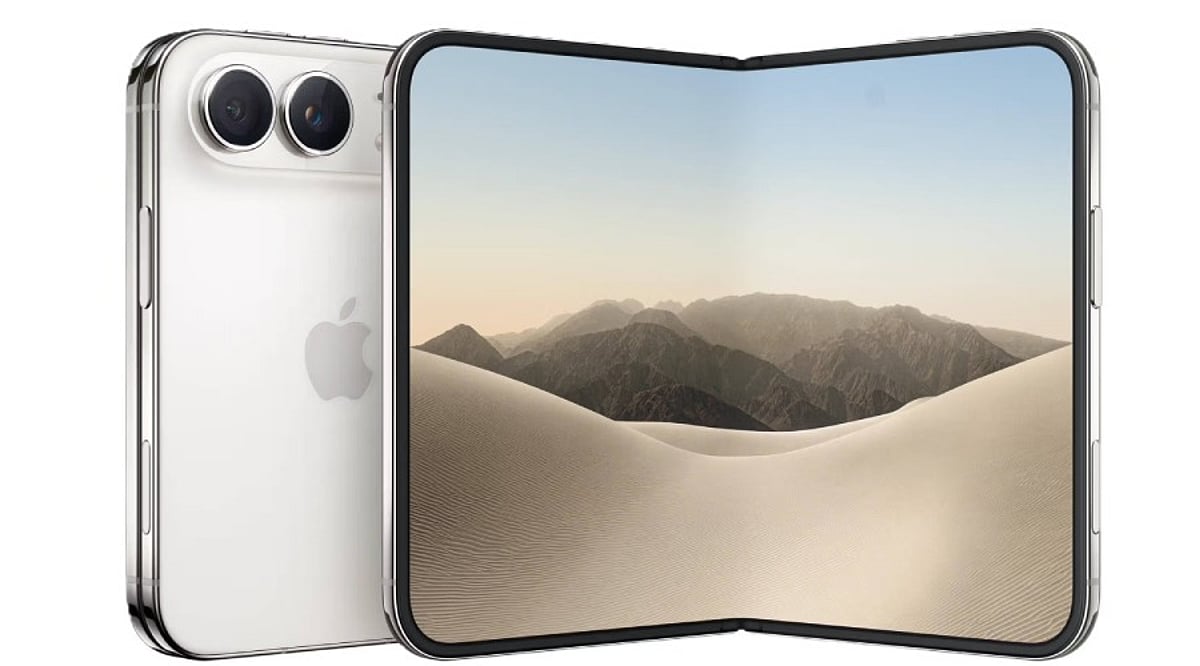
    Apple has finally entered the foldable phone market with the iPhone Duo, and the announcement has generated as much debate as excitement. The device carries a starting price of USD 1,999, which makes it the most expensive iPhone Apple has ever sold. For many buyers, this price tag raises a fair question: Is a foldable phone from Apple worth it, or would the same budget be better spent on a rival device that offers similar innovation at a lower cost?

    The foldable phone category has matured a great deal over the past few years, and several brands now offer devices that rival Apple on design, durability, and software, often at a friendlier price. This article looks at why the iPhone Duo costs so much and lists five foldable phones worth considering as alternatives.

    Why Apple’s iPhone Duo Carries a Heavy Price Tag

    The iPhone Duo opens like a book and reveals a 7.6-inch internal display, which Apple describes as the largest screen ever placed inside an iPhone. The cover screen measures 5.4 inches, and the device runs on Apple’s A20 Pro chip paired with a new cooling system. Apple claims this combination delivers 35% higher sustained performance compared with the iPhone 17 Pro. Battery life is rated at 31 hours of video playback, and the phone includes dual 48-megapixel rear cameras along with an under-display FaceTime camera. These components, along with the folding mechanism and reinforced hinge, add to key manufacturing costs. Foldable displays remain expensive to produce, and Apple has spent years refining the technology to avoid a visible crease, a problem that affected earlier foldables from other brands. The result is a premium device built with premium components.

    Samsung Galaxy Z Fold 7

    Samsung’s Galaxy Z Fold 7 remains one of the strongest book-style foldables on the market and starts at around USD 1,799, which is USD 200 less than the iPhone Duo. It runs on the Snapdragon 8 Elite chip, features a flagship camera system, and is noted for being one of the thinnest foldables available when closed. Samsung’s DeX mode also turns the phone into a near-laptop experience when connected to a keyboard, adding genuine productivity value beyond entertainment and browsing.

    Google Pixel 10 Pro Fold

    Pixel 10 Pro Fold is priced near USD 1,799 at launch, though it can often be found closer to USD 1,499 through retailers. What sets this device apart is durability. It carries the first IP68 water resistance rating given to a folding phone, a meaningful upgrade over earlier foldables that struggled with dust and moisture protection. Google also backs the phone with seven years of software updates, the longest commitment offered on any foldable today, which gives buyers strong long-term value for their money.

    Honor Magic V5

    Honor has positioned the Magic V5 as a direct challenger to Samsung and Apple, pricing it at EUR 1,999 in Europe, which works out to roughly 100 pounds less than the Galaxy Z Fold 7 in the UK market. The phone measures just 8.8 millimetres when folded, making it one of the slimmest foldables sold anywhere. It runs on the Snapdragon 8 Elite chipset, includes a 5,820mAh battery, and offers a triple rear camera system with a periscope telephoto lens. For buyers who want flagship specifications without paying Apple-level prices, the Magic V5 is a compelling option.

    Motorola Razr Ultra

    Not every buyer wants a large book-style device, and Motorola’s Razr Ultra 2026 caters to those who prefer a compact flip phone. Priced at USD 1,499, it features a 5,000mAh battery, dual 50-megapixel cameras suited for vlogging, and a bright cover display that supports Dolby Vision and HDR10 plus. Reviewers have noted that the price rose by 200 dollars over the previous generation, yet the phone still undercuts the iPhone Duo by USD 500 while offering a genuinely different form factor built around portability and design.

    Samsung Galaxy Z Flip 7

    For buyers who want to experience a foldable phone without spending close to USD 2,000, the Galaxy Z Flip 7 starts at around USD 999, roughly half the price of the iPhone Duo. It features a 4.1-inch cover screen that displays notifications, camera previews, and widgets without needing to open the phone. Samsung has also strengthened the hinge design in this generation, addressing a common concern among flip phone owners regarding long-term durability. It is not built for heavy multitasking the way the larger Fold models are, but it delivers the foldable experience at a price that many more people can afford.

    Foldable Phones Comparison Table

    Phone Starting Price Key Feature
    Apple iPhone Duo USD 1,999 Largest iPhone screen, A20 Pro chip
    Samsung Galaxy Z Fold 7 USD 1,799 DeX mode, thin design
    Google Pixel 10 Pro Fold USD 1,499 – 1,799 IP68 water resistance, 7-year updates
    Honor Magic V5 EUR 1,999 Slimmest foldable, 5,820mAh battery
    Motorola Razr Ultra USD 1,499 Compact flip, Dolby Vision cover display
    Samsung Galaxy Z Flip 7 USD 999 Affordable flip, 4.1-inch cover screen

    Final Thoughts

    The iPhone Duo is a genuinely impressive piece of engineering, and Apple has clearly worked to solve problems that affected earlier foldables, including screen creasing and hinge durability. However, its USD 1,999 starting price places it firmly in premium territory, and buyers now have several strong alternatives that offer comparable innovation at a lower cost. Samsung, Google, Honor, and Motorola have each built foldables that suit different needs, whether that means better software support, a slimmer design, a compact flip form, or simply a friendlier price. Choosing the right foldable ultimately depends on individual priorities such as brand ecosystem, camera quality, and long-term software support, rather than price alone. For most buyers, comparing these options carefully before committing to Apple’s most expensive iPhone yet is a sensible step.
  • 7 Key Features of the Xiaomi 18 Fold: Design, Display, Performance, and More

    7 Key Features of the Xiaomi 18 Fold: Design, Display, Performance, and More

    Xiaomi 18 Fold Design

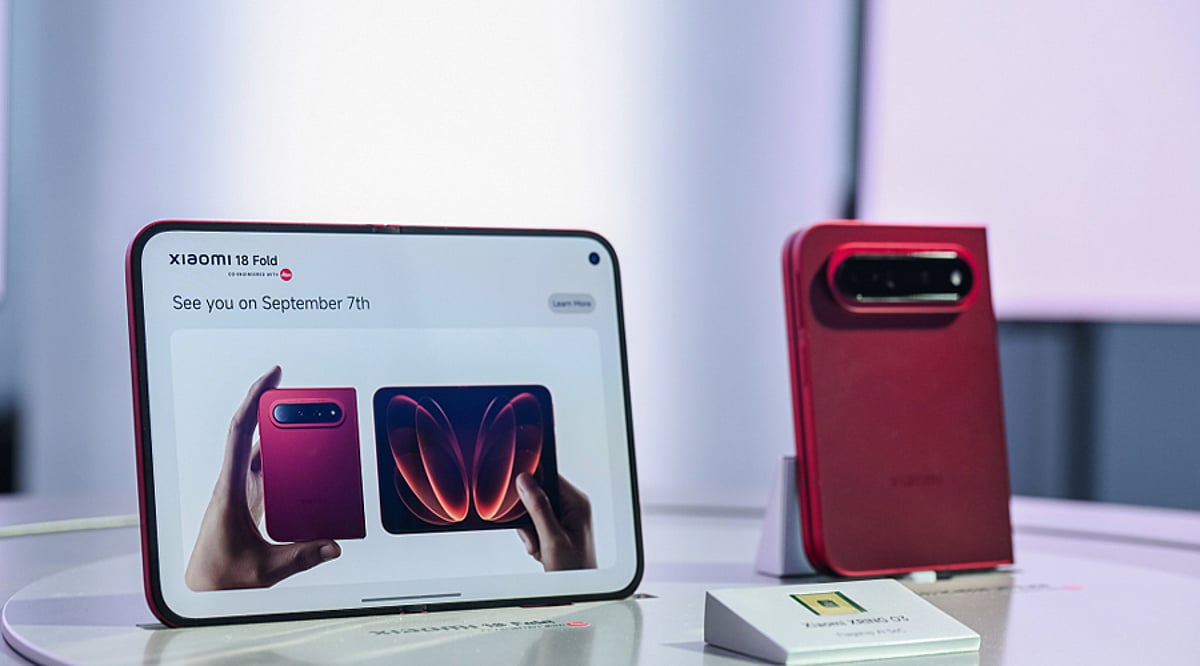
    The Xiaomi 18 Fold is expected to feature a premium foldable design, combining a compact outer screen with a larger display inside. Its slim profile, refined hinge, and lightweight construction could make it easier to carry and use daily while delivering a tablet-like viewing experience.

    Xiaomi 18 Fold Display

    The foldable smartphone is expected to offer a large internal display designed for multitasking, gaming, streaming, and productivity. A high refresh rate and improved brightness could provide smoother scrolling, sharper visuals, and better outdoor visibility across different usage conditions.

    Xiaomi 18 Fold Performance

    Xiaomi could equip the 18 Fold with a powerful flagship processor paired with generous RAM and fast storage. This setup should support demanding applications, intensive gaming, multitasking, and artificial intelligence features while maintaining smooth performance during everyday use.

    Xiaomi 18 Fold Cameras

    The Xiaomi 18 Fold is expected to focus strongly on photography, potentially featuring multiple rear cameras with advanced image processing. Users could get improved portraits, detailed daylight photographs, better low-light shots, and versatile zoom capabilities from the foldable device.

    Xiaomi 18 Fold Battery

    Battery capacity and charging technology could be major highlights of the Xiaomi 18 Fold. Fast wired charging, efficient hardware, and intelligent power management may help users spend less time connected to a charger during busy days.

    Xiaomi 18 Fold Software

    The device is expected to run Xiaomi’s latest HyperOS software, with features designed specifically for foldable screens. Improved multitasking, flexible app layouts, split-screen controls, and smoother transitions could make better use of the larger internal display.

    Xiaomi 18 Fold Launch Expectations

    Xiaomi 18 Fold availability, pricing, and specifications will depend on the company’s official announcement. If launched as a flagship foldable, it could compete with premium foldable phones from Samsung, Google, Honor, and other major smartphone brands.

  • Foldable Phone Showdown 2027: Samsung Galaxy Z Fold8 vs Rumored Apple Foldable iPhone

    Foldable Phone Showdown 2027: Samsung Galaxy Z Fold8 vs Rumored Apple Foldable iPhone

    Samsung has officially launched the Galaxy Z Fold8 and Z Fold8 Ultra, while Apple’s foldable iPhone remains unconfirmed. This comparison examines confirmed features, credible reports, software, AI, durability, and pricing, highlighting how hardware maturity and ecosystem strength could shape the foldable smartphone market.

    What Is Confirmed, and What Is Still a Report

    Samsung’s position rests on solid ground. The company confirmed final specifications and pricing for the Galaxy Z Fold8 and Z Fold8 Ultra through its own newsroom, and both models went on sale August 7, 2026. Apple’s position looks different. The company has made no public statement about a foldable iPhone. What exists instead is an unusually steady stream of reporting. Developers analyzing iOS 27 beta code found references to a ‘foldstate’ system, which some read as preparation for foldable hardware. Separately, outlets including MacRumors and Macworld report that a device could launch alongside the iPhone 18 Pro lineup at Apple’s September event. Analyst Ming-Chi Kuo and Bloomberg’s Mark Gurman have both offered details that mostly line up with each other. That alignment makes the reports worth watching closely. It does not make them official.

    Hardware and Design

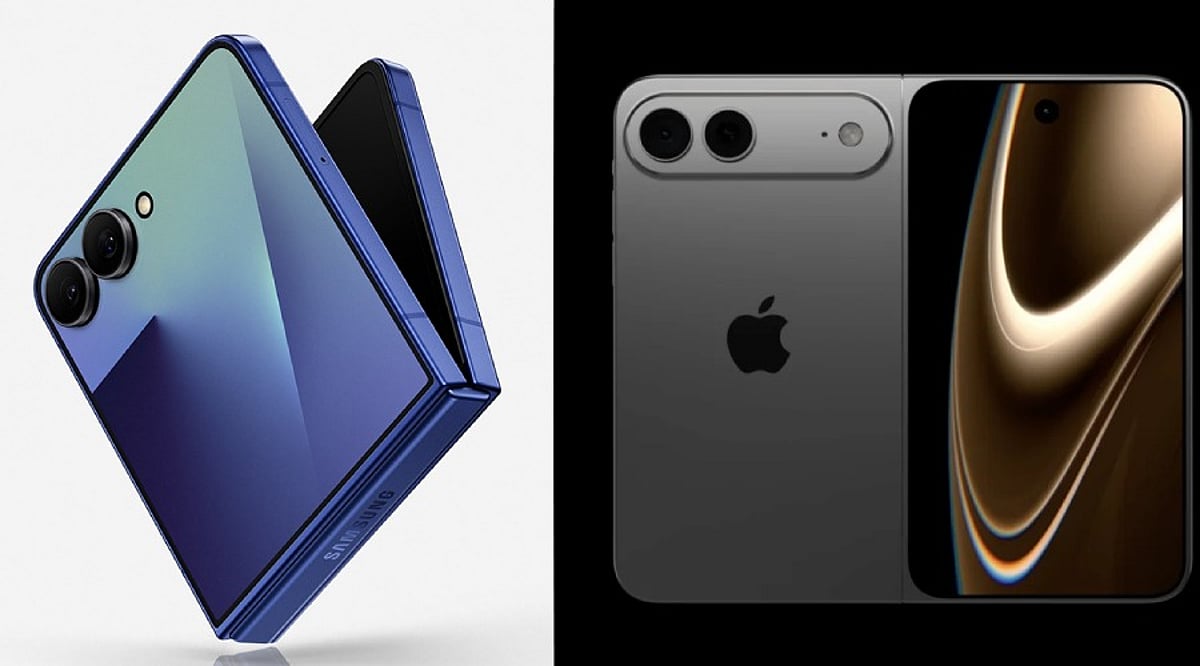
    The Z Fold8 Ultra measures 4.1mm when unfolded and carries an 8-inch internal display in a book-style body. The standard Z Fold8 uses a wider, passport-style shape with a 7.6-inch screen. Reports describe Apple’s foldable using a similar book-style hinge, with a 5.5-inch external display and a 7.8-inch internal one set in a 4:3 aspect ratio closer to a small tablet than a phone. Leakers point to a barely visible crease and a chassis thin enough to rival Samsung’s. None of this comes from Apple directly, so these figures remain a leak consensus rather than a spec sheet. Samsung’s current design reflects years of work on hinge mechanics, display protection, and weight distribution. It is tested through real-world use that Apple has not gone through in public.

    Software, Ecosystem, and Daily Use

    Samsung’s software shows its age well. The interface handles split screens, app continuity between the cover and inner display, and multitasking with a polish built across several Android foldable releases. That polish extends to ecosystem partnerships too, since Samsung’s foldables draw on a wide base of Android apps already built to adapt across screen sizes. Apple’s approach remains untested. Developers and industry observers have described new app-resizing tools appearing in iOS 27 that could support future foldable devices, though Apple has not announced a foldable-specific software system. Apple’s biggest advantage is its ecosystem. A foldable iPhone would work closely with devices like the Mac, iPad, Apple Watch, and AirPods, offering a connected experience that Samsung cannot fully replicate. Whether that pull offsets a lack of hands-on foldable software experience depends on execution Apple has not shown publicly yet.

    Cameras and AI Features

    Camera comparison stays lopsided for now, simply since only one side has a shipping product. Samsung’s foldable camera systems are established and reviewed across several generations. Apple’s imaging performance cannot be judged yet, since no foldable device has been announced or tested, and leaked specs mentioning a two-lens rear setup stay unconfirmed. AI features look set to matter more than raw specifications this cycle. Samsung’s foldables already ship with on-device tools for translation, writing help, and image editing. If Apple introduces a foldable iPhone, it will likely extend its existing AI features to the larger display, though the company has not explained how those experiences would differ from current iPhones.

    Durability and Ownership

    Hinge durability remains the detail most likely to separate a strong foldable from a fragile one. Samsung’s rated fold count gives buyers a solid number to weigh against price. Apple’s foldable is rumored to skip Face ID for Touch ID built into the power button, a tradeoff reportedly tied to how thin the folded chassis needs to stay. That kind of compromise is common in first-generation folding hardware and worth watching once real units ship. Software support length, resale value, and repair cost also belong in this calculation. Samsung’s repair network for foldables spans authorized service centers built up over several product cycles. Apple has a large global service network through its stores and authorized service providers. However, it has no proven track record of repairing foldable devices, and the cost of parts and repairs for a foldable iPhone is still unknown.

    Price and Value

    Samsung’s pricing is public. The Z Fold8 starts at $1,899.99, and the Z Fold8 Ultra starts at $2,099.99. Apple’s foldable price is not confirmed. Reports from Macworld and MacRumors point to a likely range between $1,999 and $2,500, with some estimates landing closer to $2,000 as a starting point. Until Apple speaks, treat that range as informed speculation rather than a number to plan around.

    Who Should Consider Which

    Buyers who want a foldable already proven across several hardware generations, with confirmed pricing and a track record on hinge durability, have a clear option in Samsung’s current lineup. Buyers waiting for Apple’s response may not have to wait much longer if current reports hold up. The larger foldable story used to center on whether the category made sense at all. In 2026, it centers on a sharper question: whether Apple’s first foldable can match Samsung’s years of refinement while bringing the ecosystem strength that has defined the iPhone for more than a decade.

    Final Thought

    The next five weeks will settle more about the foldable market than the last five years of rumors combined. A confirmed Apple event, a shipping Samsung flagship, and a wave of corroborating leaks rarely line up this cleanly. Whichever way this plays out, the foldable phone stops being a niche experiment and starts being a mainstream buying decision.