
Tag: food industry

  • 9 Ways Artificial Intelligence Is Transforming the Dining Experience in Restaurants

    9 Ways Artificial Intelligence Is Transforming the Dining Experience in Restaurants

    The restaurant industry is embracing artificial intelligence to streamline operations, enhance customer experiences, and reduce waste. From smart ordering systems to predictive maintenance, AI is reshaping every aspect of dining. Here are nine key ways smart systems are changing the way restaurants operate.

    1. Smart Ordering Systems

    AI-powered ordering systems process customer requests quickly, reduce ordering errors, suggest relevant items, and streamline communication between diners, staff, and kitchens.

    2. Personalized Menu Recommendations

    AI analyzes customer preferences, previous orders, dietary choices, and purchasing patterns to recommend menu items tailored to individual dining preferences.

    3. AI-Powered Kitchen Management

    Smart kitchen systems monitor orders, cooking times, and workflows, helping restaurants coordinate preparation more efficiently while reducing delays during busy service periods.

    4. Automated Inventory Management

    AI tracks ingredient usage, predicts demand, identifies potential shortages, and helps restaurants manage inventory efficiently while reducing unnecessary food waste.

    5. Dynamic Pricing Systems

    AI can analyze demand, customer behavior, and operating conditions to help restaurants adjust prices or promotions according to changing business requirements.

    6. AI Customer Service

    Chatbots and virtual assistants can answer common questions, provide menu information, handle reservations, and support customers without requiring constant staff intervention.

    7. Food Waste Prediction

    AI systems analyze sales patterns, inventory levels, and demand forecasts to help restaurants prepare appropriate quantities and minimize avoidable food waste.

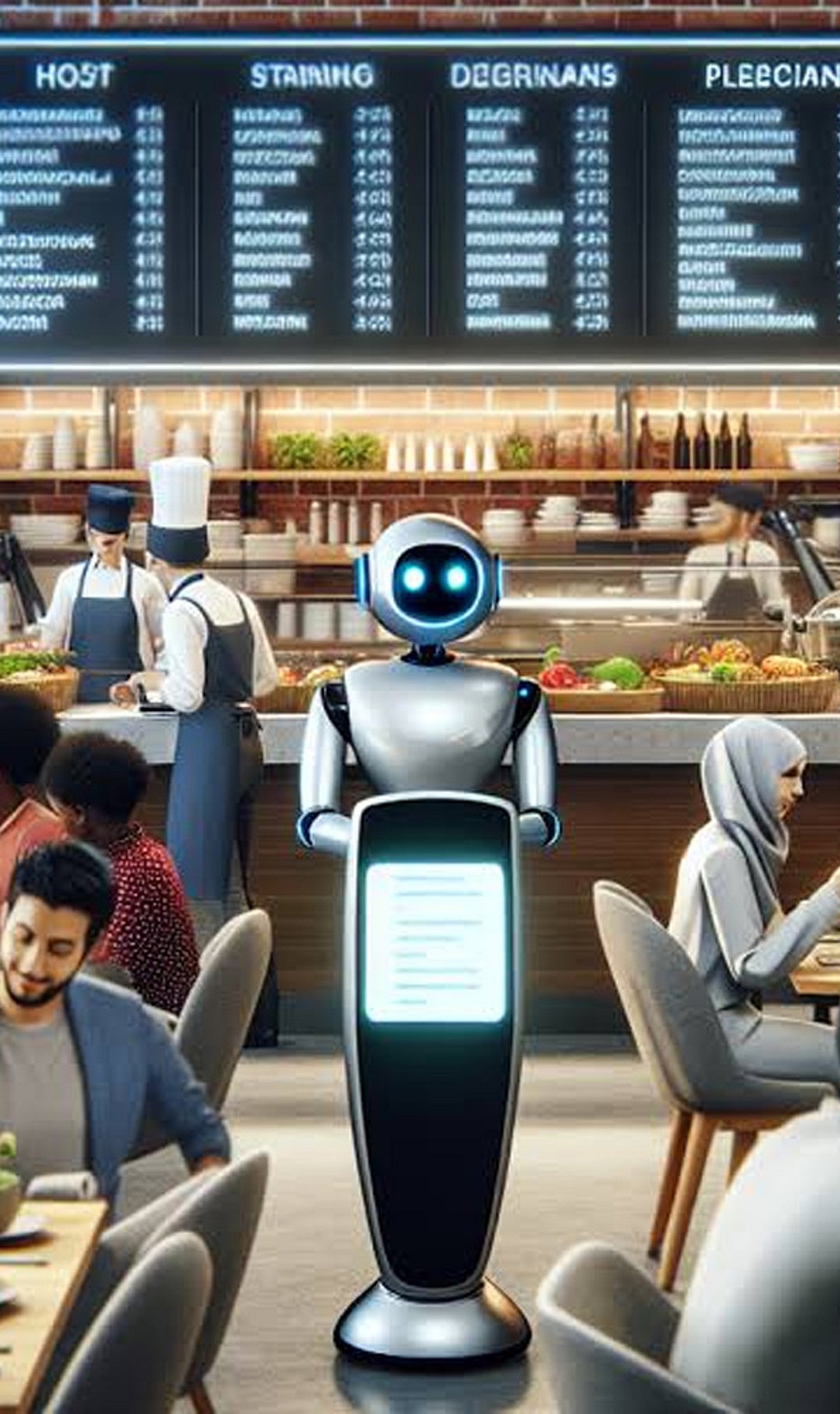
    8. Smart Restaurant Robots

    Robotic systems can assist with food preparation, delivery, cleaning, and other repetitive tasks, helping restaurants improve operational efficiency during busy periods.

    9. Predictive Maintenance

    AI-powered monitoring can identify unusual equipment behavior and predict potential failures, allowing restaurants to schedule maintenance before breakdowns disrupt operations.
  • ITC Targets ₹20,000 Crore in Aashirvaad Consumer Spend Over Five Years as Brand Expands Beyond Atta

    ITC Targets ₹20,000 Crore in Aashirvaad Consumer Spend Over Five Years as Brand Expands Beyond Atta

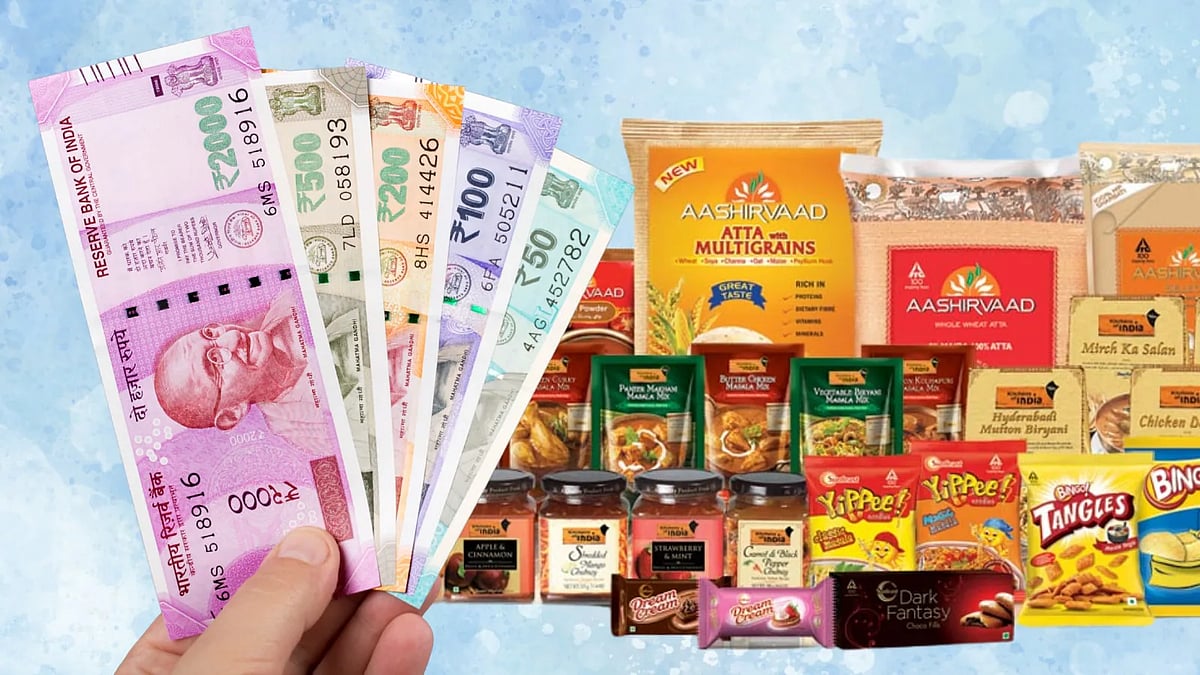
    ITC Ltd expects consumer spending on its flagship Aashirvaad brand to double from over ₹10,000 crore to ₹20,000 crore within five years, driven by expansion into ready-to-cook meals, frozen foods, and other kitchen categories.

    The company plans to grow its core atta business while adding products such as ready-to-cook chapatis, frozen naans and parathas, besan, vermicelli, rava, soya chunks, fresh chutneys, and sambar. Hemant Malik, Chief Executive Officer of ITC’s Foods Division and Executive Director at ITC Ltd, confirmed the brand would reach the new spending target in half a decade.

    “We will double in the next five years,” Malik said.

    Aashirvaad’s Journey from Atta to Full Portfolio

    Launched in May 2002 as a whole wheat atta brand, Aashirvaad has since expanded into staples, spices, fresh foods, and frozen products. The brand now carries more than 200 stock-keeping units across diverse food categories. ITC manufactures Aashirvaad products at 66 facilities across India, enabling shorter delivery times and broader distribution.

    In FY26, ITC’s entire FMCG portfolio reached around 28 crore households and recorded nearly ₹37,000 crore in consumer spending, which includes net sales, channel margins, and applicable taxes.

    Premiumisation and Convenience

    Malik noted that consumers increasingly look beyond price when selecting packaged foods. “Premiumisation is not merely about a higher price point. Consumers today are willing to spend on products that offer tangible value, whether through superior quality, convenience, health and nutritional benefits built through meaningful innovation,” he said.

    ITC is entering categories where it can address specific consumer pain points through innovation and differentiation. For example, its ready-to-cook chapatis, with no added preservatives and a shelf life of five to six days, target younger households with limited cooking time.

    Sattu Expansion

    ITC has also added Aashirvaad Chana Sattu to its portfolio, focusing on protein-rich traditional foods. The product, made using a traditional sand-roasting process, is initially available in Bihar, Jharkhand, and West Bengal. ITC also introduced Sattu Masala under the Sunrise spice brand acquired in 2020.

    “While we have initially launched it in the eastern markets, we see significant potential in the product. Our ambition is to scale it nationally and make ‘sattu’ a widely accessible and affordable protein option for consumers,” Malik said.

    The expansion into sattu, ready-to-cook foods, frozen products, and premium atta variants forms part of ITC’s broader strategy to widen Aashirvaad’s presence across India and achieve the ₹20,000 crore consumer spending goal.