Tag: Founder

  • Founder’s Playbook: 10 Essential Startup Strategies for Success

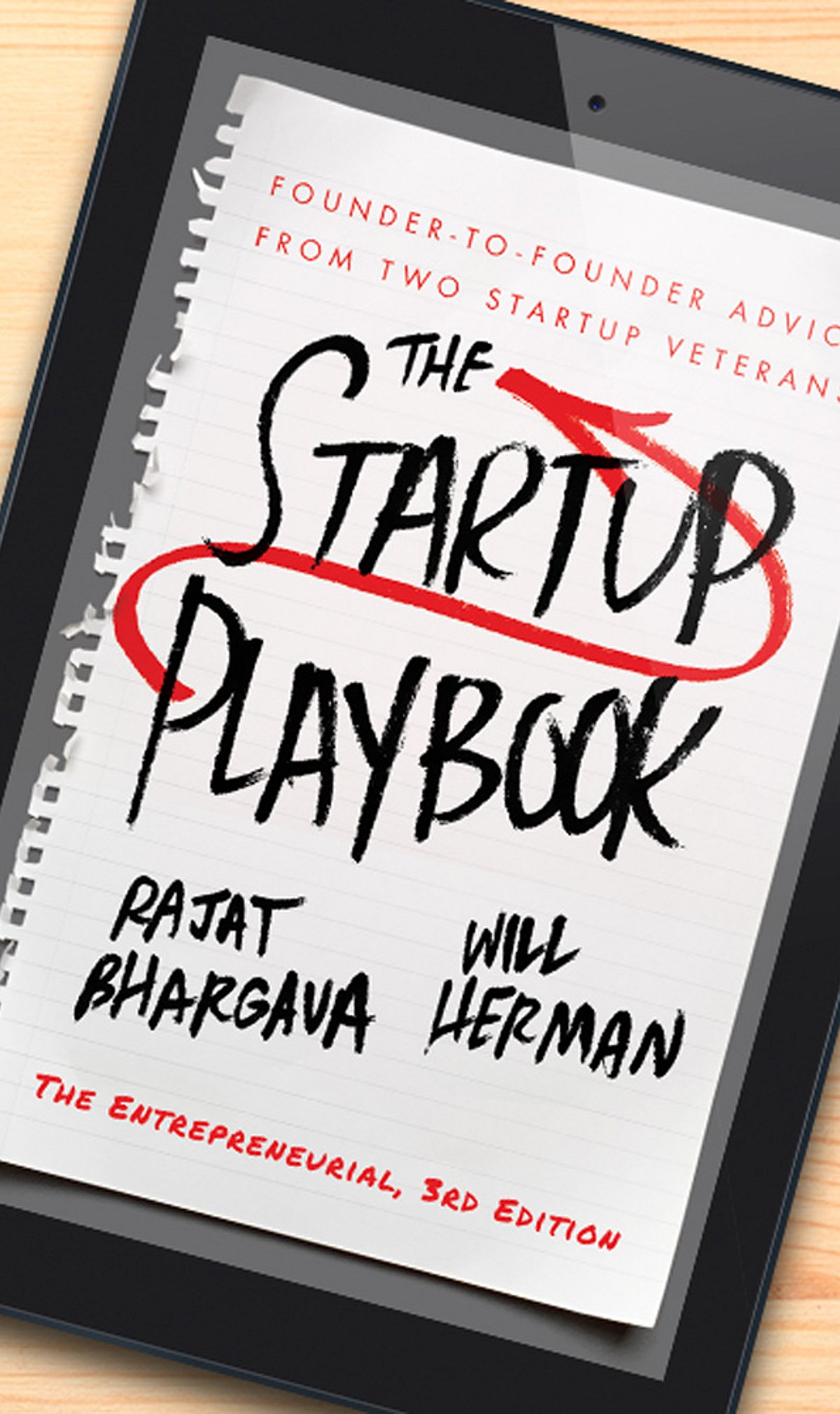
    Founder’s Playbook: 10 Essential Startup Strategies for Success

    Launching a startup is an exhilarating journey, but it’s also fraught with challenges. Every founder needs a reliable playbook to navigate the early stages of building a company. Below are ten proven strategies that can help you avoid common pitfalls, validate your ideas, and build a sustainable business. These lessons are not just theoretical—they are drawn from the real-world experiences of successful startups that prioritized solving customer problems, iterating quickly, and maintaining financial discipline.

    Start With a Real Problem

    Successful startups don’t chase trends; they solve genuine customer problems. Instead of building features based on assumptions, focus on identifying pain points that people actually experience. This customer-first approach ensures that your product has a real market from day one.

    Validate Before Building

    Before investing significant time and money, test your idea. Use surveys, landing pages, or simple prototypes to gather early feedback. This validation step saves resources, reduces risk, and dramatically improves your product-market fit by aligning your offering with actual demand.

    Keep the MVP Simple

    Launch a minimal viable product (MVP) that includes only the core features necessary to solve the problem. Resist the urge to add bells and whistles. Gather user insights, then improve incrementally based on real feedback. This lean approach accelerates learning and reduces waste.

    Build a Customer-First Culture

    Listen to your customers every day. Happy users become loyal advocates who spread the word about your product. Embed customer feedback into every decision, from product development to support. This culture of listening creates a competitive advantage that’s hard to replicate.

    Measure What Matters

    Focus on meaningful metrics like retention, revenue, and engagement. Vanity numbers—such as total downloads or page views—can be misleading. Prioritize data that directly informs business decisions and drives growth.

    Hire for Skills and Mindset

    When building your team, look for people who adapt quickly, solve problems, and share your vision. A strong, purpose-driven team outperforms a larger but unfocused group. Culture fit and collaborative spirit are just as important as technical expertise.

    Master Cash Flow Early

    Cash flow is the lifeblood of any startup. Control expenses, monitor income regularly, and extend your financial runway. Healthy cash flow gives you the flexibility to weather unexpected challenges and seize opportunities.

    Learn From Every Failure

    Treat mistakes as valuable lessons rather than setbacks. Analyze failures honestly, adjust your strategies, and return stronger. A growth mindset turns setbacks into stepping stones for future success.

    Stay Flexible and Keep Iterating

    Markets change constantly. Founders must remain agile and continuously improve their products and processes. Regular iteration ensures you stay competitive and meet evolving customer expectations.

    By adopting these playbooks, you can build a startup that is resilient, customer-focused, and ready for long-term growth. The journey is challenging, but with the right strategies, you can turn your vision into a thriving business.

  • From Founder to CEO: Essential Leadership Shifts for Scaling Your Business

    From Founder to CEO: Essential Leadership Shifts for Scaling Your Business

    Every successful business begins with an idea. A founder turns that idea into a real product or service. At the start, almost every task lands on the founder’s desk. Sales, customer support, hiring, product updates, and marketing all need attention. Quick decisions and constant action help the business survive during this stage.

    Growth changes everything. More customers arrive, new employees join, and daily work becomes more complex. At this point, the role also changes. The focus moves away from personal effort and toward company leadership. A CEO no longer spends every hour solving daily problems. The role shifts toward building a business that works well through strong teams, clear systems, and smart planning.

    Early Growth Depends on Personal Effort

    In the beginning, a small organization operates with a very limited number of people. All employees have to perform a number of different tasks. The business owner can work with customers, communicate with clients, check the quality of the product, and also make the crucial decisions. Speed is more important than following processes.

    This approach is effective at the beginning but becomes ineffective when the company is growing. The owner understands the operations very well and can do the right thing when problems arise. Customers can communicate directly with the owner which also increases the level of trust of the customers. When the company grows, this approach makes growth slower. All decisions can be adopted only by one person. All processes take time.

    Scaling Demands a Different Style of Leadership

    Growth creates new challenges that personal effort alone cannot solve. More employees need direction. Different teams need coordination. Managers need authority to lead their departments without constant approval from the founder.

    The CEO concentrates on the overall health of the company instead of every individual task. Long-term strategy, financial planning, executive hiring, company culture, and business expansion become major priorities. Strong systems replace informal routines, and clear responsibilities help every team move with confidence.

    This shift allows the organization to grow without constant dependence on one individual.

    The Biggest Change Happens in Decision-Making

    Founders often ask what needs immediate attention. CEOs ask which person should own that responsibility. This simple change transforms the entire business.

    A founder solves problems personally. A CEO creates a team that solves problems every day. Responsibility moves from one person to many capable leaders. This approach increases speed, improves accountability, and strengthens every department.

    As trust grows inside the organization, managers gain confidence to make important decisions. Teams spend less time waiting for approval and more time delivering results.

    Leadership Moves from Control to Trust

    Many entrepreneurs believe that no one can do the job better than they can. This belief helps at the startup stage, but it puts limits on expansion. The constant supervision slows down growth and weakens leadership within the business. A chief executive officer builds trust through clearly defined expectations, regular communication, and strong managers.

    Workers know their responsibilities and can make decisions about how to perform their duties. This creates ownership and increases the company’s effectiveness. Good leaders stop trying to be heroes all the time. Strong leaders turn more people into leaders who know how to deal with problems.

    Systems Replace Constant Firefighting

    Small businesses often rely on quick reactions. Larger companies need consistency. Every successful process must produce reliable results every single time.

    The CEO spends time on company structure instead of daily emergencies. Hiring systems, financial controls, performance reviews, communication methods, and operational processes support steady growth. These systems reduce confusion and help employees perform at a high standard.

    A business cannot continue steady expansion if every success depends on last-minute effort.

    New Skills Become More Important

    Creativity, resilience, and product knowledge help founders launch successful companies. Larger organizations require another set of skills.

    A CEO needs strong communication, strategic thinking, financial understanding, executive hiring, conflict resolution, and organizational planning. Every decision affects hundreds or even thousands of people as the company grows. Careful planning becomes just as valuable as bold action.

    Success no longer depends on one brilliant idea. Success depends on thousands of good decisions across the entire organization.

    Common Mistakes During the Transition

    Many founders delay important hires and continue to carry responsibilities that belong to experienced leaders. Some approve every decision, attend every meeting, and answer every customer issue. This creates a bottleneck that limits growth.

    Micromanagement also creates frustration inside leadership teams. Talented managers expect ownership, not constant supervision. Strong leaders often leave when trust disappears.

    Another common mistake appears when the business depends entirely on one individual. Every vacation becomes difficult, every decision waits, and every problem reaches the founder. This structure cannot support long-term expansion.

    Successful CEOs remove these obstacles through delegation, strong leadership teams, and clear operational systems.

    A Business Grows Faster Than Any Individual

    The greatest achievement during expansion does not come from personal effort alone. Real success appears when the company continues to perform at a high level without constant involvement from the founder.

    Employees understand company goals. Managers lead with confidence. Teams solve problems independently. Customers receive consistent service. Investors trust the leadership. The business continues steady progress through clear strategy and disciplined execution.

    The founder never loses the original vision. The CEO transforms that vision into an organization that grows through people, systems, and shared leadership. That transition marks the true difference between building a business and building a company that lasts for decades.

    Frequently Asked Questions

    • Can a founder also serve as the CEO? Yes. Many founders remain CEOs, although the role requires different skills as the business expands.
    • What is the biggest difference between a founder and a CEO? A founder starts the business, while a CEO focuses on leadership, strategy, and organizational growth.
    • Why does delegation matter during business growth? Delegation allows leaders to focus on strategy while capable teams handle daily operations.
    • What challenges do founders face during scaling? Common challenges include micromanagement, slow decision-making, delayed hiring, and excessive dependence on one person.
    • How does a CEO help a company grow? A CEO builds strong teams, creates reliable systems, develops company culture, and guides long-term business strategy.

  • Founder vs CEO: How Leadership Roles Evolve as Your Business Scales

    Founder vs CEO: How Leadership Roles Evolve as Your Business Scales

    In the early days of a startup, the founder typically makes all the major decisions—from product development to fundraising. That’s why it’s common for the founder to also serve as the chief executive. But as a business grows, the distinction between being a founder and being a CEO becomes increasingly significant. The founder establishes the vision; the CEO is responsible for building an organization that can scale, execute, and sustain that vision consistently.

    As startups grow, leadership evolution is one of the most critical factors influencing success. Growing a business is fundamentally different from founding one.

    Founder: The Visionary Behind the Business

    A founder is someone who identifies a market opportunity and brings an idea to life. In the beginning, founders often wear many hats—handling product development, customer acquisition, marketing, hiring, fundraising, and daily operations. Innovation and problem-solving are core traits of a founder. They set the mission, culture, and long-term direction of the company. Startups make quick decisions with limited information, valuing speed and experimentation over formal processes.

    However, the skills needed to start a business are not the same as those needed to run a large organization.

    CEO: Driving Execution at Scale

    As a company grows, complexity increases. Teams expand, customer bases grow, and investors demand consistent performance. The CEO’s role becomes more strategic and structured. A CEO is responsible for execution, financial results, governance, talent development, and long-term growth. Rather than running every function personally, the CEO builds leadership teams, creates scalable processes, and aligns different functions toward common goals.

    According to Harvard Business Review research, delegation, communication, and organizational alignment become increasingly important as companies move beyond the early growth phase.

    What Changes During Scaling?

    When a business transitions from founder-led management to CEO-led management, several key shifts occur:

    • Decision-making evolves from intuition-based to data-driven.
    • Individual fundraisers become effective leadership teams.
    • Informal workflows are replaced by standardized processes.
    • Growth focuses not only on new products but also on financial metrics, customer retention, operational efficiency, and profitability.
    • Accountability increases through board oversight, compliance, and corporate governance.

    Many successful founders remain as CEO, while others hire seasoned executives to take the company to the next level. Companies like Google and Microsoft have demonstrated both models successfully at different stages.

    The Bottom Line

    Being a founder and being a CEO are complementary but distinct roles. Founders create opportunities and take risks; CEOs bring discipline, strategy, and sustainable execution. While vision is essential, as companies scale, the ability to build systems, empower teams, and deliver consistent results in a competitive market becomes critical.

    FAQs

    1. What is the main difference between a founder and a CEO?

    A founder creates the business idea, defines its mission, and takes the initial risk. A CEO is responsible for managing execution, financial performance, leadership teams, governance, and sustainable long-term growth.

    2. Can a founder also remain the CEO?

    Yes, many founders continue as CEOs when they adapt their leadership style to the needs of a growing company. Success usually requires stronger delegation, structured decision-making, and the ability to manage experienced executives.

    3. Why do some founders hire an external CEO?

    Some founders appoint an external CEO because scaling requires operational, financial, governance, and organizational skills that differ from launching a startup. The founder may then focus on product vision, innovation, or long-term strategy.

    4. How does decision-making change as a company scales?

    Early-stage decisions are often fast and intuition-driven because startups have limited data and resources. As the company grows, decisions increasingly depend on performance metrics, forecasts, customer data, risk analysis, and leadership accountability.

    5. What should founders focus on when transitioning into a CEO role?

    Founders should develop delegation, communication, financial planning, talent management, and governance skills. They must shift from personally solving every problem to building teams and systems that can operate effectively without constant involvement.

  • Choosing the Best Professional Title for Your Business: A Guide for Entrepreneurs and Owners

    Choosing the Best Professional Title for Your Business: A Guide for Entrepreneurs and Owners

    Choosing the right professional title is a crucial decision for any business owner. It defines your role, communicates your authority, and sets the tone for your company’s brand. Whether you’re a solo entrepreneur or leading a large corporation, the title you select can impact how clients, investors, and employees perceive you. Here’s a breakdown of common business owner titles and when to use them.

    Founder

    Best suited for entrepreneurs who started the business, highlighting the company’s origin while reinforcing innovation, vision, and entrepreneurial leadership.

    CEO

    Ideal for businesses with multiple departments, investors, or employees, emphasizing executive authority, strategic planning, and organizational leadership responsibilities.

    Owner

    A straightforward title that clearly communicates business ownership, making it suitable for small businesses, local enterprises, and sole proprietorships.

    Managing Director

    Common among established companies, this title reflects operational leadership, executive decision-making, and responsibility for business performance and growth.

    President

    Often used in corporations, it conveys senior leadership and oversight while representing the organization in business partnerships and public engagements.

    Creative Director

    Perfect for branding, marketing, media, and design businesses where creative strategy, innovation, and visual leadership define the company’s success.

    Principal Consultant

    Suitable for consulting firms, emphasizing expertise, client advisory services, strategic problem-solving, and specialized industry knowledge over hierarchy.

    Co-Founder

    Appropriate when multiple entrepreneurs establish a company together, recognizing shared leadership, ownership, and collaborative decision-making from the beginning.

    Industry Alignment

    Ultimately, the best title aligns with your responsibilities, company size, industry expectations, and long-term branding goals. Choose a title that builds professional credibility consistently.