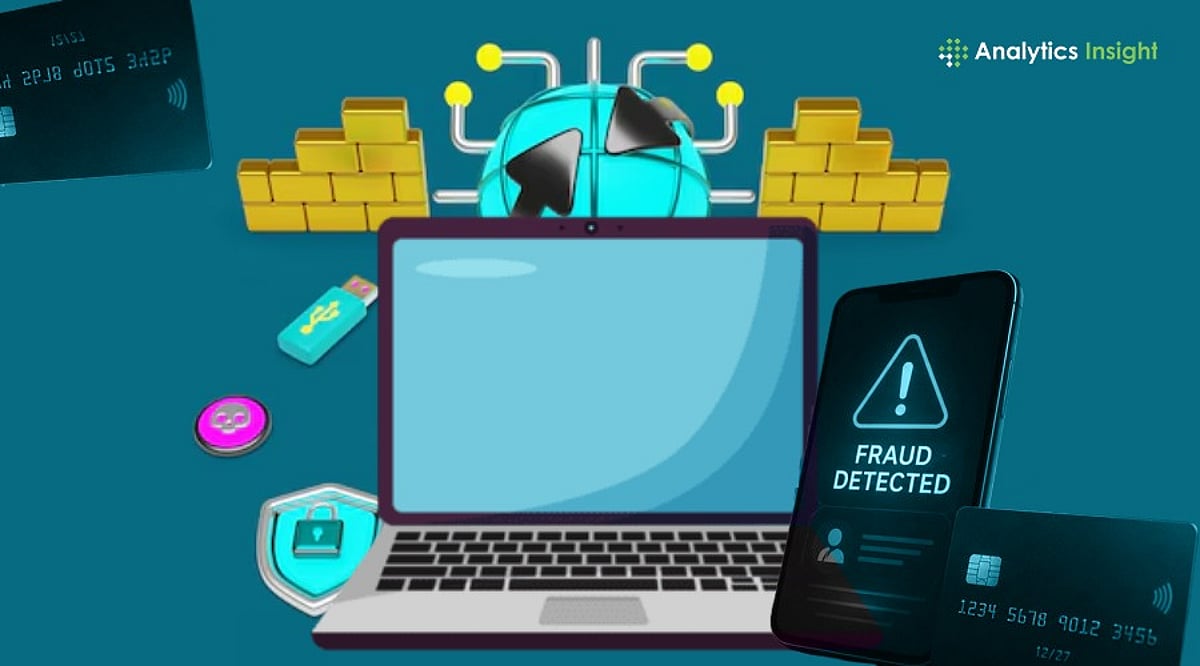
AI fraud detection platforms help businesses identify suspicious activity, reduce false alerts, protect customer accounts, improve payment security, support compliance, and strengthen overall business protection against modern fraud threats in 2026.
Key Takeaways
- AI detects fraud faster through real-time monitoring and behavioral analysis.
- Modern platforms reduce false positives while improving customer experience.
- Different platforms serve different industries, from banking and fintech to e-commerce and enterprises.
Online fraud has become more advanced, faster, and harder to identify. Criminals now use smart tools to create fake identities, steal account details, and bypass traditional security systems. To counter online threats, many businesses now depend on AI-powered fraud detection platforms that identify suspicious activity before major damage occurs. These platforms study customer behavior, examine transactions in real time, and detect unusual patterns that simple rule-based systems often miss. They also reduce false alerts, improve security, and support compliance with financial regulations. The following platforms stand out as some of the best AI fraud detection solutions for businesses in 2026.
Feedzai
Feedzai is one of the leading fraud detection platforms for banks, payment providers, and financial institutions. The platform creates detailed profiles of customer behavior rather than relying solely on fixed rules. This approach helps identify suspicious activity with greater accuracy while reducing unnecessary transaction blocks. The platform also offers real-time payment monitoring, anti-money laundering support, and advanced machine learning models that improve after every transaction. Feedzai protects digital payments across multiple channels and helps financial organizations stop fraud without creating delays for genuine customers.
Featurespace
Featurespace focuses on adaptive behavioral analytics that change as customer activity changes over time. This ability allows the platform to identify fraud that traditional systems may fail to detect. It performs well in payment protection, card fraud prevention, and authorized push payment fraud detection. Large financial institutions choose Featurespace because it lowers false positives while maintaining strong security. Dynamic risk scoring allows security teams to respond quickly whenever unusual transaction patterns appear.
Sardine
Sardine is best for fintech companies, cryptocurrency businesses, and other digital-first organizations. The platform combines fraud detection, identity verification, and compliance tools in one solution, which makes security management much easier. Its AI system studies device details, customer identities, and transaction behavior to calculate fraud risk. Sardine also detects synthetic identities and supports anti-money laundering efforts. Fast-growing financial companies value the platform because it protects customers without adding unnecessary complexity.
SEON
SEON is a popular choice for e-commerce businesses and software companies. The platform studies digital information such as email addresses, phone numbers, IP addresses, and device details to identify fraud before transactions receive approval. Real-time fraud scoring helps businesses make quick decisions while reducing payment fraud and account abuse. Since SEON focuses on smooth customer experiences, genuine buyers usually complete purchases without extra security checks.
ComplyAdvantage
ComplyAdvantage combines fraud prevention with financial crime compliance. Many regulated financial companies use this platform to fulfill both security and legal requirements at the same time. The platform can track and analyze transactions, perform risk assessments and customer screenings, check sanction lists, and automate anti-money laundering processes. AI models assist security teams in detecting suspicious activities at an early stage.
Hawk AI
Hawk AI stands out for its explainable artificial intelligence. Security teams receive clear reasons behind every fraud alert instead of simple risk scores. This transparency supports faster investigations and stronger regulatory compliance. The platform also offers real-time transaction monitoring, customer risk analysis, and case management tools. Banks especially value Hawk AI because security analysts understand why each transaction receives attention.
Sift
Sift protects online stores, digital marketplaces, and subscription businesses from several forms of fraud. The platform identifies payment fraud, account takeovers, chargeback fraud, and promotion abuse across the complete customer journey. Its AI filter system examines billions of digital events to recognize suspicious behavior quickly. This large data network helps Sift identify new fraud methods while protecting genuine customers from unnecessary interruptions.
BioCatch
BioCatch uses behavioral biometrics instead of passwords alone. The platform studies how people type, move a mouse, swipe a mobile device, and interact with websites. Small behavioral differences often reveal whether a genuine customer or a fraudster controls the account. This continuous identity verification improves account security and reduces identity theft. Many banks rely on BioCatch because behavioral analysis adds another strong layer of protection without creating extra work for customers.
LexisNexis ThreatMetrix
LexisNexis ThreatMetrix specializes in digital identity intelligence for large enterprises. The platform studies device information, network activity and identity data to separate trusted customers from potential attackers. Risk-based authentication allows businesses to request extra verification only when suspicious behavior appears. This balanced approach strengthens security while keeping the customer experience simple.
Fraud.net
Fraud.net provides a complete platform that combines fraud detection, risk management, and compliance tools. Large organizations often choose this solution because multiple security functions remain available within one platform instead of separate systems. AI-powered analytics monitor transactions, identify unusual behavior, and support faster investigations. Entity intelligence also helps detect hidden connections between suspicious activities that traditional systems may overlook.
Final Thoughts
AI-powered fraud detection systems have become critical to modern businesses. The application of advanced technologies such as machine learning algorithms, behavioral analysis technologies, identity information systems and real-time monitoring helps companies discover fraud cases much earlier than traditional fraud-prevention technologies allow them to do. Platforms like Feedzai, Featurespace, Sardine, SEON, ComplyAdvantage, Hawk AI, Sift, BioCatch, LexisNexis ThreatMetrix and Fraud.net offer unique strengths for different industries. Each of the solutions mentioned above has distinct advantages, but companies need to select the right platform for effective fraud detection.
FAQs
- What is an AI fraud detection platform? An AI fraud detection platform uses machine learning and behavioral analysis to identify suspicious activities and prevent fraud in real time.
- Which industries benefit the most from these platforms? Banks, fintech companies, e-commerce businesses, marketplaces, insurance providers, and payment companies benefit the most.
- Why is behavioral analysis important in fraud detection? Behavioral analysis identifies unusual customer actions that may indicate fraud, even when login details appear correct.
- Can AI reduce false fraud alerts? Yes. AI studies normal customer behavior and improves detection accuracy, which helps reduce unnecessary alerts.
- Which AI fraud detection platform is best for 2026? The best platform depends on business needs. Feedzai, Featurespace, Sardine, SEON, Sift, BioCatch, Hawk AI, ComplyAdvantage, LexisNexis ThreatMetrix, and Fraud.net are among the top choices.