
Tag: free courses

  • Data Science and AI Learning Path: 5 Free Microsoft GitHub Courses to Explore

    Data Science and AI Learning Path: 5 Free Microsoft GitHub Courses to Explore

    Microsoft has published a series of free, structured GitHub courses that guide learners from the fundamentals of data science through machine learning, artificial intelligence, generative AI, and agentic systems. Each course includes lessons, quizzes, assignments, and hands-on exercises, making it possible to build practical AI skills without enrolling in an expensive training program.

    1. Data Science for Beginners

    Built for learners with no prior experience, this 10-week curriculum features 20 lessons covering statistics, probability, data ethics, data preparation, visualization, and analysis. Quizzes, assignments, and real-world datasets give learners hands-on exposure to the full data science workflow.

    2. Machine Learning for Beginners

    This 12-week, 26-lesson course builds on foundational data knowledge. It covers regression, classification, clustering, natural language processing, time-series forecasting, and reinforcement learning. Learners work with Python and Scikit-learn to train and evaluate traditional machine learning models.

    3. Artificial Intelligence for Beginners

    Offering 24 lessons across 12 weeks, this course introduces broader AI concepts such as neural networks, computer vision, natural language processing, deep learning, symbolic AI, and reinforcement learning. Learners also explore tools and techniques including PyTorch, TensorFlow, transformers, embeddings, transfer learning, and generative adversarial networks.

    4. Generative AI for Beginners

    This 21-lesson course focuses on modern AI application development. Topics include prompt engineering, model selection, responsible AI, function calling, retrieval-augmented generation (RAG), vector databases, AI agents, fine-tuning, security, small language models, and open-source models. Practical examples use both Python and TypeScript.

    5. AI Agents for Beginners

    Designed for developers interested in agentic AI, this 18-lesson curriculum covers tool use, agentic RAG, planning, memory, context engineering, multi-agent systems, MCP, computer-use agents, security, and deployment. Hands-on examples use technologies such as Microsoft Agent Framework and Microsoft Foundry Agent Service.

    A Progression From Fundamentals to Agents

    Together, these courses form a clear learning path. Learners can start with data science fundamentals, move through machine learning and AI concepts, then explore generative AI and agentic systems. This step-by-step progression helps avoid the common mistake of jumping directly into advanced LLM applications without understanding data, models, training, evaluation, and AI fundamentals.

    Free Learning Through GitHub

    All five courses provide structured materials without the cost of traditional training programs. Depending on the curriculum, learners can access lessons, quizzes, assignments, projects, and code examples. Some generative AI exercises may require access to an AI API or Microsoft Foundry, while other models can run locally on your own machine.
  • Top Free Quantum Computing Courses for Beginners to Explore in 2026

    Top Free Quantum Computing Courses for Beginners to Explore in 2026

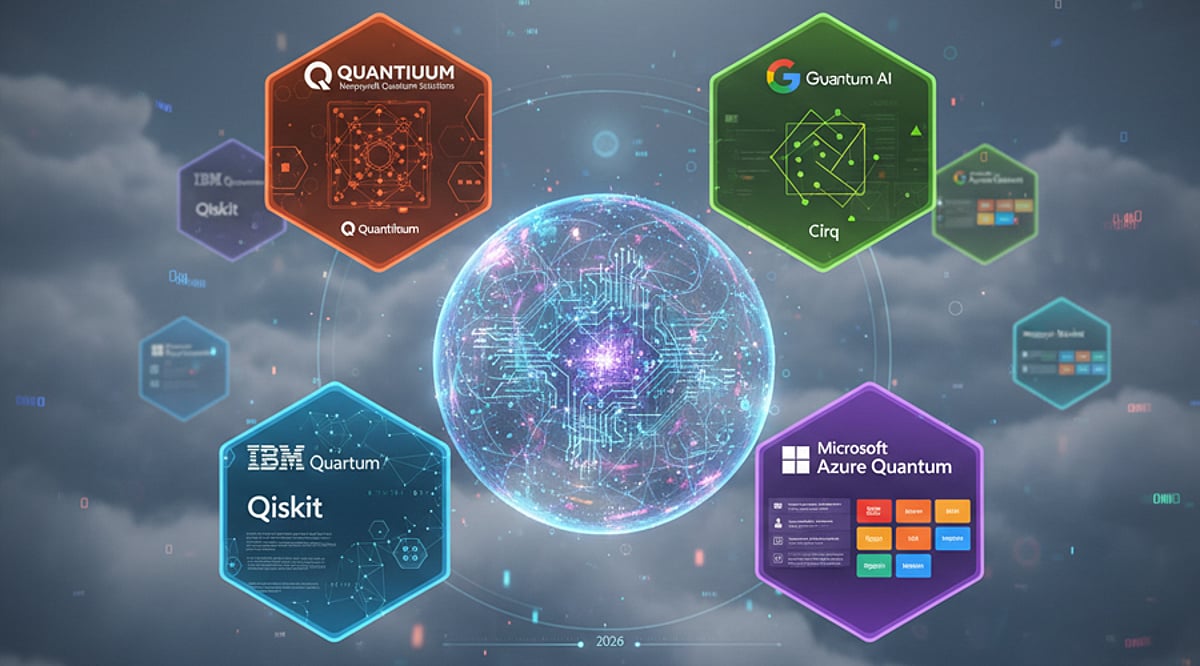
    Quantum computing is rapidly emerging as a transformative field, and 2026 offers an abundance of free resources for beginners eager to dive in. From industry giants like IBM, Microsoft, and Google to academic platforms such as edX and Coursera, learners can access high-quality courses without spending a dime. Below is a curated list of the best free quantum computing courses and learning platforms available this year.

    IBM Quantum Learning

    IBM’s free learning platform remains a premier starting point for newcomers. It covers the fundamentals of quantum mechanics, quantum circuits, and Qiskit programming. Learners gain hands-on experience by accessing real quantum computers through the cloud. Interactive labs and guided learning paths help bridge theory and practical skills.

    Microsoft Azure Quantum Learning

    Microsoft offers free modules that introduce quantum computing concepts, quantum algorithms, and the Azure Quantum ecosystem. The content includes quantum-inspired computing and programming fundamentals via structured tutorials. The self-paced format is ideal for students, developers, and tech enthusiasts entering the field.

    Google Quantum AI Resources

    Google provides free educational materials explaining quantum computing principles, qubits, error correction, and quantum algorithms. Resources include research articles, tutorials, videos, and open-source tools, helping learners understand how quantum differs from classical computing while staying current with cutting-edge developments.

    Qiskit YouTube Channel and Documentation

    IBM’s Qiskit documentation and YouTube tutorials offer an accessible path into quantum programming. Learners explore quantum gates, circuits, simulations, and algorithms through detailed examples. The active developer community contributes additional tutorials, projects, and troubleshooting guides for self-paced study.

    edX Quantum Computing Courses

    edX hosts several free audit courses from leading universities covering quantum mechanics, computing principles, and introductory programming. While certificates require payment, all course materials are freely accessible. These structured academic programs combine lectures, quizzes, and assignments, making them ideal for university-level instruction.

    Coursera Free Audit Courses

    Coursera allows learners to audit many introductory quantum computing courses from top universities at no cost. Topics include foundational theories, quantum algorithms, and applications in computing and cryptography. Auditing provides access to video lectures and reading materials, offering an affordable way to start learning.

    Class Central Course Directory

    Class Central aggregates free quantum computing courses from universities, educational platforms, and tech companies worldwide. Rather than offering a single course, it helps learners compare ratings, duration, difficulty, and providers. This makes it easy for beginners to find the most suitable learning path in 2026.

    Whether you’re a student, developer, or hobbyist, these free resources provide a solid foundation in quantum computing without financial barriers. Start exploring today and build skills for the next computing revolution.