
Tag: Fujifilm

  • 2026’s Top Camera Lens Brands: A Photographer’s Guide to Choosing the Best

    2026’s Top Camera Lens Brands: A Photographer’s Guide to Choosing the Best

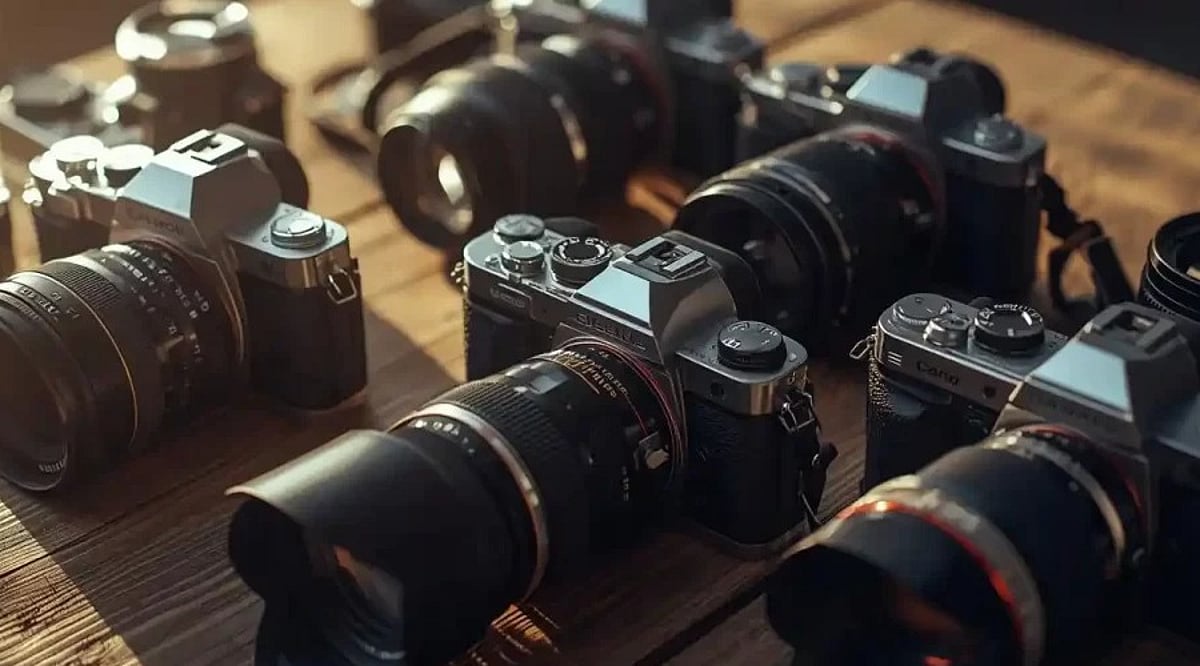
    A camera body captures a photo, but the lens defines the final result. Sharp details, rich colors, smooth background blur, and fast autofocus all depend on lens quality. A reliable lens also retains value across camera upgrades. In 2026, several brands dominate the industry with advanced optics, robust performance, and diverse options for beginners, enthusiasts, and professionals. The following list highlights the leading manufacturers based on innovation, optical excellence, compatibility, and market reputation.

    1. Canon

    Canon retains the top spot with the largest lens ecosystem, featuring over 120 RF and EF lenses covering every genre from portraiture to wildlife. The premium L-series remains a professional favorite for its sharpness, weather sealing, and dependable autofocus. Canon holds about 46.5% of the interchangeable camera market in Japan, reflecting the strength of its body and lens lineup. New RF lenses continue to push optical boundaries while remaining fully compatible with modern mirrorless cameras.

    2. Sony

    Sony is a powerhouse in mirrorless photography, offering more than 100 full-frame FE lenses, including G Master, compact primes, and versatile zooms. G Master lenses deliver corner-to-corner sharpness with minimal distortion. Sony’s imaging business reported steady growth in 2026, driven by strong demand for its cameras and lenses worldwide.

    3. Nikon

    Nikon continues to impress with its Z-mount lens line, now exceeding 50 native options. The S-Line series earns consistent praise for sharpness, vivid colors, and exceptional build quality. Nikon expands its lineup each year with new telephoto, portrait, and travel lenses, appealing especially to nature and landscape photographers who value clean, consistent image quality across the frame.

    4. Sigma

    Sigma is the leading independent lens manufacturer, designing optics for Sony E, Leica L, Canon RF, Fujifilm X, Nikon Z, and multiple DSLR mounts. The renowned Art series offers premium image quality at lower prices than many first-party alternatives. Sigma continues to expand its mirrorless lineup with modern autofocus lenses that match the latest camera technology.

    5. Tamron

    Tamron controls roughly 60% of the global third-party interchangeable lens market, a testament to its high-quality, competitively priced products. In 2026, Tamron plans to release over 10 new lenses—nearly double its annual pace from a few years ago. Support for Canon RF, Sony E, and Nikon Z mounts is growing, and travel photographers particularly appreciate Tamron’s lightweight yet sharp zoom designs.

    6. Fujifilm

    Fujifilm remains the premier APS-C brand, offering over 45 XF lenses and GF lenses for medium format. Most Fujifilm lenses are compact without sacrificing image quality. The brand is known for rich colors and sharp output, making it a favorite among street, portrait, and travel photographers.

    7. Leica

    Leica represents the pinnacle of craftsmanship and optical precision. Its M and SL lenses deliver unique rendering, rich colors, and remarkable sharpness. Although prices are higher than most competitors, Leica attracts professionals, collectors, and enthusiasts who value luxury equipment with lasting investment potential.

    8. Panasonic Lumix

    Panasonic Lumix has gained popularity among hybrid shooters who produce both photos and videos. Through the L-Mount Alliance with Leica and Sigma, users access a wide lens portfolio. Lumix lenses feature fast autofocus, solid build quality, and excellent video performance, with reliable stabilization and versatile zoom ranges.

    9. OM System

    OM System focuses on compact, weather-sealed Micro Four Thirds lenses ideal for wildlife, bird, and travel photography. Telephoto lenses are significantly lighter than full-frame equivalents, while robust weatherproofing makes them suitable for harsh outdoor conditions. This balance of portability and durability appeals to field photographers.

    10. Zeiss

    Zeiss is renowned for optical excellence, offering high-end manual-focus lenses such as the Otus, Batis, and Loxia series. Known for exceptional sharpness, high contrast, and color accuracy, Zeiss lenses are a top choice for commercial, landscape, and fine art photography. Though its audience is niche, Zeiss continues to demonstrate unwavering optical commitment.

    Why This Matters

    The lens you choose directly impacts image quality, creative flexibility, and long-term investment. Each brand offers distinct strengths suited to different shooting styles and budgets. Understanding the leading manufacturers in 2026 helps photographers make informed decisions and invest in gear that delivers outstanding performance and value.

    Final Thoughts

    The global camera lens market is projected to reach about US$10.6 billion in 2026, with industry shipments of roughly 10.56 million interchangeable lenses in 2025. Canon leads with its massive ecosystem and strong market share; Sony dominates mirrorless; Nikon offers premium optics; Sigma provides exceptional value; and Tamron controls the third-party segment. Fujifilm, Leica, Panasonic Lumix, OM System, and Zeiss each bring unique strengths. Every brand on this list continues to shape modern photography through innovation, reliability, and outstanding image quality.

    Frequently Asked Questions

    1. Which camera lens brand is the best in 2026? Canon ranks first thanks to its extensive RF lens lineup, exceptional image quality, and strong professional reputation.
    2. Which brand offers the best value for money? Sigma and Tamron provide excellent optical performance at competitive prices, making them top value choices.
    3. Are third-party lenses reliable? Yes. Brands like Sigma and Tamron produce high-quality autofocus lenses compatible with major camera systems.
    4. Which lens brand is best for mirrorless cameras? Sony, Canon, Nikon, Fujifilm, and Panasonic Lumix all offer outstanding mirrorless lens ecosystems.
    5. Which lens brand is ideal for travel photography? Tamron, Fujifilm, and OM System are excellent choices because they offer lightweight, compact, and versatile lenses.
  • Fujifilm X Series vs. GFX: Choosing the Right Camera System in 2026

    Fujifilm X Series vs. GFX: Choosing the Right Camera System in 2026

    Fujifilm X Series vs. GFX: Which Camera System Fits Your Needs in 2026?

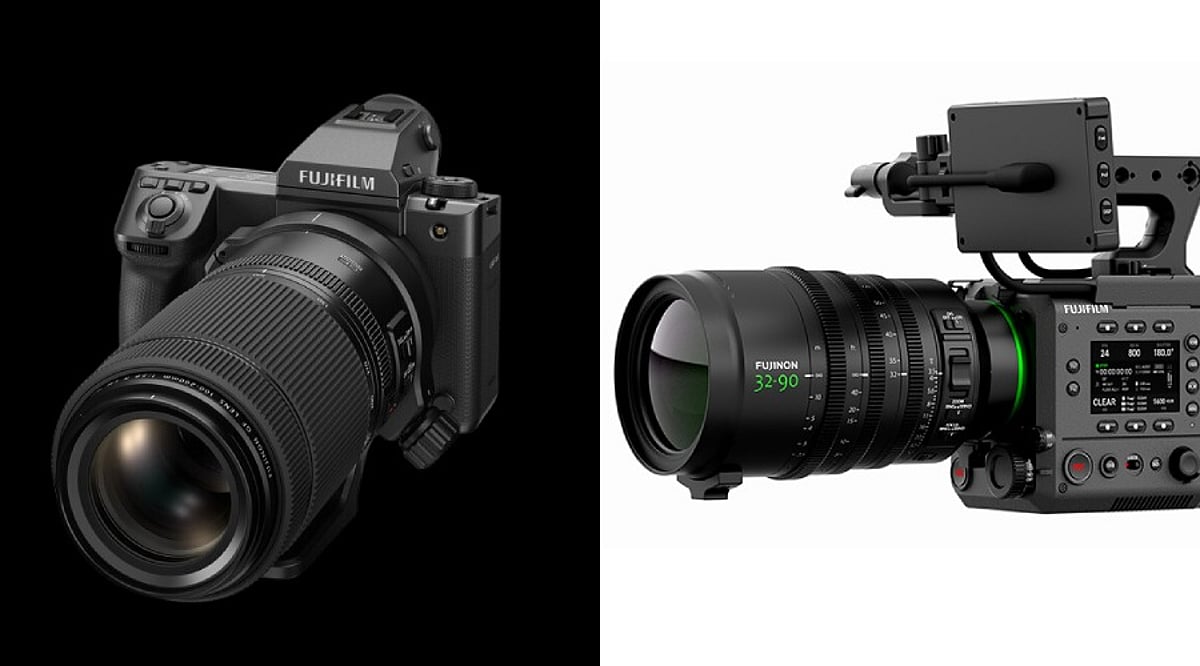
    Fujifilm offers two distinct camera systems tailored to different photographic needs. The X Series, with its APS-C sensor, prioritizes speed, portability, and value. The GFX Series, featuring a much larger sensor, delivers exceptional image quality for professional applications. Both share Fujifilm’s renowned color science, film simulations, and robust build, but they serve different shooting styles. Your choice ultimately depends on the type of photography you pursue, your work environment, budget, and the level of detail required in your images.

    2026 Camera Lineup Overview

    In 2026, the X Series remains Fujifilm’s most extensive family, with models like the X-M5, X-T50, X-T5, X-H2, X-H2S, X100VI, and X-E5. Rumors about an X-T6 persist, but an official announcement hasn’t been made. The GFX lineup now includes the GFX100 II, GFX100S II, GFX100RF, and the GFX ETERNA cinema camera. The GFX100S II stands out with a 102MP sensor, the latest X-Processor 5, up to eight stops of in-body image stabilization, improved autofocus, and burst shooting at 7 frames per second.

    Price Gap Remains Significant

    Price is the most substantial differentiator. In India, the GFX100S II retails around Rs. 5,11,000, while the GFX100RF is similarly priced at Rs. 5,10,999. The flagship GFX100 II typically costs between Rs. 6.5 and Rs. 7.5 lakh. In contrast, most flagship X Series cameras fall between Rs. 1.5 and Rs. 2.5 lakh. This lower entry point leaves room in your budget for additional lenses, memory cards, batteries, and accessories—a practical advantage for many photographers.

    Sensor Size: The Core Difference

    The X Series uses a 23.5 × 15.6 mm APS-C sensor (approx. 366 sq mm), while the GFX Series features a 43.8 × 32.9 mm sensor (approx. 1,441 sq mm)—nearly four times the surface area. This larger sensor enables finer detail, smoother color transitions, richer tonal range, cleaner shadows, and superior dynamic range. Portraits benefit from softer background blur, and landscapes reveal exceptional texture across the frame.

    Resolution and Output Flexibility

    Most X Series cameras offer 26MP or 40MP sensors, whereas the GFX Series starts at 51MP and reaches 102MP in its latest models. A 102MP image measures roughly 11,648 × 8,736 pixels, allowing for extensive cropping without significant quality loss. This resolution is invaluable for commercial studios, advertising agencies, and fine art photographers who demand large prints and detailed editing. For everyday photography, this level of detail is rarely necessary, though professionals often appreciate the added flexibility.

    Performance: X Series Leads in Speed

    The X Series excels in speed. The X-H2S achieves up to 40 frames per second (electronic shutter), and the X-H2 reaches 20 fps. In contrast, the GFX100S II manages 7 fps, and the GFX100 II up to 8 fps. Fujifilm has improved autofocus across the GFX line with subject detection for people, animals, birds, vehicles, insects, and drones. Still, the X Series remains the stronger choice for sports, wildlife, and other fast-moving subjects.

    Lens Ecosystem and Everyday Usability

    The X Mount system offers over forty Fujinon lenses plus numerous third-party options, covering every focal length with compact primes, versatile zooms, and affordable choices. This breadth helps both beginners and professionals build a complete kit without extreme costs. The GF Mount prioritizes absolute image quality; every lens delivers exceptional sharpness and corner performance, even with a 102MP sensor. However, these lenses are more expensive and add considerable weight to your gear bag.

    Choosing Based on Photography Style

    The X Series suits travel, wildlife, sports, weddings, events, street photography, and hybrid photo-video work. Its compact bodies, lighter lenses, and faster operation allow comfortable long shooting sessions. The GFX Series shines in landscape, fashion, commercial advertising, architecture, product photography, studio portraits, and fine art. Large files, excellent dynamic range, and remarkable image quality give professionals greater creative freedom in editing and printing.

    Final Verdict

    For most photographers in 2026, the X Series offers the best balance of image quality, autofocus speed, lighter equipment, lower prices, and a vast lens selection—making it suitable for everyday and demanding professional assignments alike. The GFX Series is the ultimate choice for those who prioritize image quality above all else. Its larger sensor, higher resolution, richer tonal detail, and superior dynamic range produce standout photographs in commercial, studio, landscape, and fine art work. The higher price and bulk are justified only when that extra quality directly enhances your final output.

    Frequently Asked Questions

    1. What is the main difference between Fujifilm X Series and GFX cameras?
    The X Series uses an APS-C sensor, while the GFX Series features a much larger large-format sensor with higher resolution and better image quality.

    2. Which system is better for beginners?
    The X Series is more beginner-friendly, offering lower prices, lighter bodies, and a wide range of affordable lenses.

    3. Is the GFX Series worth the higher price?
    Yes, for those who need exceptional detail, dynamic range, and print quality—especially in commercial, studio, landscape, and fine art photography.

    4. Which system is better for sports and wildlife?
    The X Series delivers faster autofocus and higher burst speeds, making it the preferred choice for fast-moving subjects.

    5. Which system has more lens options?
    The X Mount system offers a much larger selection, including many affordable Fujinon and third-party lenses.

  • Top Cameras for Content Creators and YouTubers in 2026: Expert Picks and Buying Guide

    Top Cameras for Content Creators and YouTubers in 2026: Expert Picks and Buying Guide

    The creator economy is more competitive than ever, with social media driving demand for high-quality video. The best creator cameras in 2026 offer excellent image quality, reliable autofocus, advanced video recording, and creator-friendly features like flip screens and microphone inputs. Whether you are starting a YouTube channel, filming travel vlogs, hosting livestreams, or producing independent films, choosing the right camera can dramatically improve your content.

    Best Cameras for Content Creators & YouTubers in 2026

    Sony ZV-E10 II

    Approximate Price: Rs. 85,000
    Best For: Beginner YouTubers, vloggers, lifestyle creators

    The Sony ZV-E10 II is a top entry-level mirrorless camera. It features an APS-C sensor that delivers high-quality images and oversampled 4K video with great color. Real-time Eye Autofocus excels when shooting solo, and the lack of IBIS makes it easy to pair with a gimbal.

    Sony ZV-E1

    Approximate Price: Rs. 1,90,000
    Best For: Professional YouTubers and filmmakers

    The Sony ZV-E1 uses a full-frame sensor for excellent low-light performance and cinematic-quality shots. Its AI-powered autofocus detects people, and 5-axis stabilization ensures smooth handheld footage. It records in 4K, though battery life is average for its class.

    Canon EOS R50 V

    Approximate Price: Rs. 78,000
    Best For: Social media creators and vloggers

    Designed specifically for video content, the Canon EOS R50 V offers impressive 4K recording and Dual Pixel CMOS Autofocus. Its lightweight build makes it easy to carry while traveling or shooting on the go. Electronic image stabilization reduces shake, and built-in livestreaming features appeal to online creators.

    Canon EOS R6 Mark II

    Approximate Price: Rs. 1,75,000
    Best For: Hybrid photography and video creators

    With a full-frame sensor, the EOS R6 Mark II delivers excellent image quality and sharp oversampled 4K video. Canon’s autofocus reliably tracks faces, eyes, and moving subjects. Image stabilization works well handheld, but the camera requires expensive RF lenses.

    Fujifilm X-M5

    Approximate Price: Rs. 90,000
    Best For: Travel creators and creative filmmakers

    The Fujifilm X-M5 is a compact camera known for Fujifilm’s color science, producing natural-looking stills and video. Its APS-C sensor handles both photo and video with automatic focusing. Digital image stabilization aids handheld recording but doesn’t replace a full IBIS system.

    DJI Osmo Pocket 4

    Approximate Price: Rs. 70,000
    Best For: Travel vloggers and daily content creators

    The DJI Osmo Pocket 4 emphasizes mobility with a built-in 3-axis gimbal that provides extremely stable video without extra equipment. Fast tracking and high-resolution capture make it perfect for solo creators. The lack of a removable lens limits creativity but suits travel, walk, and social media videos.

    Panasonic Lumix S5 II

    Approximate Price: Rs. 1,70,000
    Best For: Independent filmmakers and advanced creators

    The Panasonic Lumix S5 II remains a favorite among filmmakers for its full-frame sensor, exceptional 6K recording, and advanced phase-detection autofocus. In-body stabilization keeps handheld shots steady, and battery life is extended. The larger body makes it less convenient for traveling light.

    How to Choose the Right Camera

    When buying a camera, consider where and how you will shoot. A larger sensor captures better in low light. Reliable autofocus is essential for solo shooting. Image stabilization improves handheld footage. For beginners, the Sony ZV-E10 II offers the best overall performance. Social media creators will love the Canon EOS R50 V. The Fujifilm X-M5 suits intermediate users, while the Sony ZV-E1 and Canon EOS R6 Mark II deliver professional video quality. Travel creators should consider the DJI Osmo Pocket 4, and filmmakers may prefer the Panasonic Lumix S5 II.

    Frequently Asked Questions

    1. Which is the best camera for YouTube beginners in 2026? The Sony ZV-E10 II remains a top choice for its APS-C sensor, excellent autofocus, interchangeable lenses, and user-friendly video features at a competitive price.
    2. Is a full-frame camera necessary for content creation? No. APS-C cameras produce outstanding 4K video for most creators. Full-frame models offer better low-light performance, dynamic range, and background blur for professional productions.
    3. Which camera is best for travel vloggers? The DJI Osmo Pocket 4 is ideal due to its compact size, built-in three-axis gimbal, reliable stabilization, long battery life, and quick setup.
    4. Should creators prioritize image stabilization or autofocus? Both are important, but reliable autofocus is essential for solo creators. Good stabilization reduces the need for a gimbal during everyday shooting.
    5. What accessories should new content creators buy with a camera? Invest in a quality microphone, fast memory cards, spare batteries, a tripod, an LED light, a protective camera bag, and an external SSD for efficient video storage.