Samsung changed the smartphone market with the launch of the first Galaxy Fold in 2019. That device introduced a phone that could open into a tablet-sized screen. The idea looked exciting, yet the first model faced several challenges. A fragile display, hinge gaps, and accidental screen damage forced the brand to delay the launch and redesign the product. Even after those early setbacks, the Galaxy Fold proved that foldable phones could become a real product category. That single launch marked the start of Samsung’s long journey toward better foldable technology.
Galaxy Fold Started a New Chapter
The original Galaxy Fold arrived with a 7.3-inch main display, a 4.6-inch cover screen, a Snapdragon 855 processor, six cameras, and a 4,235mAh battery. The device carried a premium price of nearly $1,980. Samsung improved the design before the final release and strengthened the display protection. The company also sealed the hinge area to stop dust from entering the phone. Those changes helped Samsung regain customer confidence and continue work on future foldable models.
Every New Generation Brought Better Features
Samsung emphasized gradual advancement rather than significant innovations on an annual basis. Galaxy Z Fold 2 emerged in 2020 featuring a bigger cover display and Ultra Thin Glass, plus a brand-new Hideaway Hinge. The following year brought the Galaxy Z Fold 3 with its water-resistive IPX8 rating, S Pen compatibility, an under-display front camera, and more resilient Armor Aluminum construction. These improvements made the Fold series more practical for everyday use. The Galaxy Z Fold 4 was launched in 2022 with a 50MP main camera, improved battery performance, and better multitasking. The company collaborated with Google to develop Android for huge foldable displays. Finally, the Galaxy Z Fold 5 hit the market in 2023 having undergone a Flex Hinge redesign that got rid of the visible gap when the phone was closed.
Foldables Reached a Mature Stage
Samsung shifted attention toward comfort and software after the hardware reached a stable level. The Galaxy Z Fold 6 arrived in 2024 with a wider cover display, stronger frame, Galaxy AI features, and better cooling. The Galaxy Z Fold 7 continued that progress in 2025 with a thinner body, lower weight, and larger displays. Many reviewers described that model as the closest Fold device to a traditional flagship smartphone. The brand refined almost every part of the design while keeping the familiar book-style foldable format.
Galaxy Z Fold 8 Marks the Biggest Expansion Yet
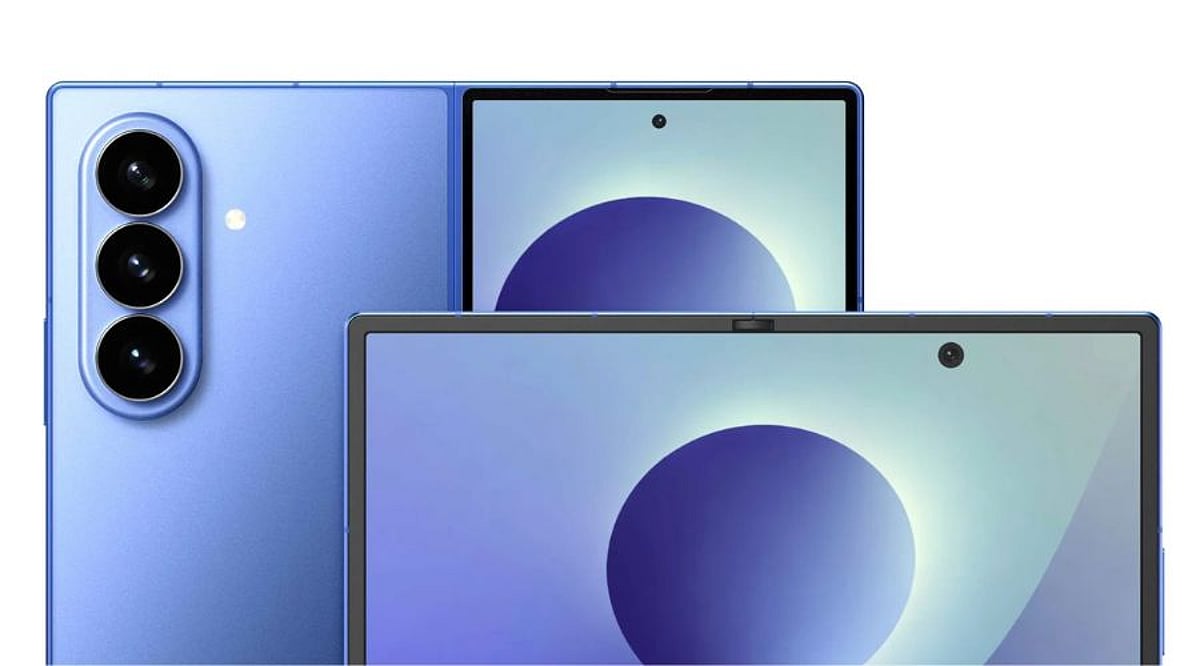
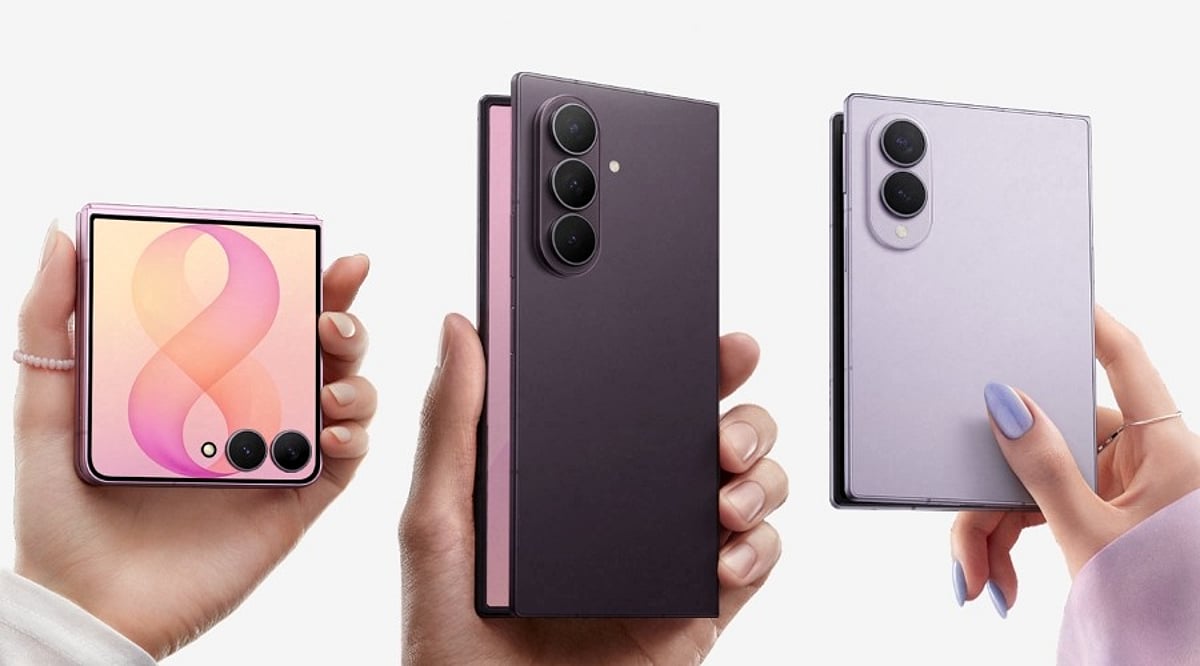
Instead of releasing one model, Samsung introduced two models for the Fold series in 2026. The Fold series includes the Fold 8 and Fold 8 Ultra now. The Fold 8 is designed for entertainment, reading, and daily use while the Fold 8 Ultra focuses more on professionals and content creators requiring a bigger display and high-end cameras.
The Fold 8 features a 7.6-inch Dynamic AMOLED 2X display with a 120Hz refresh rate along with a larger 5.5-inch cover display. The weight of the phone is just 201 grams, making it the lightest addition to the Galaxy Fold series yet. The processor used is Snapdragon 8 Elite Gen 5 along with the newest Android 17 operating system, Galaxy AI tools, and software updates for seven years. Dual 50MP cameras on the back and a battery of 4800mAh complete the package. The price of the Fold 8 is going to be around $1,899 globally and ₹1,74,999 in India.
Fold 8 Ultra Raises the Premium Standard
Samsung introduced the first Ultra model in the Fold series during the 2026 Galaxy Unpacked event. The Galaxy Z Fold 8 Ultra carries an 8-inch main display, a 200MP primary camera, a 5,000mAh battery, and a remarkably slim 4.1mm profile when fully open. The company built this model for users who demand desktop-like productivity, advanced photography, and larger workspaces inside a foldable device. The Fold 8 Ultra starts at around $2,099 in international markets.
Prices Show Confidence in Premium Foldables
Samsung kept Fold devices inside the premium smartphone segment from the very beginning. The original Galaxy Fold launched at almost $1,980 in 2019. The Galaxy Z Fold 3 reduced the starting price to about $1,799, which made foldables more accessible. Recent models returned to higher prices with stronger hardware and larger displays. The Galaxy Z Fold 8 starts at roughly $1,899, while the Fold 8 Ultra reaches around $2,099. The company also introduced a 30-month no-cost EMI plan in India, with monthly payments from ₹6,000 for the Fold 8 and ₹6,667 for the Fold 8 Ultra.
Samsung Continues to Lead the Foldable Market
Samsung transformed foldable phones from an experimental idea into a mature flagship category within seven years. Every generation solved a major challenge, whether that involved durability, display quality, software, battery life, or comfort. The latest Fold lineup shows how far the technology has progressed. Wider displays, lighter bodies, stronger hinges, advanced AI tools, and long software support now define Samsung’s foldable strategy. The Galaxy Z Fold 8 series stands as the strongest example of that steady evolution and confirms Samsung’s leadership in the premium foldable smartphone market.