
Tag: gaming affordability

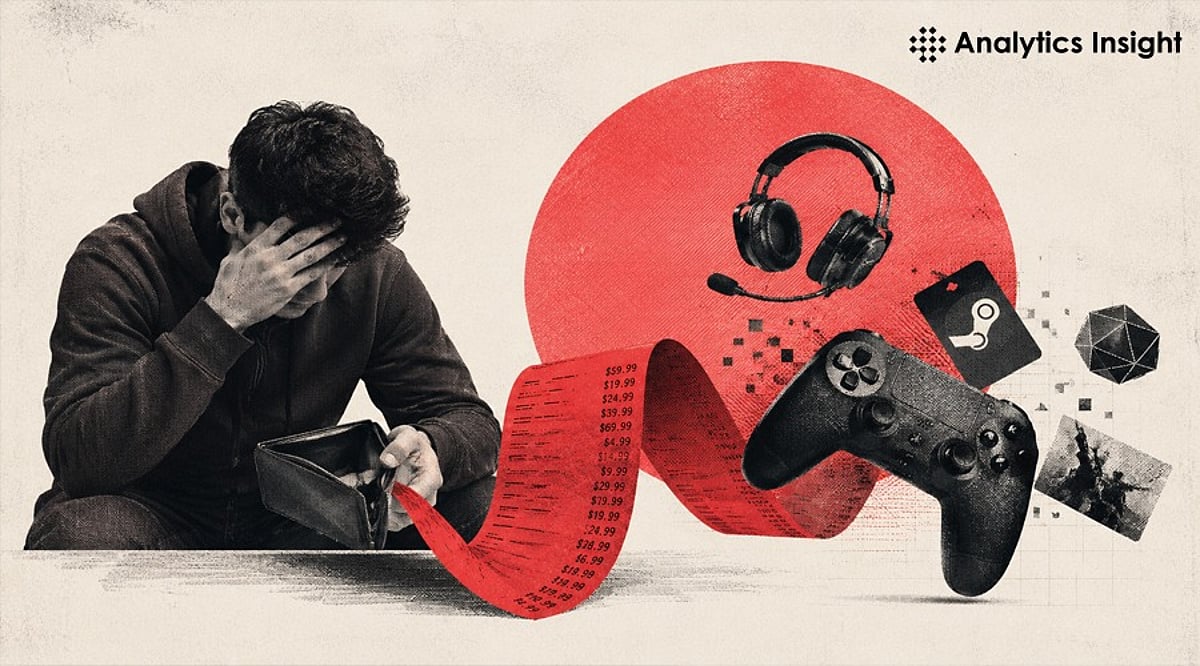
  • Gaming’s Affordability Crisis: Why Playing Video Games Now Costs More Than Ever

    Gaming’s Affordability Crisis: Why Playing Video Games Now Costs More Than Ever

    Video games keep improving year after year, bringing better graphics, larger worlds, and deeper stories. Yet alongside these advances comes a stark reality: gaming is becoming significantly more expensive. From game prices and consoles to subscriptions and microtransactions, the hobby many once considered accessible is now testing the budgets of players worldwide.

    Rising Costs Across the Board

    Not long ago, buying a new game on release day didn’t feel like a major financial decision. Today, the standard price for a major title has jumped from $60 to $70, with special editions often exceeding $100. The conversation around GTA 6 has amplified concerns—reports suggest the game could launch at around $80 in some markets, a move that could set a new benchmark for the industry. While Rockstar has yet to confirm final pricing, the speculation alone has many players worried.

    Hardware costs are climbing too. PlayStation and Xbox consoles have become more expensive in many regions, and PC gamers face soaring prices for graphics cards and other components. Accessories such as extra controllers, storage upgrades, and headsets add further strain to a gamer’s wallet.

    Subscriptions and In-Game Spending

    Services like PlayStation Plus and Xbox Game Pass have also increased their subscription fees. While they still offer extensive libraries, the value proposition is no longer as straightforward as it once was. Meanwhile, battle passes, paid skins, expansion packs, and other add-ons keep players spending long after the base game is purchased.

    Are Players Pushing Back?

    Some blockbuster titles will always sell well—fans of GTA, FIFA, Call of Duty, or The Elder Scrolls are often willing to pay full price. But for many other games, players are becoming more cautious. More people now wait for sales, choose older titles, or stick with free-to-play games. If prices continue to rise, a broader shift toward second-hand markets or subscription services could hurt both studios and players.

    Gaming became a global phenomenon because it welcomed everyone—students, workers, families. If costs keep climbing, the hobby risks alienating those with limited budgets. The challenge for developers and publishers is to balance profitability with affordability.

    What the Future Holds

    Players won’t necessarily stop gaming, but they will become smarter spenders. Discounts, game libraries, and older titles with enduring value will likely see increased attention. For publishers, the priority should be delivering enough value that players feel their money is well spent. Trust is as important as profit.

    Gaming has always been for everyone. The companies that find the right balance between quality, price, and player value will build loyal communities for years to come.

    Frequently Asked Questions

    Why are games more expensive today?

    Modern games require larger teams, longer development times, and bigger budgets. These rising production costs have been passed on to consumers.

    Will GTA 6 cost more than other games?

    Reports suggest a potential launch price of around $80 in some markets, though Rockstar has not confirmed the final price for every region.

    Why have gaming subscriptions become more expensive?

    Companies have raised prices as they add more games and features while managing higher business costs.

    Will higher prices affect gaming?

    They already are. Many players now wait for sales, prefer older games, or choose free-to-play titles instead of buying every new release.

    How can gamers save money?

    Buying games during sales, using subscriptions strategically, and avoiding unnecessary in-game purchases can help reduce overall costs.

  • Rising Hardware and Software Costs: Is Gaming Becoming a Luxury Hobby?

    Rising Hardware and Software Costs: Is Gaming Becoming a Luxury Hobby?

    Gaming has long been one of the most cost-effective forms of entertainment, with a single title offering months of enjoyment and hardware staying relevant for years. However, that balance is shifting. Soaring hardware prices, premium accessories, and rising game costs are forcing consumers—and the industry—to confront a pressing question: Is gaming becoming a luxury rather than an everyday hobby?

    Hardware Upgrades Come with Higher Price Tags

    Each new generation of consoles and graphics cards delivers faster processors, superior graphics, larger storage, and improved cooling. But these advances come at a cost. Launch prices for the latest consoles and premium GPUs have steadily climbed. Building a mid-range gaming PC today costs significantly more than just a few years ago, as higher-quality components like DDR5 RAM, SSDs, and powerful power supplies drive up expenses.

    Premium Positioning Becomes a Trend

    Major gaming brands now position their products as premium consumer electronics rather than simple entertainment devices. Limited-edition hardware, bundles, and high-end peripherals—such as custom controllers and headsets—create higher-tier product lines that encourage customers to spend more for added value.

    Real Cost Extends Beyond the Console

    The initial purchase of a console or gaming PC is only the beginning. Gamers often invest in multiple controllers, gaming headsets, mechanical keyboards, high-refresh-rate monitors, external storage, and streaming gear. Subscriptions for online multiplayer, cloud gaming services, and digital game libraries add ongoing costs, making an apparently affordable rig far more expensive once fully equipped.

    Games Themselves Are Becoming More Expensive

    Major publishers have raised launch prices for blockbuster titles, driven by ballooning budgets for open-world worlds, cinematic storylines, and high-end graphics. This is not a one-time expense: downloadable content, battle passes, and seasonal cosmetic additions encourage continual spending throughout a game’s lifecycle. For dedicated players, gaming is becoming a constant stream of payments.

    Players Are Finding Smarter Ways to Save

    Rather than abandoning the hobby, consumers are adapting. Many wait for sales, buy refurbished or pre-owned hardware, or choose physical disc versions that can be resold. Cloud gaming services now allow players to stream high-end titles on modest hardware, while indie developers offer high-quality games at a fraction of the cost of major blockbusters.

    Accessibility Remains the Industry’s Biggest Challenge

    Historically, gaming has welcomed players regardless of income. But rising costs may change that. Students and first-time buyers may delay upgrades, families may skip new releases, and casual gamers may turn to mobile games or subscription services rather than expensive equipment. This could shrink player communities and push publishers to rely more heavily on established franchises.

    Defining Moment for the Gaming Industry

    The future of gaming hinges on balancing technological innovation with affordability. Consumers still demand speed, realism, AI-driven features, and immersion—all of which require robust hardware and extensive R&D. Competitively priced consoles, budget-friendly PC components, improved cloud streaming, and flexible subscription plans may be key to keeping gaming accessible for the masses.

    If hardware and software costs continue to outpace household incomes, gaming will indeed become a luxury activity. The industry’s greatest challenge is to make cutting-edge experiences available to as many people as possible.

    FAQs

    1. Why are gaming hardware prices increasing? Advanced technology, premium components, higher manufacturing costs, and flagship positioning have collectively pushed prices higher across markets.
    2. Are gaming PCs more expensive than consoles? Generally, gaming PCs require larger investments, especially with premium graphics cards, processors, memory, storage, and peripherals.
    3. How can gamers reduce expenses? Buying during sales, choosing refurbished hardware, subscribing to services, and exploring indie games help reduce costs.
    4. Is cloud gaming a cheaper alternative? Yes, cloud gaming reduces hardware investment by streaming games, making modern titles accessible without expensive systems.
    5. Will gaming become a luxury hobby? Gaming remains accessible for many, but rising hardware, software, and subscription costs make premium gaming increasingly expensive.