Tag: gaming hardware

  • PS6 Price Hike Likely as Memory Costs Surge: What Gamers Need to Know

    PS6 Price Hike Likely as Memory Costs Surge: What Gamers Need to Know

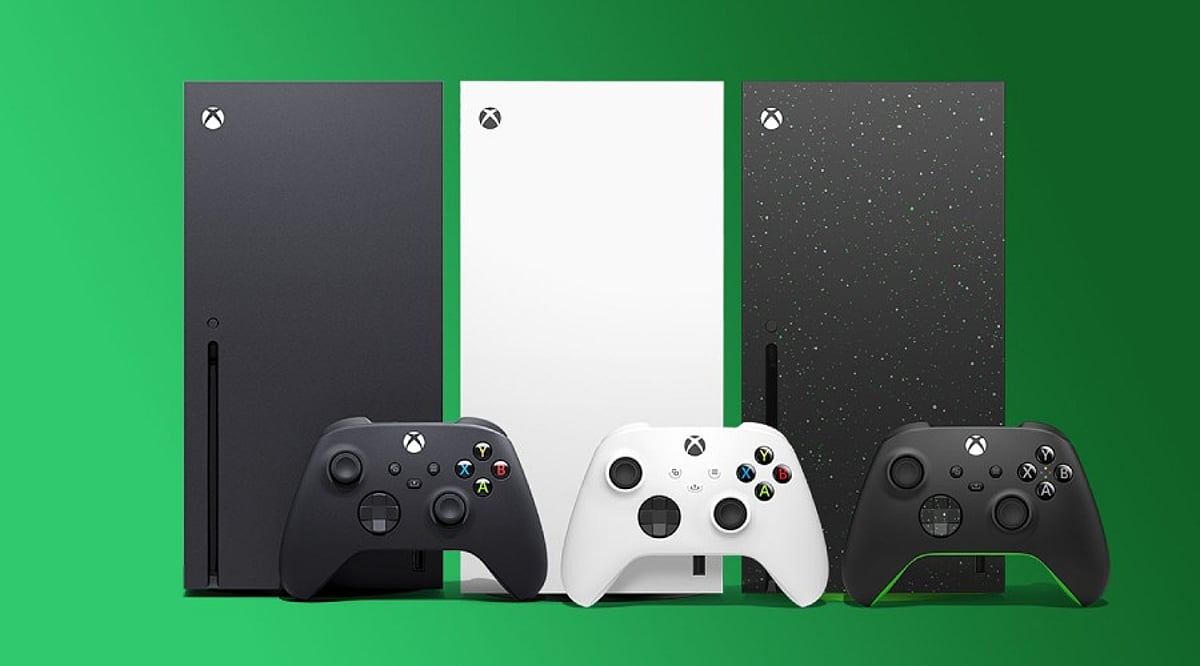
    Next-gen gaming consoles are expected to bring a bigger jump in power than earlier generations. Better graphics, faster loading, improved ray tracing, more memory, and AI-based features could make future consoles more capable, while also raising their production costs.

    The PS6 is already at the center of next-generation PlayStation discussions. Sony confirmed work on its next-generation platform, although the company did not reveal the final PS6 price, release date, or full hardware details.

    Rising memory prices could become a major concern for console makers. Strong demand from AI data centers is putting pressure on memory supply, while other parts such as advanced chips and storage could also add to the cost of future consoles.

    Gaming consoles have come a long way over these years. A console is no longer a mere machine that runs games; it has now shifted to systems with fast processors, powerful graphics, quick storage, large memory, strong cooling, and a range of online features.

    The next-generation gaming consoles may take things further. The rising demands from players regarding better graphics, smoother frame rates, faster loading, and more detailed game worlds turn them into advanced systems. Even AI could also play a bigger role in how future consoles process images and run games.

    All these improvements sound good for gamers, but there’s still one question that bothers them throughout: how much will the next console generation cost?

    The rumors and speculation around PlayStation 6 are a good example to understand what players expect from a console and the price. Sony confirmed that it is working on its next-generation PlayStation hardware. The company did not yet confirm the PS6 name, price, release date, or final specifications.

    However, the company also spoke about rising memory costs and mentioned that it may force the makers to increase the price of the hardware. Along with that, the tech giant also mentioned that it does not plan to absorb all of these increases by selling hardware at major losses.

    Next-Gen Consoles Get More Powerful

    The biggest reason future consoles could become more expensive is the growing demand for better performance. Current consoles already support 4K gaming, fast SSD storage, high frame rates, and advanced lighting. The next generation is expected to improve these areas even further.

    To understand expectations for the next-gen console, we can look at the PS6. Reports about the PS6 have pointed to possible upgrades in graphics performance, memory, ray tracing, and AI-based image processing. Some reports have also mentioned newer AMD technology. These details have not been confirmed by Sony, so they should be treated as reports rather than final specifications.

    Graphics could be one of the biggest areas of change. Players now expect games to offer detailed worlds, realistic lighting, better reflections, and smoother movement. Achieving all of this requires stronger hardware.

    Ray tracing is another area that could see a bigger shift. The technology can make lighting and reflections look more realistic, although it also requires more graphics power.

    AI may become another part of the next console race. AI-based image tools can help a console create a sharper picture without rendering every frame at the highest possible resolution. This could help developers offer better visuals without placing as much pressure on the hardware.

    Storage is also becoming more important. Modern games can take up a huge amount of space. Players also expect games to load quickly. Faster and larger SSDs could therefore become a standard part of future consoles.

    More powerful hardware can create another problem: heat. Stronger chips need better cooling, while higher power use can require improved internal parts. A console may therefore need upgrades across several areas, not just the main processor.

    Sony’s comments about hardware costs show why pricing is becoming an important issue. If memory and other parts become more expensive, console makers have to decide whether to accept lower margins or charge customers more.

    Memory Costs Could Push Prices Higher

    Higher console prices go beyond gaming; it’s more about memory. AI data centers are using huge amounts of memory chips for servers and advanced computing systems. This is increasing demand across the wider memory market.

    The AI advancement is also changing how memory makers use their production capacity. Now that most production procedures are going toward AI hardware, this can put pressure on the supply of other memory chips. Gaming consoles are only one part of a much bigger market, so console makers must deal with these broader changes.

    Some unofficial PS6 estimates have also suggested a sharp rise in hardware costs. One recent estimate put the possible bill of materials at around USD 960, compared with an earlier estimate of about USD 760. Shipping, assembly, marketing, taxes, retailer margins, software costs, and other expenses must still be considered.

    Sony did not confirm these PS6 cost estimates. The company also said it did not decide the timing and pricing of its next-generation platform.

    Higher Costs Could Reshape Consoles

    The next console generation could bring a major jump in performance. Players can expect stronger graphics, faster storage, more memory, better lighting, and possibly a larger role for AI.

    Higher hardware costs could make this jump more expensive, though. For gamers, the next generation will be a tough choice to buy. More powerful hardware can offer better games and smoother performance, while higher production costs may push the price higher.

    The final cost will depend on hardware choices, market conditions, component prices, and how much of the increase the company decides to pass on to buyers. For now, the bigger the hardware jump becomes, the more important the price question will be.
  • SanDisk Optimus Series Signals Shift in Gaming Hardware Priorities: Speed and Capacity Take Center Stage

    SanDisk Optimus Series Signals Shift in Gaming Hardware Priorities: Speed and Capacity Take Center Stage

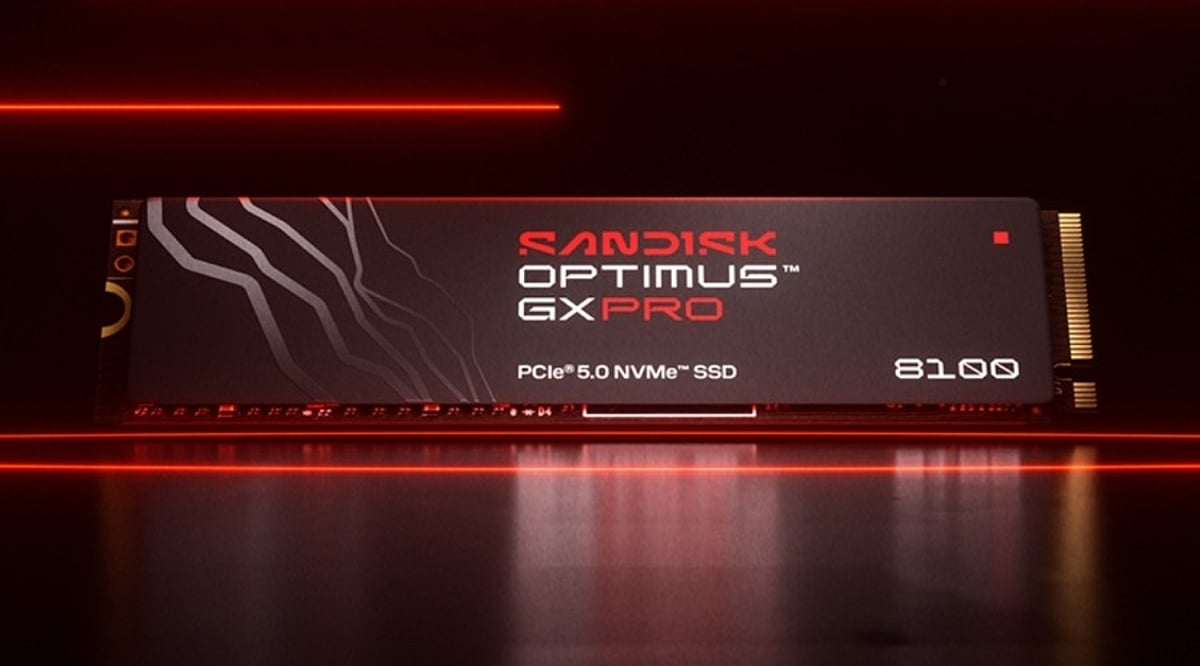
    SanDisk is making a stronger push into the gaming and esports sector as modern games demand increasingly more storage for downloads and updates. With the Indian gaming market surpassing the USD 1 billion mark in 2025 and projected to have over 550 million gamers in 2026, the company is entering the ecosystem with two powerful new SSDs: the SanDisk Optimus GX SSD and the SanDisk Optimus GX PRO SSD. Launched in 2026, these drives are built for gamers and developers, respectively, offering the capacity and speed required by demanding titles.

    Traditional gaming hardware discussions often center on GPUs and CPUs, but the SanDisk Optimus GX PRO 8100, a PCIe 5.0 NVMe SSD, aims to deliver a friction-free experience. Players can run games, multitask, and transfer files without lag. For console gamers, SanDisk introduced microSD Express cards for handheld gaming consoles, boasting read speeds up to 880 MB/s and the ability to store up to 36 games.

    As AAA games grow and digital libraries expand, storage is becoming a regular part of gaming upgrades rather than an afterthought. The Optimus range illustrates how gaming hardware priorities are evolving: performance is no longer just about graphics and processing power. For players with extensive libraries, fast and spacious storage is now one of the most practical upgrades available. As games continue to expand, the humble SSD may play an increasingly critical role in any gaming setup.

  • Wired vs. Wireless Gaming Mice: What Still Separates Them in 2026

    Wired vs. Wireless Gaming Mice: What Still Separates Them in 2026

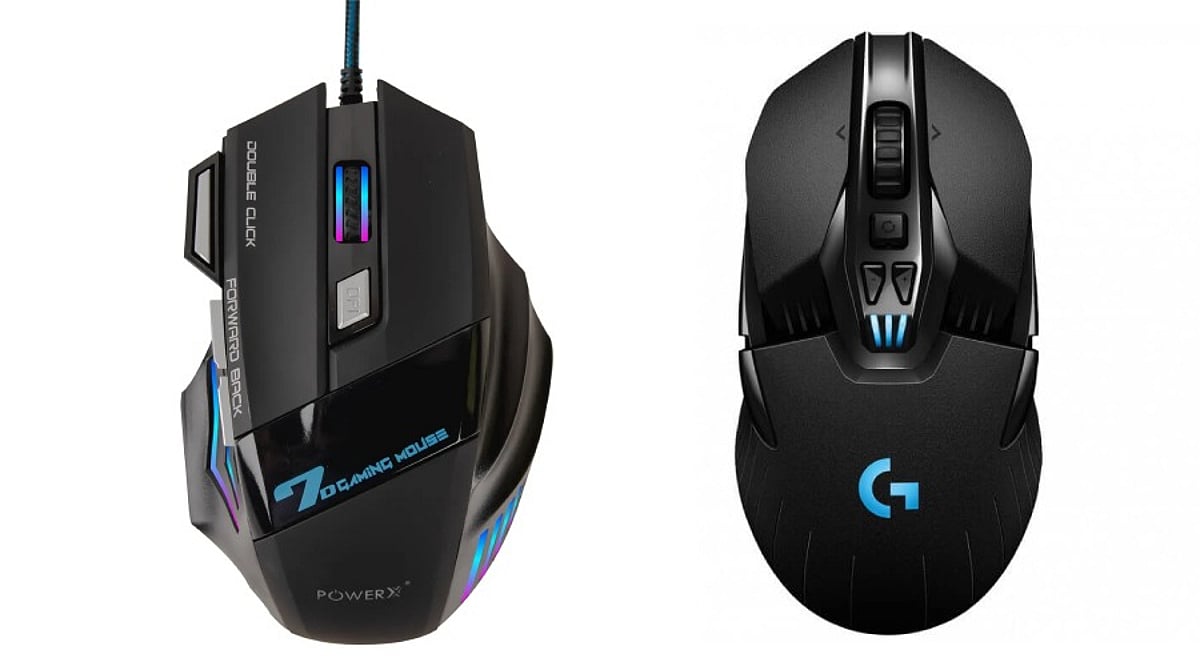
    For years, gamers treated a cable as a guarantee of speed. That assumption no longer holds at the premium end of the market. Modern 2.4 GHz wireless gaming mice can match wired models on latency, sensor accuracy, and report rate. The meaningful gap is now between well-engineered wireless hardware and budget wireless hardware, not simply between a cable and no cable.

    Wireless latency has nearly closed the gap

    High-end wireless mice now deliver extremely low click and sensor latency. Models such as the Logitech G PRO X2 SUPERSTRIKE and Razer Viper V4 Pro have been tested with 8000 Hz polling over wireless, and their click and sensor response is close to wired counterparts. RTINGS has reported similarly strong raw results for the Razer Viper V4 Pro and BenQ ZOWIE ZA13-DW, even though the Razer reaches 8000 Hz and the BenQ reaches 4000 Hz. In that comparison, the polling-rate difference had little practical impact.

    What 8000 Hz polling actually changes

    Polling rate describes how often a mouse reports its position to the PC. A 1000 Hz mouse reports every 1 ms. An 8000 Hz mouse reports every 0.125 ms, which means more data per second. Razer lists 0.291 ms average latency for its HyperSpeed Wireless Gen-2 system at 8000 Hz, versus 0.090 ms for its wired 8000 Hz system in controlled tests.

    Those numbers are impressive, but they are also tiny. A fraction of a millisecond is unlikely to create a clear gameplay advantage on its own. Higher polling rates also place more demand on the PC and tend to matter more with a high-refresh display than with a standard 60 Hz screen. Buyers should not choose a mouse on polling rate alone.

    The cable still creates real-world drag

    A cable adds physical resistance across a desk. That resistance can affect wide arm sweeps, fast flicks, and low-sensitivity aiming. A wireless mouse removes that link and can feel more natural for large movements. Weight matters too. The Razer Viper V4 Pro is listed at 48.9 grams, and the Logitech G PRO X2 SUPERSTRIKE is also in the lightweight class. For many players, a lighter mouse and a better hand fit will improve aim more than a tiny latency advantage.

    Where wired mice still win

    Wired mice do not need a battery, a receiver, or a radio link. That simplicity appeals to players who want a direct connection and no charging routine. Wired models can also deliver strong value at lower prices, while premium wireless models add cost for battery and radio hardware. Receiver placement matters as well: a good 2.4 GHz setup should keep the receiver close to the mouse and away from sources of radio interference. Bluetooth is a different category. It suits office work and travel, while dedicated 2.4 GHz links are better for fast games.

    Modern wireless does not mean slow

    Current flagship products show how far wireless has come. The Razer Viper V4 Pro supports 8000 Hz in both wired and wireless modes, and the Logitech G PRO X2 SUPERSTRIKE reaches 8000 Hz over wireless. Both are among the high-performance options tracked by RTINGS. Still, not every wireless mouse matches every wired mouse. Sensor quality, switch design, firmware, receiver stability, weight, shape, and click response all matter. A poor wireless model can feel worse than a good wired model.

    How to choose

    For competitive FPS play, a strong 2.4 GHz wireless mouse can deliver the response serious players need. Wired remains a solid choice for players who prefer a direct link, no battery, and simple setup. Bluetooth is better suited to general computer use than high-speed competitive play.

    The old question was whether wireless could match wired. At the high end, that question is largely settled. The better question is which complete mouse fits your hand, grip, sensitivity, and budget. Shape, weight, sensor, click response, receiver, battery, and price matter more than the cable alone.

    FAQ

    Are wireless gaming mice as fast as wired mice?

    High-end 2.4 GHz wireless mice can offer very low latency that closely matches wired models.

    Does 8000 Hz polling make a big difference?

    It cuts the report interval to 0.125 ms, but the practical gaming benefit can remain small.

    Is Bluetooth good for competitive gaming?

    Bluetooth generally has higher latency than dedicated 2.4 GHz gaming connections, so it is better for general computer use.

    What matters most when choosing a gaming mouse?

    Shape, weight, sensor performance, click response, connection quality, battery life, and price all deserve attention.

    Does wired still have an advantage?

    Wired mice offer unlimited power and a direct connection, while wireless models remove cable drag and provide greater movement freedom.

  • How Gaming PCs Evolved from Basic Machines to Modern Powerhouses

    How Gaming PCs Evolved from Basic Machines to Modern Powerhouses

    Early gaming PCs were far less powerful than today’s machines, but they laid the foundation for modern gaming hardware. Players relied on basic processors, limited memory, and simple graphics. As games became more detailed, hardware makers started developing better components, slowly turning personal computers into serious gaming machines.

    The Graphics Card Revolution

    The arrival of dedicated graphics cards changed PC gaming forever. Instead of relying only on the processor, computers could now handle complex visuals more efficiently. Better GPUs brought sharper textures, smoother frame rates, and richer game worlds, helping developers create experiences that pushed hardware capabilities with every new generation.

    Faster Gaming CPUs

    Processors became another major part of the gaming hardware race. Faster CPUs allowed games to handle larger worlds, smarter enemies, physics, and more detailed gameplay. Multi-core processors later improved performance further, giving gamers the power needed to run demanding games while handling streaming, recording, and other tasks at once.

    The Rise of High-Speed Storage

    Storage also went through a major transformation. Traditional hard drives were eventually joined by much faster SSDs, reducing loading times and making large game installations easier to manage. Modern NVMe SSDs can deliver even faster data access, helping games load detailed environments and assets quickly during gameplay.

    Advanced Cooling Systems

    As gaming components became more powerful, controlling heat became increasingly important. Large air coolers, case fans, and liquid cooling systems helped gaming PCs maintain stable temperatures during demanding sessions. Better airflow and cooling also allowed enthusiasts to push their hardware harder while building increasingly powerful and customized machines.

    High-End Gaming Builds

    Gaming PCs gradually became highly customizable machines. Players could select individual CPUs, graphics cards, memory kits, storage drives, power supplies, and cooling systems based on their needs. This flexibility helped create everything from affordable gaming computers to expensive high-end rigs designed for demanding games, high refresh rates, and creative workloads.

    Modern Gaming Powerhouses

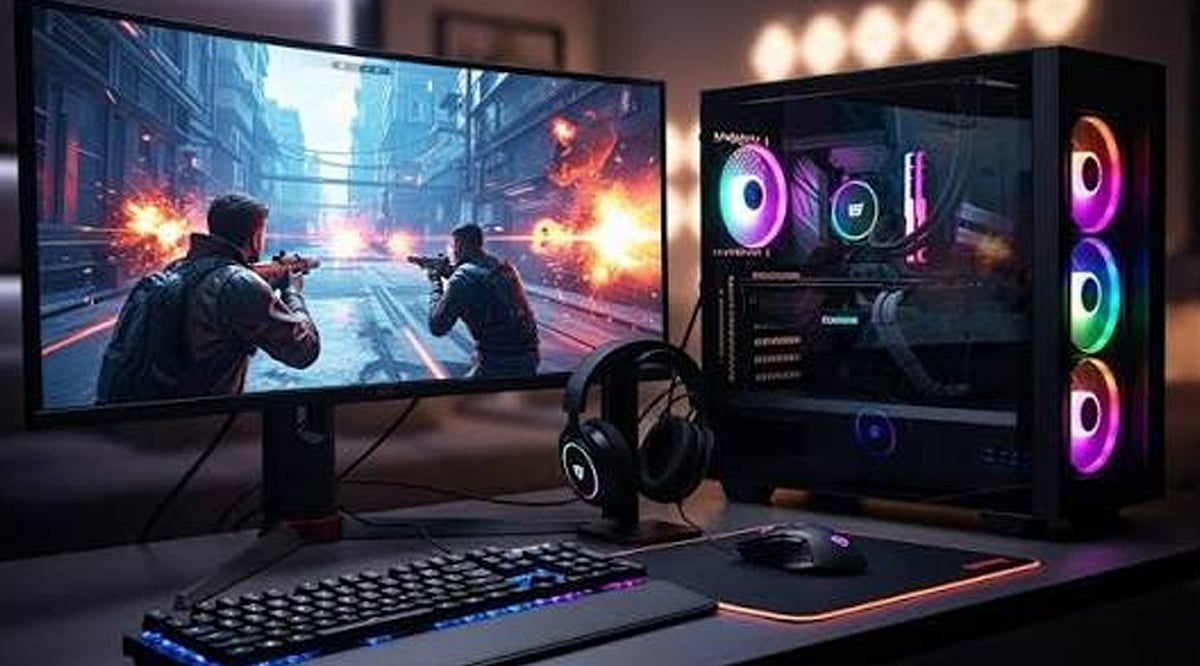
    Today’s gaming PCs combine powerful processors, advanced graphics cards, fast memory, high-speed storage, and sophisticated cooling. Features such as ray tracing, AI-powered graphics technologies, and high-resolution displays demand even more from hardware. What began as basic personal computers has evolved into powerful gaming platforms capable of delivering highly detailed experiences.

  • HyperX Omen 16 Valorant Edition Review: A Gaming Laptop with Style and Substance

    HyperX Omen 16 Valorant Edition Review: A Gaming Laptop with Style and Substance

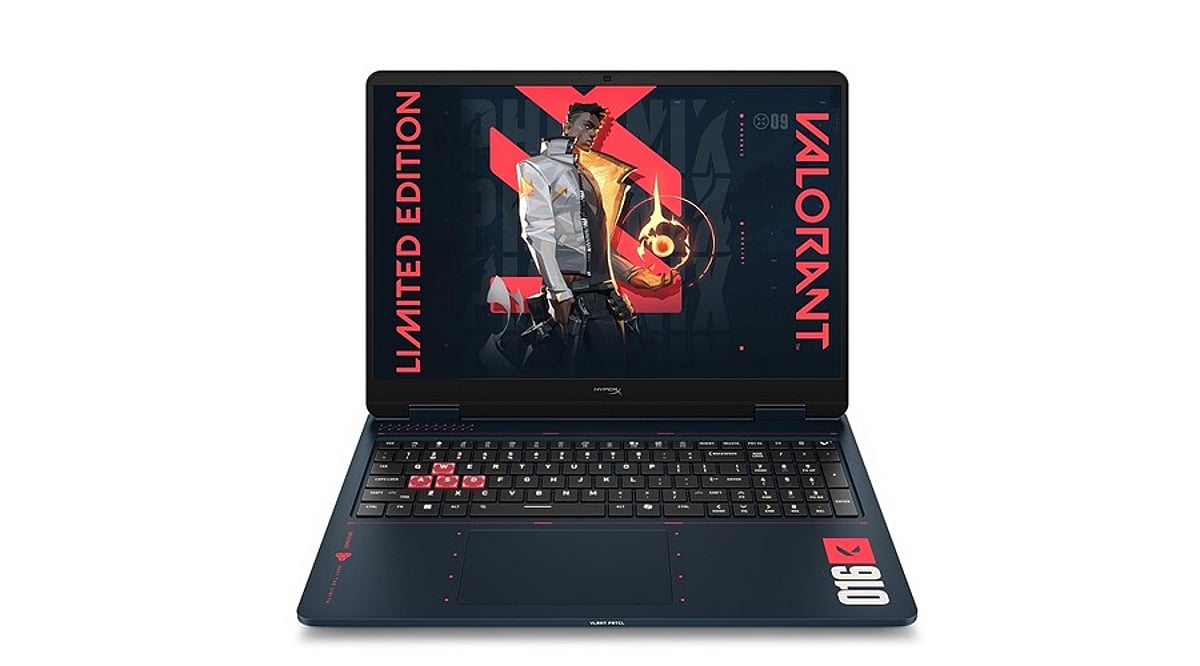
    The HyperX Omen 16 Valorant Edition is a special edition gaming laptop designed for gamers who want both performance and a unique aesthetic. Inspired by the popular game Valorant, this laptop features a distinctive design, an RGB keyboard, and an advanced cooling system. It is versatile enough for gaming and creative tasks, but it does have some drawbacks, including its weight, poor battery life, and potential thermal throttling issues.

    General Specifications

    Here are the key specifications of the HyperX Omen 16 Valorant Edition:

    • Display: 16-inch, 240Hz panel
    • Processor: High-performance Intel or AMD options (details vary by configuration)
    • Graphics: Dedicated NVIDIA GeForce RTX GPU
    • RAM: Up to 32GB
    • Storage: Up to 1TB SSD
    • Keyboard: RGB backlit
    • Cooling: Advanced thermal system
    • Weight: Heavy (exact weight depends on configuration)
    • Battery: Limited life, not ideal for portability

    Pros and Cons

    Pros

    • Stunning 240Hz display for smooth gameplay
    • Strong performance for gaming and creative work
    • Exclusive Valorant-inspired design
    • RGB keyboard adds to the gaming experience
    • Advanced cooling system helps manage heat

    Cons

    • Heavy and bulky, reducing portability
    • Poor battery life
    • Potential thermal throttling under heavy load
    • Valorant branding is superficial and doesn’t affect gameplay
    • High price tag faces tough competition

    Final Verdict

    The HyperX Omen 16 Valorant Edition is a capable gaming laptop that excels in two critical areas for competitive gamers: display and performance. The 240Hz panel is a standout feature, and the hardware and cooling system make it a solid choice for gaming and creativity. However, the Valorant branding is purely cosmetic and adds no functional benefit. Its weight, low battery life, and heat throttling make it less suitable as a portable device. At its premium price point, it faces strong competition, making it best suited for gamers who prioritize both performance and aesthetics.

  • Logitech G305 X Superlight Review: Affordable Wireless Gaming Mouse with HERO Sensor

    Logitech G305 X Superlight Review: Affordable Wireless Gaming Mouse with HERO Sensor

    The Logitech G305 X Superlight is a wireless gaming mouse designed for high performance at a more accessible price point than premium gaming peripherals. Weighing just 59 grams, it features an ergonomic low-profile design, a HERO sensor with up to 44,000 DPI tracking, and dual wireless connectivity via Bluetooth and LIGHTSPEED technology. The G HUB software allows extensive customization, including button programming and DPI adjustment. Its long battery life ensures extended gaming sessions without frequent recharging.

    General Specifications

    Here are the Logitech G305 X Superlight Specifications:

    • Weight: 59g
    • Sensor: HERO
    • DPI: Up to 44,000
    • Connectivity: Bluetooth / LIGHTSPEED wireless
    • Software: G HUB
    • Battery Life: Extended long life

    Pros and Cons

    Pros:

    • Ultra-lightweight at 59g for effortless movement
    • HERO sensor delivers flawless tracking accuracy
    • Responsive buttons with low latency
    • Dual wireless modes for versatility
    • Excellent battery life reduces charging downtime

    Cons:

    • Lacks advanced performance settings such as 8KHz polling
    • May disappoint enthusiasts seeking maximum tunability

    Final Verdict

    The Logitech G305 X Superlight stands out as an excellent choice for gamers seeking a lightweight wireless mouse without a hefty investment. Its 59g weight, HERO sensor, precise tracking, button responsiveness, and dual wireless connectivity deliver versatility in any gaming scenario. The G HUB software further enhances customization, while the long battery life minimizes charging frequency. However, the absence of advanced performance settings and 8KHz polling may leave enthusiasts wanting the ultimate level of tuning.

  • Valve Steam Frame VR Headset Arrives at $1,059 With Wireless PC Streaming and Eye Tracking

    Valve Steam Frame VR Headset Arrives at $1,059 With Wireless PC Streaming and Eye Tracking

    Valve has officially entered the premium VR space with the launch of the Steam Frame headset. Priced at $1,059 in the United States for the 256GB model, the device debuted on September 14, 2026, with reservations opening before retail purchases begin.

    Steam Frame Price and Storage Options

    Valve is offering two configurations: a 256GB edition at $1,059 and a 1TB edition at $1,299. The higher price point places Steam Frame well above mainstream options such as the Meta Quest 3, reflecting the premium hardware and wireless PC streaming capabilities packed into the device.

    Hardware and Display

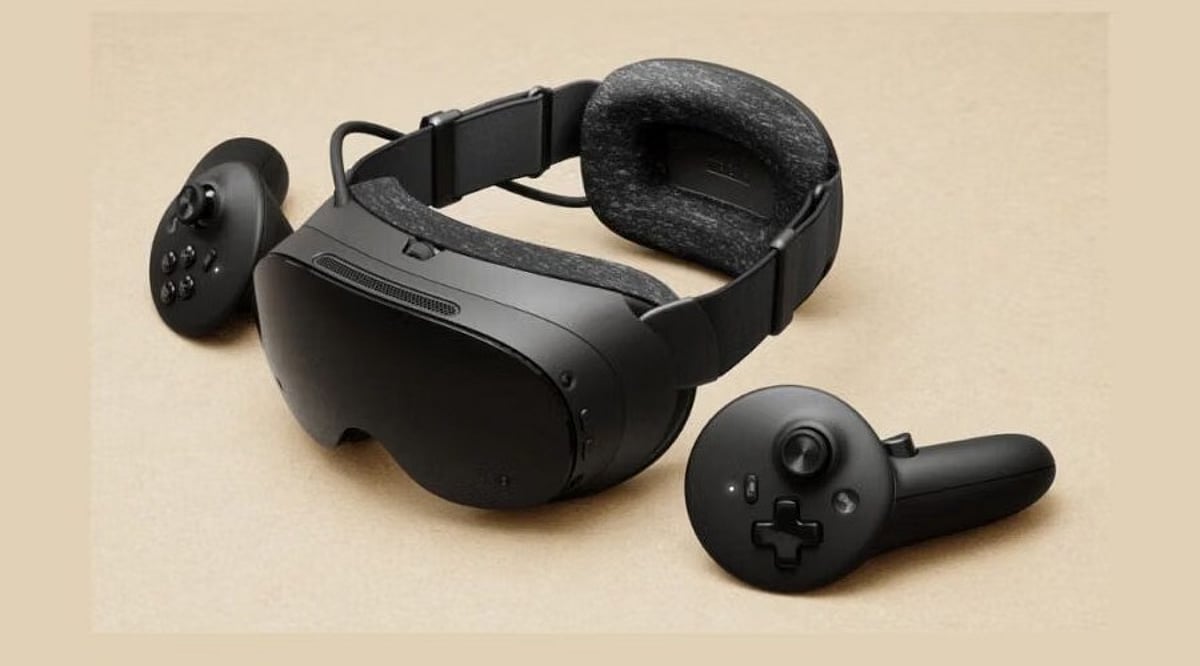
    Steam Frame runs on a Snapdragon 8 Gen 3 processor with 16GB of LPDDR5X memory and is powered by SteamOS. The headset features dual LCDs with 2160×2160 resolution per eye and a refresh rate of up to 144Hz.

    Eye tracking enables foveated rendering, which focuses processing power where the player is looking. Inside-out tracking removes the need for external base stations, while pancake lenses contribute to a balanced, lightweight design. The full headset weighs roughly 440 grams with its strap and ships with wireless VR controllers.

    Built for Standalone and PC Gaming

    Unlike typical standalone VR headsets, Steam Frame is designed for both wireless streaming and native play. Gamers can stream demanding PC titles from a gaming PC without cables, or run compatible games directly on the headset. Valve also supports flat-screen gaming through a virtual display with standard gamepads, giving Steam Frame a broader role in the Steam ecosystem.

    Half-Life: Alyx Standalone Version Coming Soon

    The launch includes an unusual twist: Valve has confirmed a standalone version of Half-Life: Alyx for Steam Frame. The game won’t be available on day one but is expected to arrive soon after launch. The native version will use eye tracking and foveated rendering to run directly on the Snapdragon chip.

    Valve will include a Half-Life: Alyx voucher with Steam Frame, although the voucher will be delivered after the game is ready. The headset package includes controllers, while the power supply costs an additional $29. Optional ergonomic and replacement kits add $59 and $49, respectively.

    Reservation and Availability

    Reservations remain open until September 17, with randomized purchase invitations beginning September 18. Valve says the Steam Frame represents a broader push toward a connected Steam gaming ecosystem;

    the strategy could strengthen Valve’s hardware presence, even if the premium entry point makes this more of an enthusiast product than a mainstream VR breakthrough.

  • XPG Debuts First Gaming Monitors with RIFT and APERTURE Series

    XPG Debuts First Gaming Monitors with RIFT and APERTURE Series

    ADATA’s gaming brand XPG has officially entered the monitor market with the launch of its first gaming displays, the RIFT and APERTURE series. The lineup includes four models, from a high-end 34-inch ultrawide to a budget-friendly 23.8-inch screen, though pricing and availability have yet to be announced.

    XPG, known for its memory, SSDs, and PC components, announced the new monitors in Taipei. The company states that this expansion builds a more complete gaming ecosystem under its “Game To The Xtreme” brand identity.

    Four Models for Different Gaming Needs

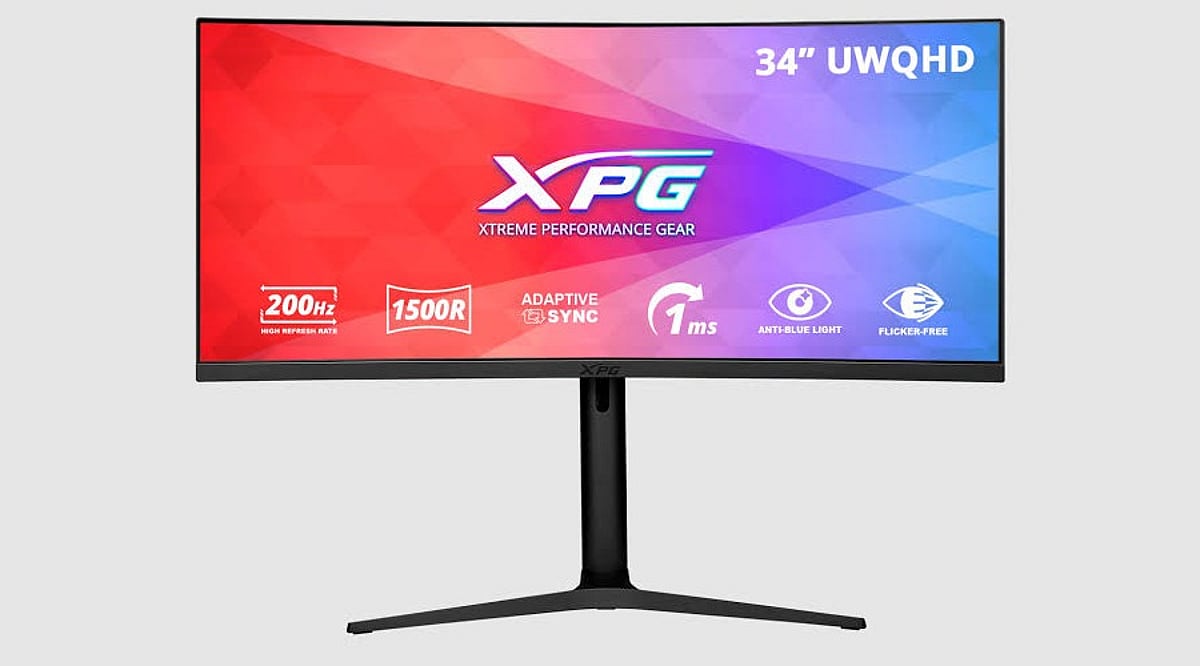
    The flagship RIFT R34WXC is a 34-inch curved ultrawide monitor with a 21:9 aspect ratio and UWQHD resolution (3440 x 1440). It offers a 200Hz refresh rate, 1500R curvature, 1ms response time, and Adaptive Sync support. The panel delivers 350 nits brightness, a 4000:1 contrast ratio, and 93 percent DCI-P3 color coverage for immersive gameplay.

    The smaller RIFT R24F4 features a 23.8-inch IPS panel at 1920 x 1080 resolution, with a 144Hz refresh rate and 99 percent sRGB coverage, making it ideal for budget-conscious gamers.

    On the APERTURE side, the A27Q1 offers a 27-inch screen with 1440p resolution and a 210Hz refresh rate, balancing sharpness and speed. The APERTURE A27F4 is another 27-inch option built for fast-paced gaming, though its full specifications have not been released.

    Pricing and Availability Still Unknown

    XPG has not announced pricing, release dates, or regional availability for the new monitors. Details on port selection, HDMI and DisplayPort versions, stand adjustability, and warranty coverage are also unconfirmed. All four models come standard with Adaptive Sync support and a 1ms response time.

    Buyers will need to wait for full pricing and independent reviews before making a purchase decision.

  • The Ultimate Guide to the Best Graphics Cards for 4K Gaming in 2026

    The Ultimate Guide to the Best Graphics Cards for 4K Gaming in 2026

    As 4K gaming becomes the new standard, choosing the right graphics card is crucial for a smooth, high-fidelity experience. The 2026 lineup includes powerful options from NVIDIA, AMD, and Intel, each offering unique features like advanced ray tracing, AI upscaling, and generous VRAM. Below, we break down the top contenders to help you make an informed decision.

    NVIDIA GeForce RTX 6090

    Delivers exceptional 4K gaming performance with advanced ray tracing, AI-powered DLSS, massive VRAM, and outstanding frame rates across demanding titles.

    AMD Radeon RX 10900 XTX

    Offers strong native 4K performance, competitive pricing, improved ray tracing, generous memory capacity, and excellent support for modern gaming technologies.

    NVIDIA GeForce RTX 6080 Ti

    Balances premium performance and value, making it ideal for gamers seeking smooth 4K gameplay without flagship-level pricing.

    AMD Radeon RX 10800 XT

    Provides excellent rasterization performance, efficient cooling, reliable power consumption, and smooth gameplay in most modern AAA titles at 4K.

    Intel Arc Celestial Pro

    Intel’s flagship GPU delivers competitive 4K gaming, enhanced AI features, improved drivers, and attractive pricing for enthusiasts upgrading systems.

    NVIDIA GeForce RTX 6070 Ti

    Handles many modern games at 4K with DLSS enabled while maintaining strong efficiency and impressive visual fidelity throughout gameplay.

    AMD Radeon RX 10700 XT

    Suitable for gamers seeking affordable 4K experiences, offering reliable performance, modern connectivity, and strong value across multiple game genres.

    NVIDIA RTX Pro Gaming Edition

    Designed for creators and gamers, combining workstation capabilities with high-end gaming performance for demanding graphics-intensive workloads.

    Intel Arc Celestial Ultra

    Brings AI-assisted rendering, hardware acceleration, competitive pricing, and solid gaming performance for users entering premium 4K gaming setups.

    Whether you’re an enthusiast, a competitive gamer, or a content creator, the 2026 GPU market offers a card that fits your needs and budget. Keep an eye on real-world benchmarks and driver updates to get the most out of your investment.

  • Next-Gen Gaming Hardware: AI GPUs, OLED Displays, and Modular PCs Leading the Way

    Next-Gen Gaming Hardware: AI GPUs, OLED Displays, and Modular PCs Leading the Way

    The Future of Gaming Hardware: Innovations That Are Redefining Play

    The gaming industry is undergoing a hardware revolution. From artificial intelligence-powered graphics processors to sustainable manufacturing, cutting-edge technologies are transforming how we play, compete, and experience virtual worlds. Here are the most significant innovations shaping the future of gaming hardware.

    AI-Powered GPUs

    Graphics processors are increasingly integrating artificial intelligence to deliver faster rendering, improved frame generation, enhanced ray tracing, and superior overall gaming performance. AI-driven features such as NVIDIA DLSS and AMD FSR boost frame rates without sacrificing visual quality, making high-fidelity gaming more accessible.

    Next-Generation CPUs

    Modern gaming processors feature more cores, smarter scheduling, and higher efficiency. These CPUs handle demanding games alongside multitasking and content creation workloads with ease, ensuring smooth performance even in the most intensive scenarios.

    OLED Gaming Monitors

    Advanced OLED displays offer deeper contrast, faster response times, vibrant colors, and smoother gameplay. Whether you’re a competitive esports player or a casual gamer, OLED technology enhances immersion by delivering true blacks and vivid visuals.

    PCIe Gen6 SSDs

    Ultra-fast storage drastically reduces loading times, accelerates game installations, and improves performance for increasingly demanding open-world gaming experiences. PCIe Gen6 SSDs bring data transfer speeds that make game worlds load almost instantaneously.

    AI Gaming Accessories

    Gaming keyboards, mice, and headsets now incorporate artificial intelligence for personalized controls, adaptive sound profiles, and improved competitive performance. AI-driven accessories learn your preferences and adjust settings in real time to give you an edge.

    Wireless VR Systems

    Next-generation virtual reality headsets eliminate cables while delivering higher resolution, lower latency, and greater comfort. Wireless VR enables immersive gaming experiences anywhere, without the hassle of tethered connections.

    Cloud Gaming Devices

    Dedicated cloud gaming hardware allows instant access to high-quality games through fast internet connections, removing the need for expensive local computing components. Services like Xbox Cloud Gaming and GeForce NOW are leading this shift.

    Modular Gaming PCs

    Future gaming desktops emphasize modular upgrades, enabling users to easily replace components, improve performance, and extend hardware lifespan with minimal effort. This approach reduces e-waste and keeps systems up to date.

    Sustainable Gaming Hardware

    Manufacturers increasingly adopt recyclable materials, energy-efficient components, and environmentally responsible production methods. From biodegradable packaging to low-power chips, sustainability is becoming a core design principle in gaming hardware.

    This article was originally published by Analytics Insight. Join our WhatsApp Channel to get the latest news, exclusives, and videos.