Tag: gaming industry

  • Xbox Restructuring: 268 Jobs Cut as Halo Development Shifts to Activision

    Xbox Restructuring: 268 Jobs Cut as Halo Development Shifts to Activision

    Microsoft is eliminating 268 roles across its Xbox division as part of a broader restructuring, with Halo development moving to Activision and several studios being reorganized or divested.

    Halo Development Shifts to Activision

    Activision will take on the next mainline Halo title through a newly formed team that will stay separate from its Call of Duty development groups. Halo Studios will continue in a smaller capacity, supporting the Halo community and existing games on the market. Activision is also expanding its responsibilities to include Rare, the studio behind Sea of Thieves, and World’s Edge, the team overseeing the Age of Empires franchise.

    Studio Reorganization and Divestitures

    Bethesda will take responsibility for Obsidian Entertainment, while King will add Microsoft Casual Games to its operations. Playground Games and Turn 10 Studios are being combined into a single studio focused on the Forza and Fable franchises.

    Xbox has also provided updates on previously announced studio exits. Compulsion Games and Double Fine have returned to independent ownership, and Undead Labs has transitioned out of Xbox. Its upcoming game, State of Decay 3, is expected to launch day one on Game Pass under its new publisher.

    Ninja Theory and Arkane Face Uncertainty

    Ninja Theory is facing a proposed closure after two separate agreements to sell the studio fell through. Xbox said it will begin consultation with employees regarding the proposed closure while continuing to explore other options. Consultations over the future of Arkane are also ongoing and expected to run through the end of the year.

    Broader Restructuring Context

    Xbox chief content officer Matt Booty said the changes completed since July, including studio divestitures, have taken the company roughly three-quarters of the way through the previously announced restructuring. The latest 268 cuts follow 1,600 Xbox layoffs announced in July. Microsoft has said its restructuring will affect 3,200 roles during its 2027 financial year. Xbox is expected to provide further updates during an October 6 company-wide town hall.
  • Microsoft Xbox Faces Hundreds of Layoffs in Major Restructuring Effort

    Microsoft Xbox Faces Hundreds of Layoffs in Major Restructuring Effort

    Microsoft’s Xbox division is reportedly planning to cut hundreds of jobs this week as part of a sweeping restructuring of its gaming operations, according to a report from The Information on September 21. The move could also involve consolidating several game studios across Microsoft’s gaming organization, including Xbox Game Studios, Bethesda, Activision, and Blizzard.

    The layoffs would mark the second major staff reduction in 2026, following 1,600 job cuts in July and additional planned reductions through fiscal 2027. The reported aim is to improve profit margins by reducing costs and focusing development on established franchises such as Elder Scrolls and Fallout, potentially leaving smaller acquired studios with less investment.

    Bloomberg reporter Jason Schreier indicated that layoffs at Blizzard—which largely avoided the July cuts—were ‘imminent’ during a recent podcast episode. Microsoft has not confirmed the report or provided details on specific studios or final job numbers. The restructuring is expected to reshape how Xbox manages its creative teams and could lead to studio mergers or team shifts between publishing groups.

    The latest developments underscore Microsoft’s strategy of concentrating resources on fewer, high-value development groups while deemphasizing smaller projects. No game cancellations have been linked to the reported layoffs yet, leaving the full impact on Xbox’s upcoming portfolio uncertain.

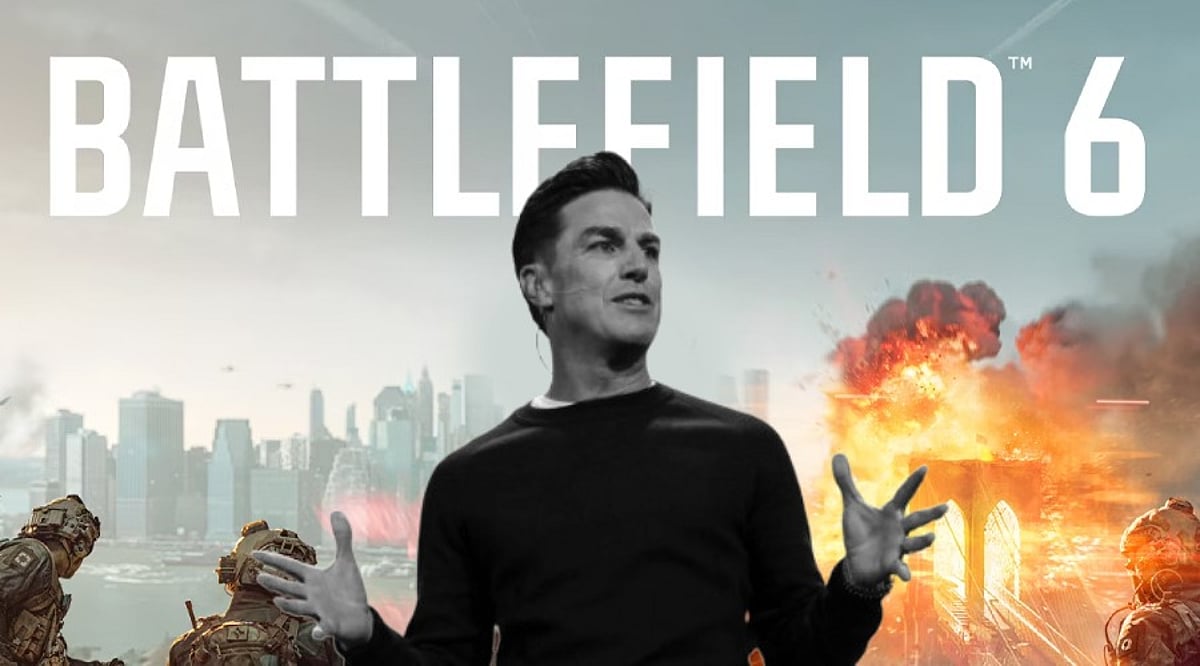
  • EA CEO Andrew Wilson Reaps $38M Bonus as Battlefield 6 Success Spurs Developer Layoffs

    EA CEO Andrew Wilson Reaps $38M Bonus as Battlefield 6 Success Spurs Developer Layoffs

    Battlefield 6 has been a major commercial success for Electronic Arts, selling 7 million copies in 2025 and outperforming many competing first-person shooters. However, the game’s financial windfall has coincided with significant job cuts among the development team, raising questions about how corporate success is distributed.

    According to EA’s Form 10-K/A SEC filing released on July 29, CEO Andrew Wilson’s total compensation for fiscal 2026 reached $38,649,984—an increase of $8 million from the previous year and roughly $13 million more than two years ago. The pay bump includes bonuses and bonus modifiers added to his base salary.

    While EA has not disclosed the exact number of layoffs, reports indicate that the entire Battlefield 6 development team was disbanded after the game’s launch. The job cuts were framed as part of a broader cost-reduction and business restructuring plan.

    This pattern is not unique to EA. Microsoft closed the studio behind the critically acclaimed Hi-Fi Rush shortly after its release. The team behind Marvel Rivals also experienced layoffs and organizational changes post-launch. Embracer Group and Ubisoft have similarly announced job cuts while continuing work on major projects.

    Many publishers argue that rising development costs necessitate such decisions. However, developers contend that strong sales should translate into greater job security, not just higher executive pay.

    Battlefield 6 proves that blockbuster games can still generate enormous revenue. Yet the conversation surrounding the title has shifted from sales figures to the treatment of the people who make those games possible. As the industry grows, players and developers alike hope for a better balance between business objectives and supporting the teams behind the hits.

  • Galaxy Gaming and Evolution’s $85M Merger Hits Regulatory Roadblock After July 17 Deadline Passes

    Galaxy Gaming’s planned $85 million merger with Evolution has hit a significant snag after the companies failed to secure all required gaming regulatory approvals before the July 17 outside date set in their merger agreement. The deal’s future now remains uncertain as both parties assess their next steps.

    On July 20, 2026, Galaxy Gaming confirmed that the merger with Evolution Malta Holding Limited remains pending after the outside date passed without satisfaction or waiver of the two remaining gaming regulatory approvals. Until regulators clear the deal, it cannot close, and if the process drags on, the closing date may be pushed back again.

    Under the merger agreement, either party can now walk away. Neither has terminated the agreement yet, and Galaxy is weighing its options, including seeking a further extension of the outside date or ending the deal altogether.

    Both Companies Still Want the Deal to Happen

    Evolution announced plans to buy Galaxy Gaming to expand its footprint in the online casino market. Galaxy Gaming is known for creating table games, side bets, and casino content for operators in many countries.

    After the July 17 deadline passed, Galaxy Gaming stated it is still working closely with Evolution to complete the deal. The CEO noted that over the past two years, the company has continued to expand its table games portfolio, enter new markets, and build recurring revenues. Regardless of the merger’s outcome, Galaxy Gaming plans to maintain strategic momentum and its relationship with Evolution.

    Evolution has also reiterated that it still wants to complete the acquisition. So far, neither company has shared a new timeline, but both have confirmed their commitment to the agreement.

    A Deal That Could Benefit Both Sides

    Although the delay has slowed things down, the deal is still seen as strategically important. Galaxy Gaming has built a strong collection of table games and side bets that many casinos already use. Integrating those games into Evolution’s platform could help it provide more options for players and strengthen its live casino portfolio, especially in more regulated markets. For Galaxy Gaming, the deal could mean access to a larger global network and more customers.

    As of now, all eyes are on whether the companies can secure the necessary regulatory approvals to revive what many see as a mutually beneficial transaction.

  • Gaming’s Affordability Crisis: Why Playing Video Games Now Costs More Than Ever

    Gaming’s Affordability Crisis: Why Playing Video Games Now Costs More Than Ever

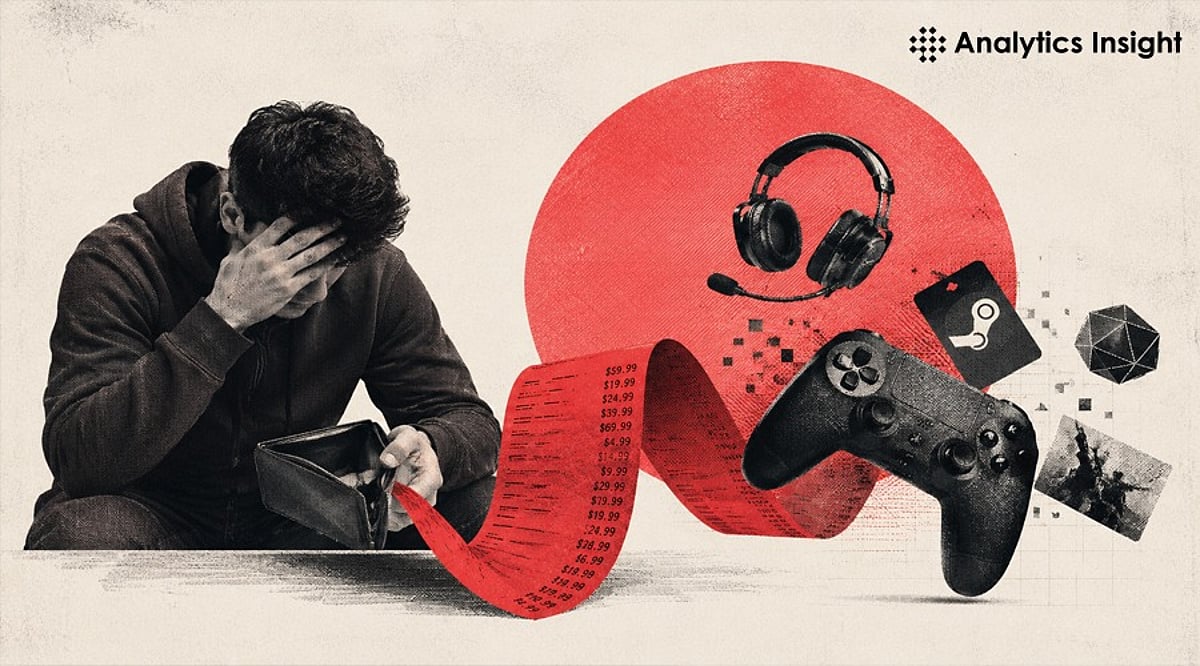
    Video games keep improving year after year, bringing better graphics, larger worlds, and deeper stories. Yet alongside these advances comes a stark reality: gaming is becoming significantly more expensive. From game prices and consoles to subscriptions and microtransactions, the hobby many once considered accessible is now testing the budgets of players worldwide.

    Rising Costs Across the Board

    Not long ago, buying a new game on release day didn’t feel like a major financial decision. Today, the standard price for a major title has jumped from $60 to $70, with special editions often exceeding $100. The conversation around GTA 6 has amplified concerns—reports suggest the game could launch at around $80 in some markets, a move that could set a new benchmark for the industry. While Rockstar has yet to confirm final pricing, the speculation alone has many players worried.

    Hardware costs are climbing too. PlayStation and Xbox consoles have become more expensive in many regions, and PC gamers face soaring prices for graphics cards and other components. Accessories such as extra controllers, storage upgrades, and headsets add further strain to a gamer’s wallet.

    Subscriptions and In-Game Spending

    Services like PlayStation Plus and Xbox Game Pass have also increased their subscription fees. While they still offer extensive libraries, the value proposition is no longer as straightforward as it once was. Meanwhile, battle passes, paid skins, expansion packs, and other add-ons keep players spending long after the base game is purchased.

    Are Players Pushing Back?

    Some blockbuster titles will always sell well—fans of GTA, FIFA, Call of Duty, or The Elder Scrolls are often willing to pay full price. But for many other games, players are becoming more cautious. More people now wait for sales, choose older titles, or stick with free-to-play games. If prices continue to rise, a broader shift toward second-hand markets or subscription services could hurt both studios and players.

    Gaming became a global phenomenon because it welcomed everyone—students, workers, families. If costs keep climbing, the hobby risks alienating those with limited budgets. The challenge for developers and publishers is to balance profitability with affordability.

    What the Future Holds

    Players won’t necessarily stop gaming, but they will become smarter spenders. Discounts, game libraries, and older titles with enduring value will likely see increased attention. For publishers, the priority should be delivering enough value that players feel their money is well spent. Trust is as important as profit.

    Gaming has always been for everyone. The companies that find the right balance between quality, price, and player value will build loyal communities for years to come.

    Frequently Asked Questions

    Why are games more expensive today?

    Modern games require larger teams, longer development times, and bigger budgets. These rising production costs have been passed on to consumers.

    Will GTA 6 cost more than other games?

    Reports suggest a potential launch price of around $80 in some markets, though Rockstar has not confirmed the final price for every region.

    Why have gaming subscriptions become more expensive?

    Companies have raised prices as they add more games and features while managing higher business costs.

    Will higher prices affect gaming?

    They already are. Many players now wait for sales, prefer older games, or choose free-to-play titles instead of buying every new release.

    How can gamers save money?

    Buying games during sales, using subscriptions strategically, and avoiding unnecessary in-game purchases can help reduce overall costs.

  • Assassin’s Creed Black Flag Resynced Sets Franchise Sales Record with 2 Million Copies in One Day

    Assassin’s Creed Black Flag Resynced Sets Franchise Sales Record with 2 Million Copies in One Day

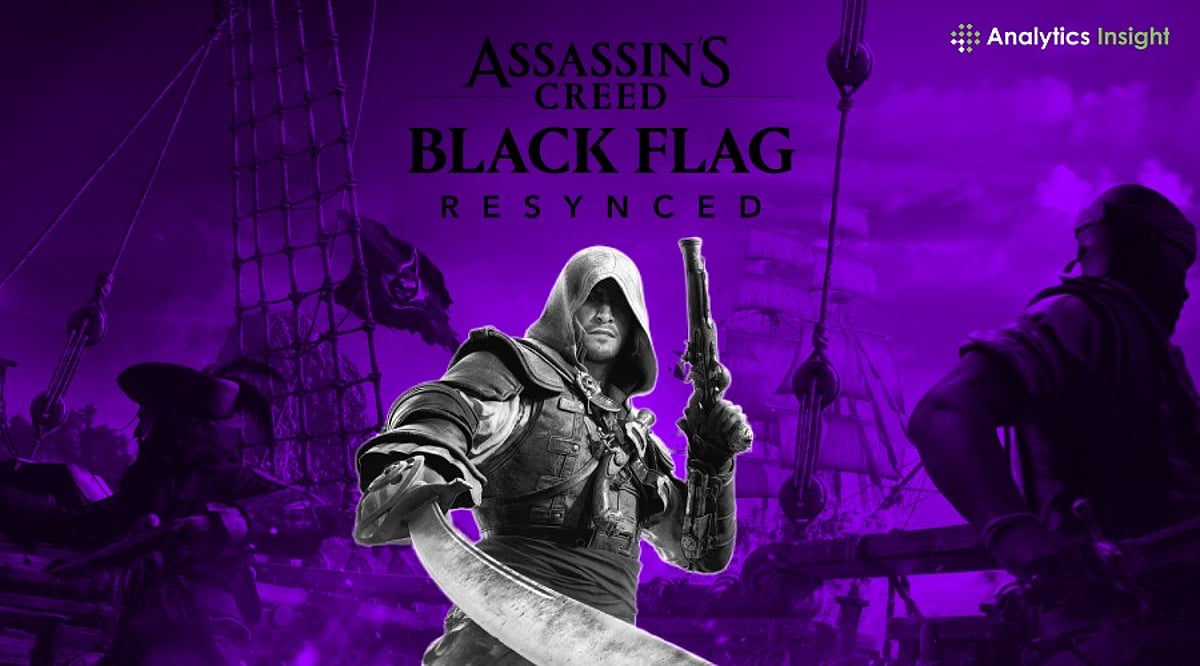
    Ubisoft has reached a historic milestone with the launch of Assassin’s Creed Black Flag Resynced. The remastered pirate adventure sold two million copies within its first 24 hours of release, making it the fastest-selling title in the entire Assassin’s Creed franchise. The achievement is especially remarkable given that the game is a remake of a 2013 classic, proving that Edward Kenway’s Caribbean exploits still captivate players more than a decade later.

    The strong day-one sales demonstrate that players remain eager to revisit beloved titles when they receive thoughtful updates. Longtime fans returned to relive the open-sea exploration, naval combat, and treasure hunting, while a new generation of players experienced one of the series’ most acclaimed installments for the first time with enhanced visuals and smoother performance.

    Black Flag Resynced Breaks Every Previous Assassin’s Creed Launch Record

    Released on July 9, 2026, Assassin’s Creed Black Flag Resynced quickly shattered previous franchise benchmarks. Ubisoft confirmed that the game moved two million units on its first day, a feat few titles achieve. To put this in perspective, Assassin’s Creed 2 — previously one of the series’ strongest performers — reached 1.6 million sales within its first week. The new remake surpassed that total in just 24 hours.

    The original 2013 release was already a commercial and critical hit, praised for its immersive pirate setting, charismatic protagonist, and engaging ship-to-ship battles. The remastered version retains the core narrative and gameplay while upgrading graphics, controls, and overall performance for modern consoles and PCs. This combination of nostalgic content and technical polish clearly resonated with a broad audience.

    Players Still Love a Good Pirate Story

    The success of Black Flag Resynced underscores the enduring appeal of well-crafted pirate narratives. Edward Kenway remains one of the most beloved characters in the Assassin’s Creed universe. His journey across the Caribbean — from plundering ships to uncovering ancient secrets — continues to feel fresh and exciting.

    For many players who grew up with the original, the remake offered a chance to revisit cherished memories. Newcomers, meanwhile, gained access to a highly rated game with modern enhancements. The result was a launch that appealed to both nostalgia and curiosity.

    A Success Story the Gaming Industry Will Notice

    The record-breaking launch sends a clear signal to developers: classic games can still generate massive interest when remade with care. While original titles carry inherent risk, remakes of fan favorites come with a built-in audience. This does not diminish the importance of innovation — fresh ideas remain vital — but it highlights the value of honoring beloved properties.

    For Ubisoft, Assassin’s Creed Black Flag Resynced is more than just a strong sales figure. It is validation that a great game can win over players even 13 years after its original debut. The franchise’s future looks bright, and the industry will undoubtedly take note of this milestone.

  • Epic Games Settles Fortnite Leak Lawsuit, Signaling Tougher Stance on Confidential Content

    Epic Games Settles Fortnite Leak Lawsuit, Signaling Tougher Stance on Confidential Content

    Epic Games has settled a legal dispute linked to Fortnite leaks, bringing fresh attention to one of the biggest issues live-service games often face. Game developers have spent years trying to stop confidential information from reaching the public before official announcements. The latest settlement shows that Epic Games is taking a tougher stand against people who share protected game details without permission.

    Leaks have become common in modern gaming. While many players enjoy early news about upcoming content, developers argue that unauthorized leaks can spoil carefully planned reveals and affect months of work.

    Epic Games Ends Fortnite Leak Dispute

    The dispute began earlier this year after the gaming giant discovered that Hayden Cohen, a former Epic Games contractor, despite signing a non-disclosure agreement, had leaked the Fortnite collaborations through his Twitter account (now X) AdiraFN. This leaker correctly tipped off some of the biggest collaborations that Epic Games had planned, including Overwatch, Masters of the Universe, and Game of Thrones.

    Once the identity was revealed, the gaming studio sued the former employee. However, it seems that none of the parties were interested in prolonging the case; instead, they reached a settlement. At this point, none of the involved parties have officially announced what the clauses were.

    Earlier, Epic Games spokesperson Natalie Munoz said that they had appealed to the court for a stipulated injunction against Cohen to ensure he would not be able to share or publish any of Epic Games’ confidential information again. Whether this appeal was granted or not has not yet been declared, but the outcome makes one thing clear: Epic Games wants to protect its future updates and send a warning that private game information should not be shared without permission.

    For many fans, leaks are a way to get an early look at upcoming content. For developers, months of planning can be spoiled in an instant. New characters, events, and game modes are often revealed through carefully planned campaigns. A leak can take away the surprise before players even see the official announcement.

    Game Companies Are Fighting Leaks More Often

    Epic is not the only publisher taking this approach. Several major gaming companies have taken action against people who shared unreleased content.

    Nintendo has taken legal action against parties involved in leaks of its games and hardware. Rockstar also tightened security after GTA 6 material appeared online before its official reveal. Ubisoft and Activision have also investigated people who leaked information from test builds and unreleased projects.

    This shows how much the gaming business has changed. A game launch is no longer just about releasing a title. Companies spend years building excitement before launch. When important details appear early, they lose control of how that story reaches players.

    A Single Leak Can Have a Big Impact

    The biggest loss is not always the leaked information itself. A single post can reduce the impact of a trailer, reveal an event, or provide a seasonal update. It may also force developers to change their plans and spend more time investigating how the information was shared.

    For Epic Games, Fortnite is more than a game. It is a live service that depends on fresh content and surprise moments to keep players interested.

    The latest settlement shows that major studios now see game leaks as a serious business issue. As live-service games continue to grow, publishers are likely to take even stronger action to protect future updates.

  • 2026: The Year Video Games Reach Unprecedented Heights with GTA 6 and Major Blockbusters

    2026: The Year Video Games Reach Unprecedented Heights with GTA 6 and Major Blockbusters

    The gaming industry often sees years where one or two blockbuster titles dominate, but 2026 is shaping up to be a historic exception. With multiple major publishers releasing big-budget games simultaneously—including the long-awaited Grand Theft Auto 6—this year could be the greatest ever for video games. From survival horror to sprawling RPGs and a fresh take on a classic spy franchise, 2026 offers a diverse, packed calendar that has gamers and analysts alike calling it a potential landmark year.

    Recent technological advancements have transformed gaming from a casual pastime into a professional pursuit for many. Faster hardware, improved game engines, and shorter development cycles now allow studios to craft expansive, detailed worlds with richer stories and smoother gameplay. In 2026, fans are not only seeing these improvements in action but enjoying a steady stream of releases that meet—and often exceed—expectations.

    A Stellar Lineup of Titles

    Several highly anticipated games have already launched in 2026, each making a significant impact:

    • Resident Evil Requiem from Capcom has taken the horror genre by storm. Retaining the franchise’s signature survival-horror style, it introduces new locations, enhanced visuals, and fresh gameplay ideas. With over 7 million units sold in its first three weeks, it has become one of the year’s biggest successes.
    • Crimson Desert has finally arrived after years of development. This massive RPG boasts a huge open world, large-scale battles, and impressive graphics, earning widespread praise for the freedom it offers players. It has sold 6 million copies worldwide since launch.
    • 007 First Light reimagines the James Bond franchise by focusing on a younger, earlier version of the iconic spy. Its mix of action, stealth missions, and cinematic presentation has rejuvenated the series, breaking franchise records with 1.5 million sales in its first 24 hours.

    These releases have not only created excitement among players but also boosted sales across PC and current-generation consoles. The variety across horror, RPG, action, and adventure genres ensures that almost every type of gamer has found something to enjoy.

    GTA 6: The Game That Could Change Everything

    Despite the success of these titles, the biggest highlight of 2026 has not yet arrived. Grand Theft Auto 6 is set to launch on November 19, 2026, more than a decade after GTA 5. During that time, Rockstar Games has continued supporting GTA Online, but anticipation for the next main entry has only grown. Industry analysts expect it to become the biggest entertainment launch ever. The hype is so massive that some indie studios have postponed releases planned for November to avoid competing with Rockstar.

    Trailers and teasers have already generated millions of views, with fans scrutinizing every detail. The game is expected to raise the bar for open-world design with larger cities, smarter NPCs, better AI, improved physics, and deeper storytelling. If Rockstar delivers, GTA 6 could become the new standard for the industry, potentially driving console sales as players upgrade to PlayStation 5 or Xbox Series X just to experience it.

    Why 2026 Matters More Than a Single Release

    A strong year like 2026 benefits the entire gaming ecosystem. It pushes developers to create better games, encourages healthy competition, supports hardware sales, and gives players more choices. When several great games launch together, the industry moves forward collectively rather than relying on one blockbuster title. The combination of variety and quality ensures that 2026 will be remembered not just for one game but for the breadth of experiences it offers.

    With the biggest release still ahead, many believe 2026 could go down as the finest year the gaming industry has ever delivered. If the remaining launches meet expectations—especially GTA 6—players may look back on this year as a golden age of gaming.

  • Inflation Adjusted: GTA 6 Is the Most Affordable Mainline GTA in 25 Years

    Inflation Adjusted: GTA 6 Is the Most Affordable Mainline GTA in 25 Years

    The price of Grand Theft Auto VI has reignited debate among gamers. Rockstar Games set the Standard Edition at $79.99, a figure that feels steep to many. However, when adjusted for inflation, the new entry may actually be the most affordable mainline GTA title in a quarter-century.

    A comparison using U.S. National Average Wage Index data reveals that the average annual income for American workers in 2024 was $67,027—roughly $5,600 per month. At $79.99, GTA 6 represents just 0.119% of that annual income, whereas earlier entries in the series reached nearly 0.15%.

    For context, GTA 3 launched in 2001 at $49.99, which equates to approximately $90 in today’s dollars. Similarly, GTA: Vice City and GTA: San Andreas would cost around that same amount if released in 2026. GTA 4 debuted at $59.99, which would now be worth well over $90 after inflation. This means GTA 6 offers better purchasing power compared to several of its predecessors.

    While the math makes a strong case, many players remain focused on the sticker price. Rising costs of living mean that every dollar counts, and the $80 price tag still feels like a significant expense for many households.

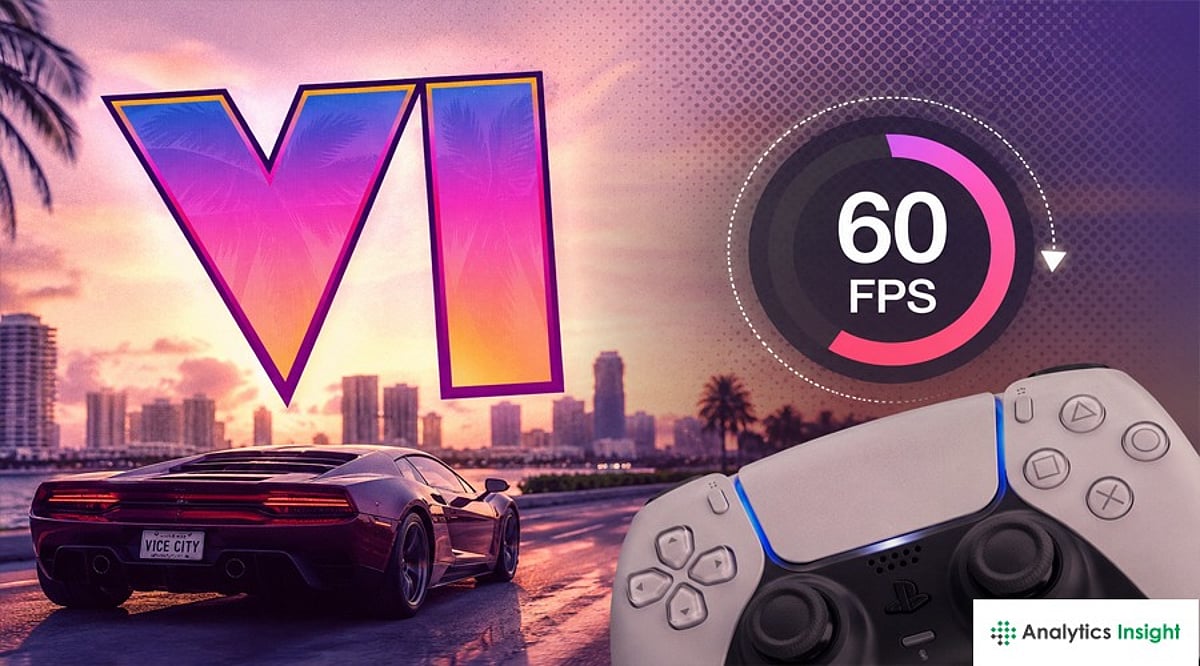
    In other news, a Polish gaming podcast, Rock and Borys, has suggested that Rockstar may not ship GTA 6 with a 60 FPS mode at launch. Instead, the feature might arrive via a post-launch update, with the game initially running at 30 FPS. Nothing has been confirmed, but fans are divided: some are willing to wait for a smoother experience, while others expect a title of this scale to include 60 FPS support from day one.

    Ultimately, inflation-adjusted pricing shows GTA 6 is more affordable than older GTA games, but that doesn’t change the immediate financial reality for players. The conversation around value and cost will likely continue as the release approaches.

  • Xbox Faces New Layoffs as Former Staff Allege Retaliation and Toxic Work Culture at Microsoft

    Xbox Faces New Layoffs as Former Staff Allege Retaliation and Toxic Work Culture at Microsoft

    Microsoft’s gaming division is once again under scrutiny as reports indicate the company is preparing another wave of job cuts that could affect Xbox teams and related operations. While Microsoft has not disclosed the full scope of the reductions, growing concerns among employees have been fueled by recent claims from former workers.

    Ex-employees have raised alarms about workplace conduct, reporting managers, human resources practices, and participation in internal investigations. One former employee reported being included in a mass layoff after protesting against a manager who allegedly humiliated team members during meetings. Another group claimed they were placed in a Performance Improvement Program (PIP) following a dispute with their manager, eventually forcing them to leave the company.

    These allegations come at a time when Microsoft’s gaming business is already under financial pressure. Over the past two years, the company has executed multiple rounds of layoffs, reshaped teams, and scaled back projects to control costs. The latest claims have also reignited debate about Xbox’s public image, which has suffered from studio closures, canceled projects, and workforce reductions.

    While layoffs may fade from headlines, questions about toxic work culture often persist. For Microsoft, rebuilding its reputation is as critical as releasing successful games. The brand’s ability to navigate the crisis depends on how authorities and leadership respond to these serious allegations.