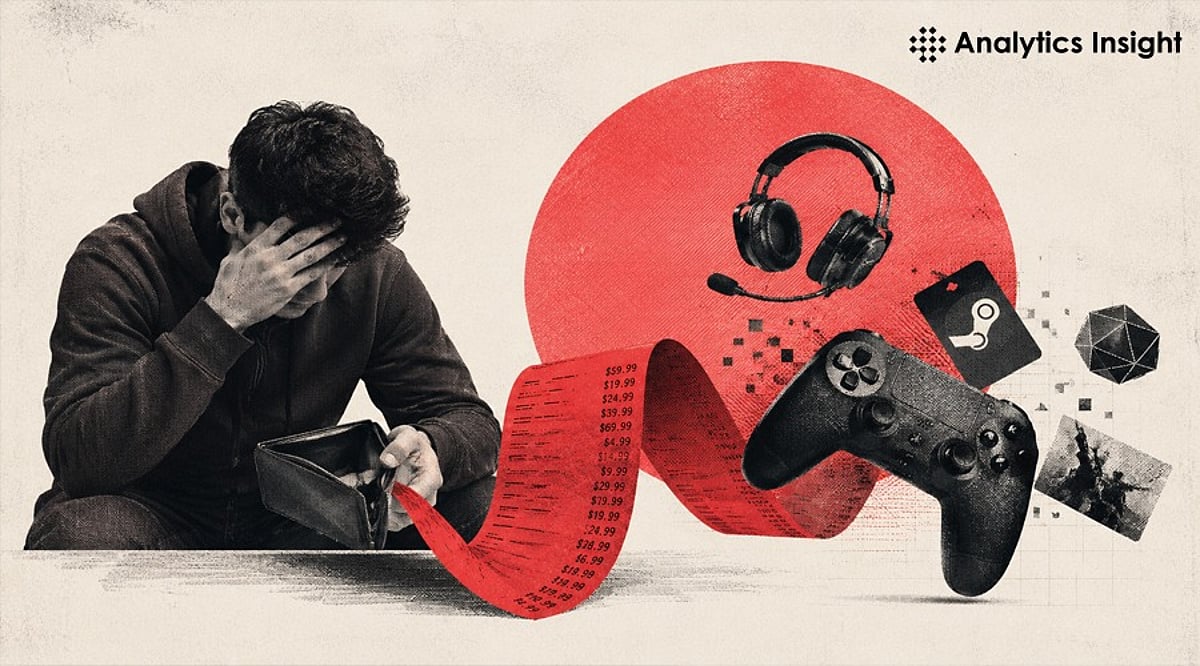
Video games keep improving year after year, bringing better graphics, larger worlds, and deeper stories. Yet alongside these advances comes a stark reality: gaming is becoming significantly more expensive. From game prices and consoles to subscriptions and microtransactions, the hobby many once considered accessible is now testing the budgets of players worldwide.
Rising Costs Across the Board
Not long ago, buying a new game on release day didn’t feel like a major financial decision. Today, the standard price for a major title has jumped from $60 to $70, with special editions often exceeding $100. The conversation around GTA 6 has amplified concerns—reports suggest the game could launch at around $80 in some markets, a move that could set a new benchmark for the industry. While Rockstar has yet to confirm final pricing, the speculation alone has many players worried.
Hardware costs are climbing too. PlayStation and Xbox consoles have become more expensive in many regions, and PC gamers face soaring prices for graphics cards and other components. Accessories such as extra controllers, storage upgrades, and headsets add further strain to a gamer’s wallet.
Subscriptions and In-Game Spending
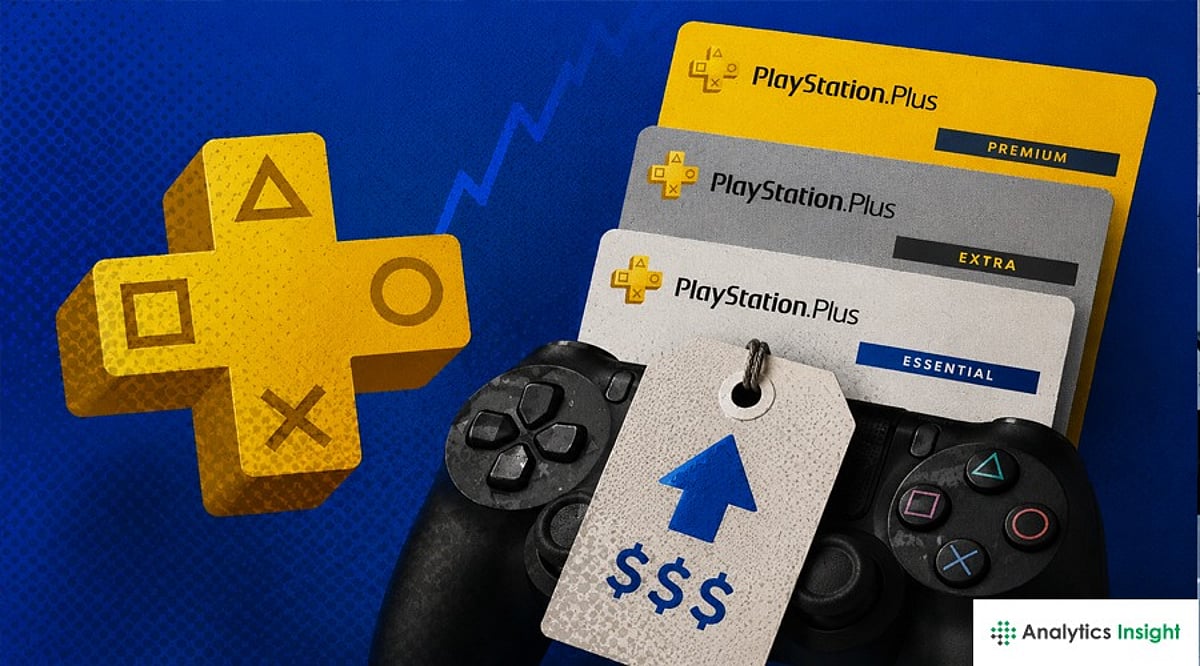
Services like PlayStation Plus and Xbox Game Pass have also increased their subscription fees. While they still offer extensive libraries, the value proposition is no longer as straightforward as it once was. Meanwhile, battle passes, paid skins, expansion packs, and other add-ons keep players spending long after the base game is purchased.
Are Players Pushing Back?
Some blockbuster titles will always sell well—fans of GTA, FIFA, Call of Duty, or The Elder Scrolls are often willing to pay full price. But for many other games, players are becoming more cautious. More people now wait for sales, choose older titles, or stick with free-to-play games. If prices continue to rise, a broader shift toward second-hand markets or subscription services could hurt both studios and players.
Gaming became a global phenomenon because it welcomed everyone—students, workers, families. If costs keep climbing, the hobby risks alienating those with limited budgets. The challenge for developers and publishers is to balance profitability with affordability.
What the Future Holds
Players won’t necessarily stop gaming, but they will become smarter spenders. Discounts, game libraries, and older titles with enduring value will likely see increased attention. For publishers, the priority should be delivering enough value that players feel their money is well spent. Trust is as important as profit.
Gaming has always been for everyone. The companies that find the right balance between quality, price, and player value will build loyal communities for years to come.
Frequently Asked Questions
Why are games more expensive today?
Modern games require larger teams, longer development times, and bigger budgets. These rising production costs have been passed on to consumers.
Will GTA 6 cost more than other games?
Reports suggest a potential launch price of around $80 in some markets, though Rockstar has not confirmed the final price for every region.
Why have gaming subscriptions become more expensive?
Companies have raised prices as they add more games and features while managing higher business costs.
Will higher prices affect gaming?
They already are. Many players now wait for sales, prefer older games, or choose free-to-play titles instead of buying every new release.
How can gamers save money?
Buying games during sales, using subscriptions strategically, and avoiding unnecessary in-game purchases can help reduce overall costs.