
Tag: gaming technology

  • Cloud Gaming Decoded: How Streaming Works and What’s Next

    Cloud Gaming Decoded: How Streaming Works and What’s Next

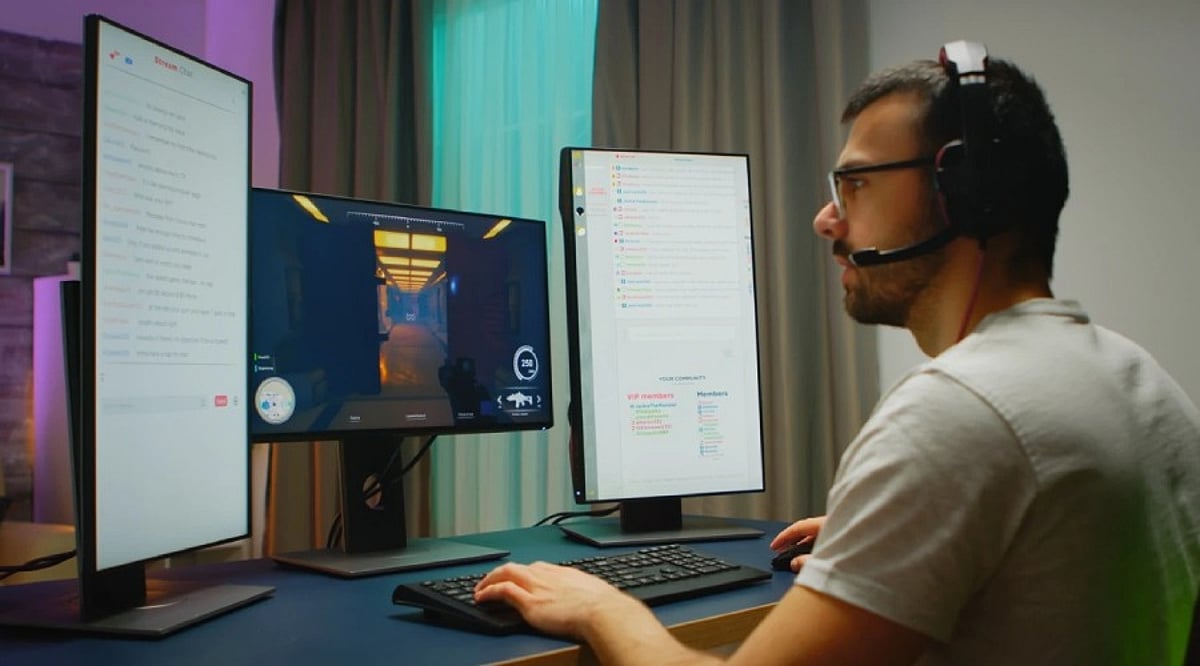
    Cloud gaming is transforming how players access video games, removing the need for expensive hardware and massive downloads. Instead of running a game locally on a PC or console, the game executes on remote servers, with the gameplay streamed directly to your device over the internet. All you need is a compatible screen and a stable connection—whether it’s a laptop, smartphone, tablet, or smart TV.

    How Cloud Gaming Works

    The process begins in a data centre, where powerful servers host the game. These machines handle all the heavy lifting—rendering graphics, processing physics, simulating lighting, and managing sound. Once the game is running, the server encodes the visual output into a video stream and sends it to your device. When you press a button, your command travels back to the server, which processes it and updates the stream accordingly. This entire loop repeats continuously while you play.

    Latency, or the delay between your input and the on‑screen response, is critical. A slow or unstable internet connection can introduce noticeable lag, making it difficult to react quickly in competitive games. For a smooth experience, NVIDIA recommends a delay under 80 milliseconds and a network speed of at least 25 Mbps for 1080p gaming at 60 frames per second. The physical distance to the server also matters—the closer you are, the faster your commands travel, which is why providers are expanding their data centre footprints globally.

    The Hardware Shift

    Cloud gaming fundamentally challenges the traditional notion that playing high‑end games requires a powerful local machine. A demanding AAA title can occupy over 100 GB of storage and demand a top‑tier graphics card—a cost barrier for many. With cloud gaming, the game lives in the cloud, so even a basic laptop can stream visually intensive experiences. This accessibility has sparked significant growth in the market, estimated at USD 3.4 billion in 2025 and projected to surge to USD 62.9 billion by 2033, with a compound annual growth rate of 43.7%.

    Key Players and Limitations

    Microsoft’s Xbox Cloud Gaming and NVIDIA’s GeForce NOW are the frontrunners, letting users stream games across a variety of devices. Xbox Cloud Gaming works on consoles, PCs, mobiles, and select smart TVs, while GeForce NOW focuses on PC titles, allowing subscribers to play on hardware they already own. Despite these advancements, cloud gaming isn’t without its challenges. A poor internet connection can degrade the experience, and for esports or latency‑sensitive games, even a few milliseconds of added delay can be a deal‑breaker for some players. Many gamers still prefer the stability and responsiveness of local hardware.

    What’s Next

    As broadband infrastructure improves and 5G becomes more widespread, cloud gaming is likely to evolve from a niche into a mainstream option. The technology won’t necessarily replace local gaming, but it offers a convenient alternative—one that lets you play the latest titles without upgrading your PC or console. The future will likely see a hybrid model, where players switch between local and cloud gaming depending on the game, their device, and their connection. With companies investing heavily in data centres and services, cloud gaming is poised to reshape how we think about access to games.

  • Why Live Casino Games Are Winning Over RNG Titles: Authenticity, Interaction, and Trust

    Why Live Casino Games Are Winning Over RNG Titles: Authenticity, Interaction, and Trust

    Online casino newcomers may only be familiar with digital slot machines and automated gaming tables, where random number generators (RNGs) dictate every outcome. While RNG titles remain staples of online casinos, a growing number of players are gravitating toward live dealer games. Thanks to advances in streaming technology, these games deliver an experience that closely mirrors the atmosphere of a real casino — without the commute.

    A More Authentic Casino Experience

    Many players seek live casino games for an authentic experience that doesn’t require visiting a brick-and-mortar venue. They can watch dealers shuffle cards in real time and chat with fellow participants via text or audio between rounds. These social features serve as a compelling substitute for the in-person interactions of a physical casino. While computer-generated animations from RNG titles can be entertaining, they lack the immersive feel that live games provide.

    Real Human Interaction

    Playing an RNG title can feel solitary due to its solo nature. In live casino streams, dealers greet participants, answer reasonable questions, and engage in light conversation while keeping the game moving. Some platforms even allow players to chat with the dealer via text or audio, and some let participants interact with each other during the livestream. This social dynamic makes live games a friendlier, more human experience. Exploring live options can reveal how these games create a more personable atmosphere. Congratulating a fellow player on a win or asking a rules-based question enhances overall engagement, and many players cite the social elements as a key reason they keep returning to virtual tables.

    More Transparency Builds Player Confidence

    RNGs operate on algorithms that ensure every blackjack hand or roulette spin yields a different outcome, but this electronic-driven feature leaves some players skeptical. Although RNG titles are regularly tested for accuracy, that doesn’t always quell doubts about fairness. Live casino games feel more transparent because players can see the dealer shuffling cards or spinning the roulette wheel in real time. This visibility builds confidence. Professional dealers follow strict fairness guidelines, and their accountability is evident through the live stream. Every shuffle, card hand, and wheel spin is visible on camera, allowing players to witness the action from start to finish. This firsthand transparency offers greater assurance than relying on independently tested software to generate outcomes.

    Slow, Relaxed Pace

    RNG titles cater to fast-paced gamers who want multiple blackjack hands or roulette spins in under five minutes — ideal for quick entertainment during a work break or a busy schedule. Live casino games, by contrast, are naturally slower because a dealer facilitates every action. Physical cards are dealt to virtual players, and roulette wheels take time to spin and display results. This relaxed tempo appeals to those who prefer a more leisurely gaming session.

    The Role of Mobile Technology in Live Casino Gaming

    Live casino games have become more accessible as most players now log in from mobile devices. Modern video streaming platforms deliver high-quality live experiences with responsive interfaces that let players place bets, chat with the dealer, and interact with participants without lag. Optimized streaming technology ensures a viable experience on the go, and improved internet speeds enhance player satisfaction from session to session. Switching between tables and customizing bets can be done with an instant tap, making live gaming convenient and enjoyable anywhere.

    The Best of Both Worlds

    Many casino gamers enjoy alternating between live experiences and RNG titles. Live casino games attract players who value realism and social interaction, offering an engaging alternative to the solo nature of RNG games. Whether you prefer the speed of automated play or the authenticity of a live dealer, the modern online casino landscape provides something for everyone.

  • How Reward-Based Platforms Are Making Online Gaming Accessible Every Day of the Year

    How Reward-Based Platforms Are Making Online Gaming Accessible Every Day of the Year

    Modern reward-based online gaming communities are leveraging cutting-edge technologies and flexible motivation programs to eliminate traditional economic and geographic barriers. These ecosystems operate continuously throughout the year, ensuring high-quality gaming content is available to players worldwide.

    The digital transformation has turned video games from a luxury requiring expensive hardware into a widely accessible activity. A key driver of this shift is the explosive growth of reward-based gaming platforms. Their innovative hybrid business models and cross-platform structures have redefined how people perceive and engage with online entertainment.

    Dismantling Financial Barriers in Digital Entertainment

    In the past, premium gaming demanded costly hardware and subscription fees. Reward-based systems have changed this by introducing digital assets that replace money with active participation. Players can earn premium tokens, in-game assets, or platform access through engagement. Mechanics like free kredit 365 provide perpetual equity, allowing users to experience premium levels without spending their own funds. This financial freedom makes gaming accessible to those who previously could not afford it.

    The Technological Architecture Enabling Universal Access

    Year-round, accessible gaming relies on a solid stack of cloud infrastructure and cross-platform compatibility. Modern ecosystems handle hardware fragmentation, ensuring the same game version runs smoothly on budget phones, tablets, and older PCs.

    • Cloud Infrastructure: Offloads rendering to remote servers, enabling low-end devices to display high-quality visuals.
    • Unified API Frameworks: Synchronize rewards, identity verification, and cross-progression data in real time across operating systems.
    • Adaptive Security Measures: Protect in-game economies and ensure reliable token distribution.
    • AI-Driven Accessibility Services: Dynamically adapt interfaces with audio descriptions, adjustable text scaling, and customized input profiles.

    Psychological Drivers and Engagement Mechanics

    Behavioral psychology principles, particularly variable positive reinforcement, sustain these reward-based ecosystems. Platforms create clear, achievable progression paths, transforming repetitive play into a motivating experience. Daily challenges, leaderboards, and milestone rewards engage the drive for achievement. These tangible or universal rewards encourage players to feel their time is valued, shifting passive consumption into active participation.

    Continuous Availability: Redefining the Entertainment Calendar

    Traditional entertainment distribution is limited by seasons, geography, and time zones. Cloud-based incentive platforms eliminate these constraints by running a continuous global schedule. Automated systems ensure 24/7 operations with matching algorithms, payout verification, and live support. This constant accessibility is crucial for gamers with irregular schedules across different time zones.

    Inclusive Design of Interfaces

    Accessibility goes beyond affordability—it encompasses physical, sensory, and cognitive needs. Reward systems now employ universal design principles from the start. Many platforms feature haptic feedback, color blindness filters, text scalability, and voice-activated menus, removing physical and visual barriers to gaming.

    Conclusion

    The transition to reward-oriented online architecture marks a major breakthrough in digital entertainment. By combining cloud technologies, adaptive interfaces, and intuitive entry points, these platforms have created an open, inclusive global ecosystem. Features like free kredit 365 maintain constant engagement without upfront financial hurdles. As these technologies mature, barriers between casual players and high-tier digital spaces will continue to fade, ensuring secure, rewarding, and accessible entertainment for everyone, every day of the year.