Tag: Garmin

  • Prime Big Deal Days 2026: 5 Verified Early Deals on Dyson, Garmin, Ninja & Roborock

    Prime Big Deal Days 2026: 5 Verified Early Deals on Dyson, Garmin, Ninja & Roborock

    Amazon’s Prime Big Deal Days 2026 is set for October 6–7, but early discounts are already rolling out on popular brands like Dyson, Garmin, Ninja, and Roborock. Not all deals are created equal, so we’ve sifted through the noise to highlight five products that offer genuine savings backed by price history and expert testing.

    How We Selected These Deals

    A discount badge alone doesn’t tell the full story. A high percentage off can still mean a higher price than the product’s typical selling point if the list price is inflated. That’s why we compared current prices against tracked price history from sources like TechRadar, Tom’s Guide, Gizmodo, NBC Select, and Windows Central. We also factored in independent reviews and testing. Only products that passed these checks made the list.

    The Five Standout Deals

    Prices are based on mid-September 2026 tracking and can change quickly during Prime Day. Always verify the final price at checkout.

    1. Garmin Vivoactive 6

    NBC Select tested a range of Garmin watches and named the Vivoactive 6 its top overall pick. It’s beginner-friendly yet covers a wide range of activities, unlike cheaper trackers. Battery life is rated up to 11 days, and it tracks sleep, stress, and daily energy via the Body Battery feature. At $50 off, the price matches its lowest tracked point—not a rare event, but a real saving nonetheless.

    2. Dyson V8 Plus

    The Dyson V8 Plus is a cordless stick vacuum with about 40 minutes of runtime. It works on multiple floor types, resists hair tangles, and converts into a handheld for furniture and cars. While it’s an older platform than Dyson’s current flagship, that’s why it can reach this price while newer models rarely drop as much.

    3. Ninja Creami Deluxe

    Tom’s Guide tested both the standard and Deluxe Creami and called the Deluxe a standout among ice cream makers. Pint containers slot directly into the outer jug for easy setup. The Deluxe adds settings for Italian ice and frozen coffee drinks, plus larger containers for making multiple treats at once—ideal for families.

    4. Roborock Q7 M5+

    This self-emptying robot vacuum offers 10,000Pa suction, a dual anti-tangle brush, and LiDAR navigation. The sealed dust bag lasts 7 to 9 weeks between changes. At $249.99, it’s well below many competitors, though features vary by model.

    5. Garmin Dash Cam Mini 3

    Windows Central reports this is the first time the Mini 3 has dropped below $100 on Amazon. It’s a compact 1080p camera with a 140-degree field of view and a built-in polarizing lens to reduce glare. Note: no microSD card is included, so factor that into your purchase.

    Reading the Discount, Not Just the Badge

    A percentage off means little without context. These five deals earned their spot through tracked pricing, discount depth, and testing history—not promotional language. That distinction matters more during a sale event than any single number on the page.

    Final Thought

    Prime Day discounts will continue to roll out in waves, and not every deal will hold up under scrutiny. The products worth buying are those with a price history to back them, not just a red banner. Happy shopping!

  • Garmin Cirqa Smart Ring Clears Regulatory Hurdles: 10 Model Variants Spotted in Filings

    Garmin Cirqa Smart Ring Clears Regulatory Hurdles: 10 Model Variants Spotted in Filings

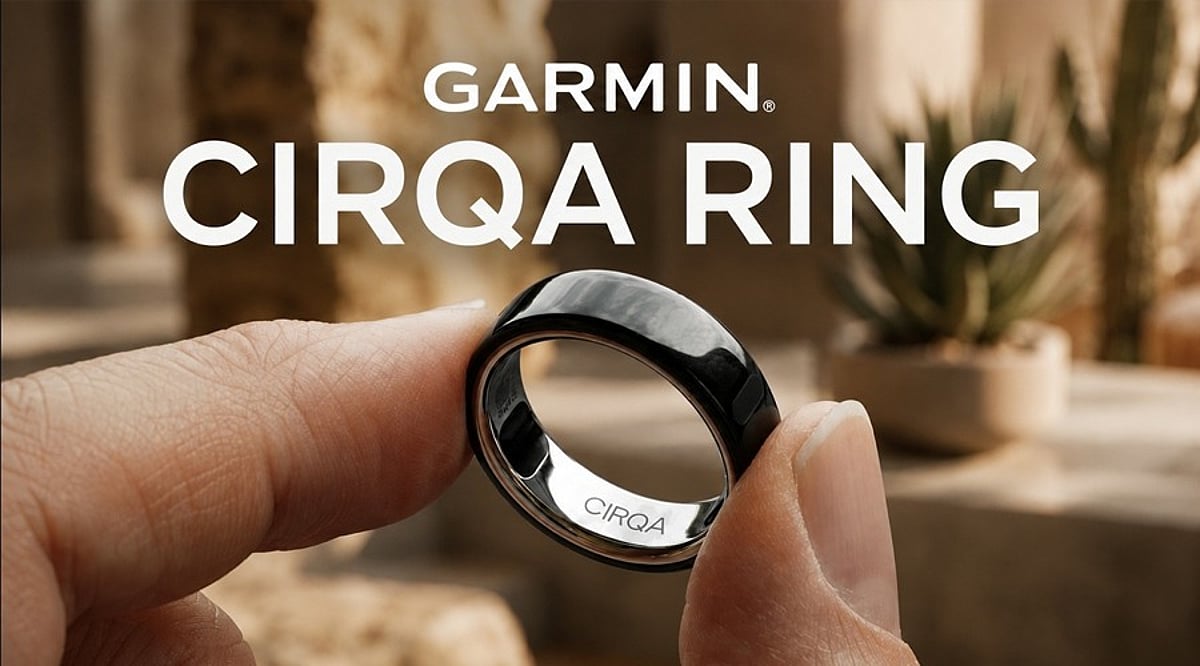
    Garmin appears to be moving closer to launching its first smart ring, with regulatory filings in Brazil and China revealing 10 model variants that may belong to the upcoming Cirqa Smart Ring lineup. While the company has not officially confirmed the product, the filings suggest a possible launch in late 2026 or at CES 2027, with an estimated price between $199 and $249.

    10 Model Variants Filed in Brazil

    Brazil’s National Telecommunications Agency (ANATEL) has certified 10 Garmin models under the same homologation on the same day. The model numbers are A05124, B05124, C05124, D05124, E05124, F05124, G05124, H05124, I05124, and AA5124. While the certification does not explicitly label these as smart rings, earlier regulatory records link the model family to the Cirqa name, leading analysts to believe these represent different ring sizes.

    Chinese Certification Adds to Evidence

    Four of the same models—C05124, E05124, G05124, and H05124—were also certified in China on September 1, 2026, with Garmin’s Taiwanese business registering them as Bluetooth devices. The filings offer few technical details and do not confirm sensors, battery, charging method, or health tracking features. Given the compact form factor of smart rings, Garmin would need to adapt its existing health-tracking technology to fit a smaller device.

    Pricing and Launch Window Speculation

    Previous reports estimate the Garmin Cirqa Smart Ring could cost between $199 and $249. However, official pricing remains unconfirmed, and it is not yet known whether all 10 models will reach the market as consumer versions. The recent certifications could support a launch in October or early November 2026, or alternatively at CES 2027 in Las Vegas. Regulatory approval often precedes product launches by months, so no timeline is definitive.

    Garmin already sells the Cirqa screen-free wrist tracker, introduced earlier in 2026, which gives the company a presence in the screen-free wearable category. A Cirqa smart ring would extend that product name into a smaller format, though Garmin has yet to confirm such a device.

  • Top 10 Smartwatches for Men in 2026: Best Picks for Fitness, Battery Life, and Style

    Top 10 Smartwatches for Men in 2026: Best Picks for Fitness, Battery Life, and Style

    Choosing the right smartwatch in 2026 can be overwhelming with hundreds of models spanning from under ₹1,000 to over ₹40,000. This guide breaks down the key factors for men: fitness tracking, battery life, and everyday style, helping you make a confident decision.

    What to Look for Before Buying

    Start with three questions: Which phone do you use? Apple Watch pairs only with iPhone; most others work with iOS and Android. How much battery life do you need? Some watches last a day, others weeks. Which health features matter? Heart rate, sleep monitoring, GPS, or SpO2? Today’s smartwatches go beyond step counts—many include ECG, stress tracking, and AI-based workout detection.

    Top Picks Across Every Budget

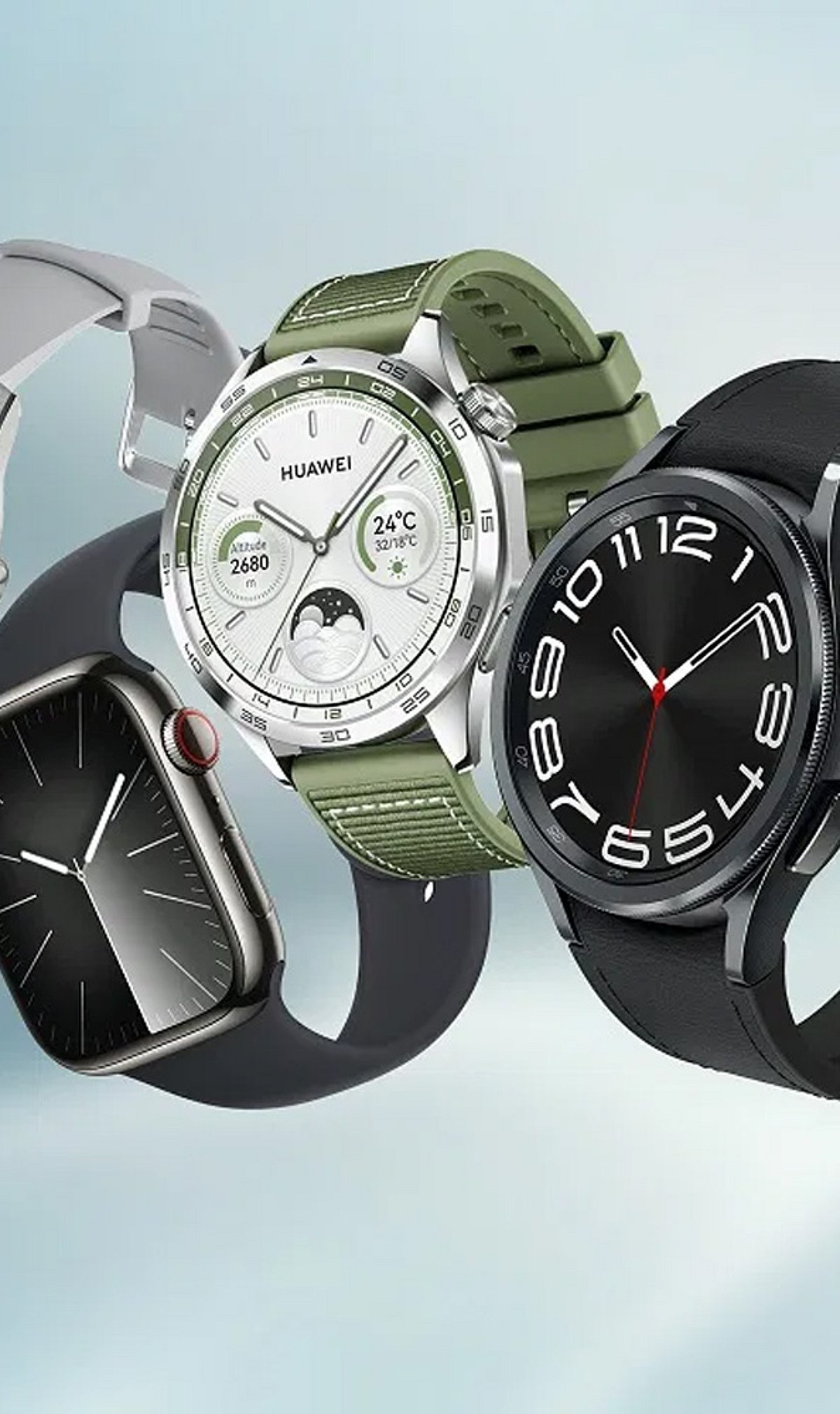
    For iPhone owners, the Apple Watch Series 11 leads with deep iOS integration and FDA-cleared health sensors. Android and Samsung users get the best experience with the Galaxy Watch 8 Classic, blending premium build and strong app support. Fitness enthusiasts lean toward Garmin (Forerunner 265, Venu 4) for accurate GPS and recovery data. Budget buyers find value in Amazfit and Noise, offering AMOLED displays, multi-day battery, and solid health tracking at a fraction of the cost.

    Best Smartwatches Under ₹10,000

    India’s mid-range segment now includes real GPS, Bluetooth calling, and AMOLED screens. The Noise Pro 6 Max features a 1.96-inch display with built-in GPS and up to seven days of battery. The boAt Valour Watch 1 offers a metal body and AI workout detection. The Amazfit GTR 3 Pro lasts nearly 12 days and includes over 150 sport modes.

    Samsung & Fossil: Style Approaches

    Samsung smartwatches lead Android with rotating bezels, stainless steel, and Wear OS—ideal for office wear. Fossil has stepped back from new smartwatch models after its Gen 6 line, focusing on hybrids. Existing Fossil owners will get support, but Samsung is a safer long-term bet.

    Battery Life & Fitness Tracking Compared

    Battery life varies widely: Apple and Samsung need daily charging; Garmin and Amazfit can run a week to nearly a month. For fitness accuracy, Garmin leads with VO2 max and training load data, while Apple excels in health integration for payments and workouts.

    Why This Matters

    A smartwatch is now a fitness coach, sleep tracker, and early warning system for irregular heart activity. Choosing wrong means poor battery or missing essential health features.

    Final Thoughts

    The best smartwatch for men in 2026 depends on priorities: premium ecosystem (Apple/Samsung), fitness-first (Garmin/Amazfit), or budget value (Noise/boAt).

    FAQs

    1. Which is the best smartwatch for men in 2026? Depends on needs: Apple/Samsung for premium, Garmin for fitness.
    2. Best under ₹10,000? Noise, boAt, Amazfit offer AMOLED, GPS, health tracking, and calling.
    3. Best battery life? Garmin and Amazfit generally last longer than Apple and Samsung.
    4. Best for fitness tracking? Garmin provides detailed GPS, training, and recovery features.
    5. Samsung or Apple Watch? iPhone users choose Apple; Android users, especially Samsung phone owners, benefit from Galaxy Watch.
  • Top Smartwatches in India 2026: A Comprehensive Guide

    Top Smartwatches in India 2026: A Comprehensive Guide

    Smartwatches have become essential companions for fitness enthusiasts, tech lovers, and everyday users alike. As we look ahead to 2026, the Indian market offers a diverse range of options, from premium flagships to budget-friendly models. Below is a curated list of the best smartwatches available in India in 2026, covering top-tier features, health tracking, and value for money.

    • Apple Watch Ultra 3: Premium titanium design, advanced health tracking, precise GPS, satellite connectivity, exceptional performance, and seamless integration with the Apple ecosystem.
    • Samsung Galaxy Watch 8: Excellent Wear OS experience, accurate sleep tracking, AI-powered health insights, smooth performance, and a premium AMOLED display for Android users.
    • OnePlus Watch 3: Flagship performance, long battery life, dual-chip architecture, accurate fitness tracking, and a premium design suitable for everyday use and fitness enthusiasts.
    • Google Pixel Watch 4: Refined Wear OS software, beautiful circular design, advanced Fitbit health features, reliable performance, and seamless integration with Pixel smartphones.
    • Garmin Forerunner 970: Built for serious athletes with advanced training metrics, multi-band GPS, endurance analytics, long battery life, and premium fitness capabilities.
    • Amazfit Active 3: Impressive battery life, comprehensive health monitoring, built-in GPS, lightweight design, and excellent value for fitness-focused buyers.
    • CMF Watch Pro 2: Stylish design, AMOLED display, accurate health tracking, Bluetooth calling, and outstanding value for budget-conscious buyers.
    • Noise ColorFit Pro 5: AMOLED display, Bluetooth calling, health monitoring, dependable battery backup, and affordable pricing for everyday users.
    • Redmi Watch 5 Active: Large display, essential fitness tracking, Bluetooth calling, dependable battery life, and exceptional affordability for first-time smartwatch buyers.

    Whether you prioritize advanced health metrics, long battery life, or a sleek design, there is a smartwatch on this list to meet your needs. Stay tuned for more updates on the latest gadgets and wearable technology.

  • Top Smartwatches Under Rs. 25,000: Style, Performance, and Battery Life Compared

    Top Smartwatches Under Rs. 25,000: Style, Performance, and Battery Life Compared

    Finding a good smartwatch under Rs. 25,000 is easier than ever. Whether you want Google apps, advanced fitness tracking, or long battery life, this price range has strong options across multiple platforms. Here are the models that stand out for different types of users.

    Smartwatches under Rs. 25,000 now offer a wide range of choices, from full Wear OS devices with Google apps to fitness-focused platforms that prioritize battery life and health tracking. Buyers can choose between productivity features, advanced sports tracking, premium AMOLED displays, long battery life, or stylish everyday designs based on their needs instead of settling for one-size-fits-all devices. Models from Samsung, OnePlus, Garmin, Amazfit, Titan, and Noise each balance software, performance, battery life, and design differently, making the platform and intended use more important than specifications alone.

    Before You Buy

    Start with what matters most. Anyone who wants Google apps, Play Store access, and full notifications should go with Wear OS, though it means charging more often. Garmin and Zepp OS trade a smaller app selection for longer battery life and stronger fitness tracking. Titan and Noise keep prices low by skipping built-in GPS and app stores, which makes them a better fit for everyday use than for serious training. iPhone owners should note that most Wear OS watches work best on Android, and some features may not work as well on iOS.

    Samsung Galaxy Watch FE

    The Galaxy Watch FE is the easiest way into Wear OS at this price. It runs the full platform with a 1.2-inch Super AMOLED screen, NFC for tap-to-pay, and regular Wi-Fi and Bluetooth. The catch is battery life — expect about a day of use, not the multi-day numbers that cheaper watches claim. It sells for around Rs. 12,999, roughly half its launch price.

    Best for: Samsung phone owners who want the full software experience without paying flagship prices.

    OnePlus Watch 2R

    The Watch 2R addresses Wear OS’s battery issue with smarter hardware. A Snapdragon W5 chip runs the main system, while a second, smaller chip handles step counts and heart rate in the background, only waking the full system when needed. This is how it reaches up to 100 hours in Smart Mode and 12 days in Power Saver Mode. It has a 1.43-inch AMOLED display, GPS built for sharper outdoor tracking, and fast charging that fills the battery in about an hour. It’s priced near Rs. 17,999, often lower during sales.

    Best for: Android users who want Wear OS without charging it every single night.

    Garmin Vivoactive 5

    The Vivoactive 5 skips Wear OS altogether, and that’s exactly why it lasts 11 days on a charge while still having a decent AMOLED screen. Its sensor feeds Garmin’s health tools: energy tracking, sleep stages, stress scores, and over 30 sports apps with real GPS, not phone guesswork. It also supports Garmin Pay, though not many Indian banks are on board yet. Price ranges from Rs. 18,999 to Rs. 24,990 depending on the color.

    Best for: Runners and swimmers who want real training data and don’t need a big app store.

    Amazfit Balance 2

    The Balance 2 skips Wear OS too, running its own software built for the outdoors. It has a bright sapphire display, water resistance rated for diving down to 45 meters, and offline maps for over 40,000 golf courses. Battery life reaches 21 days. Next to the Vivoactive 5, it leans more into outdoor and adventure use, while Garmin still wins on training detail. Price sits close to Rs. 24,999.

    Best for: Divers, golfers, and anyone who wants a rugged outdoor watch, not just a notification screen.

    Titan Smart 3

    The Smart 3 drops GPS and app support to keep the price low, and it still feels solid. It has an always-on AMOLED screen, calling support, over 110 sports modes tracked through your phone, and fast charging that adds a day of battery in ten minutes. The price runs from Rs. 5,000 to Rs. 12,000.

    Best for: First-time buyers who want AMOLED and calling without the Wear OS price tag.

    NoiseFit Halo 3

    The Halo 3 goes for looks over specs, shaped like a classic dress watch with metal, leather, and silicone strap options. Its best feature is Noise AI Pro, which handles voice notes, daily briefings, and QR tickets. Like the Titan, it skips GPS and apps. Price ranges from Rs. 4,499 to Rs. 7,999.

    Best for: Buyers who want a watch that looks traditional first, smart second.

    How They Compare

    Matching the Watch to the Buyer: Anyone on Android who wants Google apps and full notifications gets the most out of Samsung. If daily charging is a dealbreaker but Wear OS still matters, OnePlus is the better pick. Runners and swimmers who care about training data more than apps will find Garmin’s battery and sensor accuracy hard to beat. Divers, golfers, and anyone who spends time outdoors get more from Amazfit’s offline maps and dive certification. Budget-conscious first-time buyers get AMOLED and calling from Titan without paying Wear OS prices, and anyone who cares about looks over specs will find Noise’s dress watch design and AI features a rare combination at this price.

    Software support tends to follow the same lines. Samsung and OnePlus, running Wear OS, usually get clearer update commitments over time. Titan and Noise, on the other hand, typically ship with a fixed set of features and get maintenance updates rather than real upgrades. This gap matters more the longer someone plans to keep the watch.

    Final Thought

    Three years ago, a smartwatch under Rs. 25,000 meant picking one flaw to live with: bad battery, weak software, or a design that looked like every other watch on the shelf. Now it means choosing which trade-off works for you. This shift says more about how far this market has come than any single watch on this list.

    FAQs

    1. Which is the best smartwatch under Rs. 25,000 in India? The best smartwatch depends on your needs. Samsung Galaxy Watch FE is ideal for Wear OS users. OnePlus Watch 2R offers excellent battery life with Wear OS, while the Garmin Vivoactive 5 is better for fitness tracking.
    2. Is Wear OS better than Garmin OS or Zepp OS? Wear OS offers Google apps, Play Store access, and richer smartwatch features. Garmin OS and Zepp OS focus more on battery life, health tracking, and sports performance than third-party apps.
    3. Which smartwatch under Rs. 25,000 offers the longest battery life? Among these options, the Amazfit Balance 2 offers up to 21 days of battery life. The Garmin Vivoactive 5 lasts up to 11 days, while the OnePlus Watch 2R can deliver up to 12 days in Power Saver Mode.
    4. Are smartwatches under Rs. 25,000 compatible with iPhones? Most smartwatches support iPhones, but Wear OS models typically provide the best experience with Android devices. Some features, such as replies to notifications and certain apps, may be limited on iOS.
    5. What should I consider before buying a smartwatch under Rs. 25,000? Choose based on your priorities. Wear OS is best for productivity and Google apps. Garmin and Amazfit suit fitness enthusiasts with longer battery life, while Titan and Noise are ideal for everyday use with essential smartwatch features at lower prices.

  • Best Fitness Trackers for Runners and Cyclists: Expert Picks for Every Athlete in 2026

    Best Fitness Trackers for Runners and Cyclists: Expert Picks for Every Athlete in 2026

    Fitness trackers have evolved from simple step counters into powerful health and training companions. Today’s devices monitor heart rate, sleep, stress, recovery, workouts, and even provide AI-powered insights to help users improve their overall fitness. Whether you are just starting a fitness journey or training for a marathon, a good fitness tracker can help you stay on track and make informed health decisions.

    Finding the right fitness tracker, though, has become even more difficult as wearables offer features such as training readiness, recovery, accurate GPS navigation, battery efficiency, and AI recommendations. This makes it necessary to select a product based on individual needs rather than the most expensive choice.

    What Makes a Great Fitness Tracker?

    The ideal fitness trackers provide accurate information while being simple to use. The importance of accuracy, comfort, and battery life outweighs the number of unused features.

    The following characteristics are worth considering before buying a fitness tracker:

    • Inbuilt GPS with accurate route tracking
    • Heart rate monitor that provides reliable data
    • High battery life
    • Water resistance for outdoor usage
    • Workout modes for running and cycling
    • Ability to analyze recovery and sleep
    • Compatibility with fitness applications such as Strava
    • Comfortable design for wearing all day

    Some high-end watches have other features, including offline maps, dual-frequency GPS, an ECG monitor, and advanced training metrics.

    Best Fitness Trackers for Running and Cycling

    Garmin Sets the Benchmark

    Garmin is still leading in fitness tracking. For example, the new Forerunner collection is one of the best options for those who plan to run half marathons, marathons, and even trail races. It provides in-depth information about pace, cadence, recovery, VO2 Max, and training readiness.

    Garmin Fenix 8 is designed for those people who spend their time on road running, mountain biking, hiking, and adventures in the wild. Its features include offline maps, precise navigation, and a durable design. Garmin’s ecosystem is commendable. The app, Garmin Connect, provides in-depth reports, and many professionals use it for training monitoring.

    Coros Delivers Premium Performance

    Coros devices are gaining popularity among athletes because the company prioritizes battery efficiency and GPS accuracy over other smart functions. Coros Pace Pro offers an efficient battery life and precise running data without being as heavy as many high-end sports watches.

    Cyclists appreciate the exact altitude measurement and compatibility with cycling gear. Coros is an excellent choice for sports enthusiasts who prioritize performance over notifications.

    Apple and Samsung Narrow the Gap

    Smartwatches are also efficient fitness devices. Apple Watch Ultra 2 features sophisticated health analytics and precise GPS, along with other safety tools and compatibility with the ecosystem’s services. It is especially suitable for those individuals who need a single gadget for fitness, communication, and efficiency.

    Samsung Galaxy Watch Ultra offers these capabilities to Android users. The company has made significant advances in the health application by providing more sophisticated sleep analysis, body composition monitoring, and wellness tips generated via artificial intelligence. Additionally, battery life favors dedicated sports watches.

    Budget Buyers Have Better Options

    Amazfit Balance offers a great GPS, decent battery life, and excellent fitness tracking at an affordable price. The user interface has been upgraded from previous versions and is now much easier to use for novices.

    Fitbit Charge 6 is still popular among novices who prefer lightweight wearable devices that track everyday activities, sleep, and heart rate but do not provide sophisticated data for athletes.

    Features that Matter

    Fitness tracking has moved beyond counting steps. Buyers should pay attention to features that genuinely improve training.

    The most useful additions include:

    • Dual-frequency GPS for better location accuracy
    • AI-powered training recommendations
    • Heart rate variability monitoring
    • Recovery scores
    • Sleep coaching
    • Offline navigation
    • Automatic workout detection
    • Cycling power meter compatibility
    • Fall detection and emergency alerts

    Many manufacturers now update these features through software, allowing devices to improve even after purchase.

    Which Tracker Should You Buy?

    The choice depends on how you plan to train, not on the brand’s popularity. Choose Garmin Forerunner 970 if running and tracking all metrics carefully are the main goals. Garmin Fenix 8 would be the right choice for running, biking, hiking, or any other outdoor activity. Coros Pace Pro stands out as one of the most balanced watches in terms of price, battery life, and training capabilities.

    Apple Watch Ultra 2 can suit iPhone owners who are interested in both a smartwatch and accurate workout tracking. Samsung Galaxy Watch Ultra is another great watch for Android users who want both health analytics and smartwatch features. Budget-conscious buyers may find the Amazfit Balance and the Fitbit Charge 6 more suitable for everyday fitness goals.

    Final Thoughts

    Fitness tracking gadgets have become smart training assistants. They can now help you monitor your recovery, analyze performance, and make informed training decisions based on real-time health data.

    The most effective device is not always the most expensive one, but the one that matches your lifestyle and needs and provides relevant stats. If you are preparing for your first 10K or training for the marathon, then fitness trackers give you more precise analysis than ever before.

    FAQ’s

    1. Which is the best fitness tracker for running?
      The Garmin Forerunner 970 is widely considered one of the best running fitness trackers. It offers dual-frequency GPS, advanced training readiness, recovery insights, VO₂ Max tracking, and detailed performance analytics for runners of all levels.
    2. Are AI-powered fitness trackers worth buying?
      Yes. Modern AI-powered fitness trackers analyze sleep, heart rate variability (HRV), recovery, and workout history to provide personalized training recommendations. These insights help users train more effectively while reducing the risk of overtraining and injury.
    3. Which fitness tracker has the longest battery life?
      Among leading wearables, the Garmin Fenix 8 and Coros Pace Pro offer some of the longest battery life. Depending on usage and GPS settings, they can last for several weeks, making them ideal for endurance athletes and outdoor adventures.
    4. Can fitness trackers accurately monitor health and recovery?
      Today’s premium fitness trackers provide highly accurate heart rate monitoring, sleep analysis, HRV tracking, and recovery scores. While they are valuable wellness tools, they should support, not replace, professional medical advice or clinical health assessments.
    5. What should I look for when buying a fitness tracker?
      Prioritize features that match your fitness goals, including accurate GPS, heart rate monitoring, battery life, sleep and recovery tracking, AI-powered coaching, water resistance, and compatibility with platforms like Strava or Apple Health for seamless data syncing.