

Tag: GEO

  • Why CMOs Must Rethink Marketing for Generative and Agentic AI Search

    Why CMOs Must Rethink Marketing for Generative and Agentic AI Search

    AI-powered search is fundamentally transforming how consumers discover, compare, and evaluate brands online. Chief marketing officers (CMOs) are now moving beyond traditional SEO to embrace generative and agentic search strategies that prioritize brand authority, accuracy, and visibility across AI-driven customer journeys.

    According to Boston Consulting Group’s 2026 global survey of 300 CMOs, 96% reported that AI is driving an end-to-end transformation of their marketing function. However, only 8% said they are running campaigns where multiple AI agents operate autonomously. The vast majority—42%—still use generative AI primarily to assist humans with individual tasks in limited workflows.

    How AI Is Reshaping Brand Discovery

    BCG found that 90% of surveyed CMOs agree that generative AI is already changing how consumers discover and evaluate brands. AI assistants and recommendation engines now interpret queries, summarize information, and present options before a user ever visits a brand’s website. This shift means brands no longer have full control over their presentation during the discovery phase. If an AI system fails to surface a product or service, the brand can lose visibility despite strong conventional search rankings or significant media spend.

    The impact extends to the traditional customer funnel. BCG reports that 91% of B2C CMOs and 76% of B2B CMOs say AI-moderated, no-click discovery is reshaping their already nonlinear funnels.

    From SEO to AI Search Optimization

    While traditional search engine optimization remains relevant, marketers are increasingly investing in Answer Engine Optimization (AEO) and Generative Engine Optimization (GEO). The goal is no longer just to rank webpages but to ensure AI systems can accurately understand and surface information about a company, product, or service.

    This requires clear, authoritative, context-rich content, reliable product data, and a consistent presence across digital platforms. BCG describes agentic engine optimization as an emerging discipline alongside search and paid-media optimization.

    CMOs now need broader visibility metrics. Website traffic and keyword rankings remain important, but they must also track how often their brands are mentioned, recommended, or represented in AI-generated answers. Platforms like Writer.com that handle AEO and GEO optimization are beginning to address this need by monitoring brand mentions across AI search engines such as ChatGPT, Claude, and Perplexity, identifying content gaps, and generating on-brand content that AI systems can understand.

    Agentic Search Takes the Shift Further

    Generative search changes how consumers receive information; agentic AI goes further by helping consumers evaluate options, make decisions, and complete actions. BCG describes this as the emergence of agentic commerce, where AI agents become active participants in the customer journey from intent to purchase. Consumers give AI systems goals, preferences, and requirements rather than typing short keyword searches.

    BCG also notes that Google’s AI Mode data shows queries are now three times longer than traditional searches, with decision-oriented phrases like “which one” and “which of” among the fastest-growing types. This means AI systems can become a powerful intermediary between brands and customers, influencing which products are considered before any direct brand interaction.

    CMOs Face a New Operating Model

    The transformation is also changing marketing leaders’ responsibilities. Roughly half of surveyed CMOs reported that marketing now leads AI investment decisions within their functions, while 94% said CEO expectations of marketing have increased significantly over the past two years. Investment is rising accordingly: 43% of CMOs said their companies’ AI investments in marketing exceeded USD 15 million this year, up from 28% last year.

    Technology alone isn’t enough. About 80% of CMOs reported significant investments in AI-specific upskilling, and a similar proportion added responsible AI and ethics training.

    Brand Reputation Becomes More Visible

    AI-mediated discovery places greater importance on the consistency between what brands promise and what customers experience. AI systems aggregate reviews, complaints, service interactions, and other information when evaluating brands. Marketers must therefore consider not just campaigns and messaging but also customer experience, product performance, and public information that can influence AI representation.

    The emerging AI-search environment does not replace traditional SEO; it expands the scope of digital visibility. The bigger challenge for CMOs is ensuring brands can be discovered, accurately represented, and meaningfully evaluated across both conventional search and AI-mediated customer journeys.

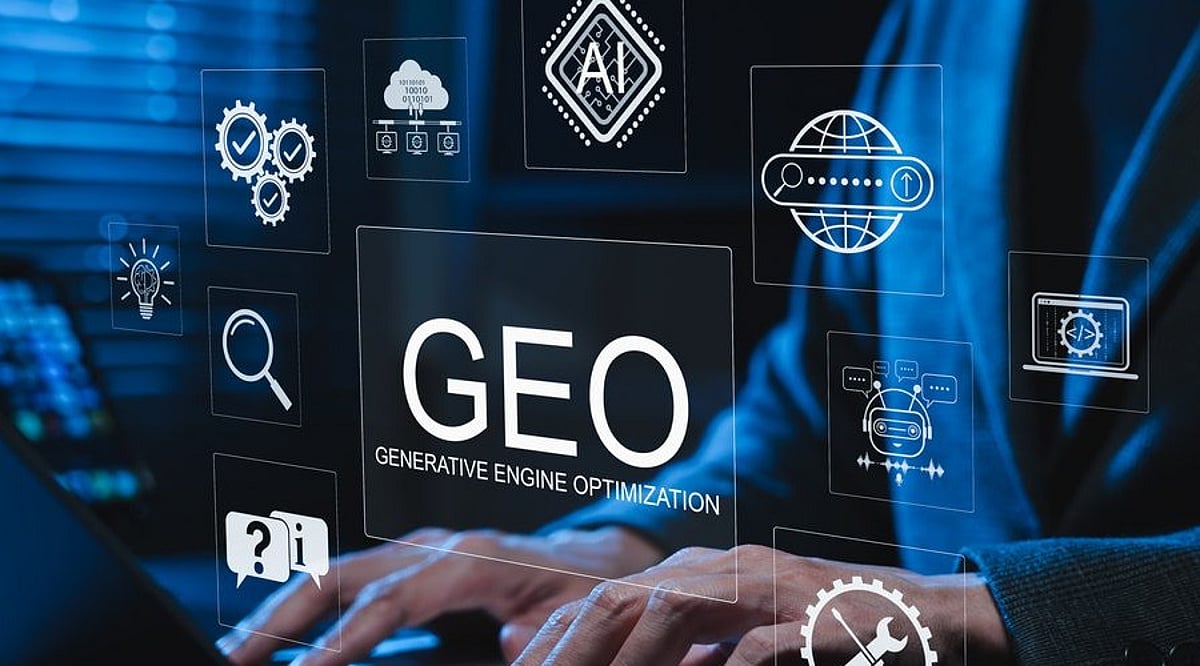
  • 5 Must-Track AI Visibility Platforms for Generative Engine Optimization in 2026

    5 Must-Track AI Visibility Platforms for Generative Engine Optimization in 2026

    As more searches happen inside AI assistants, traditional SEO metrics no longer tell the full story. Generative Engine Optimization (GEO) helps brands stay visible in AI-generated answers, citations, and recommendations. Here are five AI visibility platforms worth watching in 2026 to support your GEO strategy.

    Profound

    Profound focuses on tracking how brands appear across AI-generated answers and citations. It offers visibility into prompts, mentions, and competitive presence across supported AI engines. Its enterprise positioning makes it a strong fit for organizations managing large-scale GEO programs and multiple brands.

    Ahrefs Brand Radar

    Ahrefs brings AI visibility into an established SEO ecosystem through Brand Radar. This tool helps marketers understand how brands appear in AI-generated search experiences while connecting those insights with broader SEO data. It is especially useful for teams already working extensively with Ahrefs.

    Peec AI

    Peec AI is built specifically around AI-search visibility and GEO monitoring. It tracks brand mentions across several generative engines and provides reporting designed for marketers and agencies. Its main appeal is its intense focus on AI-search performance rather than traditional search rankings alone.

    Scrunch AI

    Scrunch AI focuses on answer-engine optimization and AI visibility monitoring. It tracks how brands are represented across multiple AI platforms and can surface competitive differences. Its broad engine coverage makes it useful for teams wanting a wider view of generative search performance.

    Semrush AI Visibility Toolkit

    Semrush adds AI visibility capabilities to its broader digital-marketing platform. The toolkit helps monitor brand presence in AI-generated responses and connects those findings with familiar SEO workflows. For existing Semrush users, the integration makes GEO monitoring easier to incorporate into everyday marketing operations.

    What Should Marketers Track?

    AI visibility is more than counting mentions. Teams should monitor several factors to get a full picture:

    • Citations
    • Sentiment
    • Competitors
    • Prompts
    • Engine coverage
    • Changes over time

    Platform capabilities vary significantly, so marketers should compare the engines tracked, prompt limits, reporting depth, and integrations before choosing a solution.

  • Generative Engine Optimization (GEO): How AI Retrieval Is Reshaping Digital Visibility

    Generative Engine Optimization (GEO): How AI Retrieval Is Reshaping Digital Visibility

    Generative Engine Optimization (GEO) is rapidly becoming a cornerstone of modern digital marketing. Unlike traditional SEO, which aims for top positions in search engine results, GEO focuses on ensuring brands appear within AI-generated answers from platforms like ChatGPT, Google AI Overviews, Gemini, Claude, Copilot, and Perplexity. This shift is fundamentally changing how users discover products, services, and information online.

    How LLM Retrieval Works

    Modern large language models (LLMs) no longer rely solely on keyword matching. Instead, they follow a retrieval process that begins with user intent. The system searches trusted sources, collects relevant documents, compares each source for quality, and selects only a small set of passages. The language model then generates a natural answer supported by those selected sources. This “retrieve, rerank, and generate” pipeline leaves little room for weak or poorly structured content. Content that never reaches the first retrieval stage cannot appear in the final response, no matter how detailed it looks.

    Retrieval Changes Redefine Visibility

    Older search engines scanned billions of indexed pages before displaying ranked links. AI search systems work with a much smaller retrieval window. Most platforms collect only dozens or a few hundred candidate documents for each query. A reranking model then checks relevance, authority, freshness, and trust before the language model builds the final response. This process raises the value of semantic relevance, clear entities, and factual accuracy. No single tactic guarantees success across every AI platform.

    Latest Numbers Show Rapid Growth

    The move toward AI search continues at a fast pace. Google AI Overviews now reach more than 2.5 billion monthly users, while ChatGPT serves around one billion weekly users. AI assistants now answer a large share of online questions before visitors open traditional search results. This pattern creates more zero-click searches and fewer direct website visits. Several studies also report that AI referral traffic has grown sharply, even as click-through rates from traditional search continue to decline.

    Research Explains What AI Prefers

    Academic research offers valuable insight into successful GEO strategies. The original GEO study found that content with statistics, quotations, citations, and reliable references achieved visibility gains of up to 40 percent within controlled experiments. A larger review of 45 GEO studies, published in July 2026, reached another important conclusion: content structure, topical relevance, and strong context placement deliver more reliable results than generic optimization tricks. Researchers also noted that AI platforms often produce different answers for the same question, making continuous evaluation essential.

    Content Quality Carries More Weight

    High-quality content now plays a larger role than keyword repetition. AI systems understand topics, relationships, and entities instead of isolated phrases. Clear headings, direct answers, well-organized sections, trusted statistics, and accurate citations help retrieval systems understand each page with greater confidence. Independent publications and respected news outlets also strengthen authority. Many AI systems trust third-party validation more than promotional claims from company websites.

    New Metrics Replace Traditional SEO Goals

    Traditional SEO measures rankings, impressions, and click-through rates. GEO introduces a different set of performance indicators. Companies now monitor AI citation frequency, brand mentions inside AI responses, share of voice across multiple AI platforms, AI referral traffic, and answer inclusion rates. Several software platforms already provide dashboards that measure AI visibility instead of keyword rankings. Industry reviews highlight tools from HubSpot, Semrush, Ahrefs, Surfer, Mentions, and Scrunch as leading options for brands that want detailed insight into AI search performance.

    Why This Matters

    For companies seeking good visibility in the AI-driven search space, Generative Engine Optimization has become indispensable. Nowadays, people use large language models to find data, assess services, and make decisions. Companies that implement an effective GEO strategy are more likely to get their names mentioned and highlighted in search results.

    The Future of AI Visibility

    Generative Engine Optimization has moved far beyond a marketing trend. It now represents a major change in online discovery. Search no longer ends with a ranked list of blue links. AI assistants now collect information, evaluate trust, select the strongest evidence, and present complete answers in seconds. Every stage of this retrieval process shapes brand visibility. Organizations that publish original research, maintain accurate entity information, present clear facts, and earn recognition from trusted third-party sources stand in a stronger position for future AI search.

    Frequently Asked Questions

    1. What is Generative Engine Optimization (GEO)? GEO is the practice of optimizing content so AI platforms like ChatGPT, Google AI Overviews, Gemini, Claude, Copilot, and Perplexity are more likely to retrieve, cite, and reference it in generated answers.
    2. How is GEO different from traditional SEO? SEO focuses on improving rankings in search engine results pages, while GEO aims to increase visibility within AI-generated responses by emphasizing authority, relevance, and factual accuracy.
    3. What type of content performs best for GEO? Content with clear structure, reliable statistics, credible citations, expert insights, strong entity information, and up-to-date facts has a higher likelihood of being retrieved and cited.
    4. Which metrics are important for measuring GEO success? Key metrics include AI citation frequency, brand mentions in AI responses, AI referral traffic, answer inclusion rate, and share of voice across AI platforms.
    5. Why is GEO becoming important for businesses? As more users rely on AI assistants for information and purchasing decisions, brands with strong GEO strategies are more likely to gain visibility, credibility, and qualified traffic.
  • AI Brand Recommendations in 2026: How to Get Your Brand Recommended by AI Assistants

    AI Brand Recommendations in 2026: How to Get Your Brand Recommended by AI Assistants

    AI assistants are changing how people discover brands in 2026. Instead of browsing search results, many users ask AI for recommendations and trust the answers they receive. Brands that build credibility, clarity, and authority are far more likely to be recommended.

    Overview

    • AI search now decides discovery: zero-click queries make up close to 60 percent of Google searches, and AI Overviews cut click-through on top results by roughly 58 percent.
    • AI models cite third-party sources far more than brand-owned pages, so entity authority across Wikipedia, Reddit, and review platforms matters more than your homepage copy.
    • Winning requires mapping the questions buyers actually ask AI, structuring content for extraction, and tracking your citations the way you once tracked rankings.

    Search engine results pages were once the main focus of almost every brand while competing for attention. Now, the competition has shifted to AI-generated answers. Millions of people ask ChatGPT, Gemini, Perplexity, and AI Overviews the same kinds of questions every day: ‘Which product, service, or company should I pick?’ These LLMs rarely come up with ten blue links to sort through. They name a handful of brands, sometimes just one, and they say it with confidence. This is the shift reshaping how discovery works.

    Zero-click searches already make up close to 60 percent of Google queries. When an AI Overview appears, clicks to the top organic result can drop by about 58 percent. So the brands AI chooses to name are fast becoming the brands people actually remember, trust, and buy from.

    How AI Actually Picks a Brand

    AI assistants don’t rank webpages the way search engines used to. They synthesize information from search indexes, trusted publications, forums, reviews, and structured knowledge sources before generating a recommendation. Brands that come across as credible across the wider web are the ones most likely to turn up in AI-generated answers. A company’s own website is just one signal in that mix, not the deciding one.

    The evidence backs this up. An Ahrefs analysis of 78.6 million AI Overview, ChatGPT, and Perplexity prompts found that Wikipedia is the most cited source across all three platforms, with YouTube and Reddit also appearing prominently depending on the system. Separate industry research puts it plainly: brands are cited by third-party sources about 6.5 times more often than on their own websites.

    The takeaway is simple. AI rewards corroboration, not self-promotion. Independent validation from sources it already trusts carries far more weight than anything a brand says about itself on its own homepage.

    Mapping the Questions that Matter

    Effective visibility work starts with prompts, not keywords. AI visibility begins with understanding the questions buyers actually ask: best options for a specific use case, comparisons between named alternatives, and budget- or location-specific asks. Grouping these by intent and by platform matters, since ChatGPT, Gemini, and Perplexity often surface different sources for the same question. That list becomes the foundation for everything published afterward.

    Structuring Content So AI Can Use It

    The core answer belongs in the first sentence, not the third paragraph. Research on ChatGPT citations found that 44.2 percent of them come from the first 30 percent of an article, so the strongest, most factual statement needs to sit near the top.

    Clear headings, direct FAQ answers, and schema markup for organization, product, and FAQ types all help. Marketing language works against this goal. AI models extract short, factual, well-attributed statements, and buried claims get skipped in favor of a competitor stating the same fact plainly.

    Earning Authority Through Corroboration

    Traditional SEO rewarded links. AI search rewards corroboration instead. A brand mentioned consistently across trusted sources becomes easier for AI to verify than one relying on backlinks alone.

    That means an accurate Wikipedia entry where one is warranted, genuine participation on Reddit and Quora, consistent directory listings, and coverage in publications that AI considers reliable.

    Adobe’s own LLM Optimizer documentation states plainly that these models prioritize content relevance and brand presence over raw backlink counts, a detail that reshapes what counts as a strong signal in 2026.

    Machines also need a clean structure to read anything at all. Semantic HTML, fast load times, an accessible sitemap, and structured data form the technical floor beneath every other effort. Confirming that robots.txt allows known AI crawlers and checking how a page renders with JavaScript disabled catches problems before they reduce visibility.

    Tracking Citations, Not Just Rankings

    Once a visibility tool like Adobe LLM Optimizer is in place, track shifts in mentions, citations, sentiment, and share of voice relative to competitors. Industry visibility research puts the overlap figure at only around 7.2 percent of domains appearing in both Google AI Overviews and chatbot results, meaning visibility on one platform offers no guarantee of visibility on another.

    Running the same prompts monthly across ChatGPT, Gemini, and Perplexity, and noting which sources are cited, turns those sources into the next round of outreach targets. Movement here happens over weeks, so consistency in tracking outweighs any single fix.

    Why This Matters

    AI is becoming the first stop for buying decisions. If your brand isn’t recommended in AI-generated answers, you risk losing visibility, trust, and customers before they ever reach your website.

    Final Thoughts

    The brands that will succeed with AI recommendations in the near future will not be the loudest on their own platforms. They will be the ones whose facts hold up everywhere else, verified independently, again and again, until the machines have no reason to doubt them.

    Frequently Asked Questions

    1. How can I make AI recommend my brand in 2026? To improve the chances of AI recommending your brand, create authoritative content, implement structured data, build strong entity authority, earn credible third-party mentions, and optimize your website using AEO and GEO best practices.
    2. Is traditional SEO enough to improve AI recommendations? No. Traditional SEO remains important, but AI assistants also evaluate content quality, entity recognition, third-party credibility, structured data, and consistent brand information across multiple trusted sources.
    3. What is Answer Engine Optimization (AEO)? Answer Engine Optimization (AEO) focuses on structuring content so AI assistants can easily understand, retrieve, and cite it when answering user queries, increasing your brand’s visibility in AI-generated responses.
    4. Why is entity authority important for AI search? AI systems identify brands as entities rather than just websites. Consistent information across your website, business directories, review platforms, and trusted publications helps AI verify your brand and recommend it with greater confidence.
    5. How can I measure whether AI is recommending my brand? Regularly test relevant prompts on platforms like ChatGPT, Gemini, Perplexity, and AI-powered search engines. You can also use AI visibility and LLM optimization tools to monitor brand mentions, citations, and share of voice over time.