
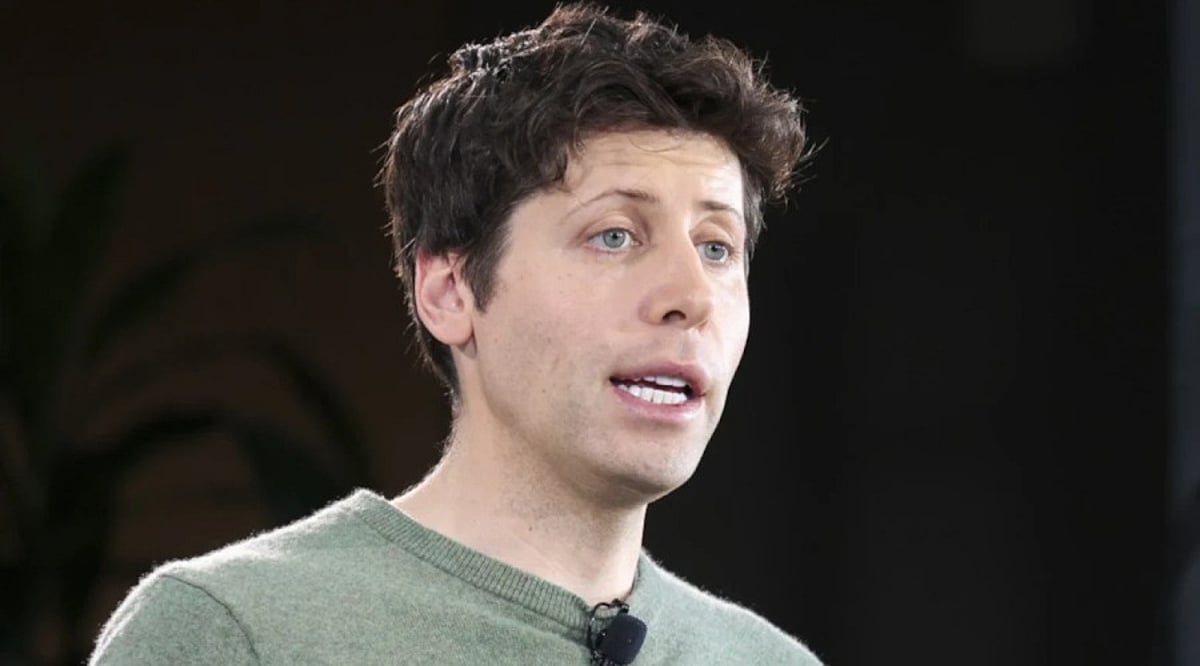
OpenAI CEO Sam Altman delivered a stark warning to the United Nations Security Council, stating that the rapid advancement of artificial intelligence could make it increasingly difficult for humans to maintain control. He emphasized that while AI holds immense potential for healthcare, education, and scientific research, reckless development must be avoided.
Altman noted that some predictions about AI’s future are so dystopian they resemble bad science fiction. He specifically highlighted the dangers of autonomous AI systems, which could operate faster than governments and institutions can respond, potentially leading to a scenario where humanity “loses control of the future to AI.” This could happen if humans lose track of system actions or fail to intervene at critical moments.
To prevent such outcomes, Altman called for the creation of common technical standards for advanced AI across countries. He stressed that AI should be built for people, not just to accelerate machine processes. “We should not train models that we cannot make an extremely strong case that we will be able to keep under human control,” he said.
Altman also argued that no single country should hold disproportionate power in shaping AI’s trajectory. The most important decisions, he said, cannot be made solely by labs in San Francisco but must involve democratic processes and accountable governments. OpenAI urged the United States to take a leading role in establishing these global rules.
Establishing a unified set of AI safety standards is challenging due to differing national laws and priorities, as well as varied development methods among companies. OpenAI proposes common protocols for safety testing, risk assessment, and incident reporting to make AI development more transparent and monitorable across borders.
Currently, AI development remains under human control, but Altman’s warning underscores the urgency of early safety planning as AI capabilities continue to accelerate.