

Tag: Goldman Sachs

  • 12 Indian Stocks That Top Brokerages Are Betting On in 2026

    12 Indian Stocks That Top Brokerages Are Betting On in 2026

    Overview

    India’s stock market has shown resilience in 2026 despite global uncertainties, volatile crude oil prices, and foreign institutional investor outflows. While valuations in some segments have become challenging, top brokerage firms such as Goldman Sachs, Axis Securities, and InCred Equities continue to identify high-conviction investment opportunities in banking, telecom, infrastructure, manufacturing, and consumer sectors. The common investment theme is India’s growth story, earnings visibility, and government capital expenditure.

    Top Brokerage Picks for 2026

    Here are 12 stocks consistently recommended by these brokerages in 2026:

    1. ICICI Bank

    ICICI Bank remains a top pick due to robust loan growth, improving asset quality, and superior return ratios. Analysts believe the private sector bank is well-positioned to capitalize on strong credit demand while maintaining healthy margins.

    2. Bharti Airtel

    The telecom company is favored for its strong earnings growth driven by tariff hikes, premium customer additions, and increased data usage. Its enterprise and digital businesses are also expected to contribute significantly.

    3. Bajaj Finance

    Bajaj Finance continues to attract domestic brokers with its diversified loan book and strong execution. The company is expanding its customer base while maintaining good asset quality, supporting faster earnings growth relative to peers.

    4. Kotak Mahindra Bank

    Brokerages expect Kotak Mahindra Bank to benefit from better deposit accumulation and credit growth. Its conservative balance sheet, strong capital adequacy, and expanding retail operations make it a solid long-term banking investment.

    5. Larsen & Toubro (L&T)

    Infrastructure investment is a major theme in India, and L&T continues to secure strong orders both domestically and internationally. Goldman Sachs recently reiterated its bullish view after the company reported strong quarterly results.

    6. Avenue Supermarts (DMart)

    Organized retail remains a compelling story in India despite short-term fluctuations in consumer spending. DMart’s efficient business model and profitable operations continue to draw positive analyst views.

    7. Varun Beverages

    Consumer spending is a long-term investment theme. Varun Beverages is expanding capacity and strengthening its presence in domestic and international markets. High summer demand and new product launches are boosting earnings.

    8. Axis Bank

    InCred Equities has a positive outlook on Axis Bank based on profitability and credit growth. The bank is expected to gain from increasing retail and corporate lending in India.

    9. GE Vernova T&D India

    This power transmission equipment producer has emerged as an attractive infrastructure stock due to rising capital expenditure in power transmission and renewable energy. Analysts highlight strong order prospects amid growing electricity transmission infrastructure.

    10. State Bank of India

    India’s largest public sector bank is poised to benefit from improving credit quality, profitability, and strong loan growth. Analysts believe SBI is well-positioned to ride the wave of capex-driven economic growth.

    11. Reliance Industries

    Reliance continues to attract bullish views due to its diversified earnings profile spanning energy, telecom, retail, and new energy businesses. Analysts expect value creation from multiple segments while maintaining healthy cash generation.

    12. Eternal (formerly Zomato)

    Eternal has appeared among Axis Securities’ preferred ideas as India’s digital consumption story evolves. Growth in quick commerce, food delivery, and improving operating leverage keep the company on analysts’ radar despite premium valuations.

    Investment Outlook

    Three major themes emerge from these recommendations. The financial services sector remains the largest investment choice, driven by optimism about India’s multi-year credit cycle. Infrastructure and industrials benefit from consistent government spending and manufacturing growth. The consumption sector and tech firms are becoming more attractive with rising income levels and future demand.

    Brokerage advice is based on dynamic estimates of earnings, valuation, and macroeconomic conditions. While all 12 companies have solid fundamentals and prospects, individual diversification and risk management are essential. Goldman Sachs, Axis Securities, and InCred Equities demonstrate that the Indian growth story is far from over.

    Frequently Asked Questions

    Which brokerages recommended these 12 stocks?

    Goldman Sachs, Axis Securities, and InCred Equities identified these companies based on earnings potential, valuations, sector leadership, and growth outlook.

    Which sectors dominate the recommendations?

    Banking, telecom, infrastructure, consumer, retail, industrial, and financial services sectors account for most high-conviction brokerage recommendations in 2026.

    Why are analysts bullish on these stocks?

    Strong earnings growth, healthy balance sheets, India’s economic expansion, and improving business fundamentals support positive long-term investment expectations.

    Are these stocks suitable for long-term investors?

    Most recommendations target long-term wealth creation, though investors should evaluate personal risk tolerance before making investment decisions.

    Should investors rely only on brokerage recommendations?

    No. Investors should combine brokerage research with personal financial goals, diversification strategies, and independent analysis before investing.

    Disclaimer: This article is for informational purposes only and does not constitute investment advice. Always conduct your own research before making investment decisions.
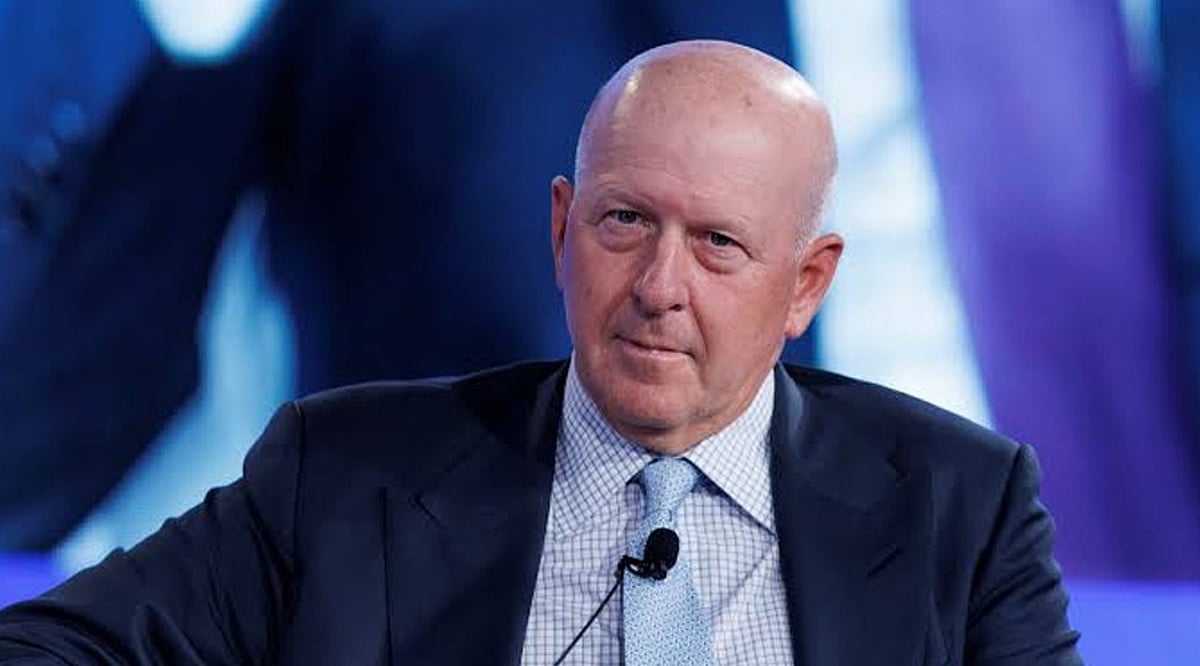
  • Goldman Sachs CEO David Solomon Breaks with Banking Peers to Endorse CLARITY Act for Crypto Regulation

    Goldman Sachs CEO David Solomon Breaks with Banking Peers to Endorse CLARITY Act for Crypto Regulation

    Goldman Sachs CEO David Solomon has publicly endorsed the CLARITY Act, a proposed U.S. digital asset market structure bill, despite widespread opposition from major banking groups. Solomon’s stance places Goldman Sachs at odds with other Wall Street leaders who object to provisions on stablecoin rewards.

    In an interview reported on July 23, 2026, Solomon described the bill as “not perfect” but argued it would create a level playing field, support market stability, and allow digital asset markets to develop under clearer standards. He stated he was “very supportive of moving the CLARITY Act forward,” urging Congress to establish a market structure that encourages continued innovation.

    The House passed an earlier version of the Digital Asset Market Clarity Act in July 2025, which aims to divide regulatory oversight between the Securities and Exchange Commission (SEC) and the Commodity Futures Trading Commission (CFTC). Senate committees have since been working on their own version.

    Stablecoin Rewards Divide Major Banks

    JPMorgan Chase CEO Jamie Dimon has opposed provisions that would allow crypto companies to offer rewards tied to stablecoin holdings. Dimon argues that such products function like interest-bearing deposits without facing equivalent capital, liquidity, and consumer protection rules. Bank trade groups echoed these concerns after senators released an updated draft on July 22, warning that the bill could drain deposits from traditional lenders and reduce funds available for local lending. They have urged lawmakers to close what they view as a regulatory gap in stablecoin reward rules.

    Crypto companies take a different view. Coinbase CEO Brian Armstrong contends that banks seek tighter limits because stablecoin rewards could compete with traditional deposit products. The core dispute centers on whether reward programs should be subject to bank-style controls or separate digital asset regulations.

    Democrats Seek Stronger Ethics and Consumer Protections

    Seven Senate Democrats have criticized the Republican-backed text as “falls short,” citing concerns over ethics rules, consumer protection, illicit finance, conflicts of interest, and market integrity. Senator Elizabeth Warren called the revised proposal “dead on arrival,” arguing its ethics language lacks sufficient enforcement against financial conflicts involving federal officials. Democrats also want state attorneys general to hold enforcement authority rather than leaving it primarily with the Justice Department.

    Republican supporters counter that the draft adds limits on crypto activity by senior federal officials and strengthens national security controls. Senator Tim Scott has said the framework protects consumers and gives businesses clearer rules, while Senator Cynthia Lummis has defended the ethics provisions.

    Lawmakers have yet to reach a final deal on stablecoin rewards, ethics enforcement, or consumer protections. A Senate vote could occur after these disputes are resolved, testing whether bipartisan support can be preserved. Until then, Solomon’s backing gives the CLARITY Act a significant endorsement from one major Wall Street firm while the broader banking sector remains divided.

  • Goldman Sachs Warns Brent Crude Could Surge Past $120 on Strait of Hormuz Disruptions

    Goldman Sachs Warns Brent Crude Could Surge Past $120 on Strait of Hormuz Disruptions

    Brent crude oil prices could surge above $120 per barrel in the fourth quarter if disruptions in the Strait of Hormuz persist, according to Goldman Sachs. The investment bank, however, clarified that such a sharp rally is not its base-case expectation.

    The warning comes as global oil markets remain on edge amid renewed geopolitical tensions in the Middle East. Brent crude recently climbed above $91 a barrel following fresh hostilities involving the US and Iran, raising concerns over potential supply disruptions.

    Shipping Routes Under Pressure

    Market sentiment has also been affected by threats from Iran-backed Houthi rebels in Yemen to impose a blockade on Saudi oil shipments. The warning has added to concerns over the security of key energy routes.

    With disruptions at the Strait of Hormuz, the Red Sea has become an increasingly important alternative for transporting crude from the Persian Gulf to global markets. Any disruption along this route could further tighten supplies and push prices higher.

    In a note dated July 20, Goldman Sachs analysts said escalating tensions in the region and a sharp decline in Persian Gulf oil flows had already contributed to the recent rebound in crude prices.

    Base Case Still Points to Lower Prices

    Despite highlighting the upside risks, Goldman Sachs maintained that its central forecast assumes geopolitical tensions gradually ease. Under that scenario, the bank expects Brent crude to average around $80 per barrel in the fourth quarter and decline to about $75 per barrel next year.

    The analysts cautioned, however, that risks remain skewed to the upside because of ongoing shipping disruptions through the Strait of Hormuz and the possibility of further interruptions in the Red Sea.

    China Demand May Limit the Rally

    Goldman Sachs noted that declining global oil inventories during the second quarter have left the market more exposed to supply shocks. At the same time, weaker crude imports by China and greater demand elasticity could help contain any sustained price spike.

    For investors seeking protection from prolonged geopolitical uncertainty linked to the Middle East and Russia, the bank recommended taking a long position in the European diesel timespread between December 2026 and March 2027.

    According to the analysts, diesel markets were already tight before the latest conflict, with continued Ukrainian attacks on Russian refineries, hurricane risks, extreme summer temperatures and refinery maintenance delays adding to supply concerns.

    Brent crude futures were last trading at $88.54 per barrel. Earlier this year, prices briefly surged above $126 a barrel during the initial phase of the US-Iran conflict.