Tag: Google TV

  • Haier M70 Mini LED TV Brings 4K Picture, AI Enhancement, and 120Hz Gaming to Multiple Screen Sizes

    Haier M70 Mini LED TV Brings 4K Picture, AI Enhancement, and 120Hz Gaming to Multiple Screen Sizes

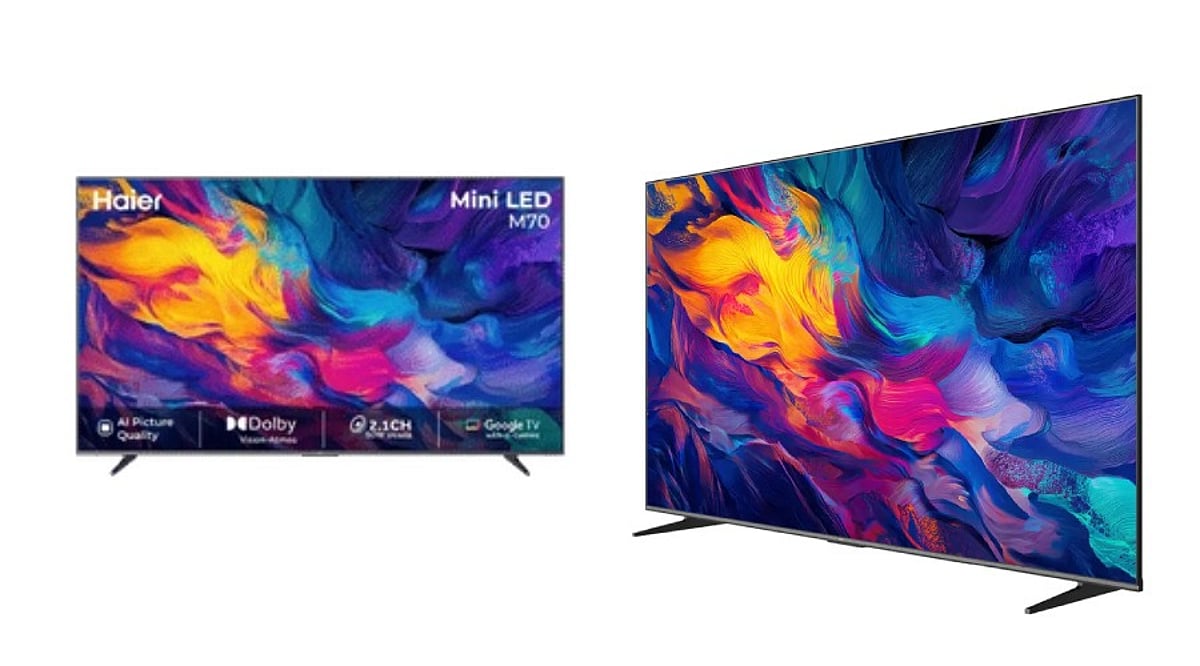
    The Haier M70 Mini LED TV series delivers a well-rounded package of modern television features across five screen sizes. With 4K Mini LED technology, AI-powered picture tools, 120Hz gaming support, Dolby Vision and Atmos, and Google TV integrated with Gemini, the M70 aims to be a versatile choice for movies, sports, and gaming. The 65-inch model further stands out with a 50W 2.1-channel audio system that includes a built-in subwoofer.

    Mini LED Technology Powers the Display

    The M70 series uses Mini LED backlighting, which employs smaller LEDs than conventional LED TVs, enabling finer control over brightness across the screen. This is combined with Micro Dimming technology that adjusts light levels across multiple zones. The 65-inch variant features a 3840 x 2160 4K resolution with a D-LED panel and delivers approximately 93 percent DCI-P3 color gamut coverage, ensuring vibrant and accurate colors.

    High dynamic range is supported through Dolby Vision and HDR10+, while MEMC (Motion Estimation, Motion Compensation) helps keep fast-moving scenes clear. Haier includes several AI-driven enhancements:

    • AI Picture Quality: Real-time adjustment of image details.
    • AI HDR Enhancer: Improved highlight detail and contrast.
    • AI Color Boost: Enhanced color saturation and impact.
    • AI Motion: Smoother rendering of fast sequences.
    • AI Noise Reduction: Reduction of unwanted image noise.

    Brightness Considerations

    It is important to note that Mini LED does not offer the same pixel-level black control as OLED. The 65-inch M70 has a measured peak brightness of approximately 320 nits. While not the brightest in the premium Mini LED segment, the TV focuses on color accuracy, contrast, HDR support, and AI processing to deliver a satisfying viewing experience.

    Gaming Features at 120Hz

    The M70 supports a 120Hz refresh rate along with Variable Refresh Rate (VRR), Auto Low Latency Mode (ALLM), and MEMC. These features reduce input lag and motion blur, making it suitable for fast-paced games. A dedicated Gaming Bar provides quick access to settings such as Shadow Enhancement and Crosshair Assist. The 65-inch model supports 4K at 60Hz and 1080p at 120Hz via DLG (Dual Line Gate) technology.

    Audio Performance

    The 65-inch model comes with a 50W 2.1-channel audio system that includes a built-in subwoofer and supports Dolby Atmos for an immersive soundstage. In tests, the system delivers strong volume and useful bass, potentially reducing the need for an external soundbar. At very high volumes, some harshness may appear, so moderate listening levels are recommended for optimal clarity.

    Smart Platform: Google TV with Gemini

    The M70 runs Google TV on Android 14, complete with Gemini AI assistance and Chromecast Built-in for easy content streaming from compatible devices. The 65-inch model is equipped with 2GB of RAM and 32GB of storage—sufficient for apps and games, though the interface can feel slightly sluggish at times.

    Size Options and Pricing

    Haier offers the M70 in five sizes: 43, 55, 65, 75, and 85 inches. Launch prices ranged from approximately Rs. 39,190 to Rs. 1,69,990 depending on size and configuration. The 43-inch model starts at about Rs. 40,690 on Haier’s official store. Retail prices may vary with promotions and availability.

    Conclusion

    The Haier M70 Mini LED TV series brings together a compelling mix of advanced display technology, smart features, gaming support, and robust audio. While brightness and black levels do not rival OLED or high-end Mini LED competitors, the M70 offers strong value for those seeking a feature-rich television across a range of screen sizes.

    Frequently Asked Questions

    1. What screen sizes does the Haier M70 offer?
    The M70 comes in 43-inch, 55-inch, 65-inch, 75-inch, and 85-inch sizes.

    2. Does the Haier M70 support 120Hz gaming?
    Yes. The TV supports 120Hz, VRR, ALLM, MEMC, Gaming Bar features, and 1080p at 120Hz through DLG support on the 65-inch model.

    3. Which HDR formats does the M70 support?
    The TV supports Dolby Vision and HDR10+ for compatible content.

    4. What audio system does the 65-inch M70 have?
    The 65-inch model has a 50W 2.1-channel audio system with a built-in subwoofer and Dolby Atmos.

    5. Does the Haier M70 have Google TV and Gemini?
    Yes. The M70 runs Google TV on Android 14 and includes Gemini support, along with Chromecast Built-in.
  • Haier M70 Mini LED TV Review: 4K Visuals, AI Tools, and 120Hz Gaming Across Five Sizes

    Haier M70 Mini LED TV Review: 4K Visuals, AI Tools, and 120Hz Gaming Across Five Sizes

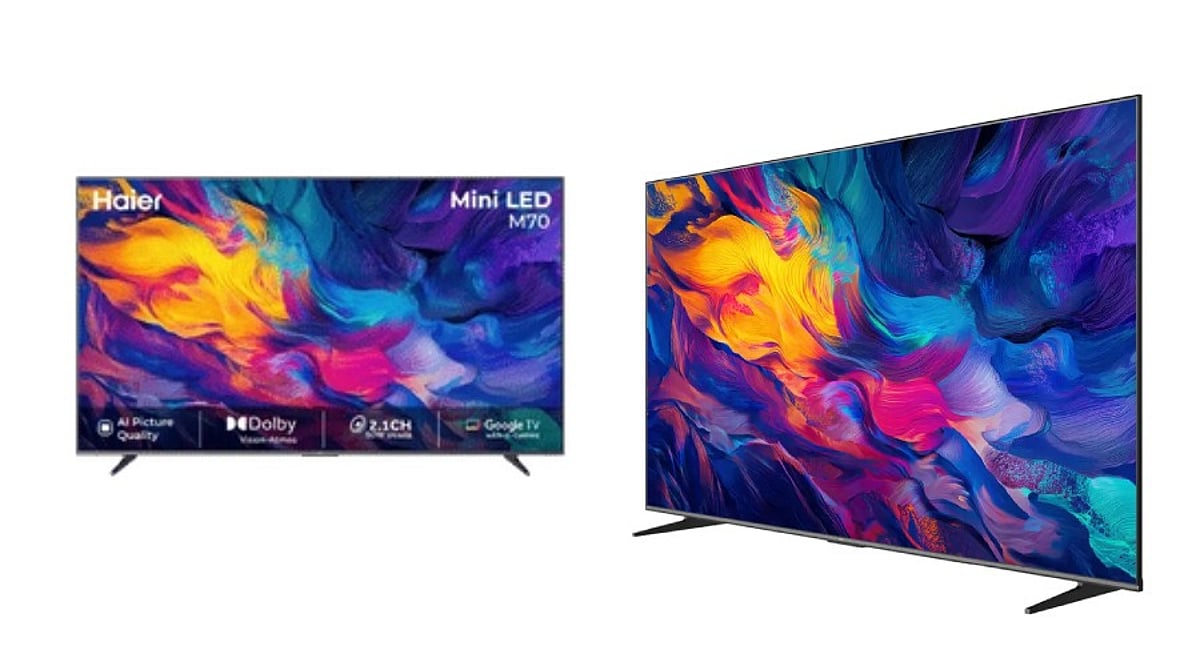
    The Haier M70 Mini LED TV series brings a combination of 4K resolution, Mini LED backlighting, AI-powered image tools, and 120Hz gaming support to home entertainment. Available in sizes from 43 to 85 inches, the M70 aims to deliver premium-style features at a competitive price point. Here is a breakdown of what the TV offers.

    Key Takeaways

    • Mini LED display with 4K resolution, Micro Dimming, Dolby Vision, HDR10+, and AI picture tools for detailed, vibrant visuals.
    • 120Hz refresh rate, VRR, ALLM, MEMC, Gaming Bar, and 1080p 120Hz DLG support for smooth gaming.
    • Google TV with Gemini, Chromecast Built-in, 32GB storage, and 50W 2.1-channel audio on the 65-inch model.

    Mini LED Technology Enhances Picture Quality

    The M70 uses Mini LED backlights, which are smaller than traditional LEDs, allowing tighter control over screen lighting. Haier pairs this with Micro Dimming, adjusting light across multiple zones for improved contrast. The 65-inch model features a 3840 x 2160 4K D-LED panel, covering about 93% of the DCI-P3 color gamut. It supports Dolby Vision and HDR10+ for high dynamic range content, and MEMC for smoother motion.

    AI tools further refine the picture: AI Picture Quality adjusts details in real time, AI HDR Enhancer improves highlights and contrast, AI Color Boost adds vibrancy, AI Motion handles fast scenes, and AI Noise Reduction minimizes image noise.

    Brightness Considerations

    Mini LED is not OLED. The M70 uses a backlight with zones, not per-pixel control. While contrast is strong, it cannot match OLED’s black levels. The 65-inch model has a measured peak brightness of about 320 nits, focusing more on color accuracy and HDR support than extreme brightness.

    120Hz Gaming Features

    The M70 supports a 120Hz refresh rate, Variable Refresh Rate (VRR), Auto Low Latency Mode (ALLM), and MEMC. A Gaming Bar provides quick access to settings, while Shadow Enhancement and Crosshair Assist aid different game genres. The 65-inch model handles 4K at 60Hz and 1080p at 120Hz through DLG.

    Built-in Audio Performance

    The 65-inch model includes a 50W 2.1-channel audio system with a built-in subwoofer. Dolby Atmos delivers a wider soundstage. Tests show strong volume and bass, reducing the need for an external soundbar, though high volume can introduce some harshness.

    Smart Platform and Connectivity

    The M70 runs Google TV on Android 14 with Gemini integration and Chromecast Built-in. The 65-inch model has 2GB RAM and 32GB storage, offering ample app space. Interface responsiveness can sometimes lag.

    Size Options and Pricing

    Haier offers the M70 in 43-, 55-, 65-, 75-, and 85-inch sizes. Launch prices range from approximately Rs. 39,190 to Rs. 1,69,990, with the 43-inch starting at about Rs. 40,690. The 65-inch model sits as a sweet spot, combining Mini LED, 120Hz gaming, 50W audio, Google TV, Gemini, Dolby Vision, and HDR10+.

    Conclusion

    The Haier M70 delivers a comprehensive package of picture quality, gaming features, and smart functionality. Its main trade-offs are moderate brightness and zone-based backlighting compared to OLED, but for many users, the wide feature set and multiple size choices make it a compelling home electronics option.

    Frequently Asked Questions

    • What screen sizes does the Haier M70 offer? 43-inch, 55-inch, 65-inch, 75-inch, and 85-inch.
    • Does the Haier M70 support 120Hz gaming? Yes, with 120Hz, VRR, ALLM, MEMC, and 1080p at 120Hz DLG on the 65-inch model.
    • Which HDR formats does the M70 support? Dolby Vision and HDR10+.
    • What audio system does the 65-inch M70 have? A 50W 2.1-channel system with a built-in subwoofer and Dolby Atmos.
    • Does the Haier M70 have Google TV and Gemini? Yes, it runs Google TV on Android 14 with Gemini support and Chromecast Built-in.
  • ViewSonic Unveils Google TV Series and Pro AV Displays in India

    ViewSonic Unveils Google TV Series and Pro AV Displays in India

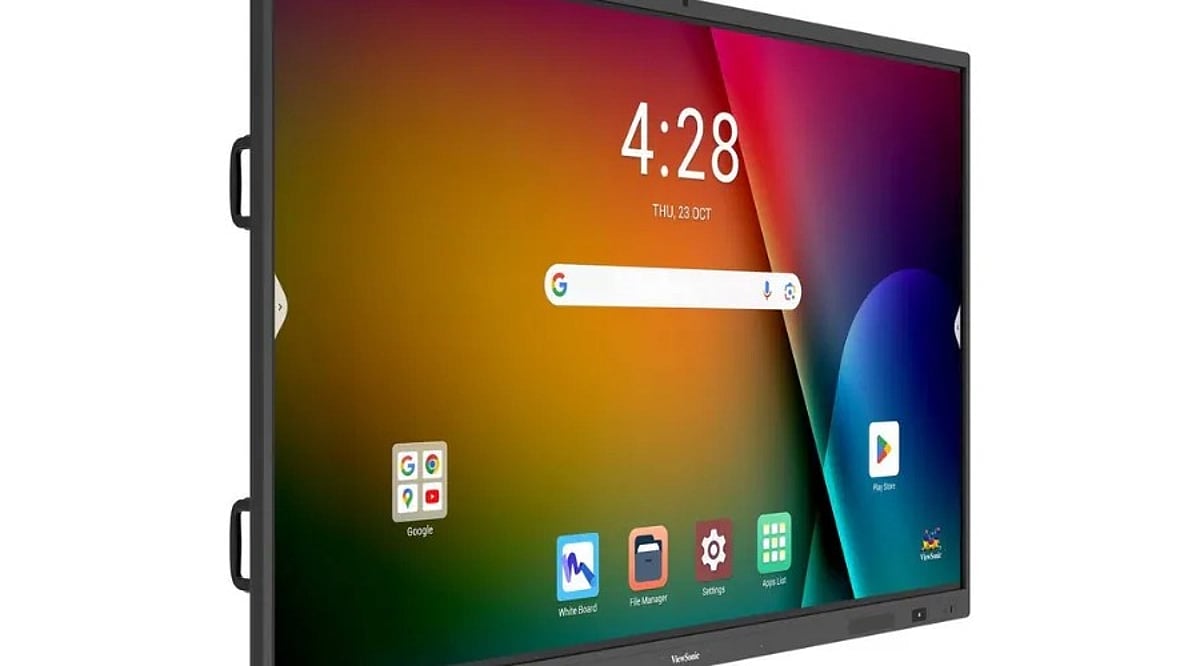
    ViewSonic has officially launched its Google TV Series in India, alongside a comprehensive range of professional AV displays and projection solutions. The company unveiled the new portfolio at InfoComm India 2026 in Mumbai on September 16, targeting businesses, hospitality, retail, education, and smart city deployments across the country.

    The ViewSonic Google TV Series is available in five screen sizes, from 32 inches to 65 inches. It runs Google TV Ref+ 5.0 on Android 14, optimized for commercial use. The smart TVs support business applications, cloud content streaming, Chromecast, HDR, Dolby Audio, and Google Assistant for voice control. ViewSonic positions these televisions for meeting rooms, reception areas, training centers, and hospitality spaces, as well as digital signage and other managed commercial environments. Pricing for the Google TV models starts at Rs. 20,000 (plus taxes), according to reports.

    Beyond the Google TV lineup, ViewSonic introduced two Direct View LED displays: the LDC027-182 for command centers (ideal for dashboards, maps, surveillance feeds, and operational data) and the LDC027G-091C for premium installations, featuring Flip Chip COB technology, a 0.94mm pixel pitch, 600 nits brightness, and a 3,840Hz refresh rate. The company also launched a foldable All-in-One LED display in the LDE Series, available in 108-inch, 136-inch, and 163-inch configurations for portable professional installations with integrated power, control, and image-stitching functions.

    Other new additions include the ViewBoard IFP105UW-N, a 105-inch interactive display with 5K resolution and a 21:9 aspect ratio that supports split-screen collaboration; the VG1457 dual-screen portable monitor; the VP3456A ultrawide professional monitor; and the CN5501-1N commercial display for continuous landscape or portrait playback with content scheduling and wireless casting via AirPlay, Miracast, and Chromecast. Open-frame displays were also announced for kiosks, retail, hospitality, and industrial integration.

    Completing the Pro AV expansion is the LSC600WU-ST short-throw laser projector, delivering 6,000 ANSI lumens with WUXGA resolution, 360-degree projection, image warping, and LAN-based control for large professional installations.

    Muneer Ahmad, Managing Director of ViewSonic India, commented, “ViewSonic has grown significantly in India,” highlighting the company’s wider portfolio across LED, collaboration, commercial displays, monitors, and projection solutions. The expanded range signals a broader focus on integrated Pro AV deployments, addressing command centers, boardrooms, retail spaces, training rooms, and large venues. ViewSonic also reported more than two-fold year-on-year growth in its Indian LED display business.

  • Top 4 Smart TVs With the Longest Software Support in 2026

    Top 4 Smart TVs With the Longest Software Support in 2026

    Choosing a smart TV today means looking beyond screen quality and price. Software support is a key consideration, as regular updates bring security patches, new features, and better performance over time. Some manufacturers stand out with extended update commitments. Here are four smart TV brands that offer the longest software support, ensuring your investment stays current for years.

    Samsung Smart TVs

    Samsung provides several years of software updates for its premium smart TV models. The company regularly enhances Smart Hub, gaming capabilities, and security features. AI-powered improvements often arrive via firmware updates, keeping compatible TVs feeling modern long after the initial purchase. This commitment makes Samsung a reliable choice for long-term use.

    LG OLED TVs

    LG delivers extended webOS updates for its recent OLED and premium LED TVs. Users benefit from interface refinements, security patches, and compatibility improvements. Gaming features also receive ongoing enhancements through software releases. LG’s support strategy makes it a solid option for those seeking a durable smart TV experience.

    Google TV (Sony)

    Sony’s Google TV models gain from Google’s Android TV ecosystem, receiving consistent platform updates. These provide new apps, security upgrades, and enhanced smart functions. Integration with Google Assistant continues to improve over time, helping extend the TV’s lifespan significantly. Sony’s partnership with Google ensures long-term support for its users.

    TCL Google TV

    TCL’s Google TV lineup enjoys ongoing Android and Google TV software improvements. Frequent updates boost performance, streaming compatibility, and system stability. Google also expands smart home integration through software releases, positioning TCL as an affordable yet well-supported choice for long-term usage.

    Why Software Support Matters

    Software updates do more than refresh the user interface. They add critical security patches, support newer streaming apps, enhance overall performance, and introduce fresh features. TVs with longer support remain functional and enjoyable for many more years, potentially delaying expensive upgrades and offering better value over time.

    Final Verdict

    When purchasing a smart TV, prioritize software support alongside display quality and pricing. Samsung, LG, Sony, and TCL all provide robust, long-term update experiences on their recent models. Choosing a well-supported TV ensures you get the most from your investment and keeps your entertainment experience current for years to come.

  • Sony Launches True RGB TVs in India: 115-Inch Bravia 9 II and More

    Sony Launches True RGB TVs in India: 115-Inch Bravia 9 II and More

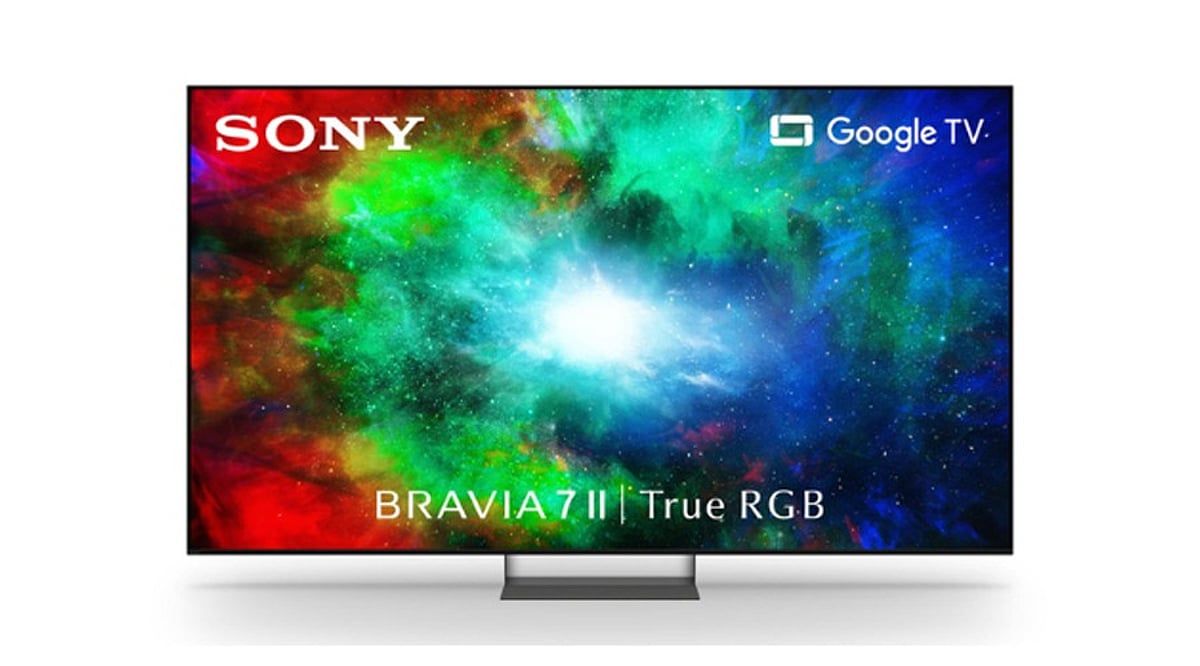
    Sony has officially launched its new True RGB televisions in India, marking a significant entry into the country’s premium TV market. The lineup includes the flagship Bravia 9 II and the Bravia 7 II, with the 115-inch Bravia 9 II leading the charge.

    The company’s proprietary RGB Backlight Master Drive Pro technology independently controls red, green, and blue LEDs, promising brighter pictures and richer, more accurate colors. Sony India introduced the Bravia 9 II via its official X account, stating, “Your home. Your cinema. Introducing BRAVIA 9 II.” The company emphasized the TV’s wide color gamut and its ability to reproduce scenes closer to the creator’s original vision.

    The 115-inch Bravia 9 II is Sony’s largest home television ever launched in India. Its listed price is Rs. 45,99,900, with a best-buy price of Rs. 28,99,990. The 75-inch version costs Rs. 8,39,900, while the 85-inch model is priced at Rs. 9,89,900.

    The Bravia 7 II also incorporates True RGB technology across multiple screen sizes, offering enhanced color control while maintaining the high brightness expected from premium Mini LED TVs.

    Both models support 4K resolution at 120Hz refresh rates, Google TV, Dolby Vision, and Dolby Atmos. For gamers, features include 4K at 120fps, variable refresh rate (VRR), and Auto Low Latency Mode (ALLM).

    Sony enters a competitive premium TV market in India, facing rivals such as Samsung, LG, TCL, and Hisense, all of which offer OLED, Mini LED, and RGB-based display technologies. While the high price points may limit these TVs to premium buyers, the new range broadens options for Indian consumers seeking large, high-end televisions.

  • Top Smart TVs Under ₹80,000 in 2024: Amazon Deals Worth Considering

    Top Smart TVs Under ₹80,000 in 2024: Amazon Deals Worth Considering

    If you’re looking for a premium smart TV without exceeding ₹80,000, the current Amazon sale offers some outstanding options. From Sony’s exceptional picture quality to TCL’s value-packed Mini LED models, here’s a curated guide to help you make the right choice.

    Sony BRAVIA – Premium Picture Quality

    Delivering exceptional 4K visuals, Dolby Vision support, and Google TV integration, the Sony BRAVIA series is ideal for movies, gaming, and streaming. Its advanced image processing ensures lifelike colors and deep blacks, making it a top pick for cinephiles.

    Samsung Crystal UHD – Vibrant Display

    Samsung’s Crystal UHD lineup offers vivid colors, AI-powered upscaling, and the intuitive Tizen OS. With reliable smart features and smooth performance, these TVs are perfect for everyday entertainment.

    LG Nano AI – Smart Performance

    Combining webOS, AI Picture Pro, and immersive audio, LG Nano AI TVs enhance your viewing experience across OTT platforms. Voice control and smart home compatibility add extra convenience.

    TCL QD-Mini LED – Value for Money

    TCL’s QD-Mini LED TVs feature excellent brightness, Quantum Dot technology, and Google TV at highly competitive Amazon sale prices. They deliver impressive contrast and color accuracy without breaking the bank.

    Hisense QLED – Budget Premium

    Hisense offers Quantum Dot displays, Dolby Vision, and a dedicated Game Mode, delivering premium entertainment within the ₹80,000 budget. These TVs are a great choice for gamers and streamers alike.

    Smart Features & Gaming Readiness

    Most models include Google TV or Fire TV, providing voice control, Chromecast, app support, and personalized content recommendations. For gamers, features like HDMI 2.1, ALLM, VRR, and low input lag make select TVs ready for next-generation consoles.

    Amazon Sale Benefits

    Amazon frequently offers discounts, no-cost EMI, exchange offers, and instant bank savings, significantly reducing the price of premium TVs. This is an excellent time to upgrade your home entertainment setup.

    Buying Recommendation

    Choose OLED for superior contrast, Mini LED for brightness, or QLED for balanced performance. Your decision should align with your viewing habits, room lighting, and budget. With the right choice, you can enjoy a cinema-like experience at home.

  • Top Affordable Portable Projectors for Home Entertainment (2026)

    Top Affordable Portable Projectors for Home Entertainment (2026)

    Portable projectors make it easy to enjoy a big-screen experience without spending a fortune. Most budget models project screens up to 200 inches and include smart TV features, making them ideal for movie nights, gaming, sports, and streaming in small rooms or outdoor spaces.

    Best Budget Portable Projectors

    Nothing Projector One Google TV

    One of the best overall budget choices. It offers Full HD (1080p) resolution, around 300 ANSI lumens, Google TV, and built-in streaming apps. It delivers a balanced mix of image quality, portability, and smart entertainment features for everyday use.

    XGIMI MoGo 4

    Perfect for streaming lovers. It comes with licensed Netflix, Google TV, quality speakers, and easy auto setup. Its compact design makes it a great travel companion while delivering smooth streaming and impressive audio for movies and TV shows.

    Lumio Arc 5

    If simple setup matters most, the Lumio Arc 5 is an excellent pick. It features Full HD resolution, Google TV, Dolby Audio, auto-focus, and auto-keystone correction. The lightweight design makes it easy to move between bedrooms, living rooms, or outdoor movie nights.

    HY320 Smart Projector

    Looking for the lowest price? The HY320 Smart Projector delivers excellent value at around ₹5,000. It supports Android 13, Wi-Fi 6, and screen sizes up to 200 inches. While brightness is limited, it performs surprisingly well in dark rooms for casual entertainment.

    Buying Tips

    When buying a portable projector, focus on brightness, resolution, and smart features. Choose at least native 1080p resolution and 200–450 ANSI lumens for better picture quality. Built-in Google TV or Android TV also removes the need for external streaming devices.

    Budget portable projectors work best in dark or dimly lit rooms. Premium models offer brighter images, better sound, and stronger after-sales support, while entry-level projectors are ideal for occasional movie nights. Pick the model that best matches your budget, room size, and viewing habits.

  • Android TV vs Google TV: Which Smart TV Platform Delivers a Better Viewing Experience?

    Android TV vs Google TV: Which Smart TV Platform Delivers a Better Viewing Experience?

    Smart TVs have evolved into central entertainment hubs, handling streaming, gaming, and smart home controls. With many TVs offering either Android TV or Google TV, choosing the right platform can be confusing. While both come from Google, they offer distinct experiences. This comparison examines interface, app ecosystem, smart home features, and usability to help you decide.

    Same Foundation, Different Focus

    Android TV and Google TV share the same operating system, giving you access to the Google Play Store, Google Assistant, and Chromecast support. The key difference lies in how content is presented. Android TV is app-centric: you open individual streaming services like Netflix or Prime Video to browse. Google TV, on the other hand, places content front and center, curating movies and shows from multiple platforms on a single home screen, reducing app hopping.

    More Modern Home Screen

    Google TV offers a personalized interface that learns your viewing habits and suggests programming based on interests. It supports separate user profiles, so each family member gets their own recommendations and watchlist. Android TV does provide recommendations, but they are less prominent than Google TV’s.

    App Support Remains Identical

    Both platforms offer the same app library via the Google Play Store, including Netflix, Disney+, Amazon Prime Video, Spotify, YouTube, and more. There is no practical difference in app availability or performance.

    Smart Home Integration

    As TVs become control centers for smart homes, Google TV offers a slight edge with deeper Google Home integration. You can control compatible cameras, lights, and speakers directly from the TV. Google TV also includes kids’ profiles and parental controls, making it more family-friendly.

    Which One Should You Buy?

    Android TV is ideal for users who prefer a simple, app-based interface and primarily use a few streaming services without needing recommendations. Google TV is better for households with multiple streaming subscriptions who want content discovery and personalization. For most buyers, Google TV’s richer interface and smarter recommendations make it the easier platform to live with in the long run.

    Frequently Asked Questions

    Q1. What is the main difference between Android TV and Google TV?
    Android TV focuses on apps, while Google TV emphasizes content discovery by aggregating recommendations from multiple services on one screen.

    Q2. Do both platforms support the same apps?
    Yes, both have full access to the Google Play Store and all major streaming apps.

    Q3. Is Google TV better for families?
    Yes, because it supports separate user profiles, personalized recommendations, and dedicated kids’ profiles with parental controls.

    Q4. Can both work with smart home devices?
    Yes, both support Google Assistant, but Google TV offers deeper integration with Google Home.

    Q5. Which platform should I choose for a new TV?
    Choose Android TV if you prefer a simple app grid; choose Google TV for personalized recommendations and multiple profiles.