Tag: Googlebook

  • Qualcomm’s Snapdragon X2 Powers New Microsoft Surface PCs and Expands to Googlebook and Linux

    Qualcomm’s Snapdragon X2 Powers New Microsoft Surface PCs and Expands to Googlebook and Linux

    Qualcomm is expanding its Snapdragon X platform beyond the initial Windows-on-Arm push, bringing the technology into new Microsoft Surface devices, Google’s emerging Googlebook category, and a wider range of PC form factors.

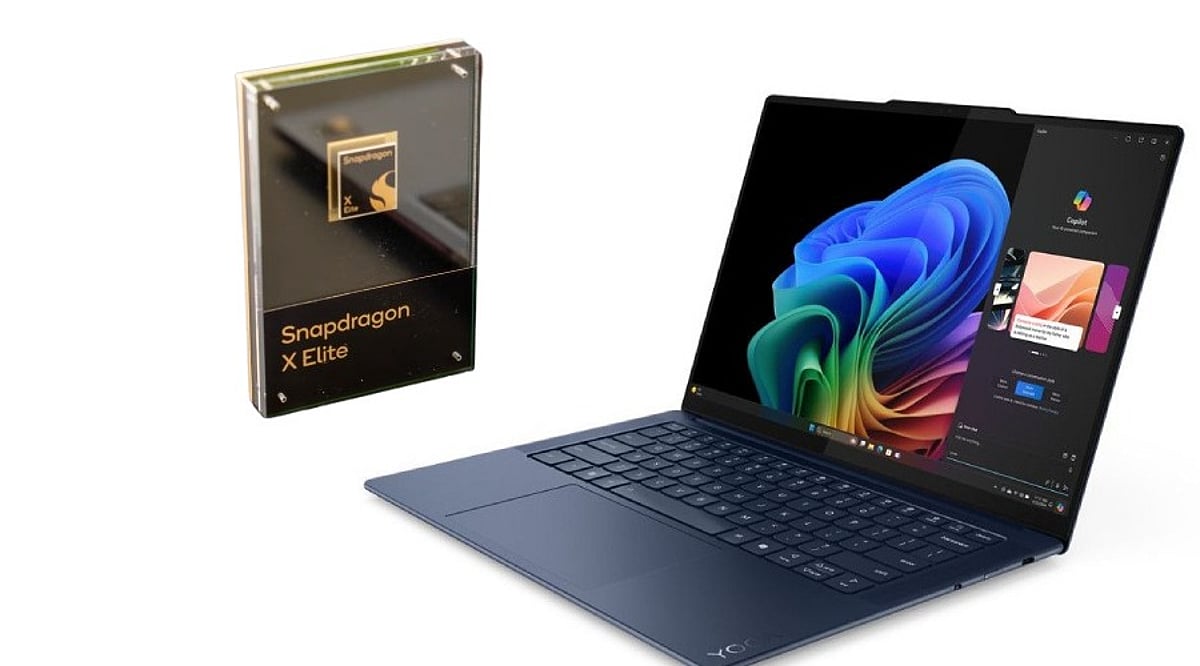
    Announcements at Snapdragon Summit 2026 reveal Qualcomm’s strategy to establish its Oryon-based platform across different operating systems and device segments. Microsoft is introducing new Surface hardware with Snapdragon X2 Plus, while Google has partnered with Qualcomm for Googlebook laptops powered by Snapdragon X Elite.

    New Surface Devices with Snapdragon X2 Plus

    Microsoft unveiled a 12-inch Surface Pro and 13-inch Surface Laptop, both powered by the six-core Snapdragon X2 Plus processor. The devices go on sale in select markets from October 13. According to Microsoft, the new machines deliver up to 17% faster Office performance, up to 18% better battery efficiency, more than 60% faster graphics, and up to 95% faster local AI inference than the previous generation. The Snapdragon X2 Plus features an 80-TOPS NPU designed to handle on-device AI workloads.

    Googlebook Takes Snapdragon Beyond Windows

    A significant development is Google’s adoption of Snapdragon X for its new Googlebook category. Unlike conventional Chromebooks, Googlebook laptops are positioned around Gemini-powered features, native Android applications, and closer integration with Android phones and tablets. The first Googlebook models from Dell and HP use Snapdragon X Elite rather than the newer X2 generation. The platform supports thousands of native Android applications and games, expanding Qualcomm’s reach beyond Microsoft’s ecosystem.

    X2 Elite Pushes Performance Boundaries

    At the high end, Snapdragon X2 Elite scales to 18 Oryon CPU cores, with selected versions reaching speeds up to 5GHz. Qualcomm lists up to 85 TOPS of NPU performance and as much as 228GB/s of memory bandwidth. The company is also extending Snapdragon X2 support to Linux, adding another operating system to its PC strategy alongside Windows and Googlebook.

    Qualcomm Faces Wider Competition

    The expansion comes as Qualcomm faces competition from Intel, AMD, and Apple across premium and AI-focused PCs. Snapdragon X must compete on battery life, software compatibility, graphics performance, AI workloads, and developer support. With Surface, Googlebook, and Linux now joining Windows in the Snapdragon ecosystem, Qualcomm’s PC strategy is becoming broader. The next test will be whether manufacturers and users adopt the platform across these different categories.
  • Googlebook 2026: Google’s AI-Powered Laptop Lineup, Pricing, and Features

    Googlebook 2026: Google’s AI-Powered Laptop Lineup, Pricing, and Features

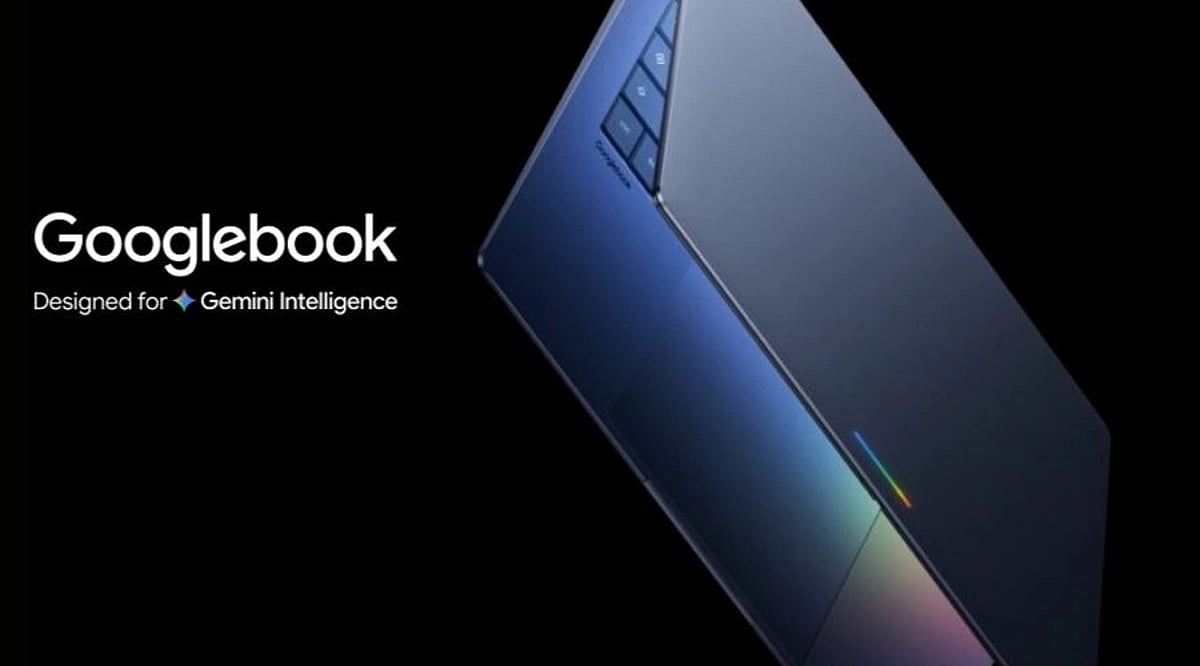
    Google is taking a significant step into the premium laptop market with the introduction of Googlebook, a new device category designed to put AI at the center of everyday computing. The first generation of Googlebook laptops combines conventional laptop hardware with Google’s software ecosystem, including ChromeOS, Android app support, and deep integration with the company’s Gemini AI assistant.

    The lineup includes five models from Acer, ASUS, Dell, HP, and Lenovo, with prices starting at USD 899. Each device offers a distinct design and feature set, giving buyers a range of choices across portability, screen size, and security.

    Five Googlebook Models, Five Different Approaches

    Unlike a single flagship design, Google is letting its partners take different approaches to the first Googlebook lineup:

    • Acer Googlebook 14 – The only convertible model, featuring a display that folds into tablet mode for flexible work.
    • ASUS Googlebook 14 – A lightweight, portable option weighing just 2.2 pounds, with HDMI and multiple ports.
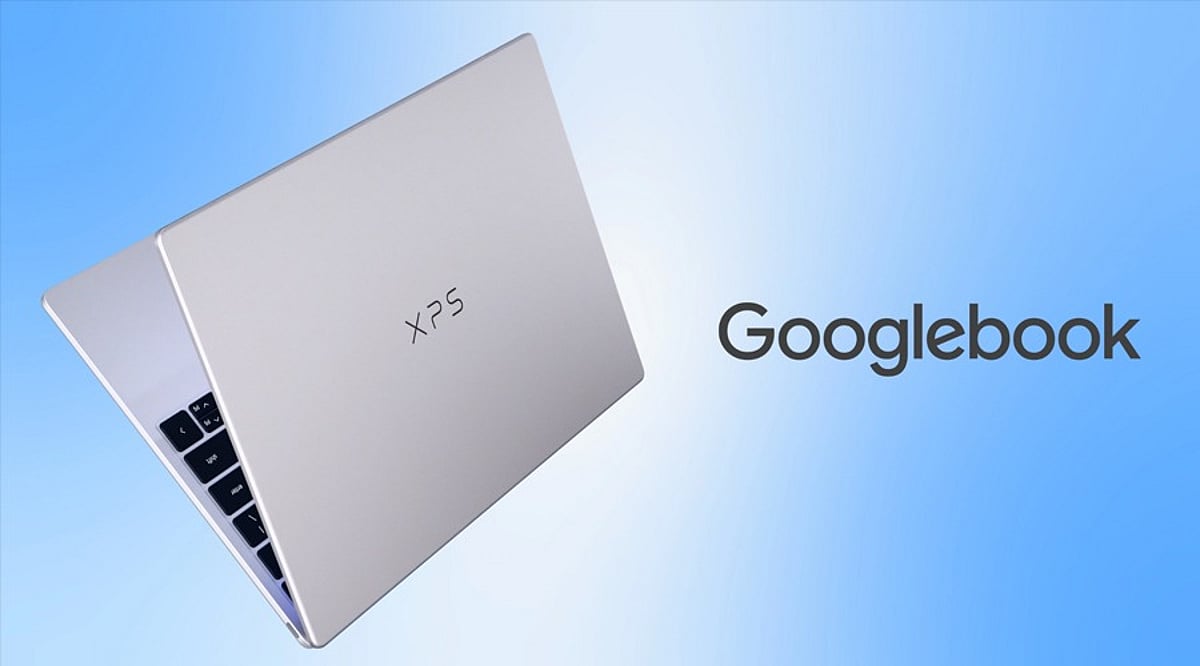
    • Dell Googlebook 14 – Borrows Dell’s popular XPS design language, adding a fingerprint reader and a slim profile.
    • HP Googlebook 14 – Supports both facial recognition and fingerprint authentication, with storage options up to 1TB.
    • Lenovo Googlebook – Offers a larger 15.3-inch display, aimed at users who need more screen real estate.

    Premium Hardware and Everyday Practicality

    Googlebooks are built with a mix of aluminum, magnesium alloy, and carbon fiber. The displays are touchscreens with resolutions up to 2.8K, and Google highlights features like haptic glass trackpads and backlit keyboards.

    Audio is a strong focus across the lineup. Some models include up to six speakers with Dolby Atmos support, and noise-canceling microphones are designed to make voice calls and recordings clearer. Battery life varies by configuration, but Google promises up to 14 hours of video playback and up to 16 hours of web browsing on supported models.

    Gemini Is the Core of the Experience

    The biggest differentiator for Googlebook is how deeply Gemini is integrated into the system. One feature, Magic Pointer, brings Gemini contextually to whatever appears on screen. Users can highlight content and ask the AI to organize information, translate text, or analyze suspicious messages.

    Another tool, Rambler, is built around voice-based writing. You can speak naturally while Rambler turns your thoughts into structured notes. There is also Create My Widget, which lets users describe a widget in plain language and have it generated without writing code.

    Closer Android Phone Integration

    Googlebook is designed to work seamlessly with Android smartphones. Files can be accessed directly from the computer, and tasks can be moved between devices without constant file transfers. The Files feature can display photos and documents stored on a connected phone, while Cast My Apps can bring selected phone applications onto the Googlebook screen.

    This tight Android connection makes the laptop feel like an extension of your phone rather than a separate device, a strategy that could appeal to people already in the Google ecosystem.

    Software, Apps, and Developer Tools

    The software experience combines a desktop version of Chrome with Android applications. Users can run a range of tools, including Adobe Photoshop, Lightroom, and CapCut. Streaming apps and Android games are also supported, and every purchase includes a complimentary year of GeForce NOW.

    Developers get access to Google Antigravity and a full terminal environment, allowing them to use development tools and AI coding agents directly on the device. Security features include Titan hardware security, on-device malware detection, and an isolated Linux environment powered by pKVM technology.

    Pricing, Availability, and What to Expect

    The Googlebook lineup starts at USD 899, with higher-end configurations going up to USD 1,299. Every device includes 12 months of Google AI Pro and 5TB of cloud storage. Buyers also receive promotional access to YouTube Premium and select creative software. Google says the devices will receive updates for up to 10 years.

    The first Googlebooks will be available in the United States starting October 4, followed by the UK, Canada, Australia, France, Germany, and Ireland.

    By bringing Gemini, Android integration, and premium hardware together, Google is positioning Googlebook as a serious entry into the AI laptop space. The variety across the five models also gives users the flexibility to choose a laptop that fits their particular workflow.

  • Googlebook Laptops Hit Pre-Order Stage: $899 Starting Price, Gemini AI Integration, and Global Rollout Details

    Googlebook Laptops Hit Pre-Order Stage: $899 Starting Price, Gemini AI Integration, and Global Rollout Details

    Google has officially opened pre-orders for its new Googlebook laptops, marking a significant return to the premium laptop segment. Starting at USD 899 in the US, the lineup combines advanced Android integration with powerful Gemini AI features, all built on a foundation of premium hardware from Intel and Qualcomm processors.

    The initial batch of devices is supplied by Acer, ASUS, Dell, HP, and Lenovo. According to Google, the laptops will hit US shelves on October 4, followed by Canada, the UK, Ireland, France, Germany, and Australia on October 5.

    A New Take on Android and Laptop Computing

    Googlebook is built on Android technology with desktop foundations derived from ChromeOS. Google positions the platform as a premium alternative to traditional Chromebooks, emphasizing seamless integration with Android smartphones. Users can continue tasks across devices, access phone files directly, cast Android apps to the laptop, and transfer settings, passwords, Wi-Fi networks, and messages with end-to-end encryption during setup.

    Gemini AI-Powered Features

    Several Gemini-powered features are built directly into Googlebook:

    • Magic Pointer – Invokes Gemini to help with tasks involving on-screen content.
    • Rambler – Converts spoken thoughts into organized notes, checklists, and formatted content.
    • Create My Widget – Lets users describe a requirement to generate a customized desktop widget.

    Pricing and Availability

    The Googlebook range starts at USD 899. Individual models from the five manufacturers carry different price points. Each purchase includes 12 months of Google AI Pro, 5TB of cloud storage, and Gemini Advanced tools. Google also promises software updates for up to 10 years. Pre-orders are available through the Google Store, Best Buy, and select retailers.

    With its AI-first approach and deep Android ecosystem integration, the Googlebook line is poised to redefine the premium laptop experience.

  • Dell XPS Googlebook DX13267: 13.4-Inch Google Laptop Appears in Official Filing

    Dell XPS Googlebook DX13267: 13.4-Inch Google Laptop Appears in Official Filing

    Dell’s first XPS Googlebook appears to be nearing launch after the model name DX13267 surfaced in an official Dell document. The Product Carbon Footprint report for September 2026, now available on Dell’s website, lists the upcoming laptop and reveals several early details about the device.

    What the Dell Report Reveals

    The filing identifies the Dell XPS Googlebook DX13267 with a 13.4-inch display and an approximate weight of 1.1 kg. It also lists China as the assembly location and assigns the laptop a four-year product lifetime. Those details align with earlier leaks and benchmark sightings that connected the DX13267 to Dell’s XPS 13 design and the internal codename Mica.

    Expected Hardware and Features

    While Dell has not confirmed final specifications, earlier reports point to Qualcomm’s Snapdragon X Elite processor, 16GB or 32GB of LPDDR5X memory, and a 13.4-inch OLED touchscreen with 2,880 x 1,800 resolution. As a Googlebook, the device will combine Android with Chrome, support Google Play apps, and highlight Gemini-powered AI features.

    Googlebook Launch Plans

    Google’s website currently lists September 21 for Googlebook pre-orders, with Dell among the first hardware partners alongside Acer, Asus, HP, and Lenovo. Dell has yet to announce pricing, regional availability, or final configurations for the XPS Googlebook. More details are expected as pre-orders approach.

  • Googlebook Laptop Pre-Orders Open September 21 With Gemini AI and Android Integration

    Googlebook Laptop Pre-Orders Open September 21 With Gemini AI and Android Integration

    Google has confirmed that pre-orders for its upcoming Googlebook laptops will officially open on September 21. The announcement, posted on the official Googlebook website, also gives users the option to sign up for preorder notifications if they aren’t ready to order right away. Google has not yet shared pricing, the exact models that will be available for pre-order, or shipping timelines.

    What Are Googlebook Laptops?

    The Googlebook was first teased during the Android Show I/O Edition in May. It is a new line of flagship laptops designed to combine the best of ChromeOS and Android. While current Chromebooks run on ChromeOS, Googlebook devices will be built on the Android technology stack but still include the Chrome browser and full access to Google Play Store apps.

    Several major PC makers are supporting the new category, including Acer, Asus, Dell, HP, and Lenovo. Google has not confirmed which manufacturer models will be the first to go on sale.

    Gemini AI Features

    Googlebook laptops will lean heavily on Gemini intelligence. The company’s website highlights two key features:

    • Magic Pointer: Select anything on screen and ask Gemini to analyze, compare, or create with it.
    • Create My Widget: Build custom widgets simply by asking Gemini to generate them.

    Deeper Android Phone Integration

    Googlebook is also designed to work more closely with Android smartphones. Two standout features include:

    • Cast My Apps: Use phone apps directly on the laptop without needing to install them separately.
    • Quick Access: Browse and access files stored on your phone right from the laptop’s file manager.

    These features will require a phone running Android 17 or later.

    Design and Availability

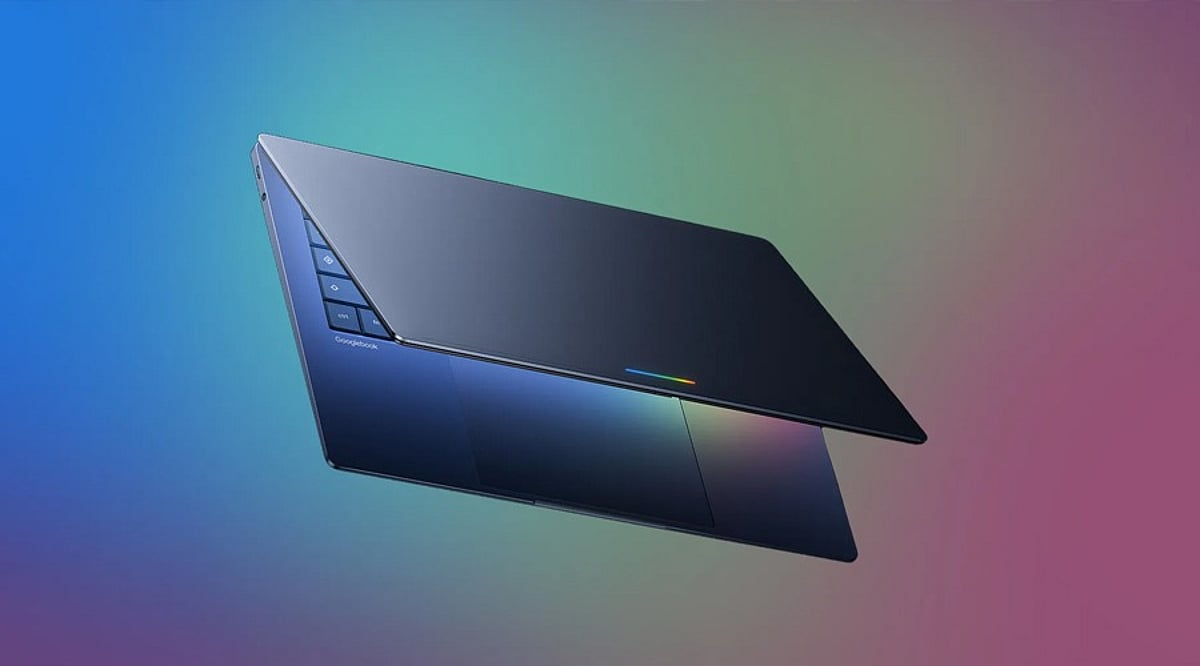
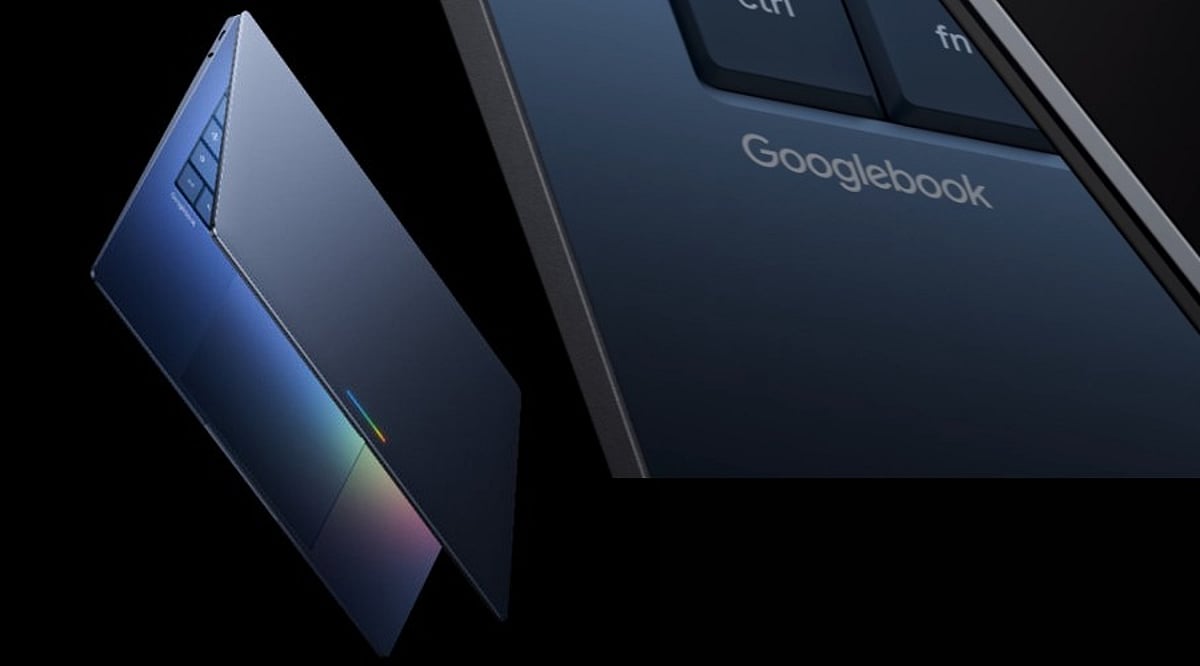
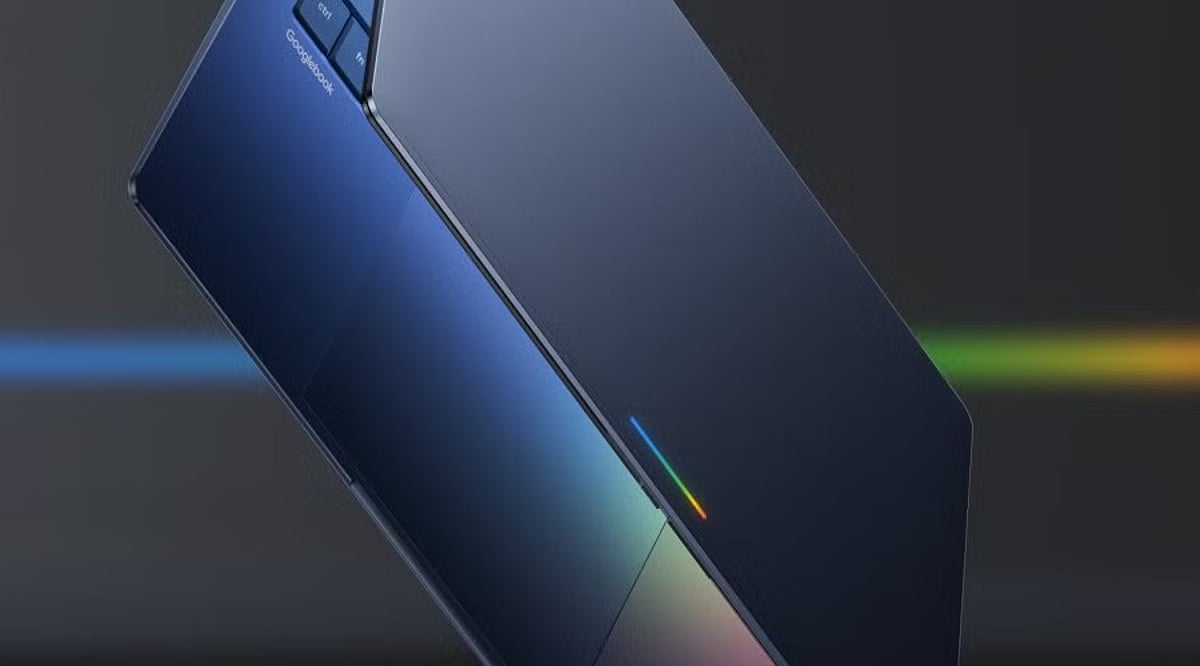
    Googlebook laptops will feature a distinctive Glowbar, described by Google as a functional design element. Since Acer, Asus, Dell, HP, and Lenovo are building the first-generation devices, customers can expect a range of shapes, sizes, and hardware configurations across the lineup.

    Google has not disclosed pricing or confirmed shipping dates, but the first devices are expected to arrive this fall.

  • Googlebook Pre-Orders Launch September 21: Gemini AI, Android Integration, and What to Know

    Googlebook Pre-Orders Launch September 21: Gemini AI, Android Integration, and What to Know

    Google has confirmed that Googlebook pre-orders will open on September 21 at 9 a.m. ET (6:30 p.m. IST), officially launching its new laptop category. The first wave of devices will be produced by Acer, ASUS, Dell, HP, and Lenovo, with Google positioning the lineup as a premium computing experience.

    What we know so far

    • Pre-order start: September 21, 2026, at 9 a.m. ET through Google’s official Googlebook website.
    • Hardware partners: Acer, ASUS, Dell, HP, and Lenovo will supply the initial devices.
    • Unconfirmed details: Pricing, final configurations, shipping dates, and India availability have not been announced.

    Shift from Chromebook to Android

    Googlebook marks a departure from the traditional Chromebook model. Instead of ChromeOS, the new category runs on an Android-based technology stack. The goal is to connect everyday laptop work, AI assistance, and Android phone interactions in a single, seamless experience.

    Magic Pointer brings Gemini to anything on screen

    One of the standout software features is Magic Pointer, which lets users point at on-screen content and ask Gemini for analysis, comparisons, or content creation without switching apps. The feature is designed to make AI assistance feel more natural during routine tasks.

    Create My Widget

    Googlebook also introduces Create My Widget, which builds custom desktop widgets from natural language requests. In a demo, Google showed a travel tracker that combined flight, accommodation, and restaurant details in a single interface, giving Gemini a practical role beyond chatbot-style conversations.

    Android phone integration

    The Android connection goes further with Cast My Apps, which brings Android phone apps to the laptop, and Quick Access, which provides direct access to phone files. Google notes that these capabilities require Android 17 or newer on the connected phone.

    Hardware and design

    While exact launch configurations are unconfirmed, reports point to premium displays and powerful processors across the initial Googlebook lineup. Google is also bringing back the Glowbar, a multicolor light strip above the keyboard first seen on the Chromebook Pixel, now serving as a visual marker for Googlebooks.

    The September 21 opening may reveal more than just availability. Pricing and hardware choices will show whether Google’s Gemini-first strategy can challenge established Windows laptops and premium MacBooks.

  • Today’s Tech Roundup: Jio Bundles, Googlebook Leak, China’s AI Talent, Nokia Open-Source AI, and Oppo Find X10 Ultra Details

    Today’s Tech Roundup: Jio Bundles, Googlebook Leak, China’s AI Talent, Nokia Open-Source AI, and Oppo Find X10 Ultra Details

    Welcome to today’s roundup of the biggest tech stories. From new bundled plans and historical leaks to AI talent moves and smartphone camera innovations, here’s what you need to know.

    Jio Launches 3-in-1 Bundled Home Entertainment Plans

    Reliance Jio has introduced new 3-in-1 bundled plans that combine broadband, TV, and OTT subscriptions into a single package. The move aims to simplify home entertainment and compete with other integrated service providers in India.

    Googlebook Leak Reveals Early Laptop History

    A leaked document, dubbed “Googlebook,” has surfaced, offering an inside look at Google’s early laptop development. The leak provides details on design prototypes, hardware specifications, and the strategic thinking behind Google’s initial foray into the laptop market.

    China Invests Heavily in AI Talent Pipeline

    China is accelerating its push to develop artificial intelligence talent, with new government initiatives and university programs aimed at training thousands of AI specialists. This strategic investment underscores Beijing’s ambition to lead the global AI race.

    Nokia Open-Sources AI Video Technology

    Nokia has announced it will open-source its AI-powered video processing technology. The move is expected to spur innovation in video analytics, compression, and real-time enhancement, making advanced tools accessible to developers worldwide.

    Oppo Find X10 Ultra Camera Leak Emerges

    Details of the upcoming Oppo Find X10 Ultra have leaked, revealing a cutting-edge camera system with periscope zoom, improved low-light performance, and AI-driven computational photography features. The device is expected to challenge other flagship smartphones in the ultra-premium segment.

    Stay tuned for more updates on these developing stories.