
Tag: government policy

  • India’s Semicon 2.0 Program Targets 200 New Chip Design Firms

    India expects around 200 chip design companies to emerge under its Semicon 2.0 programme as the government expands support for semiconductor design, manufacturing and research. Union Electronics and Information Technology Minister Ashwini Vaishnaw said the new companies could strengthen India’s domestic chip design base. The government is building on the first phase of the India Semiconductor Mission, which supports startups with design tools, funding and technical resources.

    Semicon 2.0 Targets Growth in India’s Chip Design Sector

    Vaishnaw said India’s existing strength in information technology and global capability centres is now extending into semiconductor design. “We estimate at least 200 chip design companies emerging under Semicon 2.0,” he said during a fireside chat.

    Under the first phase of the India Semiconductor Mission, the government focused on reducing the high cost of Electronic Design Automation tools. More than 105 chip design startups received access to advanced EDA tools, which companies use to develop, test and verify semiconductor designs.

    The government said 20 of these startups also secured venture capital funding. The funding has helped some firms move beyond early product development and work towards commercial applications. Semiconductor startups are also developing chips for use in different products.

    India has also expanded training for semiconductor professionals. Around 70,000 chip-design engineers have received training over the past four years, against a target of 85,000. The government expects this workforce to support chip design, research, manufacturing and related activities.

    Semiconductor Plants Begin Commercial Production

    India is also increasing domestic semiconductor manufacturing capacity. According to Vaishnaw, five of the 12 semiconductor plants approved under the first phase of the India Semiconductor Mission have started commercial production.

    The government is now focusing on applied research and development inside manufacturing plants. Vaishnaw said this work should improve product quality and manufacturing processes. The electronics manufacturing sector has also helped Indian micro, small and medium enterprises build precision manufacturing skills used across electronics, aerospace, defence and semiconductor production.

    The government is also working with companies on local production of critical semiconductor equipment and materials. Vaishnaw said Indian companies and overseas partners have started discussions and signed agreements related to machinery and key materials.

    He added that semiconductor production facilities will use water recycling systems to reduce fresh water use. The government is also encouraging data centres and manufacturing facilities to use closed-loop cooling systems where possible.

    Global Partners Explore Semiconductor Opportunities in India

    SEMICON India 2026 brought companies and government representatives from several major semiconductor markets together to discuss investment and supply-chain cooperation. Participants included companies from the United States, Japan, Singapore, South Korea, the Netherlands and Finland.

    “The country roundtables are basically showing that companies from those countries can expand their work here,” Vaishnaw said. He added that overseas governments were supporting companies that were exploring opportunities in India.

    The India-Singapore Country Roundtable attracted 142 participants and discussed manufacturing, advanced packaging and supply-chain management. The India-Europe session had 139 participants and covered investment, equipment, materials, manufacturing, chip design, research and talent development.

    Meanwhile, the India-South Korea Country Roundtable brought together 115 participants. Discussions covered semiconductor manufacturing, materials, advanced packaging, technology, investment and supply chains.

    Foreign Secretary Vikram Misri said resilient semiconductor supply chains require trusted international partnerships. He identified reliability, credibility, incentives and value creation as key areas for cooperation while calling for a balance between domestic capabilities and international partnerships.

    India’s Semicon 2.0 programme will now focus on expanding chip design, manufacturing, research, equipment production and skilled talent while bringing more domestic and international companies into the semiconductor ecosystem.
  • Karnataka Unveils India’s First Government-Led AI University to Build Next-Gen Tech Talent

    Karnataka Unveils India’s First Government-Led AI University to Build Next-Gen Tech Talent

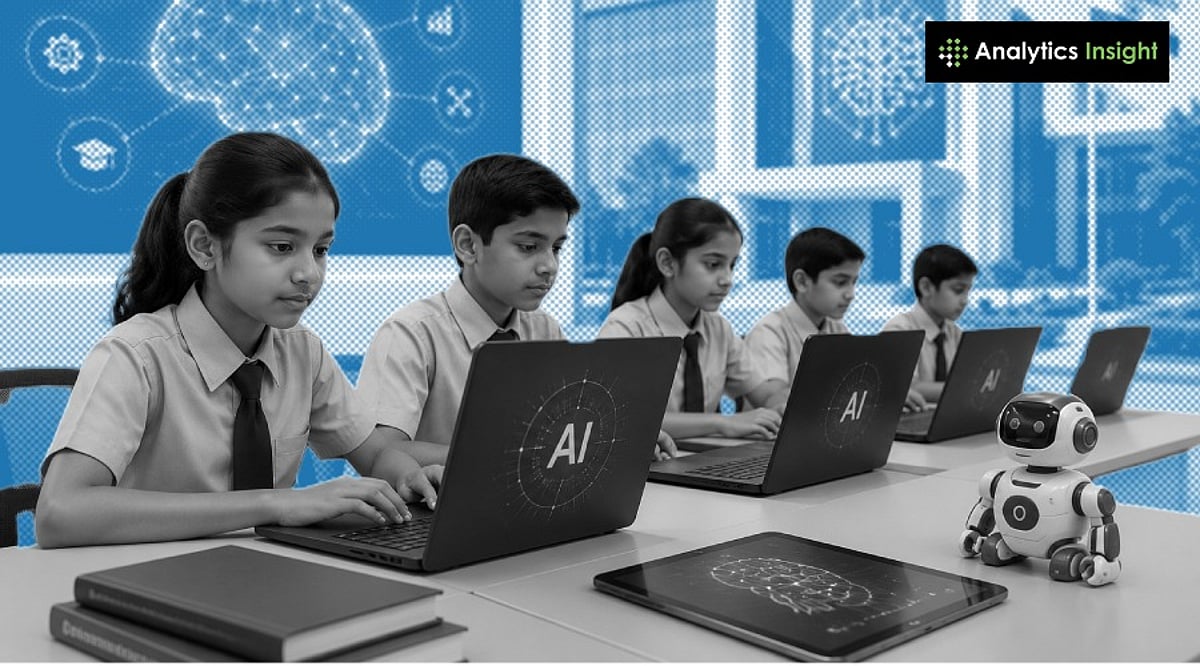
    In a landmark move to position itself as India’s artificial intelligence hub, the Karnataka government has announced a comprehensive AI roadmap that includes introducing AI education from Class 6 and establishing the country’s first government-led AI University. The initiative was unveiled during Google I/O Connect India 2026 in Bengaluru by Chief Minister D.K. Shivakumar.

    AI Curriculum from Class 6

    The proposed AI University, to be located in Bengaluru, will focus on developing skilled professionals in artificial intelligence and emerging technologies. The government will also create a dedicated AI Hub to support research, innovation, and collaboration among educational institutions, startups, and industry players.

    Starting from Class 6, students will be introduced to AI concepts to build foundational understanding at an early age. Additionally, 50 AI labs will be established in government colleges across the state.

    A First-of-Its-Kind Institution

    This AI University is expected to be the first AI institution in India created and administered by a state government. It will serve as a dedicated center for AI education, research, innovation, entrepreneurship, and talent development. The curriculum will be developed in consultation with businesses, tech firms, and AI professionals to ensure a globally competitive learning environment.

    Infrastructure and Sustainability

    Beyond education, Karnataka plans to build AI infrastructure through an AI Innovation Hub designed to benefit entrepreneurs, researchers, and enterprises. Next-generation green AI data centers are being constructed in Bengaluru and Mangaluru, relying entirely on renewable energy and recycled water to address the environmental impact of AI computing.

    These developments underscore Karnataka’s ambition to maintain its leadership in technology and expand its focus from software services to AI innovation. If successful, the initiative could set a precedent for AI-based public education across India.

  • India’s Ethanol Blending Program Saves Rs. 1.9 Lakh Crore in Foreign Exchange, Government Reports

    India’s Ethanol Blending Program Saves Rs. 1.9 Lakh Crore in Foreign Exchange, Government Reports

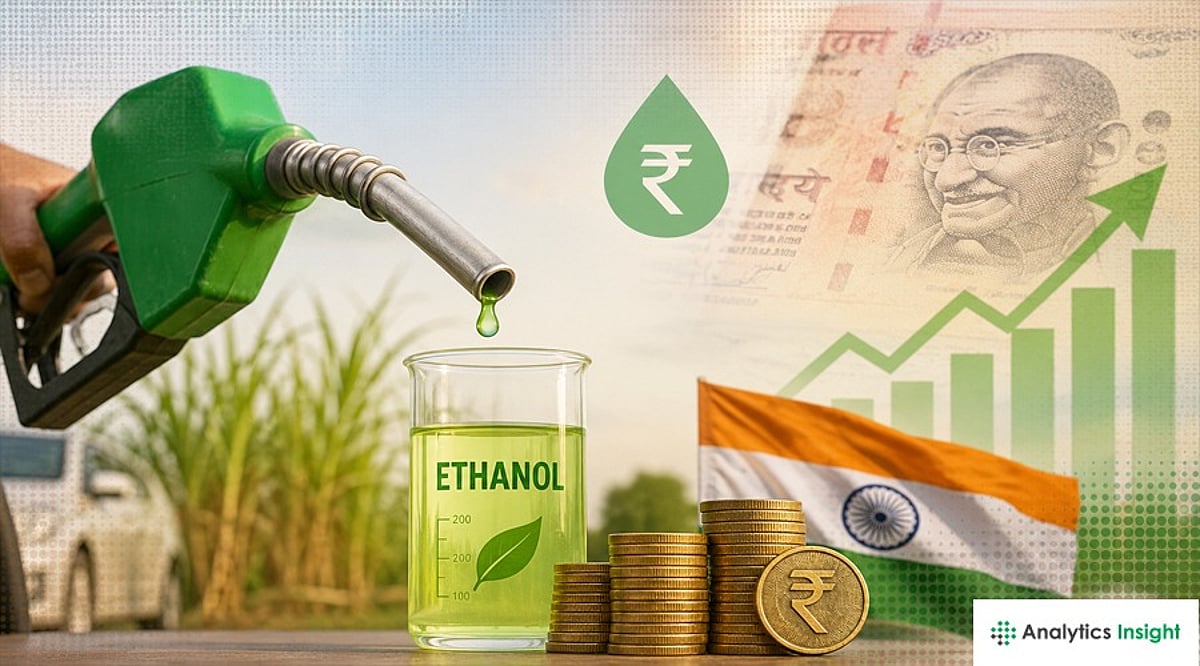
    The Indian government has announced that its ethanol blending program has saved the country approximately Rs. 1.9 lakh crore in foreign exchange by reducing the need for crude oil imports. The announcement comes as India expands the availability of E20 fuel across the nation.

    According to government officials, the Ethanol-Blended Petrol (EBP) program, which mixes ethanol derived from crops like sugarcane and maize with petrol, has significantly cut crude oil imports. Between 2014-15 and 2026, the program saved around Rs. 1.9 lakh crore in foreign exchange. Additionally, it led to a net reduction of approximately 930 lakh tonnes of CO2 emissions. The government also disbursed about Rs. 14,600 crore in subsidies to sugar mills from 2014-15 to 2020-21.

    C K Jain, President of the GEMA, stated, “The result showed that E20 is safe for all engines. It was executed and implemented after technical studies, pilot projects, policy discussions, and not in haste.”

    India imports most of its crude oil for petrol and diesel production, paying in foreign currency, primarily US dollars. By reducing imports, the country spends fewer dollars, easing pressure on foreign exchange reserves and strengthening the economy against global oil price volatility.

    The government’s renewed emphasis on ethanol blending comes amid the rollout of E20 fuel, which has sparked debate over vehicle compatibility, mileage, and maintenance costs. Some experts have called for a slower transition. However, the government aims to highlight the program’s broader benefits: reducing oil imports, supporting farmers, and enhancing energy security.

    With India’s continued push for E20, the discussion is expected to persist. For now, officials are focusing on long-term gains rather than short-term concerns.